

Peppers, sweet, red, frozen, chopped, boiled, drained, with salt
Whole food · Vegetables and Vegetable Products

Photo: Wikipedia
These are sweet red bell peppers that have been chopped, frozen, and then boiled until tender. They offer a soft, slightly yielding texture and a concentrated, sweet, and mildly earthy flavor, with a vibrant red color that brightens any dish. Nutritionally, they are a low-calorie, high-fiber food with a notable amount of natural sugars for a vegetable.
Calorie split: 20% protein · 71% carbs · 9% fat
↓ Full nutrition💚 Why it's loved
People love these for their intense, sweet pepper flavor that is more concentrated than fresh peppers, and their incredible versatility in everything from soups and stews to stir-fries and sauces. They are a staple in many cuisines, offering a quick way to add depth, color, and nutrition to a meal.
⚠️ Watch-outs & how to enjoy it better
The soft, boiled texture can be unappealing to those who prefer a crisp bite, and the added salt increases sodium content, which may concern individuals with hypertension. To counteract this, rinse the peppers briefly after boiling to reduce sodium, and pair them with a source of protein (like chicken or beans) and healthy fat (like olive oil) to balance the natural sugars and create a more satiating meal.
Key benefits
- Excellent source of Vitamin C, even after freezing and boiling.
- Very low in calories and fat, making it ideal for weight management.
- Provides dietary fiber to support digestive health.
- Rich in antioxidants like capsanthin and beta-carotene.
- Convenient and reduces food waste by preserving seasonal produce.
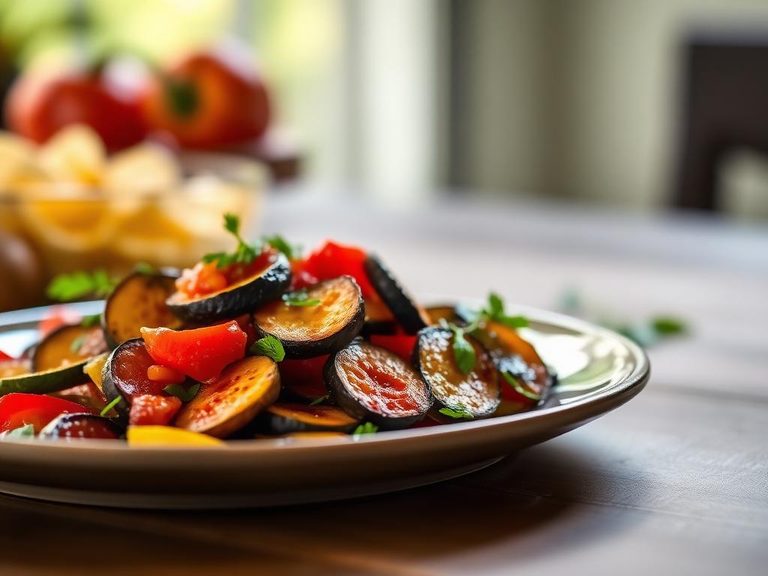
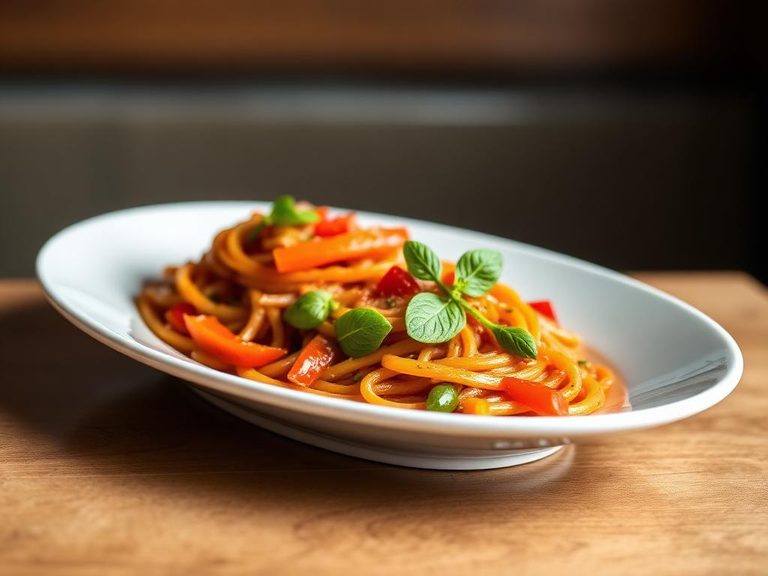
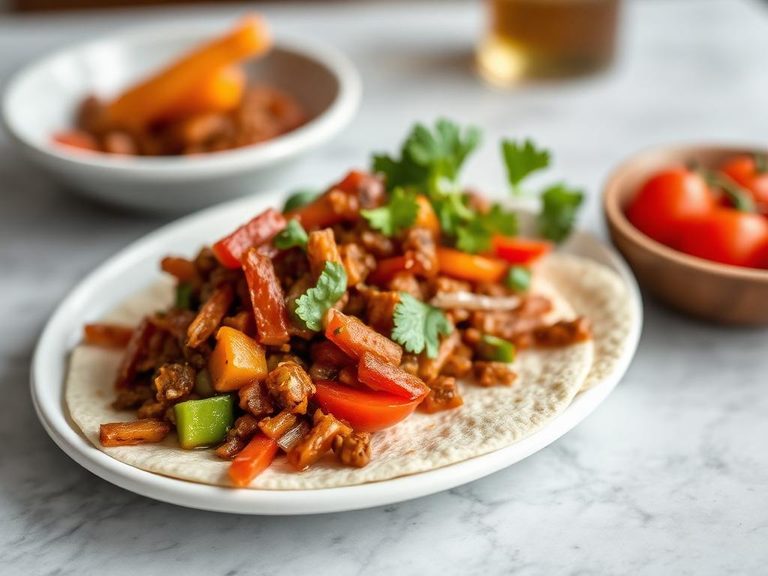
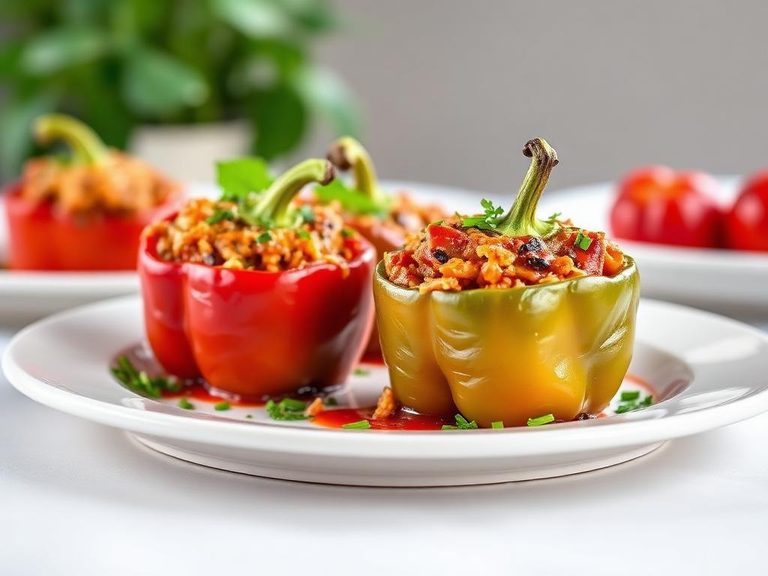
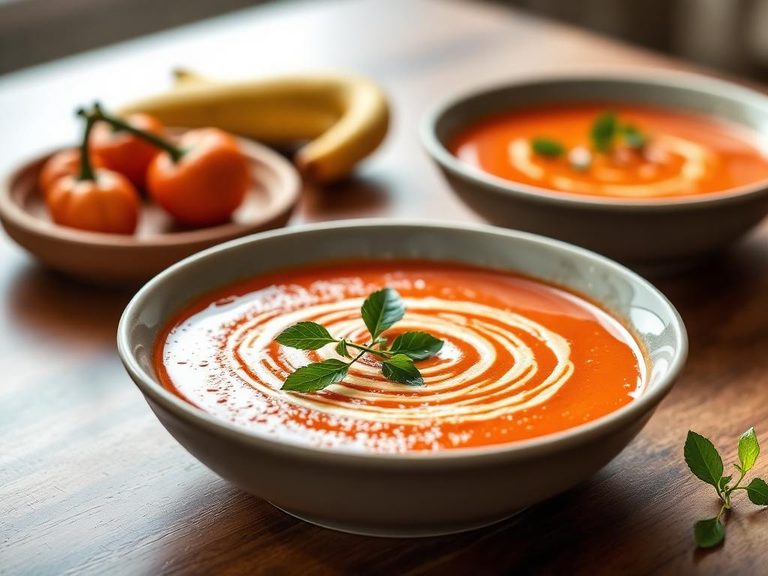
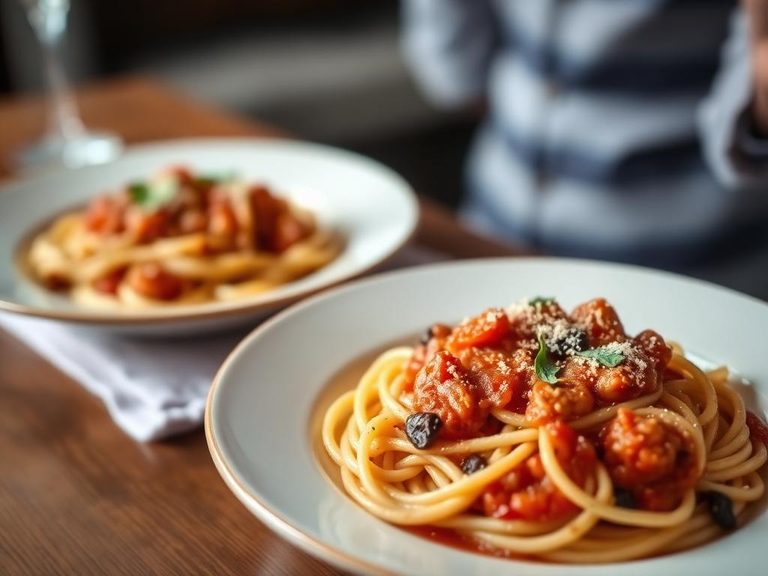
🍽️ Popular dishes
🌍 Where it's eaten
💡 Did you know?
Red bell peppers are actually green peppers that have been allowed to fully ripen on the vine, which is why they are sweeter and more nutrient-dense.
Full nutrition (USDA data · scales with serving)
| Water | 94.7 g |
| Energy | 16.0 kcal |
| Energy | 65.0 kj |
| Protein | 0.95 g |
| Total lipid (fat) | 0.18 g |
| Ash | 0.86 g |
| Carbohydrate, by difference | 3.3 g |
| Fiber, total dietary | 0.80 g |
| Total Sugars | 2.9 g |
| Calcium, Ca | 8.0 mg |
| Iron, Fe | 0.52 mg |
| Magnesium, Mg | 7.0 mg |
| Phosphorus, P | 13.0 mg |
| Potassium, K | 72.0 mg |
| Sodium, Na | 240 mg |
| Zinc, Zn | 0.05 mg |
| Copper, Cu | 0.04 mg |
| Manganese, Mn | 0.10 mg |
| Selenium, Se | 0.20 ug |
| Vitamin C, total ascorbic acid | 41.2 mg |
| Thiamin | 0.05 mg |
| Riboflavin | 0.03 mg |
| Niacin | 1.1 mg |
| Pantothenic acid | 0.02 mg |
| Vitamin B-6 | 0.11 mg |
| Folate, total | 10.0 ug |
| Folic acid | 0.00 ug |
| Folate, food | 10.0 ug |
| Folate, DFE | 10.0 ug |
| Choline, total | 3.8 mg |
| Vitamin B-12 | 0.00 ug |
| Vitamin A, RAE | 96.0 ug |
| Retinol | 0.00 ug |
| Carotene, beta | 994 ug |
| Carotene, alpha | 12.0 ug |
| Cryptoxanthin, beta | 300 ug |
| Vitamin A, IU | 1917 iu |
| Lycopene | 0.00 ug |
| Lutein + zeaxanthin | 31.0 ug |
| Vitamin E (alpha-tocopherol) | 1.1 mg |
| Vitamin D (D2 + D3), International Units | 0.00 iu |
| Vitamin D (D2 + D3) | 0.00 ug |
| Vitamin K (phylloquinone) | 3.4 ug |
| Alcohol, ethyl | 0.00 g |
| Caffeine | 0.00 mg |
| Theobromine | 0.00 mg |
Fat & fatty acid profile (per 100g)
| Fatty acids, total saturated | 0.03 g |
| SFA 4:0 | 0.00 g |
| SFA 6:0 | 0.00 g |
| SFA 8:0 | 0.00 g |
| SFA 10:0 | 0.00 g |
| SFA 12:0 | 0.00 g |
| SFA 14:0 | 0.00 g |
| SFA 16:0 | 0.02 g |
| SFA 18:0 | 0.01 g |
| Fatty acids, total monounsaturated | 0.01 g |
| MUFA 16:1 | 0.00 g |
| MUFA 18:1 | 0.01 g |
| MUFA 20:1 | 0.00 g |
| MUFA 22:1 | 0.00 g |
| Fatty acids, total polyunsaturated | 0.10 g |
| PUFA 18:2 | 0.09 g |
| PUFA 18:3 | 0.01 g |
| PUFA 18:4 | 0.00 g |
| PUFA 20:4 | 0.00 g |
| PUFA 20:5 n-3 (EPA) | 0.00 g |
| PUFA 22:5 n-3 (DPA) | 0.00 g |
| PUFA 22:6 n-3 (DHA) | 0.00 g |
| Fatty acids, total trans | 0.00 g |
| Cholesterol | 0.00 mg |
Amino acid profile (per 100g)
| Tryptophan | 0.01 g |
| Threonine | 0.04 g |
| Isoleucine | 0.02 g |
| Leucine | 0.03 g |
| Lysine | 0.03 g |
| Methionine | 0.01 g |
| Cystine | 0.02 g |
| Phenylalanine | 0.05 g |
| Tyrosine | 0.01 g |
| Valine | 0.03 g |
| Arginine | 0.03 g |
| Histidine | 0.02 g |
| Alanine | 0.03 g |
| Aspartic acid | 0.27 g |
| Glutamic acid | 0.20 g |
| Glycine | 0.03 g |
| Proline | 0.02 g |
| Serine | 0.05 g |
FAQ
Are frozen peppers as nutritious as fresh ones?
Yes, often more so. Freezing preserves most vitamins and antioxidants, and the blanching process before freezing can actually make some nutrients more bioavailable. They are a great year-round option.
Why are they boiled with salt?
The salt is typically added to the boiling water to season the peppers from the inside out and enhance their natural sweetness. It also helps preserve their color and texture during the freezing process.
Can I use these in place of fresh peppers in recipes?
Absolutely. They are perfect for cooked dishes like sauces, stews, and casseroles. However, they won't provide the same crunch as fresh peppers, so they aren't ideal for raw applications like salads or crudités.
Nutrient density (calculated · NRF9.3)
Nutrient Rich Foods index: beneficial nutrients (protein, fiber, vitamins, minerals) minus saturated fat, added sugar & sodium, per 100 kcal.
NRF9.3 index — Fulgoni, Keast & Drewnowski, 2009. Computed from USDA nutrients.
Weight-loss friendliness (composite index)
Energy density 0.16 kcal/g · 24% calories from protein · 0.8 g fiber · 2.9 g sugar per 100 g.
Composite of energy density (Rolls et al., 1999), protein & fiber satiety, minus sugar. A calculated heuristic — ranks satiety-per-calorie, not a clinical measure.
Dietary load (calculated from USDA values)
Potential renal acid load. Positive = acid-forming, negative = alkaline-forming.
Sodium-to-potassium ratio: 3.33 (lower is better — aim for ≤ 1)
Sodium:potassium per WHO potassium guidance. Computed from USDA nutrients.