

Peas and carrots, frozen, cooked, boiled, drained, with salt
Whole food · Vegetables and Vegetable Products
A vibrant, classic mix of sweet green peas and tender orange carrot cubes, this frozen staple offers a satisfying pop of sweetness and a soft, slightly crisp texture. Nutritionally, it's a low-calorie powerhouse, providing a notable 3.1 grams of fiber per 100g to support digestion and fullness.
Calorie split: 22% protein · 71% carbs · 7% fat
↓ Full nutrition💚 Why it's loved
People adore this duo for its comforting, nostalgic flavor and the beautiful color contrast it brings to any plate. It's the ultimate versatile side, ready in minutes to complement everything from roast chicken to pasta.
⚠️ Watch-outs & how to enjoy it better
The added salt can be a concern for those monitoring sodium intake, and the natural sugars may cause a mild blood-sugar rise for some. To counteract, rinse the cooked vegetables to reduce sodium, and pair with a source of protein (like chicken or beans) or healthy fat (like olive oil) to slow sugar absorption.
Key benefits
- Excellent source of dietary fiber for digestive health.
- Very low in fat, with less than 0.5g per 100g.
- Provides plant-based protein for muscle maintenance.
- Rich in beta-carotene (from carrots) and antioxidants.
- Convenient, pre-cut, and preserves nutrients well when frozen.
🍽️ Popular dishes
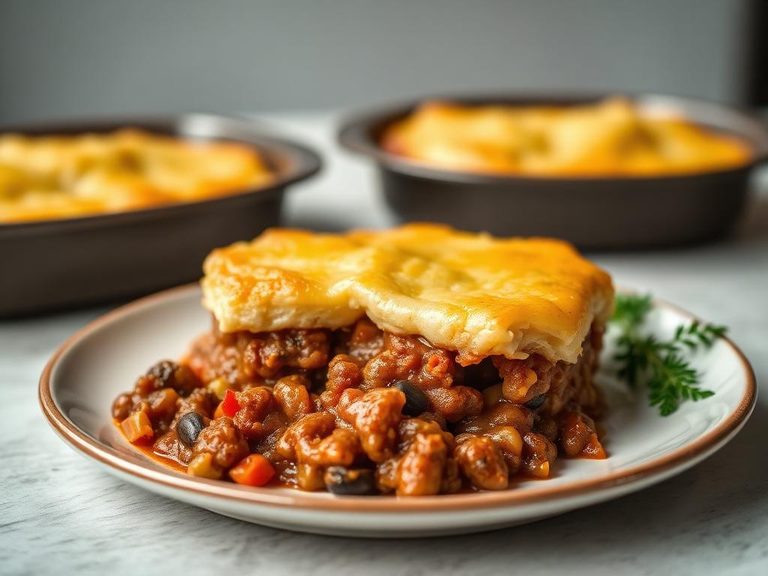

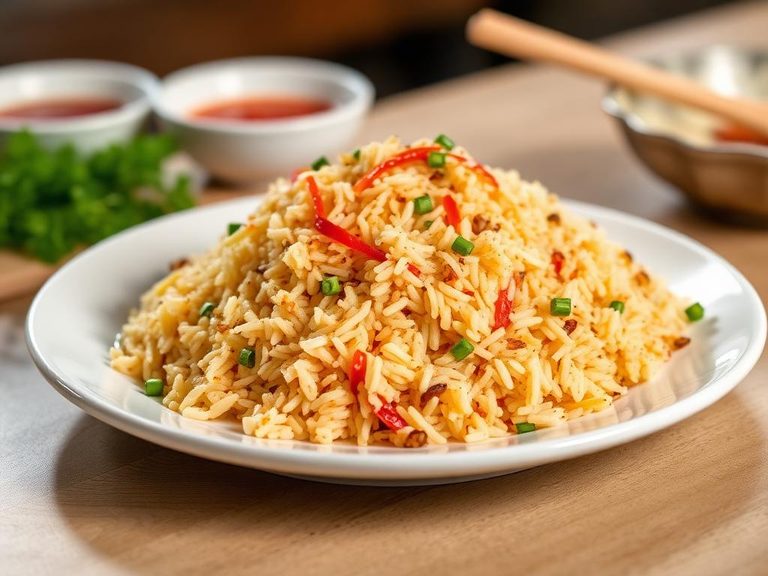
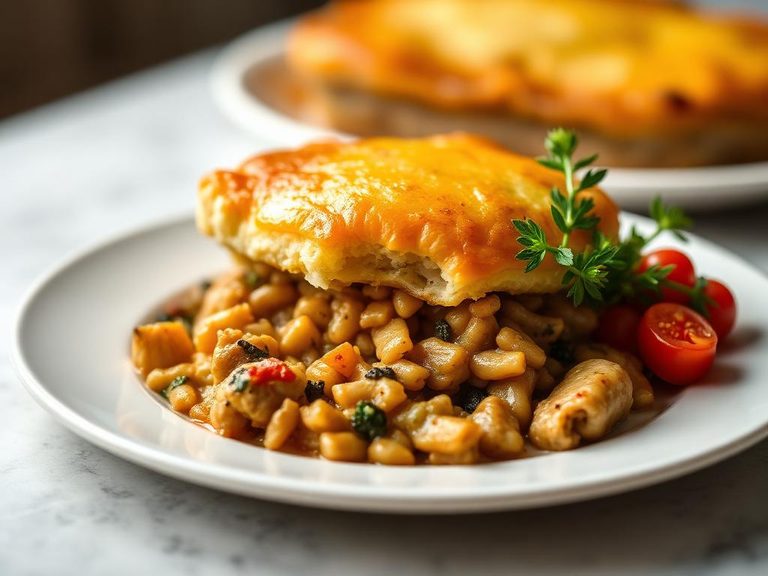
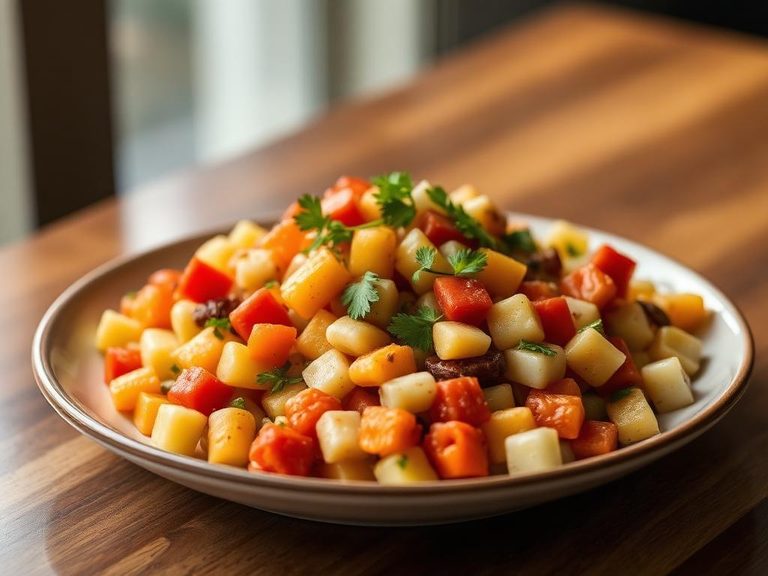
🌍 Where it's eaten
💡 Did you know?
This iconic pairing became a supermarket freezer staple in the 1950s, popularized by Clarence Birdseye's flash-freezing technology, which locked in the vegetables' bright colors and textures.
Full nutrition (USDA data · scales with serving)
| Water | 85.8 g |
| Energy | 48.0 kcal |
| Energy | 201 kj |
| Protein | 3.1 g |
| Total lipid (fat) | 0.42 g |
| Ash | 0.57 g |
| Carbohydrate, by difference | 10.1 g |
| Fiber, total dietary | 3.1 g |
| Total Sugars | 4.4 g |
| Calcium, Ca | 23.0 mg |
| Iron, Fe | 0.94 mg |
| Magnesium, Mg | 16.0 mg |
| Phosphorus, P | 49.0 mg |
| Potassium, K | 158 mg |
| Sodium, Na | 304 mg |
| Zinc, Zn | 0.45 mg |
| Copper, Cu | 0.08 mg |
| Manganese, Mn | 0.20 mg |
| Selenium, Se | 1.1 ug |
| Vitamin C, total ascorbic acid | 8.1 mg |
| Thiamin | 0.23 mg |
| Riboflavin | 0.06 mg |
| Niacin | 1.2 mg |
| Pantothenic acid | 0.16 mg |
| Vitamin B-6 | 0.09 mg |
| Folate, total | 26.0 ug |
| Folic acid | 0.00 ug |
| Folate, food | 26.0 ug |
| Folate, DFE | 26.0 ug |
| Choline, total | 18.1 mg |
| Vitamin B-12 | 0.00 ug |
| Vitamin B-12, added | 0.00 ug |
| Vitamin A, RAE | 476 ug |
| Retinol | 0.00 ug |
| Carotene, beta | 4725 ug |
| Carotene, alpha | 1868 ug |
| Cryptoxanthin, beta | 99.0 ug |
| Vitamin A, IU | 9514 iu |
| Lycopene | 0.00 ug |
| Lutein + zeaxanthin | 1538 ug |
| Vitamin E (alpha-tocopherol) | 0.52 mg |
| Vitamin E, added | 0.00 mg |
| Vitamin D (D2 + D3), International Units | 0.00 iu |
| Vitamin D (D2 + D3) | 0.00 ug |
| Vitamin K (phylloquinone) | 18.8 ug |
| Alcohol, ethyl | 0.00 g |
| Caffeine | 0.00 mg |
| Theobromine | 0.00 mg |
Fat & fatty acid profile (per 100g)
| Fatty acids, total saturated | 0.08 g |
| SFA 4:0 | 0.00 g |
| SFA 6:0 | 0.00 g |
| SFA 8:0 | 0.00 g |
| SFA 10:0 | 0.00 g |
| SFA 12:0 | 0.00 g |
| SFA 14:0 | 0.00 g |
| SFA 16:0 | 0.07 g |
| SFA 18:0 | 0.01 g |
| Fatty acids, total monounsaturated | 0.04 g |
| MUFA 16:1 | 0.00 g |
| MUFA 18:1 | 0.04 g |
| MUFA 20:1 | 0.00 g |
| MUFA 22:1 | 0.00 g |
| Fatty acids, total polyunsaturated | 0.20 g |
| PUFA 18:2 | 0.16 g |
| PUFA 18:3 | 0.04 g |
| PUFA 18:4 | 0.00 g |
| PUFA 20:4 | 0.00 g |
| PUFA 20:5 n-3 (EPA) | 0.00 g |
| PUFA 22:5 n-3 (DPA) | 0.00 g |
| PUFA 22:6 n-3 (DHA) | 0.00 g |
| Fatty acids, total trans | 0.00 g |
| Cholesterol | 0.00 mg |
Amino acid profile (per 100g)
| Tryptophan | 0.02 g |
| Threonine | 0.12 g |
| Isoleucine | 0.11 g |
| Leucine | 0.18 g |
| Lysine | 0.17 g |
| Methionine | 0.04 g |
| Cystine | 0.02 g |
| Phenylalanine | 0.11 g |
| Tyrosine | 0.06 g |
| Valine | 0.13 g |
| Arginine | 0.23 g |
| Histidine | 0.06 g |
| Alanine | 0.14 g |
| Aspartic acid | 0.29 g |
| Glutamic acid | 0.44 g |
| Glycine | 0.10 g |
| Proline | 0.10 g |
| Serine | 0.10 g |
FAQ
Are frozen peas and carrots as nutritious as fresh?
Yes, often more so. They are typically flash-frozen at peak ripeness, which preserves vitamins and minerals that can degrade in fresh produce during shipping and storage.
Why are they sold with salt added?
Salt is added as a preservative and flavor enhancer. If you're watching sodium, look for 'no salt added' versions or simply rinse the cooked vegetables under water.
Can I use this mix in raw dishes like salads?
It's not ideal. The vegetables are blanched before freezing, giving them a cooked texture. They are best heated through in soups, stews, stir-fries, or as a heated side dish.
Nutrient density (calculated · NRF9.3)
Nutrient Rich Foods index: beneficial nutrients (protein, fiber, vitamins, minerals) minus saturated fat, added sugar & sodium, per 100 kcal.
NRF9.3 index — Fulgoni, Keast & Drewnowski, 2009. Computed from USDA nutrients.
Weight-loss friendliness (composite index)
Energy density 0.48 kcal/g · 26% calories from protein · 3.1 g fiber · 4.4 g sugar per 100 g.
Composite of energy density (Rolls et al., 1999), protein & fiber satiety, minus sugar. A calculated heuristic — ranks satiety-per-calorie, not a clinical measure.
Dietary load (calculated from USDA values)
Potential renal acid load. Positive = acid-forming, negative = alkaline-forming.
Sodium-to-potassium ratio: 1.92 (lower is better — aim for ≤ 1)
Sodium:potassium per WHO potassium guidance. Computed from USDA nutrients.