

Peas and carrots, canned, no salt added, solids and liquids
Whole food · Vegetables and Vegetable Products
This is a classic, comforting blend of tender peas and sweet carrot chunks, canned in their own mild, starchy liquid. The texture is uniformly soft, with the peas offering a slight pop and the carrots a smooth, yielding bite. Nutritionally, it's a low-calorie, high-fiber side dish that provides a modest boost of plant-based protein.
Calorie split: 19% protein · 75% carbs · 5% fat
↓ Full nutrition💚 Why it's loved
People love it for its nostalgic, homestyle flavor and incredible versatility—it's a ready-to-go base for soups, stews, casseroles, and quick stir-fries. Its mild, sweet taste makes it a universally accepted side, especially for children.
⚠️ Watch-outs & how to enjoy it better
The soft, uniform texture can be unappealing to those who prefer fresh, crisp vegetables. The natural sugars in peas and carrots can cause a moderate blood-sugar spike if eaten alone in large portions. To counteract this, pair it with a source of protein or healthy fat (like grilled chicken, a dollop of plain yogurt, or a sprinkle of cheese) to slow digestion and stabilize blood sugar.
Key benefits
- Excellent source of dietary fiber for digestive health
- Very low in fat and calories, supporting weight management
- Provides plant-based protein and essential vitamins like A and K
- Convenient, shelf-stable, and requires no cooking
- No added salt makes it a heart-healthy choice
🍽️ Popular dishes
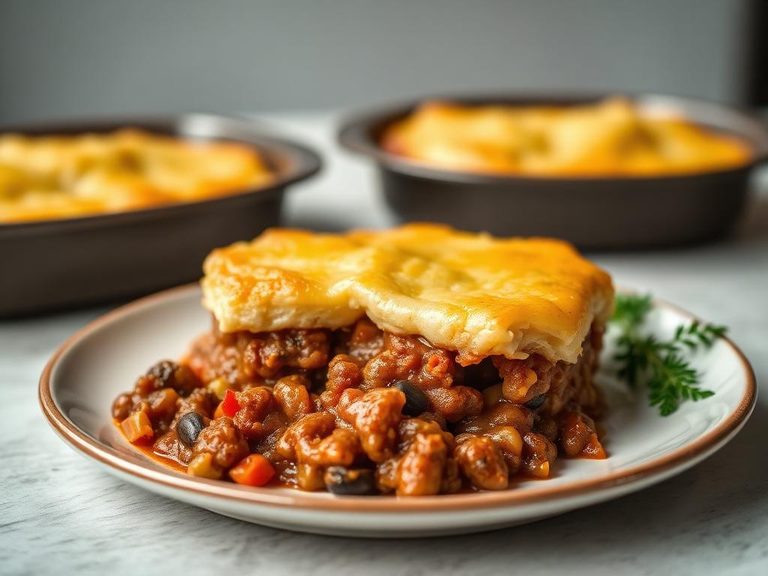
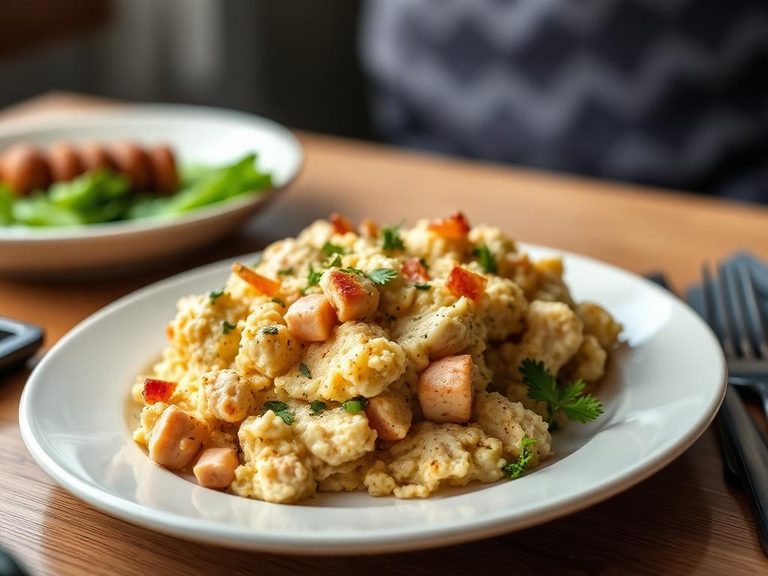

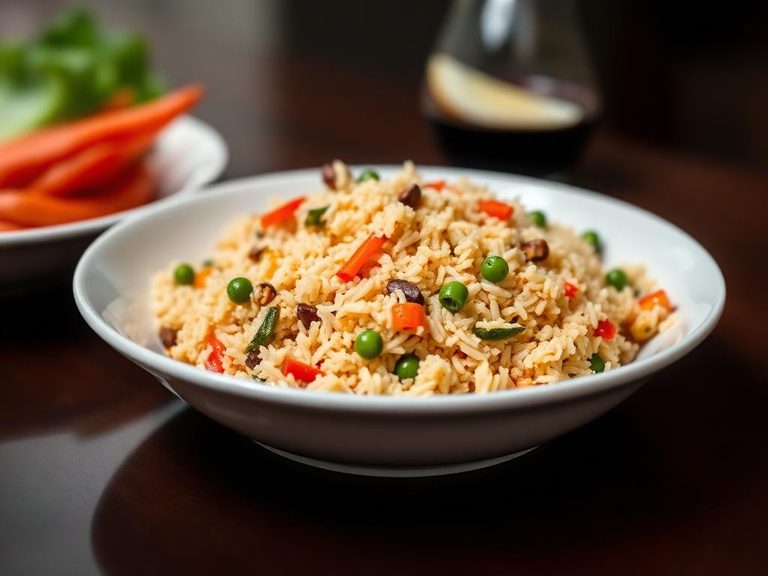
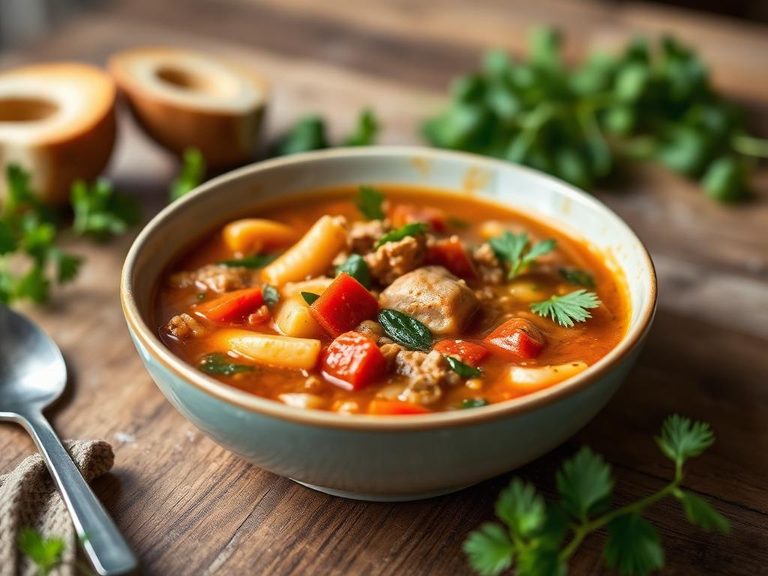
🌍 Where it's eaten
💡 Did you know?
The iconic 'peas and carrots' pairing became a staple of American home cooking in the early 20th century, heavily promoted by canned food manufacturers and school lunch programs for its nutritional balance and long shelf life.
Full nutrition (USDA data · scales with serving)
| Water | 88.2 g |
| Energy | 38.0 kcal |
| Energy | 159 kj |
| Protein | 2.2 g |
| Total lipid (fat) | 0.27 g |
| Ash | 0.93 g |
| Carbohydrate, by difference | 8.5 g |
| Fiber, total dietary | 3.3 g |
| Total Sugars | 2.8 g |
| Calcium, Ca | 23.0 mg |
| Iron, Fe | 0.75 mg |
| Magnesium, Mg | 14.0 mg |
| Phosphorus, P | 46.0 mg |
| Potassium, K | 100 mg |
| Sodium, Na | 4.0 mg |
| Zinc, Zn | 0.58 mg |
| Copper, Cu | 0.10 mg |
| Manganese, Mn | 0.36 mg |
| Selenium, Se | 0.90 ug |
| Vitamin C, total ascorbic acid | 6.6 mg |
| Thiamin | 0.07 mg |
| Riboflavin | 0.05 mg |
| Niacin | 0.58 mg |
| Pantothenic acid | 0.12 mg |
| Vitamin B-6 | 0.09 mg |
| Folate, total | 18.0 ug |
| Folic acid | 0.00 ug |
| Folate, food | 18.0 ug |
| Folate, DFE | 18.0 ug |
| Choline, total | 12.6 mg |
| Vitamin B-12 | 0.00 ug |
| Vitamin B-12, added | 0.00 ug |
| Vitamin A, RAE | 343 ug |
| Retinol | 0.00 ug |
| Carotene, beta | 3400 ug |
| Carotene, alpha | 1353 ug |
| Cryptoxanthin, beta | 72.0 ug |
| Vitamin A, IU | 6854 iu |
| Lycopene | 0.00 ug |
| Lutein + zeaxanthin | 1070 ug |
| Vitamin E (alpha-tocopherol) | 0.38 mg |
| Vitamin E, added | 0.00 mg |
| Vitamin D (D2 + D3), International Units | 0.00 iu |
| Vitamin D (D2 + D3) | 0.00 ug |
| Vitamin K (phylloquinone) | 13.1 ug |
| Alcohol, ethyl | 0.00 g |
| Caffeine | 0.00 mg |
| Theobromine | 0.00 mg |
Fat & fatty acid profile (per 100g)
| Fatty acids, total saturated | 0.05 g |
| SFA 4:0 | 0.00 g |
| SFA 6:0 | 0.00 g |
| SFA 8:0 | 0.00 g |
| SFA 10:0 | 0.00 g |
| SFA 12:0 | 0.00 g |
| SFA 14:0 | 0.00 g |
| SFA 16:0 | 0.04 g |
| SFA 18:0 | 0.00 g |
| Fatty acids, total monounsaturated | 0.02 g |
| MUFA 16:1 | 0.00 g |
| MUFA 18:1 | 0.02 g |
| MUFA 20:1 | 0.00 g |
| MUFA 22:1 | 0.00 g |
| Fatty acids, total polyunsaturated | 0.13 g |
| PUFA 18:2 | 0.10 g |
| PUFA 18:3 | 0.02 g |
| PUFA 18:4 | 0.00 g |
| PUFA 20:4 | 0.00 g |
| PUFA 20:5 n-3 (EPA) | 0.00 g |
| PUFA 22:5 n-3 (DPA) | 0.00 g |
| PUFA 22:6 n-3 (DHA) | 0.00 g |
| Fatty acids, total trans | 0.00 g |
| Cholesterol | 0.00 mg |
Amino acid profile (per 100g)
| Tryptophan | 0.02 g |
| Threonine | 0.08 g |
| Isoleucine | 0.08 g |
| Leucine | 0.13 g |
| Lysine | 0.12 g |
| Methionine | 0.03 g |
| Cystine | 0.01 g |
| Phenylalanine | 0.08 g |
| Tyrosine | 0.04 g |
| Valine | 0.09 g |
| Arginine | 0.16 g |
| Histidine | 0.04 g |
| Alanine | 0.10 g |
| Aspartic acid | 0.21 g |
| Glutamic acid | 0.31 g |
| Glycine | 0.07 g |
| Proline | 0.07 g |
| Serine | 0.07 g |
FAQ
Is canned peas and carrots as nutritious as fresh?
Canning can reduce some heat-sensitive vitamins like vitamin C, but it preserves fiber, minerals, and fat-soluble vitamins like vitamin A. The no-salt-added version is very comparable to fresh for most nutritional benefits.
Can I use the liquid from the can?
Yes, the liquid is simply starchy water with vegetable nutrients. It can be added to soups, stews, or gravies for extra flavor and body. Since this is a no-salt-added product, it won't add excess sodium.
How can I improve the texture if I don't like it mushy?
Drain the vegetables well and quickly sauté them in a hot pan with a little oil or butter for 2-3 minutes. This evaporates excess moisture and can add a slight caramelized edge, improving the texture.
Nutrient density (calculated · NRF9.3)
Nutrient Rich Foods index: beneficial nutrients (protein, fiber, vitamins, minerals) minus saturated fat, added sugar & sodium, per 100 kcal.
NRF9.3 index — Fulgoni, Keast & Drewnowski, 2009. Computed from USDA nutrients.
Weight-loss friendliness (composite index)
Energy density 0.38 kcal/g · 23% calories from protein · 3.3 g fiber · 2.8 g sugar per 100 g.
Composite of energy density (Rolls et al., 1999), protein & fiber satiety, minus sugar. A calculated heuristic — ranks satiety-per-calorie, not a clinical measure.
Dietary load (calculated from USDA values)
Potential renal acid load. Positive = acid-forming, negative = alkaline-forming.
Sodium-to-potassium ratio: 0.04 (lower is better — aim for ≤ 1)
Sodium:potassium per WHO potassium guidance. Computed from USDA nutrients.