

Orange juice, frozen concentrate, unsweetened, diluted with 3 volume water, with added calcium
Whole food · Fruits and Fruit Juices

Photo: Wikipedia
This is the classic, convenient pantry staple: frozen orange juice concentrate reconstituted with water and fortified with calcium. It delivers a bright, tangy, and intensely sweet citrus punch with a smooth, liquid texture. Nutritionally, it's a low-calorie source of vitamin C and calcium, but its primary caloric contribution comes from natural fruit sugars.
Calorie split: 7% protein · 92% carbs · 1% fat
↓ Full nutrition💚 Why it's loved
People adore its nostalgic, vibrant flavor that instantly evokes breakfast tables and sunny mornings. Its concentrated form makes it incredibly versatile for quick drinks, marinades, and baking.
⚠️ Watch-outs & how to enjoy it better
The high natural sugar content can cause rapid blood-sugar spikes, especially when consumed alone. To mitigate this, pair it with a source of protein or healthy fat (like eggs or nuts) to slow sugar absorption. Those monitoring sugar intake should practice portion control.
Key benefits
- Excellent source of immune-supporting Vitamin C
- Fortified with calcium for bone health
- Low in fat and provides quick energy from natural sugars
- Convenient and shelf-stable for long-term storage
🍽️ Popular dishes

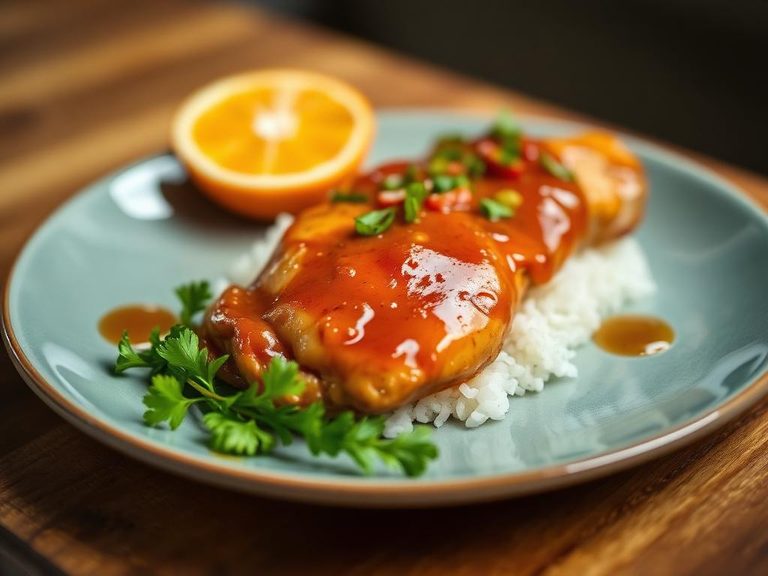
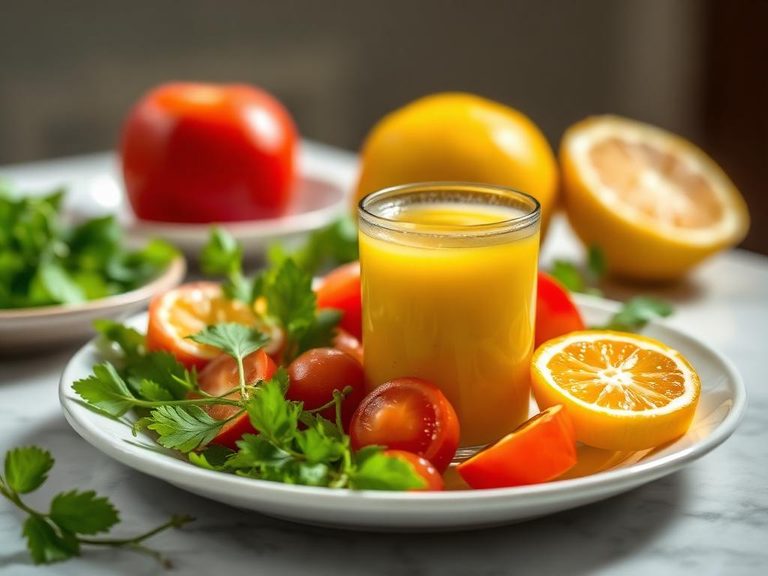
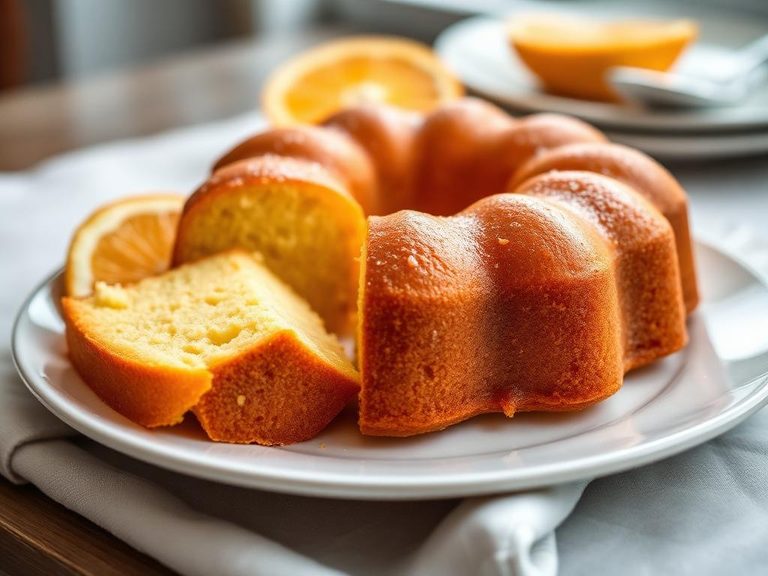
🌍 Where it's eaten
💡 Did you know?
The process of making frozen orange juice concentrate was accidentally perfected in 1945 when a Florida chemist discovered that by removing the water under a vacuum, he could preserve the juice's flavor and aroma far better than traditional canning.
Full nutrition (USDA data · scales with serving)
| Water | 90.1 g |
| Energy | 37.0 kcal |
| Energy | 154 kj |
| Protein | 0.60 g |
| Total lipid (fat) | 0.06 g |
| Ash | 0.81 g |
| Carbohydrate, by difference | 8.5 g |
| Fiber, total dietary | 0.20 g |
| Total Sugars | 7.4 g |
| Starch | 0.00 g |
| Calcium, Ca | 147 mg |
| Iron, Fe | 0.08 mg |
| Magnesium, Mg | 10.0 mg |
| Phosphorus, P | 78.0 mg |
| Potassium, K | 158 mg |
| Sodium, Na | 4.0 mg |
| Zinc, Zn | 0.04 mg |
| Copper, Cu | 0.02 mg |
| Selenium, Se | 0.10 ug |
| Fluoride, F | 65.7 ug |
| Vitamin C, total ascorbic acid | 36.2 mg |
| Thiamin | 0.07 mg |
| Riboflavin | 0.04 mg |
| Niacin | 0.27 mg |
| Vitamin B-6 | 0.07 mg |
| Folate, total | 19.0 ug |
| Folic acid | 0.00 ug |
| Folate, food | 19.0 ug |
| Folate, DFE | 19.0 ug |
| Choline, total | 5.0 mg |
| Vitamin B-12 | 0.00 ug |
| Vitamin B-12, added | 0.00 ug |
| Vitamin A, RAE | 3.0 ug |
| Retinol | 0.00 ug |
| Carotene, beta | 13.0 ug |
| Carotene, alpha | 5.0 ug |
| Cryptoxanthin, beta | 48.0 ug |
| Vitamin A, IU | 66.0 iu |
| Lycopene | 0.00 ug |
| Lutein + zeaxanthin | 83.0 ug |
| Vitamin E (alpha-tocopherol) | 0.15 mg |
| Vitamin E, added | 0.00 mg |
| Vitamin D (D2 + D3), International Units | 0.00 iu |
| Vitamin D (D2 + D3) | 0.00 ug |
| Vitamin K (phylloquinone) | 0.10 ug |
| Alcohol, ethyl | 0.00 g |
| Caffeine | 0.00 mg |
| Theobromine | 0.00 mg |
Fat & fatty acid profile (per 100g)
| Fatty acids, total saturated | 0.01 g |
| SFA 4:0 | 0.00 g |
| SFA 6:0 | 0.00 g |
| SFA 8:0 | 0.00 g |
| SFA 10:0 | 0.00 g |
| SFA 12:0 | 0.00 g |
| SFA 14:0 | 0.00 g |
| SFA 16:0 | 0.01 g |
| SFA 18:0 | 0.00 g |
| Fatty acids, total monounsaturated | 0.01 g |
| MUFA 14:1 | 0.00 g |
| MUFA 16:1 | 0.00 g |
| MUFA 18:1 | 0.01 g |
| MUFA 20:1 | 0.00 g |
| MUFA 22:1 | 0.00 g |
| MUFA 24:1 c | 0.00 g |
| Fatty acids, total polyunsaturated | 0.02 g |
| PUFA 18:2 | 0.01 g |
| PUFA 18:3 | 0.00 g |
| PUFA 18:4 | 0.00 g |
| PUFA 20:4 | 0.00 g |
| PUFA 20:5 n-3 (EPA) | 0.00 g |
| PUFA 22:5 n-3 (DPA) | 0.00 g |
| PUFA 22:6 n-3 (DHA) | 0.00 g |
| Fatty acids, total trans | 0.00 g |
| Cholesterol | 0.00 mg |
Amino acid profile (per 100g)
Estimated from Orange juice, frozen concentrate, unsweetened, undiluted — USDA does not publish this profile for Orange juice.
| Tryptophan | 0.01 g |
| Threonine | 0.04 g |
| Isoleucine | 0.03 g |
| Leucine | 0.05 g |
| Lysine | 0.06 g |
| Methionine | 0.01 g |
| Cystine | 0.01 g |
| Phenylalanine | 0.04 g |
| Tyrosine | 0.02 g |
| Valine | 0.05 g |
| Arginine | 0.31 g |
| Histidine | 0.02 g |
| Alanine | 0.07 g |
| Aspartic acid | 0.44 g |
| Glutamic acid | 0.15 g |
| Glycine | 0.04 g |
| Proline | 0.38 g |
| Serine | 0.08 g |
| Hydroxyproline | 0.00 g |
FAQ
How does it differ from regular orange juice?
It's a concentrated form that requires dilution with water (typically 3 parts water to 1 part concentrate). This makes it more economical to store and transport. Nutritionally, it's very similar to regular OJ per serving once reconstituted.
Is the added calcium as good as from milk?
The calcium is added for fortification and is a bioavailable form. While it's a beneficial supplement, especially for those avoiding dairy, it doesn't provide the complete nutritional matrix (like protein and phosphorus) found in dairy sources.
Can I use it in baking?
Absolutely! It's a fantastic ingredient for adding bright citrus flavor to cakes, muffins, glazes, and cookies. Use it in place of some other liquid in the recipe for a tangy twist.
Nutrient density (calculated · NRF9.3)
Nutrient Rich Foods index: beneficial nutrients (protein, fiber, vitamins, minerals) minus saturated fat, added sugar & sodium, per 100 kcal.
NRF9.3 index — Fulgoni, Keast & Drewnowski, 2009. Computed from USDA nutrients.
Weight-loss friendliness (composite index)
Energy density 0.37 kcal/g · 6% calories from protein · 0.2 g fiber · 7.4 g sugar per 100 g.
Composite of energy density (Rolls et al., 1999), protein & fiber satiety, minus sugar. A calculated heuristic — ranks satiety-per-calorie, not a clinical measure.
Dietary load (calculated from USDA values)
Potential renal acid load. Positive = acid-forming, negative = alkaline-forming.
Sodium-to-potassium ratio: 0.03 (lower is better — aim for ≤ 1)
Sodium:potassium per WHO potassium guidance. Computed from USDA nutrients.