

Oil, peanut, salad or cooking
Whole food · Fats and Oils
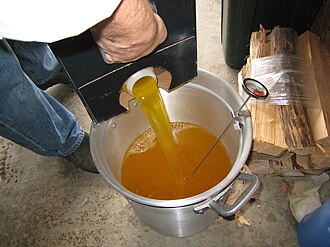
Photo: Wikipedia
Peanut oil is a golden, aromatic oil pressed from peanuts, prized for its clean, subtly nutty flavor and smooth, light texture. Nutritionally, it is almost pure fat (100g per 100g), providing a dense source of energy at 884 kcal, with zero protein, carbs, or fiber. Its high smoke point makes it a kitchen workhorse for high-heat cooking.
Calorie split: 0% protein · 0% carbs · 100% fat
↓ Full nutrition💚 Why it's loved
People love peanut oil for its clean, high-heat performance that yields crisp, non-greasy fried foods, and its subtle nutty undertone that enhances stir-fries and marinades without dominating the dish.
⚠️ Watch-outs & how to enjoy it better
As a concentrated fat, it is extremely calorie-dense, so overuse can contribute to weight gain. It is also a common allergen; individuals with peanut allergies must strictly avoid it. To manage intake, use measuring spoons for cooking and consider balancing high-fat meals with plenty of vegetables and lean protein.
Key benefits
- Rich in monounsaturated fats (oleic acid), which support heart health.
- High smoke point (around 230°C/450°F) ideal for deep-frying and stir-frying.
- Contains vitamin E, a natural antioxidant.
- Neutral flavor profile that doesn't overpower other ingredients.
- Long shelf life when stored properly.
🍽️ Popular dishes
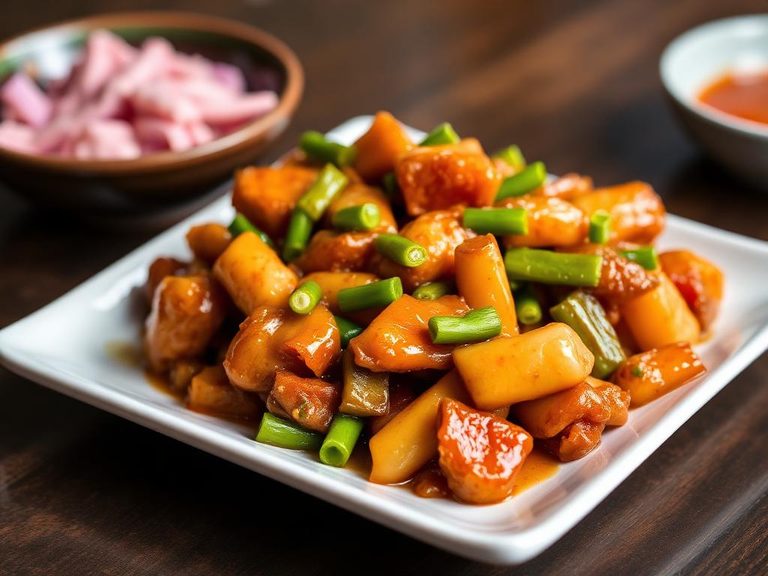
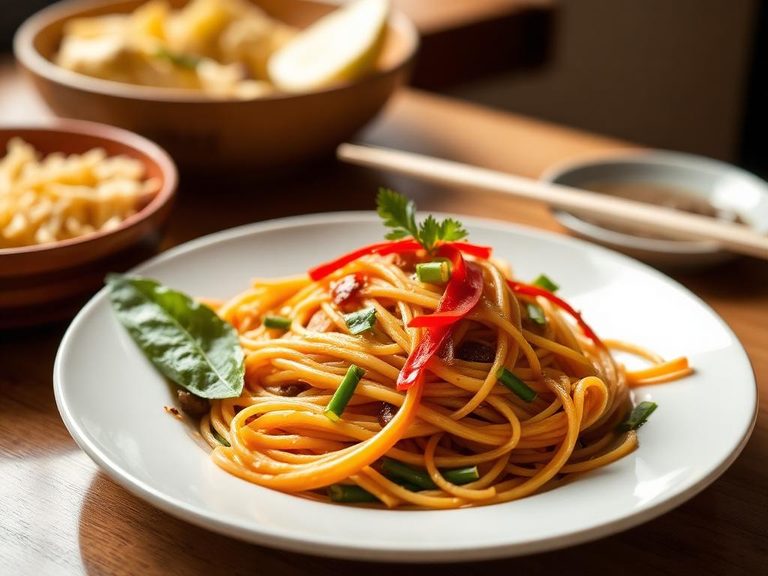
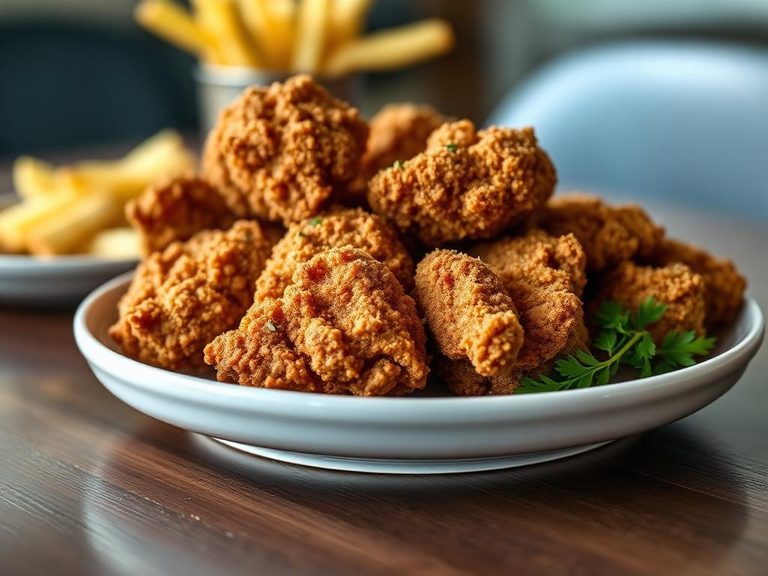
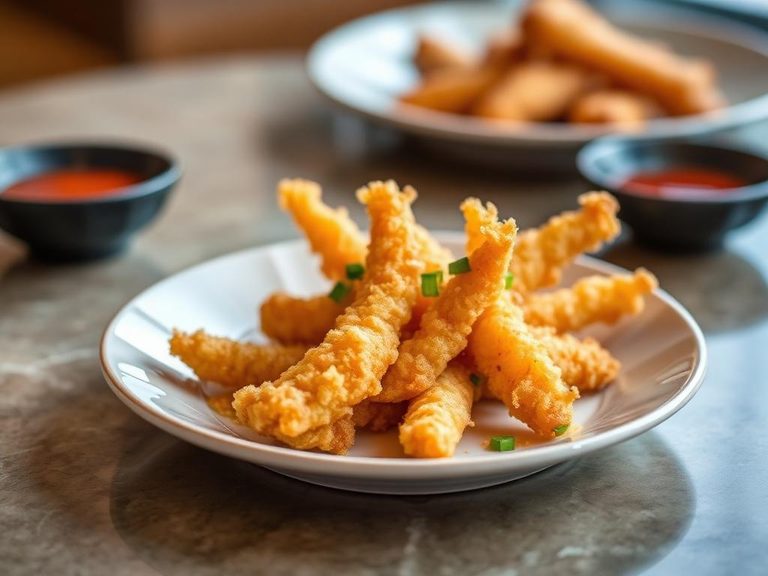
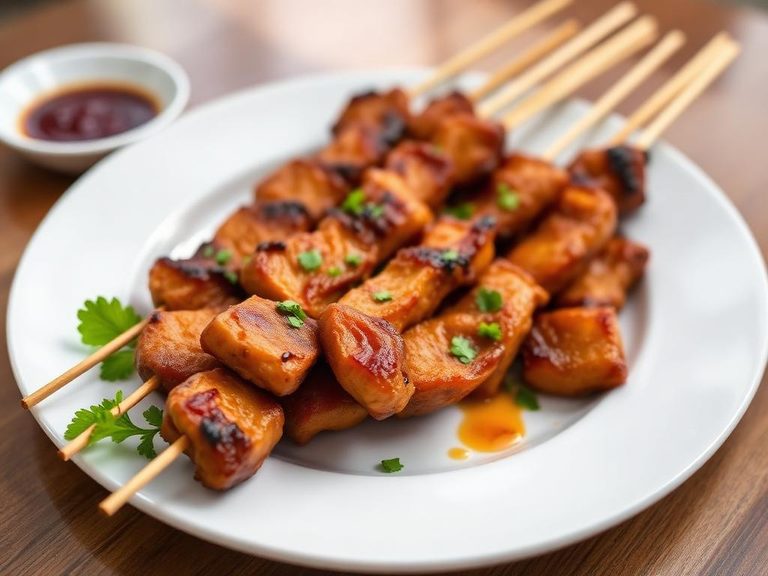
🌍 Where it's eaten
💡 Did you know?
Peanut oil is so effective at absorbing flavors that it's often used to extract and carry the taste of aromatics like garlic, ginger, and chilies in a technique called 'infusing' or 'blooming' in many Asian cuisines.
Full nutrition (USDA data · scales with serving)
| Water | 0.00 g |
| Energy | 884 kcal |
| Energy | 3699 kj |
| Protein | 0.00 g |
| Total lipid (fat) | 100 g |
| Ash | 0.00 g |
| Carbohydrate, by difference | 0.00 g |
| Fiber, total dietary | 0.00 g |
| Total Sugars | 0.00 g |
| Calcium, Ca | 0.00 mg |
| Iron, Fe | 0.03 mg |
| Magnesium, Mg | 0.00 mg |
| Phosphorus, P | 0.00 mg |
| Potassium, K | 0.00 mg |
| Sodium, Na | 0.00 mg |
| Zinc, Zn | 0.01 mg |
| Copper, Cu | 0.00 mg |
| Selenium, Se | 0.00 ug |
| Vitamin C, total ascorbic acid | 0.00 mg |
| Thiamin | 0.00 mg |
| Riboflavin | 0.00 mg |
| Niacin | 0.00 mg |
| Pantothenic acid | 0.00 mg |
| Vitamin B-6 | 0.00 mg |
| Folate, total | 0.00 ug |
| Folic acid | 0.00 ug |
| Folate, food | 0.00 ug |
| Folate, DFE | 0.00 ug |
| Choline, total | 0.10 mg |
| Betaine | 0.00 mg |
| Vitamin B-12 | 0.00 ug |
| Vitamin B-12, added | 0.00 ug |
| Vitamin A, RAE | 0.00 ug |
| Retinol | 0.00 ug |
| Carotene, beta | 0.00 ug |
| Carotene, alpha | 0.00 ug |
| Cryptoxanthin, beta | 0.00 ug |
| Vitamin A, IU | 0.00 iu |
| Lycopene | 0.00 ug |
| Lutein + zeaxanthin | 0.00 ug |
| Vitamin E (alpha-tocopherol) | 15.7 mg |
| Vitamin E, added | 0.00 mg |
| Tocopherol, beta | 0.46 mg |
| Tocopherol, gamma | 15.9 mg |
| Tocopherol, delta | 1.4 mg |
| Vitamin D (D2 + D3), International Units | 0.00 iu |
| Vitamin D (D2 + D3) | 0.00 ug |
| Vitamin K (phylloquinone) | 0.70 ug |
| Alcohol, ethyl | 0.00 g |
| Caffeine | 0.00 mg |
| Theobromine | 0.00 mg |
Fat & fatty acid profile (per 100g)
| Fatty acids, total saturated | 16.9 g |
| SFA 4:0 | 0.00 g |
| SFA 6:0 | 0.00 g |
| SFA 8:0 | 0.00 g |
| SFA 10:0 | 0.00 g |
| SFA 12:0 | 0.00 g |
| SFA 14:0 | 0.10 g |
| SFA 16:0 | 9.5 g |
| SFA 18:0 | 2.2 g |
| SFA 20:0 | 1.4 g |
| SFA 22:0 | 2.8 g |
| SFA 24:0 | 0.90 g |
| Fatty acids, total monounsaturated | 46.2 g |
| MUFA 16:1 | 0.10 g |
| MUFA 18:1 | 44.8 g |
| MUFA 20:1 | 1.3 g |
| MUFA 22:1 | 0.00 g |
| Fatty acids, total polyunsaturated | 32.0 g |
| PUFA 18:2 | 32.0 g |
| PUFA 18:3 | 0.00 g |
| PUFA 18:4 | 0.00 g |
| PUFA 20:4 | 0.00 g |
| PUFA 20:5 n-3 (EPA) | 0.00 g |
| PUFA 22:5 n-3 (DPA) | 0.00 g |
| PUFA 22:6 n-3 (DHA) | 0.00 g |
| Cholesterol | 0.00 mg |
| Phytosterols | 207 mg |
Amino acid profile (per 100g)
| Tryptophan | 0.00 g |
| Threonine | 0.00 g |
| Isoleucine | 0.00 g |
| Leucine | 0.00 g |
| Lysine | 0.00 g |
| Methionine | 0.00 g |
| Cystine | 0.00 g |
| Phenylalanine | 0.00 g |
| Tyrosine | 0.00 g |
| Valine | 0.00 g |
| Arginine | 0.00 g |
| Histidine | 0.00 g |
| Alanine | 0.00 g |
| Aspartic acid | 0.00 g |
| Glutamic acid | 0.00 g |
| Glycine | 0.00 g |
| Proline | 0.00 g |
| Serine | 0.00 g |
FAQ
Is peanut oil healthy?
In moderation, it's a good source of heart-healthy monounsaturated fats and vitamin E. However, it's very high in calories, so portion control is key.
Can I reuse peanut oil for frying?
Yes, it can be reused several times if strained after each use and stored in a cool, dark place. Discard it if it darkens significantly, foams, or develops an off smell.
What's the difference between refined and unrefined peanut oil?
Refined peanut oil has a higher smoke point and neutral flavor, making it better for frying. Unrefined (cold-pressed) has a stronger peanut taste and lower smoke point, ideal for dressings or low-heat sautéing.
Nutrient density (calculated · NRF9.3)
Nutrient Rich Foods index: beneficial nutrients (protein, fiber, vitamins, minerals) minus saturated fat, added sugar & sodium, per 100 kcal.
NRF9.3 index — Fulgoni, Keast & Drewnowski, 2009. Computed from USDA nutrients.
Weight-loss friendliness (composite index)
Energy density 8.84 kcal/g · 0% calories from protein · 0.0 g fiber · 0.0 g sugar per 100 g.
Composite of energy density (Rolls et al., 1999), protein & fiber satiety, minus sugar. A calculated heuristic — ranks satiety-per-calorie, not a clinical measure.
Dietary load (calculated from USDA values)
Potential renal acid load. Positive = acid-forming, negative = alkaline-forming.
Sodium:potassium per WHO potassium guidance. Computed from USDA nutrients.