

Mollusks, whelk, unspecified, raw
Whole food · Finfish and Shellfish Products

Photo: Wikipedia
Whelk is a large, edible sea snail prized for its firm, slightly chewy texture and a clean, sweet oceanic flavor reminiscent of a more robust clam. Nutritionally, it is a lean powerhouse, delivering an impressive 23.84 grams of protein per 100 grams with minimal fat and carbohydrates, making it a favorite for high-protein, low-calorie diets.
Calorie split: 73% protein · 24% carbs · 3% fat
↓ Full nutrition💚 Why it's loved
People cherish whelk for its unique, satisfyingly firm bite that holds up beautifully in salads and stews, and its subtle, sweet brininess that absorbs marinades and sauces. It's a beloved staple in coastal cuisines, from Japanese izakayas to Portuguese seafood rice, valued for its versatility and connection to maritime food traditions.
⚠️ Watch-outs & how to enjoy it better
The primary caution is its high sodium content, which can be a concern for those monitoring salt intake. Its firm, chewy texture can be tough if overcooked or underprepared. To counteract, rinse canned or pre-cooked whelk thoroughly, and always cook it gently—simmering briefly or quick-sautéing—to preserve its pleasant texture without making it rubbery.
Key benefits
- Excellent source of lean protein for muscle maintenance.
- Very low in fat and carbohydrates.
- Provides essential minerals like iron, selenium, and zinc.
- Contains vitamin B12, crucial for nerve function.
- A sustainable seafood choice in many regions.
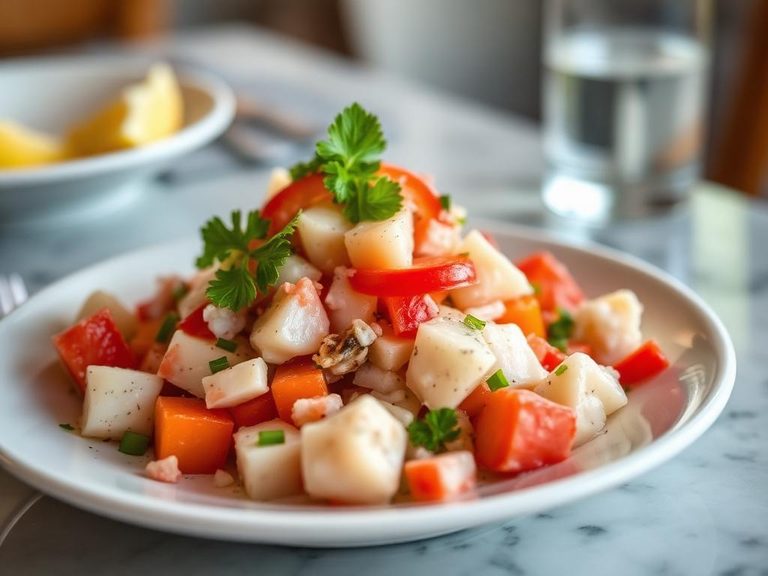
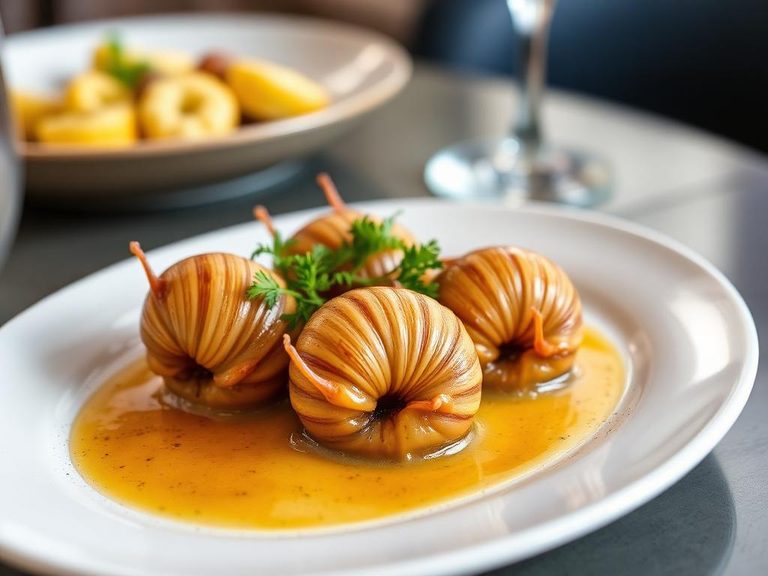
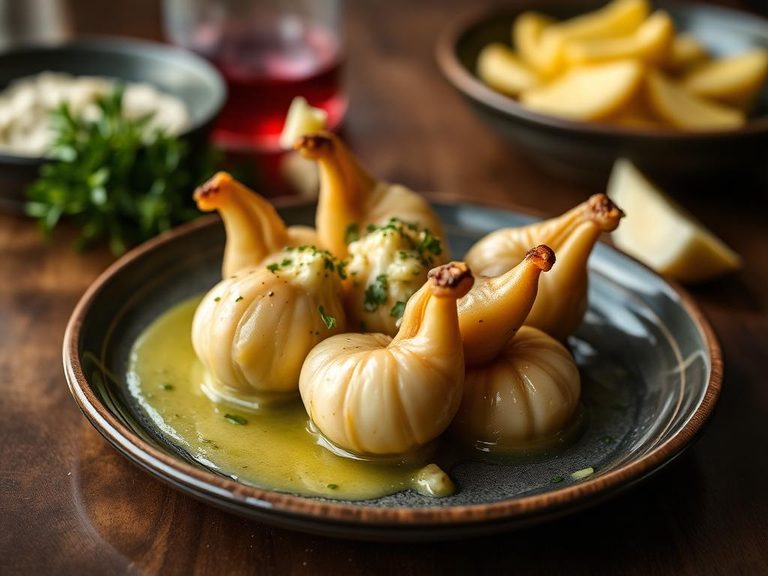
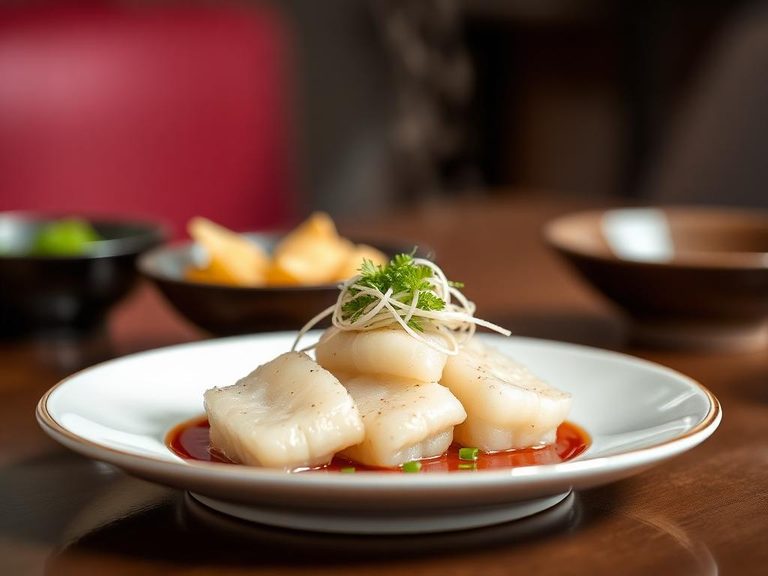
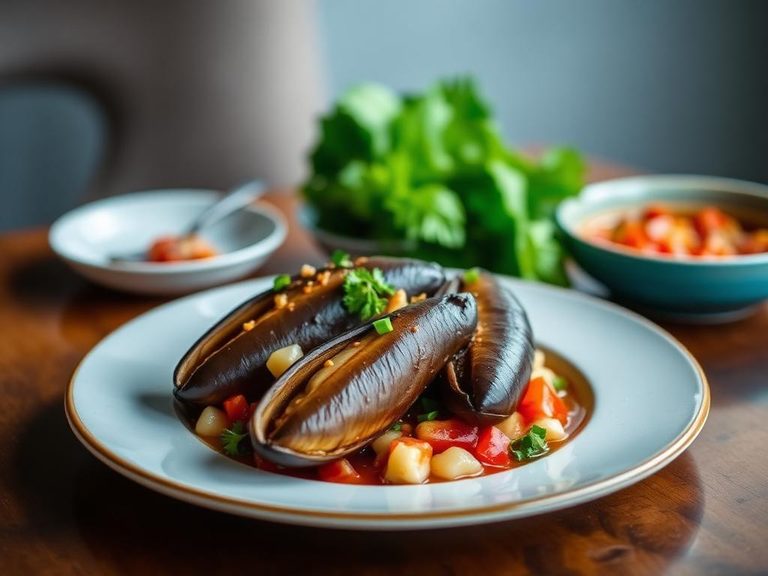
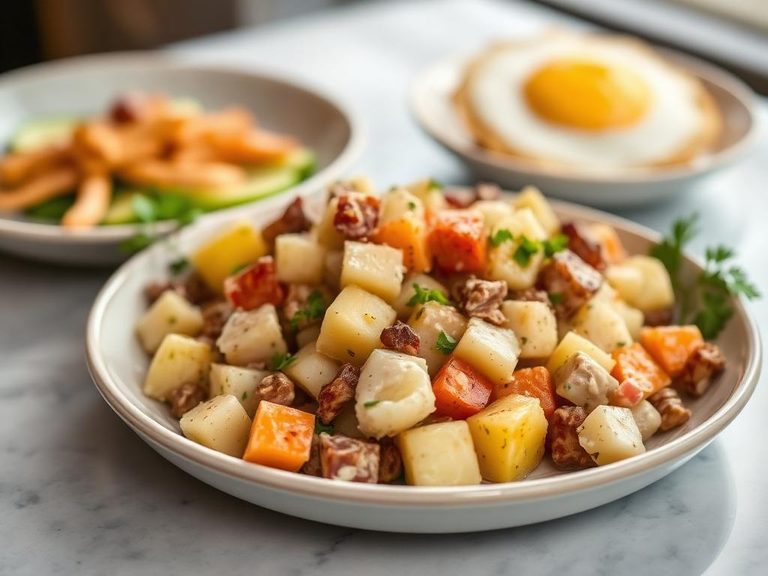
🍽️ Popular dishes
🌍 Where it's eaten
💡 Did you know?
Whelks have been eaten by humans for thousands of years; archaeological sites show their empty shells were sometimes used as tools, cups, or even as the first form of currency in some coastal regions.
Full nutrition (USDA data · scales with serving)
| Water | 66.0 g |
| Energy | 137 kcal |
| Energy | 573 kj |
| Protein | 23.8 g |
| Total lipid (fat) | 0.40 g |
| Ash | 2.0 g |
| Carbohydrate, by difference | 7.8 g |
| Fiber, total dietary | 0.00 g |
| Total Sugars | 0.00 g |
| Calcium, Ca | 57.0 mg |
| Iron, Fe | 5.0 mg |
| Magnesium, Mg | 86.0 mg |
| Phosphorus, P | 141 mg |
| Potassium, K | 347 mg |
| Sodium, Na | 206 mg |
| Zinc, Zn | 1.6 mg |
| Copper, Cu | 1.0 mg |
| Manganese, Mn | 0.45 mg |
| Selenium, Se | 44.8 ug |
| Vitamin C, total ascorbic acid | 4.0 mg |
| Thiamin | 0.03 mg |
| Riboflavin | 0.11 mg |
| Niacin | 1.1 mg |
| Pantothenic acid | 0.21 mg |
| Vitamin B-6 | 0.34 mg |
| Folate, total | 6.0 ug |
| Folic acid | 0.00 ug |
| Folate, food | 6.0 ug |
| Folate, DFE | 6.0 ug |
| Choline, total | 65.0 mg |
| Vitamin B-12 | 9.1 ug |
| Vitamin B-12, added | 0.00 ug |
| Vitamin A, RAE | 26.0 ug |
| Retinol | 26.0 ug |
| Carotene, beta | 0.00 ug |
| Carotene, alpha | 0.00 ug |
| Cryptoxanthin, beta | 0.00 ug |
| Vitamin A, IU | 87.0 iu |
| Lycopene | 0.00 ug |
| Lutein + zeaxanthin | 0.00 ug |
| Vitamin E (alpha-tocopherol) | 0.13 mg |
| Vitamin E, added | 0.00 mg |
| Vitamin D (D2 + D3), International Units | 0.00 iu |
| Vitamin D (D2 + D3) | 0.00 ug |
| Vitamin D3 (cholecalciferol) | 0.00 ug |
| Vitamin K (phylloquinone) | 0.10 ug |
| Alcohol, ethyl | 0.00 g |
| Caffeine | 0.00 mg |
| Theobromine | 0.00 mg |
Fat & fatty acid profile (per 100g)
| Fatty acids, total saturated | 0.03 g |
| SFA 4:0 | 0.00 g |
| SFA 6:0 | 0.00 g |
| SFA 8:0 | 0.00 g |
| SFA 10:0 | 0.00 g |
| SFA 12:0 | 0.00 g |
| SFA 14:0 | 0.00 g |
| SFA 16:0 | 0.02 g |
| SFA 18:0 | 0.01 g |
| Fatty acids, total monounsaturated | 0.03 g |
| MUFA 16:1 | 0.01 g |
| MUFA 18:1 | 0.01 g |
| MUFA 20:1 | 0.01 g |
| MUFA 22:1 | 0.01 g |
| Fatty acids, total polyunsaturated | 0.02 g |
| PUFA 18:2 | 0.00 g |
| PUFA 18:3 | 0.00 g |
| PUFA 18:4 | 0.00 g |
| PUFA 20:4 | 0.01 g |
| PUFA 20:5 n-3 (EPA) | 0.00 g |
| PUFA 22:5 n-3 (DPA) | 0.00 g |
| PUFA 22:6 n-3 (DHA) | 0.01 g |
| Cholesterol | 65.0 mg |
Amino acid profile (per 100g)
| Tryptophan | 0.31 g |
| Threonine | 1.1 g |
| Isoleucine | 0.83 g |
| Leucine | 1.9 g |
| Lysine | 1.5 g |
| Methionine | 0.60 g |
| Cystine | 0.19 g |
| Phenylalanine | 0.82 g |
| Tyrosine | 0.76 g |
| Valine | 1.0 g |
| Arginine | 2.5 g |
| Histidine | 0.49 g |
| Alanine | 1.6 g |
| Aspartic acid | 2.6 g |
| Glutamic acid | 3.7 g |
| Glycine | 1.5 g |
| Proline | 1.2 g |
| Serine | 1.1 g |
FAQ
How do you prepare fresh whelk?
Fresh whelk must be purged of sand, then blanched briefly to extract the meat from the shell. It is then typically simmered in a flavorful broth (with aromatics like onion, bay leaf, and peppercorns) until just tender, usually 20-30 minutes, before being sliced for use in recipes.
Is whelk the same as conch?
No, they are different species of large sea snails, but they are often used interchangeably in recipes due to similar texture and flavor. Conch is more common in Caribbean cuisine, while whelk is prevalent in European and Asian dishes.
Why is my cooked whelk rubbery?
Whelk becomes rubbery and tough when overcooked. The key is gentle, moist heat. Simmer it just until heated through if pre-cooked, or cook fresh whelk only until the meat is tender enough to pierce easily with a fork.
Nutrient density (calculated · NRF9.3)
Nutrient Rich Foods index: beneficial nutrients (protein, fiber, vitamins, minerals) minus saturated fat, added sugar & sodium, per 100 kcal.
NRF9.3 index — Fulgoni, Keast & Drewnowski, 2009. Computed from USDA nutrients.
Weight-loss friendliness (composite index)
Energy density 1.37 kcal/g · 70% calories from protein · 0.0 g fiber · 0.0 g sugar per 100 g.
Composite of energy density (Rolls et al., 1999), protein & fiber satiety, minus sugar. A calculated heuristic — ranks satiety-per-calorie, not a clinical measure.
Dietary load (calculated from USDA values)
Potential renal acid load. Positive = acid-forming, negative = alkaline-forming.
Sodium-to-potassium ratio: 0.59 (lower is better — aim for ≤ 1)
Sodium:potassium per WHO potassium guidance. Computed from USDA nutrients.