

Saki-ae
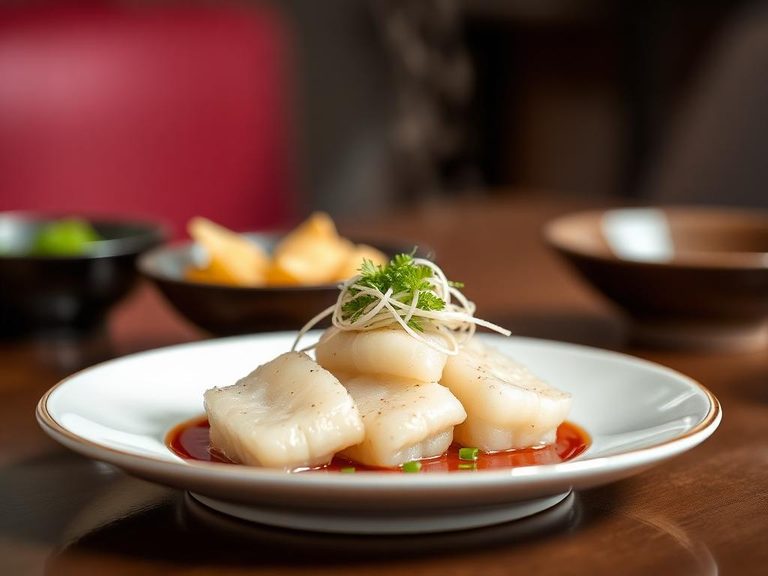
Saki-ae is a traditional Japanese dish featuring fresh fish (often sea bream or salmon) that is lightly 'cooked' or cured in a mixture of sake and soy sauce. It is a type of sashimi preparation where the alcohol in the sake gently denatures the proteins in the fish, giving it a unique texture and flavor. This dish is particularly associated with celebratory occasions and is a staple in Japanese cuisine, especially during the New Year.
🍽️ Nutrition at a glance
Saki-ae is a high-protein, low-carbohydrate dish, with minimal fat depending on the fish used. It is an excellent source of omega-3 fatty acids, vitamin D, and selenium, providing a lean and nutrient-dense meal option. A typical serving contains approximately 150-200 calories.
Nutrition breakdown
| Calories | 180 kcal |
| Protein | 25 g |
| Carbs | 2 g |
| Fat | 8 g |
| Fiber | 0 g |
| Sugar | 1 g |
| Sodium | 600 mg |
| Omega-3 Fatty Acids | 1.5 g |
| Vitamin D | 10 mcg |
| Selenium | 30 mcg |
| Vitamin B12 | 4 mcg |
| Niacin (B3) | 8 mg |
| Phosphorus | 250 mg |
| Potassium | 350 mg |
| Magnesium | 40 mg |
Per 1 serving (150 g) · estimated, varies by recipe
💡 What's interesting
Culturally, Saki-ae is often served during celebrations like New Year's (Oshogatsu) because the red skin of sea bream (tai) symbolizes good fortune and joy. Nutritionally, the sake marinade not only adds flavor but also contains amino acids that can enhance the umami taste of the fish.
AI estimate may be inaccurate · Terms