

Mollusks, oyster, eastern, canned
Whole food · Finfish and Shellfish Products

Photo: Wikipedia
Canned eastern oysters are the briny, tender essence of the Atlantic coast, preserved at their peak with a soft, slightly chewy texture and a distinct oceanic flavor. This low-calorie powerhouse delivers a significant protein punch (7g per 100g) while remaining remarkably light, making it a nutrient-dense choice for any meal. Its unique mineral profile, particularly rich in zinc and selenium, sets it apart from other seafood options.
Calorie split: 43% protein · 24% carbs · 34% fat
↓ Full nutrition💚 Why it's loved
People adore canned oysters for their intense, concentrated brininess and the convenience of having a luxurious ingredient ready to use. Their versatility allows them to be a star in everything from simple crackers to rich, savory stews.
⚠️ Watch-outs & how to enjoy it better
The strong, distinct flavor can be off-putting to those unfamiliar with it, and the texture may be too soft for some. Canned oysters are often high in sodium, so individuals monitoring their salt intake should consume them in moderation and pair them with low-sodium foods like fresh vegetables or unsalted grains.
Key benefits
- Excellent source of zinc, crucial for immune function and wound healing.
- High in protein with minimal calories, supporting muscle maintenance and satiety.
- Rich in selenium, an antioxidant that helps protect cells from damage.
- Provides a good amount of iron, essential for oxygen transport in the blood.
- Contains omega-3 fatty acids, which support heart and brain health.
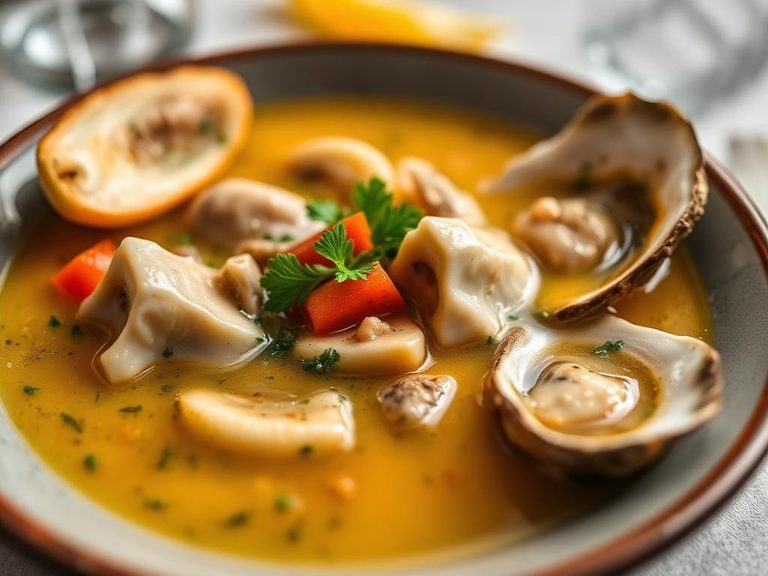
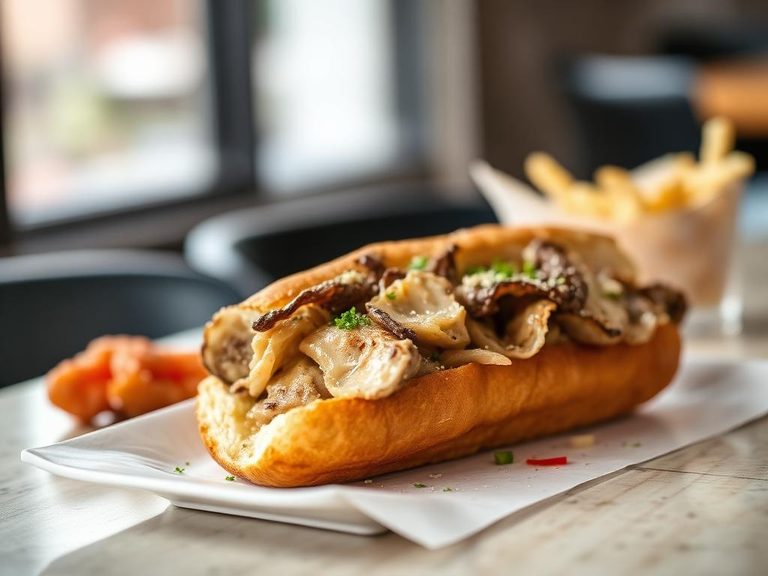
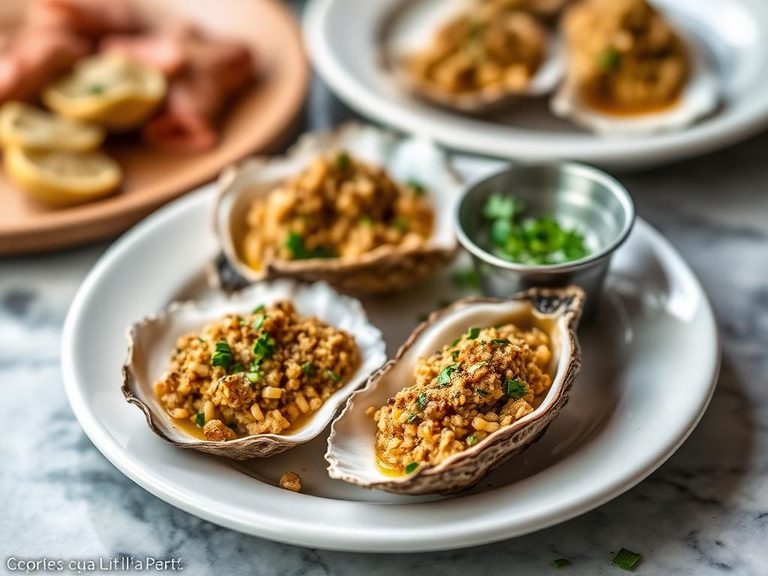
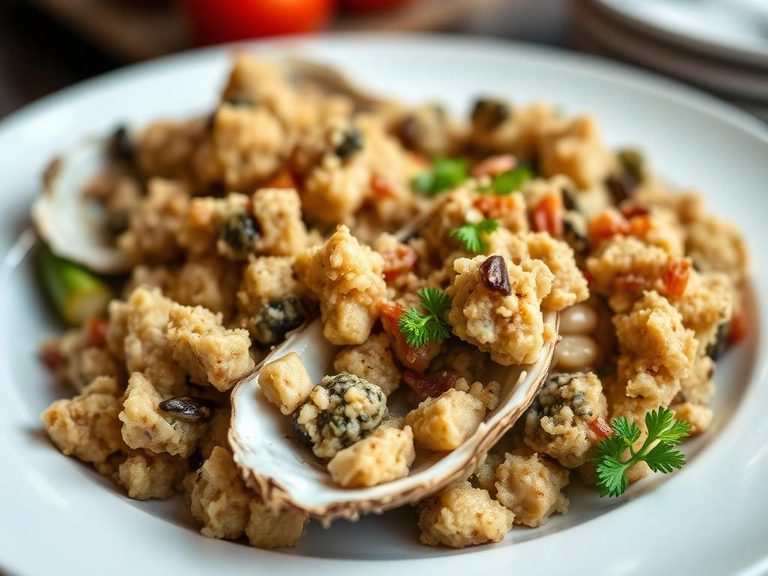
🍽️ Popular dishes

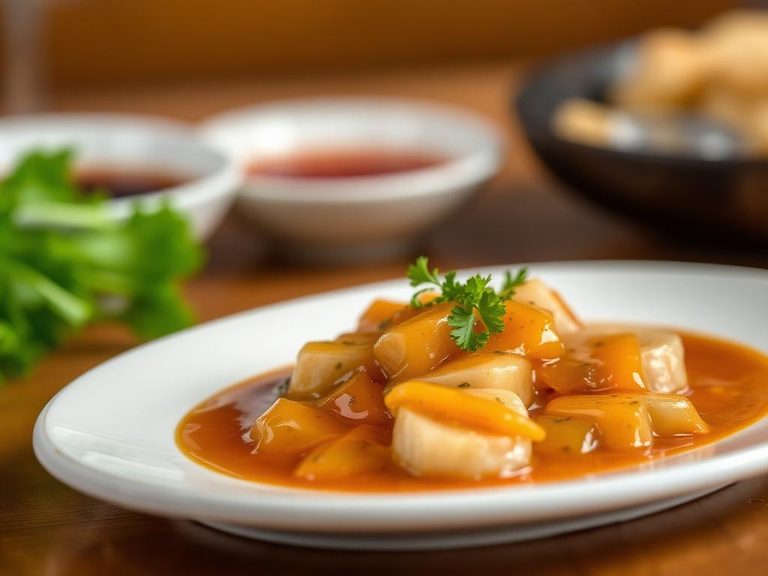
🌍 Where it's eaten
💡 Did you know?
Oysters can change their sex, typically starting life as males and later becoming females, and a single oyster can filter up to 50 gallons of water a day.
Full nutrition (USDA data · scales with serving)
| Water | 85.1 g |
| Energy | 68.0 kcal |
| Energy | 287 kj |
| Protein | 7.1 g |
| Total lipid (fat) | 2.5 g |
| Ash | 1.4 g |
| Carbohydrate, by difference | 3.9 g |
| Fiber, total dietary | 0.00 g |
| Total Sugars | 0.00 g |
| Calcium, Ca | 45.0 mg |
| Iron, Fe | 6.7 mg |
| Magnesium, Mg | 54.0 mg |
| Phosphorus, P | 139 mg |
| Potassium, K | 229 mg |
| Sodium, Na | 112 mg |
| Zinc, Zn | 91.0 mg |
| Copper, Cu | 4.5 mg |
| Manganese, Mn | 0.45 mg |
| Selenium, Se | 35.8 ug |
| Vitamin C, total ascorbic acid | 5.0 mg |
| Thiamin | 0.15 mg |
| Riboflavin | 0.17 mg |
| Niacin | 1.2 mg |
| Pantothenic acid | 0.18 mg |
| Vitamin B-6 | 0.10 mg |
| Folate, total | 9.0 ug |
| Folic acid | 0.00 ug |
| Folate, food | 9.0 ug |
| Folate, DFE | 9.0 ug |
| Choline, total | 81.0 mg |
| Vitamin B-12 | 19.1 ug |
| Vitamin B-12, added | 0.00 ug |
| Vitamin A, RAE | 90.0 ug |
| Retinol | 90.0 ug |
| Carotene, beta | 0.00 ug |
| Carotene, alpha | 0.00 ug |
| Cryptoxanthin, beta | 0.00 ug |
| Vitamin A, IU | 300 iu |
| Lycopene | 0.00 ug |
| Lutein + zeaxanthin | 0.00 ug |
| Vitamin E (alpha-tocopherol) | 0.85 mg |
| Vitamin E, added | 0.00 mg |
| Vitamin D (D2 + D3), International Units | 1.0 iu |
| Vitamin D (D2 + D3) | 0.00 ug |
| Vitamin D3 (cholecalciferol) | 0.00 ug |
| Vitamin K (phylloquinone) | 0.10 ug |
| Alcohol, ethyl | 0.00 g |
| Caffeine | 0.00 mg |
| Theobromine | 0.00 mg |
Fat & fatty acid profile (per 100g)
| Fatty acids, total saturated | 0.63 g |
| SFA 4:0 | 0.00 g |
| SFA 6:0 | 0.00 g |
| SFA 8:0 | 0.00 g |
| SFA 10:0 | 0.00 g |
| SFA 12:0 | 0.00 g |
| SFA 14:0 | 0.11 g |
| SFA 16:0 | 0.43 g |
| SFA 18:0 | 0.06 g |
| Fatty acids, total monounsaturated | 0.25 g |
| MUFA 16:1 | 0.07 g |
| MUFA 18:1 | 0.10 g |
| MUFA 20:1 | 0.06 g |
| MUFA 22:1 | 0.01 g |
| Fatty acids, total polyunsaturated | 0.74 g |
| PUFA 18:2 | 0.05 g |
| PUFA 18:3 | 0.04 g |
| PUFA 18:4 | 0.10 g |
| PUFA 20:4 | 0.07 g |
| PUFA 20:5 n-3 (EPA) | 0.21 g |
| PUFA 22:5 n-3 (DPA) | 0.05 g |
| PUFA 22:6 n-3 (DHA) | 0.23 g |
| Cholesterol | 55.0 mg |
Amino acid profile (per 100g)
| Tryptophan | 0.08 g |
| Threonine | 0.30 g |
| Isoleucine | 0.31 g |
| Leucine | 0.50 g |
| Lysine | 0.53 g |
| Methionine | 0.16 g |
| Cystine | 0.09 g |
| Phenylalanine | 0.25 g |
| Tyrosine | 0.23 g |
| Valine | 0.31 g |
| Arginine | 0.52 g |
| Histidine | 0.14 g |
| Alanine | 0.43 g |
| Aspartic acid | 0.68 g |
| Glutamic acid | 0.96 g |
| Glycine | 0.44 g |
| Proline | 0.29 g |
| Serine | 0.32 g |
FAQ
Are canned oysters as nutritious as fresh ones?
Yes, canned oysters retain most of their nutritional value, including protein, zinc, and selenium. The canning process may slightly alter the texture and flavor but does not significantly diminish their health benefits.
How should I store opened canned oysters?
Once opened, transfer any unused oysters to a covered container and refrigerate. They should be consumed within 2-3 days for best quality and safety.
Can I eat the liquid from the can?
The liquid, often called oyster liquor, is flavorful and nutritious. It can be used in cooking to add depth to soups, stews, or sauces, but be mindful of its sodium content.
Nutrient density (calculated · NRF9.3)
Nutrient Rich Foods index: beneficial nutrients (protein, fiber, vitamins, minerals) minus saturated fat, added sugar & sodium, per 100 kcal.
NRF9.3 index — Fulgoni, Keast & Drewnowski, 2009. Computed from USDA nutrients.
Weight-loss friendliness (composite index)
Energy density 0.68 kcal/g · 42% calories from protein · 0.0 g fiber · 0.0 g sugar per 100 g.
Composite of energy density (Rolls et al., 1999), protein & fiber satiety, minus sugar. A calculated heuristic — ranks satiety-per-calorie, not a clinical measure.
Dietary load (calculated from USDA values)
Potential renal acid load. Positive = acid-forming, negative = alkaline-forming.
Sodium-to-potassium ratio: 0.49 (lower is better — aim for ≤ 1)
Sodium:potassium per WHO potassium guidance. Computed from USDA nutrients.