

Margarine, regular, 80% fat, composite, stick, without salt
Whole food · Fats and Oils

Photo: Wikipedia
Margarine is a solid, spreadable fat made from vegetable oils, designed as a butter substitute. It has a smooth, creamy texture when softened and a neutral, slightly oily flavor that readily absorbs other tastes. Nutritionally, it is almost pure fat, providing a dense source of energy with minimal protein or carbohydrates.
Calorie split: 0% protein · 0% carbs · 100% fat
↓ Full nutrition💚 Why it's loved
People love margarine for its incredible versatility and mild flavor, which acts as a blank canvas in both savory cooking and sweet baking. It's a cultural staple for affordable meal preparation, from spreading on toast to creating flaky pastries.
⚠️ Watch-outs & how to enjoy it better
Some formulations contain trans fats, which are strongly linked to heart disease and should be avoided. It is also very high in omega-6 fatty acids, which can promote inflammation if not balanced with omega-3s. To counteract this, use it sparingly, choose trans-fat-free brands, and pair it with omega-3 rich foods like walnuts or fatty fish.
Key benefits
- Provides a plant-based, dairy-free alternative to butter
- Contains no cholesterol, unlike animal-derived butter
- Often fortified with vitamins A and D
- Offers a cost-effective fat source for cooking and baking
- Longer shelf life than butter when stored properly
🍽️ Popular dishes
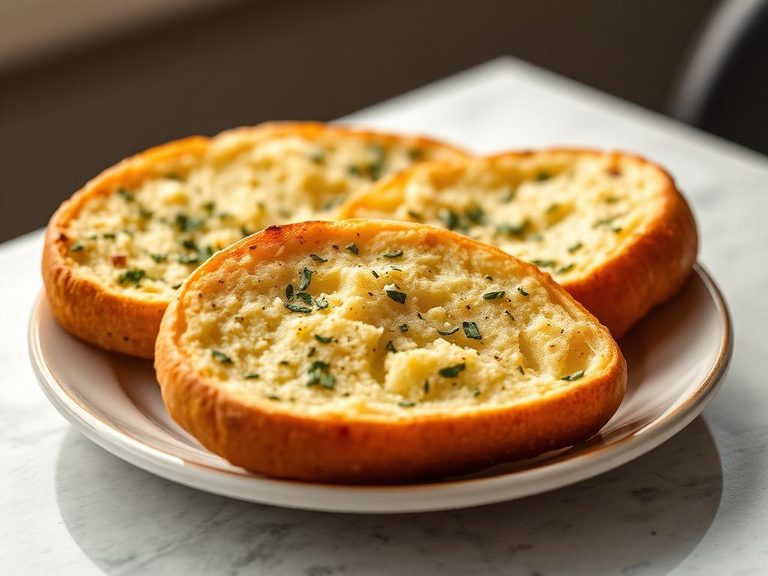
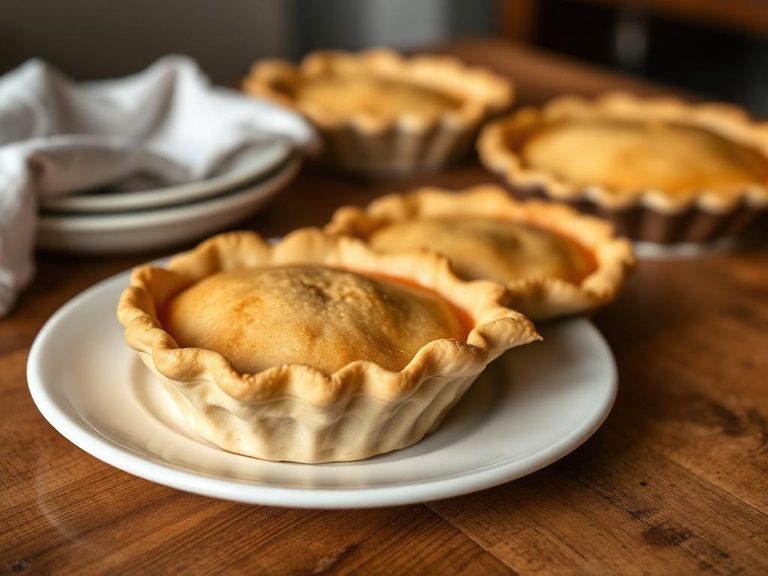
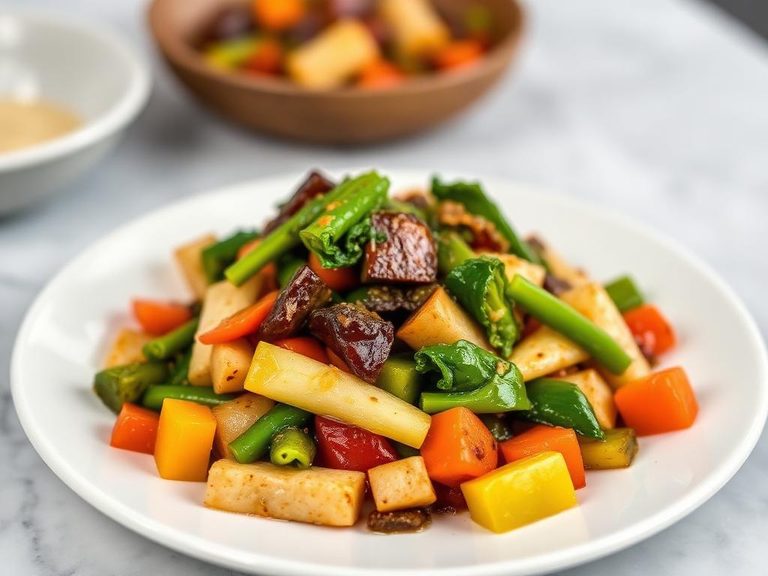
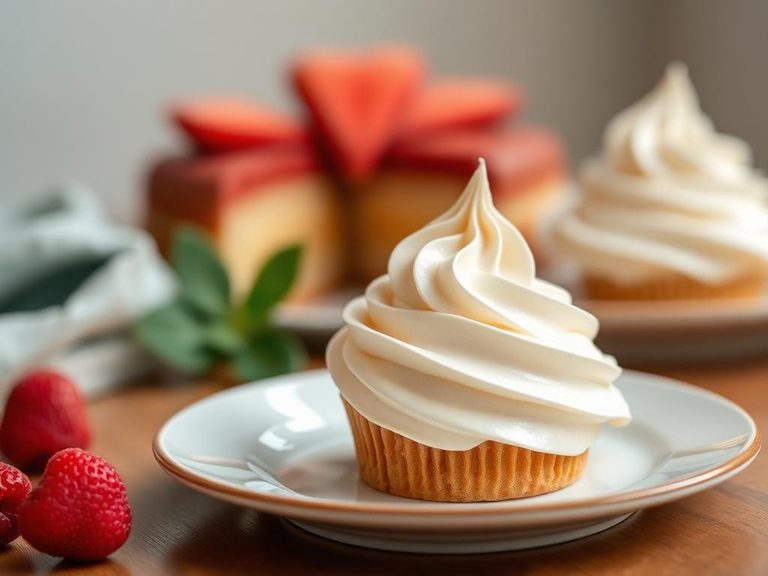
🌍 Where it's eaten
💡 Did you know?
Margarine was invented in the 1860s in response to a challenge from Napoleon III to create a butter substitute for his army and the working class, and its name comes from the Greek word 'margarites' meaning 'pearl,' for its pearly appearance.
Full nutrition (USDA data · scales with serving)
| Water | 16.5 g |
| Energy | 717 kcal |
| Energy | 2999 kj |
| Protein | 0.16 g |
| Total lipid (fat) | 80.7 g |
| Ash | 1.9 g |
| Carbohydrate, by difference | 0.70 g |
| Fiber, total dietary | 0.00 g |
| Total Sugars | 0.00 g |
| Calcium, Ca | 3.0 mg |
| Iron, Fe | 0.06 mg |
| Magnesium, Mg | 3.0 mg |
| Phosphorus, P | 5.0 mg |
| Potassium, K | 18.0 mg |
| Sodium, Na | 2.0 mg |
| Zinc, Zn | 0.00 mg |
| Copper, Cu | 0.00 mg |
| Selenium, Se | 0.00 ug |
| Vitamin C, total ascorbic acid | 0.20 mg |
| Thiamin | 0.01 mg |
| Riboflavin | 0.04 mg |
| Niacin | 0.02 mg |
| Vitamin B-6 | 0.01 mg |
| Folate, total | 1.0 ug |
| Folic acid | 0.00 ug |
| Folate, food | 1.0 ug |
| Folate, DFE | 1.0 ug |
| Choline, total | 12.4 mg |
| Vitamin B-12 | 0.10 ug |
| Vitamin B-12, added | 0.00 ug |
| Vitamin A, RAE | 819 ug |
| Retinol | 768 ug |
| Carotene, beta | 610 ug |
| Carotene, alpha | 0.00 ug |
| Cryptoxanthin, beta | 0.00 ug |
| Vitamin A, IU | 3577 iu |
| Lycopene | 0.00 ug |
| Lutein + zeaxanthin | 0.00 ug |
| Vitamin E (alpha-tocopherol) | 9.0 mg |
| Vitamin E, added | 0.00 mg |
| Vitamin D (D2 + D3), International Units | 0.00 iu |
| Vitamin D (D2 + D3) | 0.00 ug |
| Vitamin K (phylloquinone) | 93.0 ug |
| Alcohol, ethyl | 0.00 g |
| Caffeine | 0.00 mg |
| Theobromine | 0.00 mg |
Fat & fatty acid profile (per 100g)
| Fatty acids, total saturated | 15.2 g |
| SFA 4:0 | 0.00 g |
| SFA 6:0 | 0.00 g |
| SFA 8:0 | 0.00 g |
| SFA 10:0 | 0.00 g |
| SFA 12:0 | 0.00 g |
| SFA 14:0 | 0.05 g |
| SFA 16:0 | 8.4 g |
| SFA 18:0 | 6.2 g |
| Fatty acids, total monounsaturated | 38.9 g |
| MUFA 16:1 | 0.04 g |
| MUFA 16:1 c | 0.04 g |
| MUFA 18:1 | 38.7 g |
| MUFA 18:1 c | 24.5 g |
| MUFA 20:1 | 0.13 g |
| MUFA 22:1 | 0.00 g |
| Fatty acids, total polyunsaturated | 24.3 g |
| PUFA 18:2 | 22.3 g |
| PUFA 18:2 n-6 c,c | 21.5 g |
| PUFA 18:3 | 2.0 g |
| PUFA 18:4 | 0.00 g |
| PUFA 20:4 | 0.00 g |
| PUFA 20:5 n-3 (EPA) | 0.00 g |
| PUFA 22:5 n-3 (DPA) | 0.01 g |
| PUFA 22:6 n-3 (DHA) | 0.00 g |
| Fatty acids, total trans | 14.9 g |
| TFA 16:1 t | 0.00 g |
| TFA 18:1 t | 14.2 g |
| Cholesterol | 0.00 mg |
Amino acid profile (per 100g)
Estimated from Margarine, regular, hard, soybean (hydrogenated) — USDA does not publish this profile for Margarine.
| Tryptophan | 0.01 g |
| Threonine | 0.04 g |
| Isoleucine | 0.05 g |
| Leucine | 0.08 g |
| Lysine | 0.07 g |
| Methionine | 0.02 g |
| Cystine | 0.01 g |
| Phenylalanine | 0.04 g |
| Tyrosine | 0.04 g |
| Valine | 0.06 g |
| Arginine | 0.03 g |
| Histidine | 0.02 g |
| Alanine | 0.03 g |
| Aspartic acid | 0.07 g |
| Glutamic acid | 0.18 g |
| Glycine | 0.02 g |
| Proline | 0.08 g |
| Serine | 0.05 g |
FAQ
What's the difference between margarine and butter?
Butter is made from animal milk fat and contains cholesterol, while margarine is made from hydrogenated vegetable oils and is cholesterol-free. Their flavors and melting points also differ, affecting their performance in recipes.
Is margarine still high in trans fats?
Most modern margarines have been reformulated to have little or no trans fats due to health regulations and consumer demand. Always check the nutrition label for '0g trans fat' and avoid partially hydrogenated oils in the ingredients list.
Can I use margarine for all baking?
Margarine works well in many recipes, especially those where a neutral flavor is desired. However, its higher water content compared to butter can affect the texture of some baked goods, like cookies, making them spread more.
Nutrient density (calculated · NRF9.3)
Nutrient Rich Foods index: beneficial nutrients (protein, fiber, vitamins, minerals) minus saturated fat, added sugar & sodium, per 100 kcal.
NRF9.3 index — Fulgoni, Keast & Drewnowski, 2009. Computed from USDA nutrients.
Weight-loss friendliness (composite index)
Energy density 7.17 kcal/g · 0% calories from protein · 0.0 g fiber · 0.0 g sugar per 100 g.
Composite of energy density (Rolls et al., 1999), protein & fiber satiety, minus sugar. A calculated heuristic — ranks satiety-per-calorie, not a clinical measure.
Dietary load (calculated from USDA values)
Potential renal acid load. Positive = acid-forming, negative = alkaline-forming.
Sodium-to-potassium ratio: 0.11 (lower is better — aim for ≤ 1)
Sodium:potassium per WHO potassium guidance. Computed from USDA nutrients.