

Fish, sturgeon, mixed species, cooked, dry heat
Whole food · Finfish and Shellfish Products
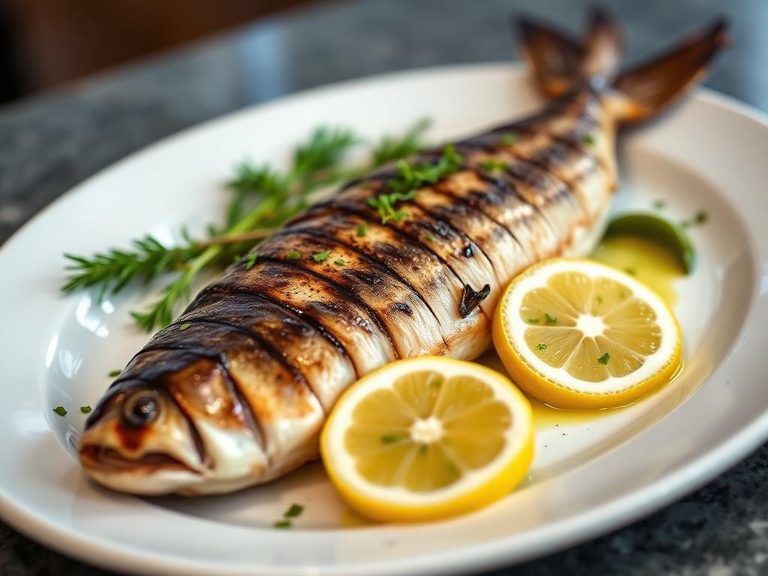
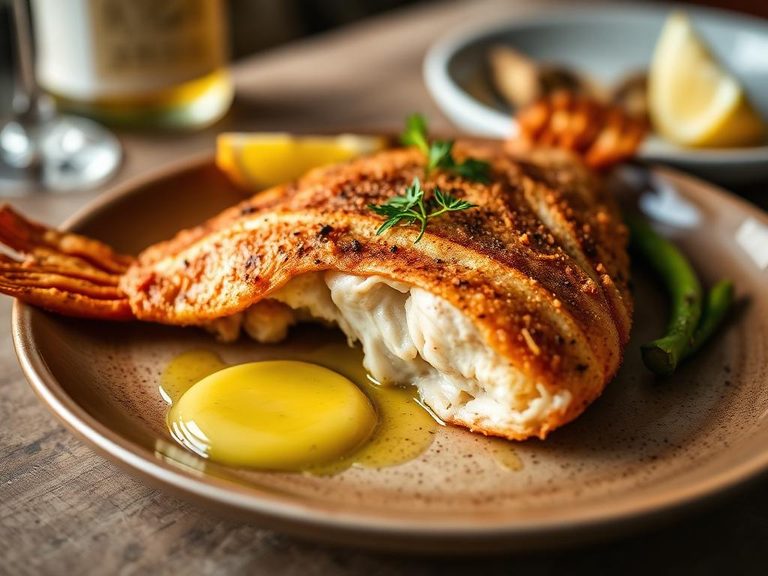
Sturgeon, cooked with dry heat, offers a firm, meaty texture with a clean, mild flavor that's often compared to a cross between chicken and halibut. Its snow-white flesh is prized for its dense, flaky quality, making it a luxurious yet approachable fish for grilling or roasting. Nutritionally, it's a powerhouse of lean protein with virtually no carbohydrates or sugar, supporting muscle maintenance without excess calories.
Calorie split: 64% protein · 0% carbs · 36% fat
↓ Full nutrition💚 Why it's loved
People love sturgeon for its unique, meaty texture that holds up beautifully to grilling or pan-searing, delivering a satisfying, steak-like bite. It's also celebrated in culinary traditions from the Caspian Sea to North America, often associated with gourmet dining due to its connection to caviar.
⚠️ Watch-outs & how to enjoy it better
Some may find sturgeon's flavor too mild or its texture too dense if overcooked, leading to a dry, chewy result. To counteract this, use a meat thermometer to avoid overcooking, and pair it with a flavorful sauce or marinade like lemon-herb or garlic butter to enhance moisture and taste.
Key benefits
- High-quality lean protein (20.7g per 100g) supports muscle repair and satiety.
- Very low in calories (135 kcal per 100g), ideal for weight management.
- Zero carbohydrates and sugar, making it suitable for low-carb or keto diets.
- Rich in essential minerals like selenium and phosphorus for immune and bone health.
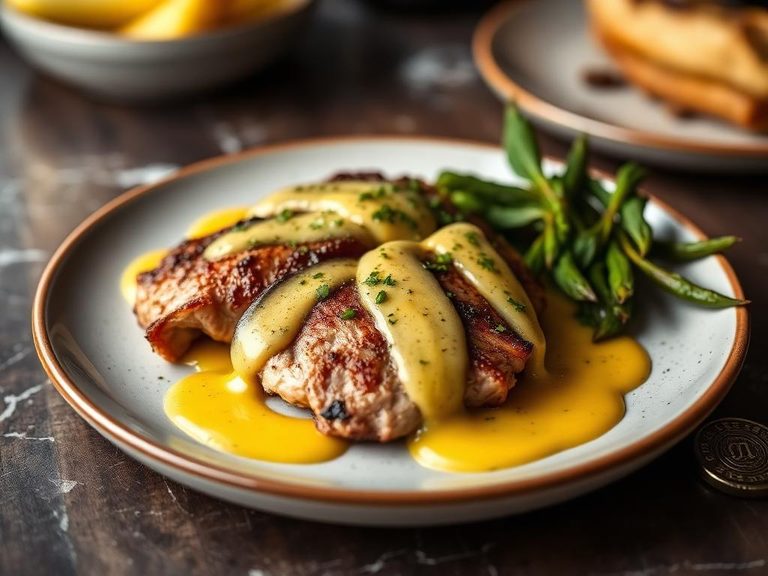
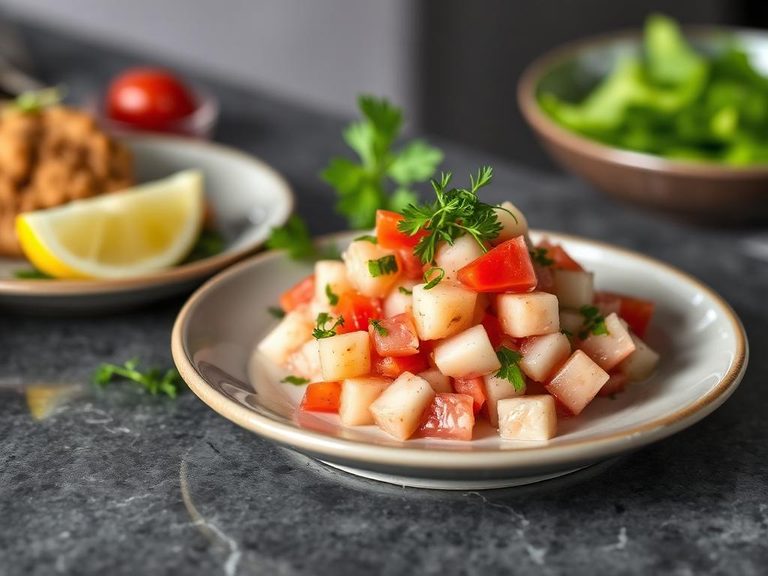
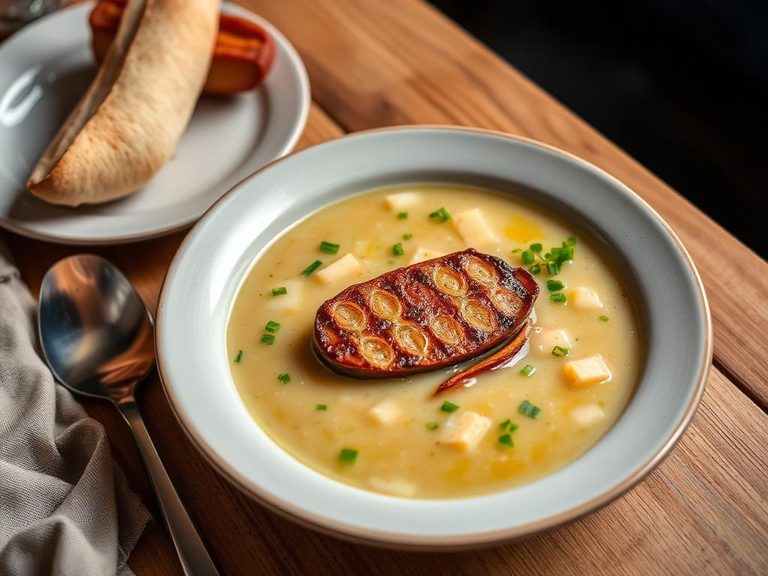
🍽️ Popular dishes
🌍 Where it's eaten
💡 Did you know?
Sturgeon is one of the oldest fish species on Earth, with fossils dating back over 200 million years, and some individuals can live for more than 100 years.
Full nutrition (USDA data · scales with serving)
| Water | 69.9 g |
| Energy | 135 kcal |
| Energy | 565 kj |
| Protein | 20.7 g |
| Total lipid (fat) | 5.2 g |
| Ash | 1.4 g |
| Carbohydrate, by difference | 0.00 g |
| Fiber, total dietary | 0.00 g |
| Total Sugars | 0.00 g |
| Calcium, Ca | 17.0 mg |
| Iron, Fe | 0.90 mg |
| Magnesium, Mg | 45.0 mg |
| Phosphorus, P | 271 mg |
| Potassium, K | 364 mg |
| Sodium, Na | 69.0 mg |
| Zinc, Zn | 0.54 mg |
| Copper, Cu | 0.05 mg |
| Manganese, Mn | 0.03 mg |
| Selenium, Se | 16.2 ug |
| Vitamin C, total ascorbic acid | 0.00 mg |
| Thiamin | 0.08 mg |
| Riboflavin | 0.09 mg |
| Niacin | 10.1 mg |
| Pantothenic acid | 0.87 mg |
| Vitamin B-6 | 0.23 mg |
| Folate, total | 17.0 ug |
| Folic acid | 0.00 ug |
| Folate, food | 17.0 ug |
| Folate, DFE | 17.0 ug |
| Choline, total | 70.0 mg |
| Vitamin B-12 | 2.5 ug |
| Vitamin B-12, added | 0.00 ug |
| Vitamin A, RAE | 263 ug |
| Retinol | 263 ug |
| Carotene, beta | 0.00 ug |
| Carotene, alpha | 0.00 ug |
| Cryptoxanthin, beta | 0.00 ug |
| Vitamin A, IU | 875 iu |
| Lycopene | 0.00 ug |
| Lutein + zeaxanthin | 0.00 ug |
| Vitamin E (alpha-tocopherol) | 0.63 mg |
| Vitamin E, added | 0.00 mg |
| Vitamin D (D2 + D3), International Units | 515 iu |
| Vitamin D (D2 + D3) | 12.9 ug |
| Vitamin D3 (cholecalciferol) | 12.9 ug |
| Vitamin K (phylloquinone) | 0.10 ug |
| Alcohol, ethyl | 0.00 g |
| Caffeine | 0.00 mg |
| Theobromine | 0.00 mg |
Fat & fatty acid profile (per 100g)
| Fatty acids, total saturated | 1.2 g |
| SFA 4:0 | 0.00 g |
| SFA 6:0 | 0.00 g |
| SFA 8:0 | 0.00 g |
| SFA 10:0 | 0.00 g |
| SFA 12:0 | 0.00 g |
| SFA 14:0 | 0.20 g |
| SFA 16:0 | 0.88 g |
| SFA 18:0 | 0.10 g |
| Fatty acids, total monounsaturated | 2.5 g |
| MUFA 16:1 | 0.52 g |
| MUFA 18:1 | 1.8 g |
| MUFA 20:1 | 0.07 g |
| MUFA 22:1 | 0.03 g |
| Fatty acids, total polyunsaturated | 0.89 g |
| PUFA 18:2 | 0.09 g |
| PUFA 18:3 | 0.13 g |
| PUFA 18:4 | 0.16 g |
| PUFA 20:4 | 0.08 g |
| PUFA 20:5 n-3 (EPA) | 0.25 g |
| PUFA 22:5 n-3 (DPA) | 0.06 g |
| PUFA 22:6 n-3 (DHA) | 0.12 g |
| Cholesterol | 77.0 mg |
Amino acid profile (per 100g)
| Tryptophan | 0.23 g |
| Threonine | 0.91 g |
| Isoleucine | 0.95 g |
| Leucine | 1.7 g |
| Lysine | 1.9 g |
| Methionine | 0.61 g |
| Cystine | 0.22 g |
| Phenylalanine | 0.81 g |
| Tyrosine | 0.70 g |
| Valine | 1.1 g |
| Arginine | 1.2 g |
| Histidine | 0.61 g |
| Alanine | 1.3 g |
| Aspartic acid | 2.1 g |
| Glutamic acid | 3.1 g |
| Glycine | 0.99 g |
| Proline | 0.73 g |
| Serine | 0.84 g |
FAQ
Is sturgeon high in mercury?
Sturgeon can contain moderate levels of mercury, so it's advisable to limit consumption, especially for pregnant women and children, and choose smaller, younger fish when possible.
How do I cook sturgeon to keep it moist?
Use dry-heat methods like grilling or pan-searing, but avoid overcooking; aim for an internal temperature of 145°F (63°C) and consider marinating or basting with oil or butter.
What does sturgeon taste like?
Sturgeon has a mild, sweet flavor with a firm, meaty texture, often compared to a blend of chicken and halibut, making it versatile for various seasonings and preparations.
Nutrient density (calculated · NRF9.3)
Nutrient Rich Foods index: beneficial nutrients (protein, fiber, vitamins, minerals) minus saturated fat, added sugar & sodium, per 100 kcal.
NRF9.3 index — Fulgoni, Keast & Drewnowski, 2009. Computed from USDA nutrients.
Weight-loss friendliness (composite index)
Energy density 1.35 kcal/g · 61% calories from protein · 0.0 g fiber · 0.0 g sugar per 100 g.
Composite of energy density (Rolls et al., 1999), protein & fiber satiety, minus sugar. A calculated heuristic — ranks satiety-per-calorie, not a clinical measure.
Dietary load (calculated from USDA values)
Potential renal acid load. Positive = acid-forming, negative = alkaline-forming.
Sodium-to-potassium ratio: 0.19 (lower is better — aim for ≤ 1)
Sodium:potassium per WHO potassium guidance. Computed from USDA nutrients.