

Fish, shark, mixed species, raw
Whole food · Finfish and Shellfish Products

Photo: Wikipedia
Shark meat, often sold as 'flake' or 'rock salmon,' is a lean, dense protein with a firm, meaty texture that holds up well to grilling or frying. Its flavor is mild and slightly sweet, similar to swordfish or sturgeon, but with a distinct oceanic depth. Nutritionally, it's a powerhouse of protein with virtually no fat or carbohydrates.
Calorie split: 67% protein · 0% carbs · 33% fat
↓ Full nutrition💚 Why it's loved
People love shark for its substantial, steak-like texture that doesn't flake apart, making it ideal for grilling, blackening, or using in fish and chips. Its mild flavor is a blank canvas that absorbs marinades and spices beautifully.
⚠️ Watch-outs & how to enjoy it better
Shark is a top-of-the-food-chain predator, so it can bioaccumulate mercury; pregnant women and young children should limit consumption. Its flesh can be tough if overcooked. To counteract, choose smaller shark species, limit portions, and cook quickly with high heat (grilling, searing) to retain moisture.
Key benefits
- Extremely high in complete protein (21g per 100g).
- Very low in fat and contains zero carbohydrates or sugar.
- A good source of essential minerals like selenium and phosphorus.
- Provides B vitamins, particularly niacin (B3) and B12.
🍽️ Popular dishes
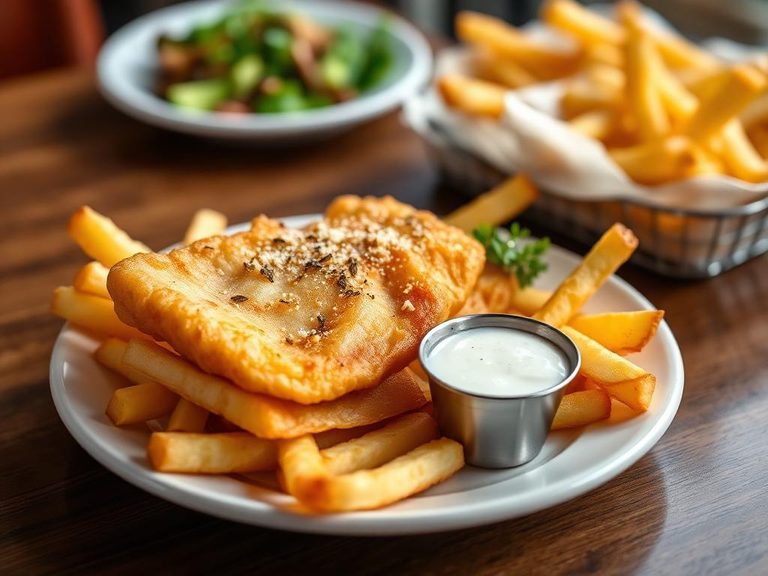
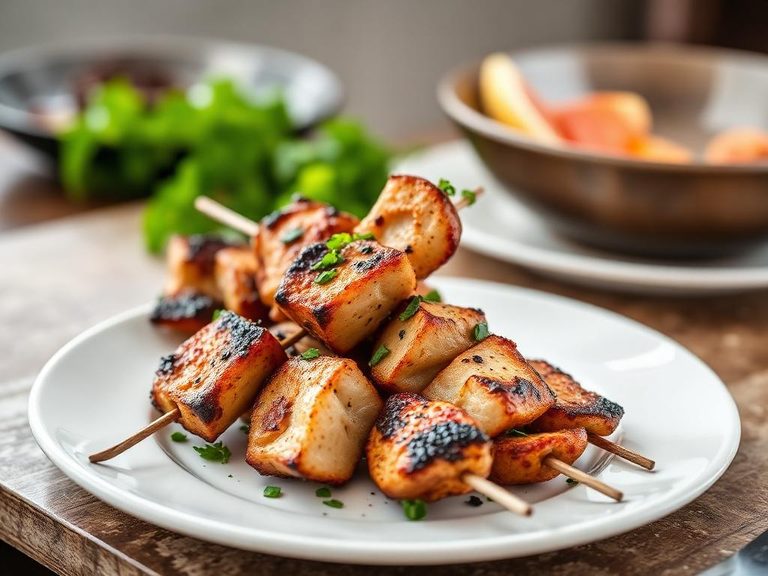
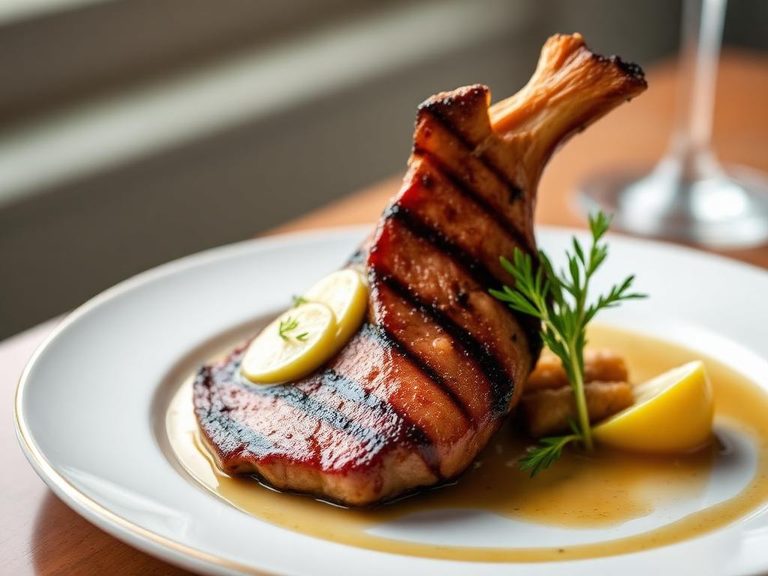
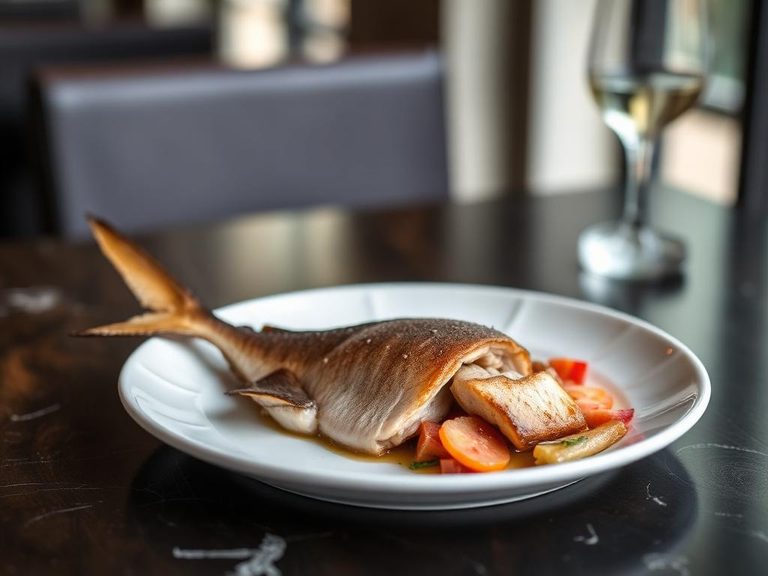
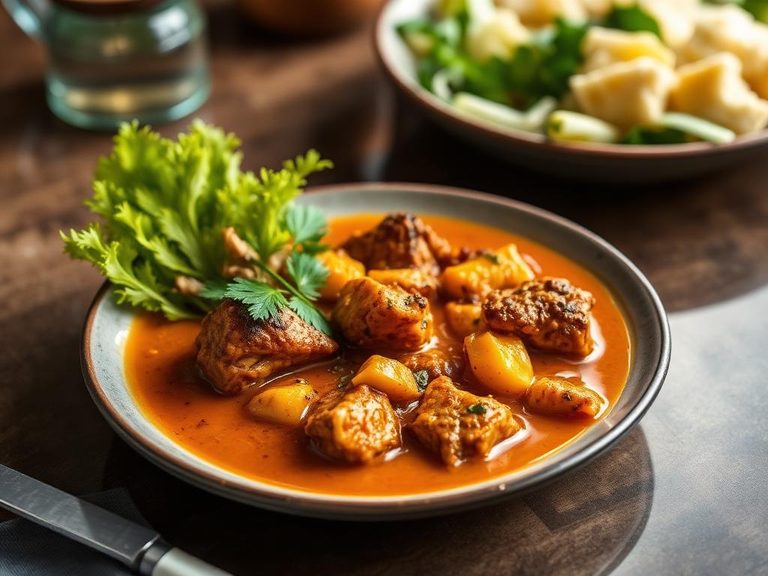
🌍 Where it's eaten
💡 Did you know?
In the UK, 'rock salmon' is a common menu term for shark, a practice that began in the 19th century to make the fish sound more appealing to Victorian diners.
Full nutrition (USDA data · scales with serving)
| Water | 73.6 g |
| Energy | 130 kcal |
| Energy | 544 kj |
| Protein | 21.0 g |
| Total lipid (fat) | 4.5 g |
| Ash | 1.4 g |
| Carbohydrate, by difference | 0.00 g |
| Fiber, total dietary | 0.00 g |
| Total Sugars | 0.00 g |
| Calcium, Ca | 34.0 mg |
| Iron, Fe | 0.84 mg |
| Magnesium, Mg | 49.0 mg |
| Phosphorus, P | 210 mg |
| Potassium, K | 160 mg |
| Sodium, Na | 79.0 mg |
| Zinc, Zn | 0.43 mg |
| Copper, Cu | 0.03 mg |
| Manganese, Mn | 0.01 mg |
| Selenium, Se | 36.5 ug |
| Vitamin C, total ascorbic acid | 0.00 mg |
| Thiamin | 0.04 mg |
| Riboflavin | 0.06 mg |
| Niacin | 2.9 mg |
| Pantothenic acid | 0.69 mg |
| Vitamin B-6 | 0.40 mg |
| Folate, total | 3.0 ug |
| Folic acid | 0.00 ug |
| Folate, food | 3.0 ug |
| Folate, DFE | 3.0 ug |
| Choline, total | 65.0 mg |
| Vitamin B-12 | 1.5 ug |
| Vitamin B-12, added | 0.00 ug |
| Vitamin A, RAE | 70.0 ug |
| Retinol | 70.0 ug |
| Carotene, beta | 0.00 ug |
| Carotene, alpha | 0.00 ug |
| Cryptoxanthin, beta | 0.00 ug |
| Vitamin A, IU | 233 iu |
| Lycopene | 0.00 ug |
| Lutein + zeaxanthin | 0.00 ug |
| Vitamin E (alpha-tocopherol) | 1.0 mg |
| Vitamin E, added | 0.00 mg |
| Vitamin D (D2 + D3), International Units | 24.0 iu |
| Vitamin D (D2 + D3) | 0.60 ug |
| Vitamin D3 (cholecalciferol) | 0.60 ug |
| Vitamin K (phylloquinone) | 0.10 ug |
| Alcohol, ethyl | 0.00 g |
| Caffeine | 0.00 mg |
| Theobromine | 0.00 mg |
Fat & fatty acid profile (per 100g)
| Fatty acids, total saturated | 0.93 g |
| SFA 4:0 | 0.00 g |
| SFA 6:0 | 0.00 g |
| SFA 8:0 | 0.00 g |
| SFA 10:0 | 0.00 g |
| SFA 12:0 | 0.00 g |
| SFA 14:0 | 0.08 g |
| SFA 16:0 | 0.73 g |
| SFA 18:0 | 0.12 g |
| Fatty acids, total monounsaturated | 1.8 g |
| MUFA 16:1 | 0.25 g |
| MUFA 18:1 | 0.98 g |
| MUFA 20:1 | 0.27 g |
| MUFA 22:1 | 0.31 g |
| Fatty acids, total polyunsaturated | 1.2 g |
| PUFA 18:2 | 0.08 g |
| PUFA 18:3 | 0.03 g |
| PUFA 18:4 | 0.03 g |
| PUFA 20:4 | 0.11 g |
| PUFA 20:5 n-3 (EPA) | 0.32 g |
| PUFA 22:5 n-3 (DPA) | 0.11 g |
| PUFA 22:6 n-3 (DHA) | 0.53 g |
| Cholesterol | 51.0 mg |
Amino acid profile (per 100g)
| Tryptophan | 0.23 g |
| Threonine | 0.92 g |
| Isoleucine | 0.97 g |
| Leucine | 1.7 g |
| Lysine | 1.9 g |
| Methionine | 0.62 g |
| Cystine | 0.23 g |
| Phenylalanine | 0.82 g |
| Tyrosine | 0.71 g |
| Valine | 1.1 g |
| Arginine | 1.3 g |
| Histidine | 0.62 g |
| Alanine | 1.3 g |
| Aspartic acid | 2.1 g |
| Glutamic acid | 3.1 g |
| Glycine | 1.0 g |
| Proline | 0.74 g |
| Serine | 0.86 g |
FAQ
Is shark meat the same as dogfish or flake?
Yes, 'flake' and 'rock salmon' are common culinary names for meat from smaller shark species, particularly dogfish. It's the same type of fish.
Why is shark meat sometimes pink or red?
Some species have a higher myoglobin content in their muscle tissue, giving the raw meat a pinkish hue that turns white or opaque when cooked, similar to tuna.
How do I prevent shark from becoming rubbery?
Avoid overcooking at all costs. Shark is best cooked to medium (about 145°F/63°C) and benefits from a quick, high-heat method like searing or grilling. Marinating can also help tenderize it.
Nutrient density (calculated · NRF9.3)
Nutrient Rich Foods index: beneficial nutrients (protein, fiber, vitamins, minerals) minus saturated fat, added sugar & sodium, per 100 kcal.
NRF9.3 index — Fulgoni, Keast & Drewnowski, 2009. Computed from USDA nutrients.
Weight-loss friendliness (composite index)
Energy density 1.30 kcal/g · 65% calories from protein · 0.0 g fiber · 0.0 g sugar per 100 g.
Composite of energy density (Rolls et al., 1999), protein & fiber satiety, minus sugar. A calculated heuristic — ranks satiety-per-calorie, not a clinical measure.
Dietary load (calculated from USDA values)
Potential renal acid load. Positive = acid-forming, negative = alkaline-forming.
Sodium-to-potassium ratio: 0.49 (lower is better — aim for ≤ 1)
Sodium:potassium per WHO potassium guidance. Computed from USDA nutrients.