

Fish, shad, american, raw
Whole food · Finfish and Shellfish Products

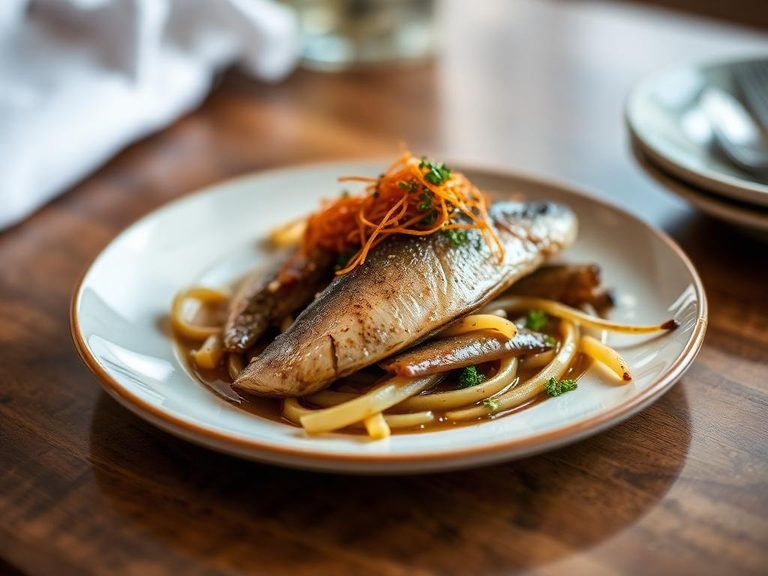
Photo: Wikipedia
American shad is a rich, oily anadromous fish prized for its succulent, buttery flesh and delicate, slightly sweet flavor. Its texture is tender and flaky, with a distinctive high fat content that makes it exceptionally moist when cooked. Nutritionally, it stands out as a powerhouse of protein and heart-healthy omega-3 fatty acids.
Calorie split: 35% protein · 0% carbs · 65% fat
↓ Full nutrition💚 Why it's loved
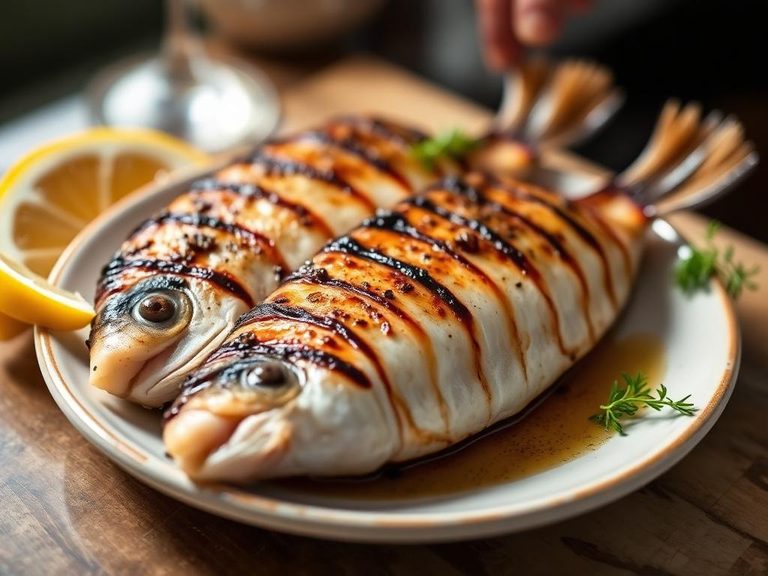
People cherish shad for its rich, buttery flavor and melt-in-your-mouth texture, especially when grilled or broiled. It holds a special place in American culinary tradition, particularly along the East Coast, where its seasonal run is celebrated with festivals and iconic dishes.
⚠️ Watch-outs & how to enjoy it better
Shad is a bony fish with numerous small, Y-shaped pin bones that can be challenging to eat, requiring careful filleting or deboning. Its high fat content, while nutritious, makes it perishable quickly; it should be cooked fresh and consumed promptly. Those watching their intake of purines should be aware that shad is a high-purine fish, which can be a concern for individuals with gout.
Key benefits
- Excellent source of high-quality protein for muscle maintenance
- Rich in omega-3 fatty acids (EPA and DHA) for heart and brain health
- Provides essential vitamins like B12 and niacin
- Contains important minerals such as selenium and phosphorus
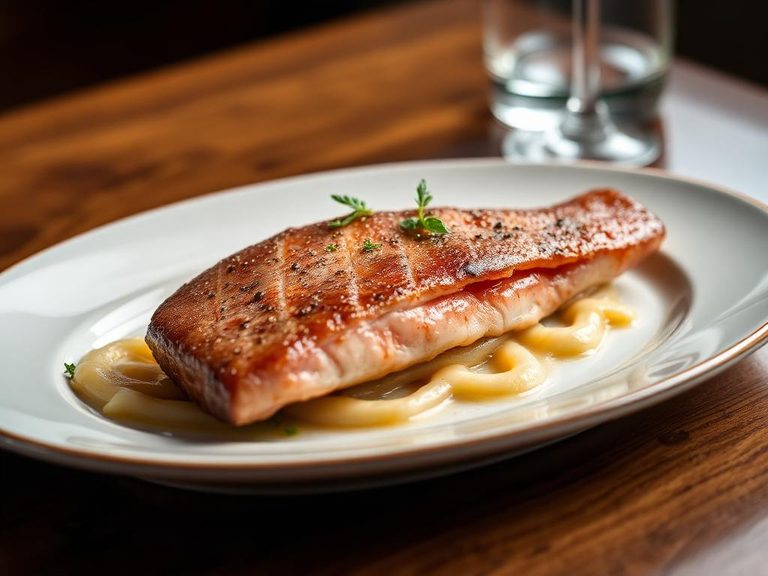
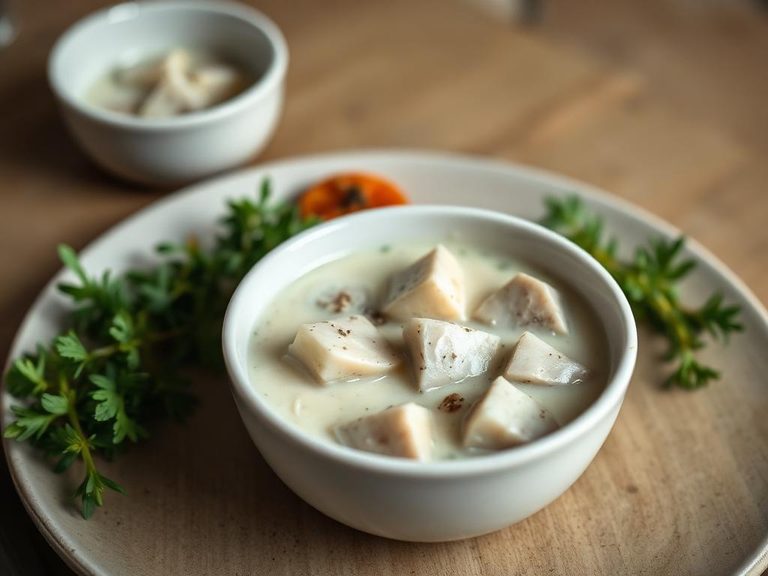
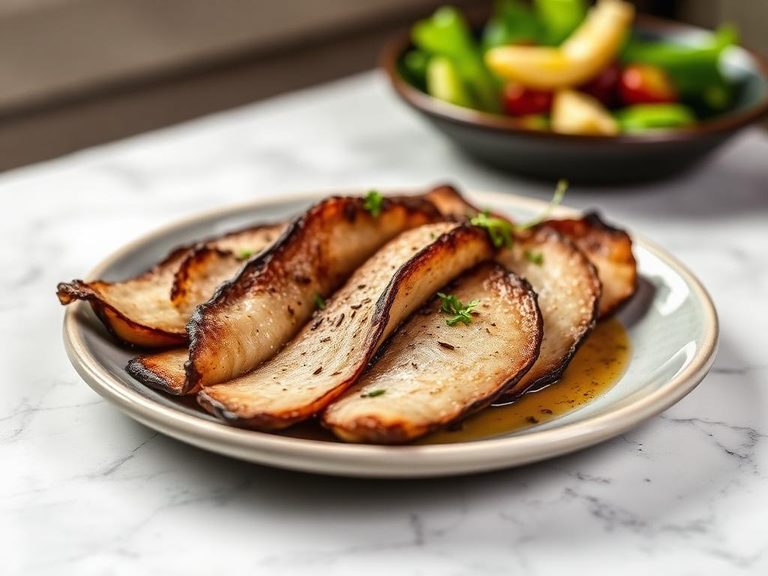
🍽️ Popular dishes
🌍 Where it's eaten
💡 Did you know?
The shad run up rivers like the Connecticut and Delaware was so historically significant that it was once called 'the founding fish' because its arrival provided crucial sustenance to early settlers and Native Americans in spring.
Full nutrition (USDA data · scales with serving)
| Water | 68.2 g |
| Energy | 197 kcal |
| Energy | 824 kj |
| Protein | 16.9 g |
| Total lipid (fat) | 13.8 g |
| Ash | 1.3 g |
| Carbohydrate, by difference | 0.00 g |
| Fiber, total dietary | 0.00 g |
| Total Sugars | 0.00 g |
| Calcium, Ca | 47.0 mg |
| Iron, Fe | 0.97 mg |
| Magnesium, Mg | 30.0 mg |
| Phosphorus, P | 272 mg |
| Potassium, K | 384 mg |
| Sodium, Na | 51.0 mg |
| Zinc, Zn | 0.37 mg |
| Copper, Cu | 0.06 mg |
| Manganese, Mn | 0.04 mg |
| Selenium, Se | 36.5 ug |
| Vitamin C, total ascorbic acid | 0.00 mg |
| Thiamin | 0.15 mg |
| Riboflavin | 0.24 mg |
| Niacin | 8.4 mg |
| Pantothenic acid | 0.75 mg |
| Vitamin B-6 | 0.40 mg |
| Folate, total | 15.0 ug |
| Folic acid | 0.00 ug |
| Folate, food | 15.0 ug |
| Folate, DFE | 15.0 ug |
| Choline, total | 74.0 mg |
| Vitamin B-12 | 0.15 ug |
| Vitamin B-12, added | 0.00 ug |
| Vitamin A, RAE | 32.0 ug |
| Retinol | 32.0 ug |
| Carotene, beta | 0.00 ug |
| Carotene, alpha | 0.00 ug |
| Cryptoxanthin, beta | 0.00 ug |
| Vitamin A, IU | 106 iu |
| Lycopene | 0.00 ug |
| Lutein + zeaxanthin | 0.00 ug |
| Vitamin E (alpha-tocopherol) | 1.2 mg |
| Vitamin E, added | 0.00 mg |
| Vitamin D (D2 + D3), International Units | 190 iu |
| Vitamin D (D2 + D3) | 4.8 ug |
| Vitamin D3 (cholecalciferol) | 4.8 ug |
| Vitamin K (phylloquinone) | 0.10 ug |
| Alcohol, ethyl | 0.00 g |
| Caffeine | 0.00 mg |
| Theobromine | 0.00 mg |
Fat & fatty acid profile (per 100g)
| Fatty acids, total saturated | 3.1 g |
| SFA 4:0 | 0.00 g |
| SFA 6:0 | 0.00 g |
| SFA 8:0 | 0.00 g |
| SFA 10:0 | 0.01 g |
| SFA 12:0 | 0.02 g |
| SFA 14:0 | 0.85 g |
| SFA 16:0 | 2.1 g |
| SFA 18:0 | 0.17 g |
| Fatty acids, total monounsaturated | 5.7 g |
| MUFA 16:1 | 0.95 g |
| MUFA 18:1 | 2.3 g |
| MUFA 20:1 | 1.1 g |
| MUFA 22:1 | 1.3 g |
| Fatty acids, total polyunsaturated | 3.3 g |
| PUFA 18:2 | 0.20 g |
| PUFA 18:3 | 0.16 g |
| PUFA 18:4 | 0.33 g |
| PUFA 20:4 | 0.09 g |
| PUFA 20:5 n-3 (EPA) | 1.1 g |
| PUFA 22:5 n-3 (DPA) | 0.08 g |
| PUFA 22:6 n-3 (DHA) | 1.3 g |
| Cholesterol | 75.0 mg |
Amino acid profile (per 100g)
| Tryptophan | 0.19 g |
| Threonine | 0.74 g |
| Isoleucine | 0.78 g |
| Leucine | 1.4 g |
| Lysine | 1.6 g |
| Methionine | 0.50 g |
| Cystine | 0.18 g |
| Phenylalanine | 0.66 g |
| Tyrosine | 0.57 g |
| Valine | 0.87 g |
| Arginine | 1.0 g |
| Histidine | 0.50 g |
| Alanine | 1.0 g |
| Aspartic acid | 1.7 g |
| Glutamic acid | 2.5 g |
| Glycine | 0.81 g |
| Proline | 0.60 g |
| Serine | 0.69 g |
FAQ
How do you remove the many bones from shad?
The best method is to have your fishmonger fillet it, as they have the proper tools and skill. At home, you can use a sharp, flexible fillet knife to carefully cut the flesh away from the rib cage and then use needle-nose pliers or tweezers to pull out any remaining pin bones.
What is shad roe and how is it eaten?
Shad roe are the egg sacs from a female shad. They are a prized seasonal delicacy, typically sautéed in butter or bacon fat until the outer membrane is crisp and the interior is creamy. They have a rich, briny, and slightly grainy texture.
Is shad sustainable to eat?
Sustainability varies by region and fishery. While some populations have recovered from historical overfishing, others remain depleted. It's best to consult local seafood guides (like Monterey Bay Aquarium's Seafood Watch) for the most current recommendations on shad from specific rivers or coasts.
Nutrient density (calculated · NRF9.3)
Nutrient Rich Foods index: beneficial nutrients (protein, fiber, vitamins, minerals) minus saturated fat, added sugar & sodium, per 100 kcal.
NRF9.3 index — Fulgoni, Keast & Drewnowski, 2009. Computed from USDA nutrients.
Weight-loss friendliness (composite index)
Energy density 1.97 kcal/g · 34% calories from protein · 0.0 g fiber · 0.0 g sugar per 100 g.
Composite of energy density (Rolls et al., 1999), protein & fiber satiety, minus sugar. A calculated heuristic — ranks satiety-per-calorie, not a clinical measure.
Dietary load (calculated from USDA values)
Potential renal acid load. Positive = acid-forming, negative = alkaline-forming.
Sodium-to-potassium ratio: 0.13 (lower is better — aim for ≤ 1)
Sodium:potassium per WHO potassium guidance. Computed from USDA nutrients.