Shad Planks
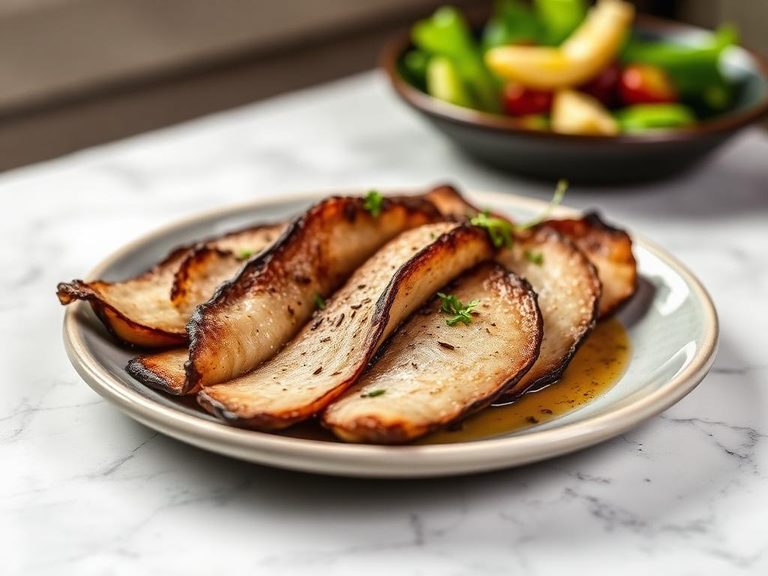
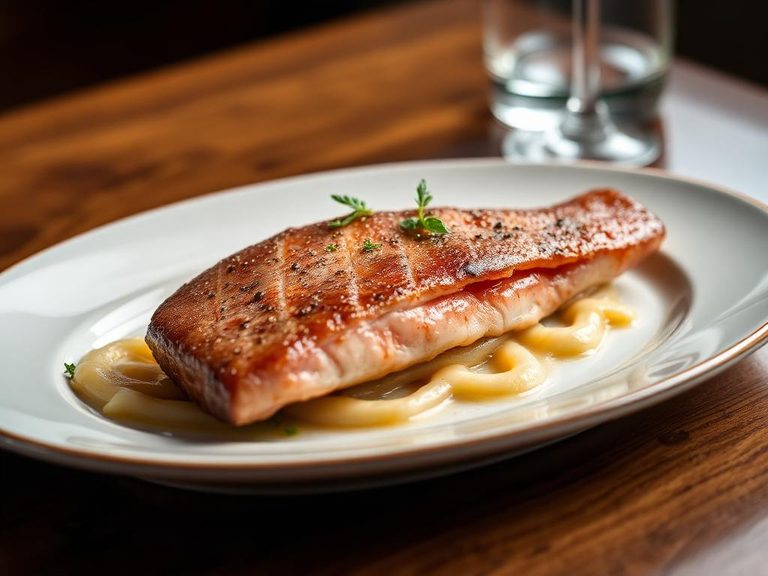
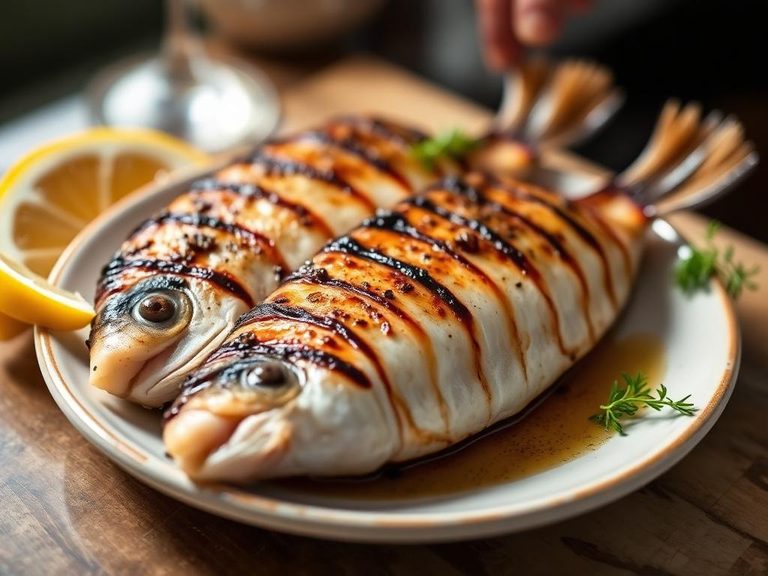
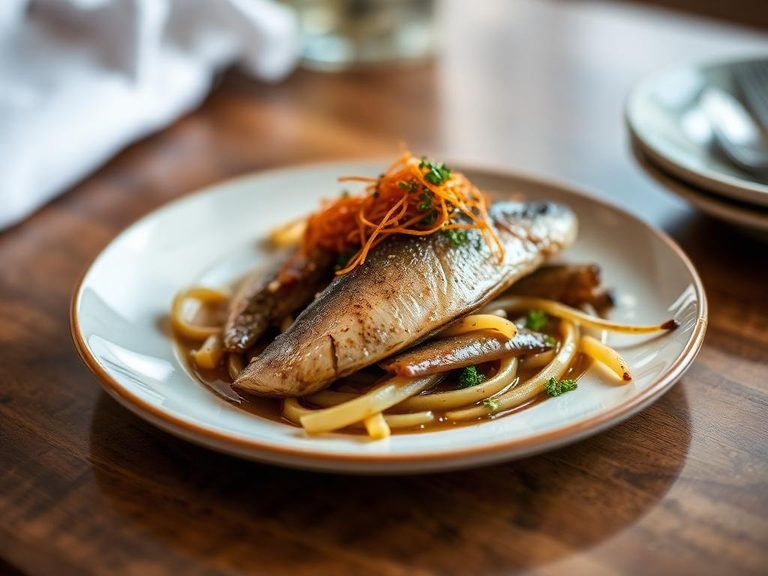
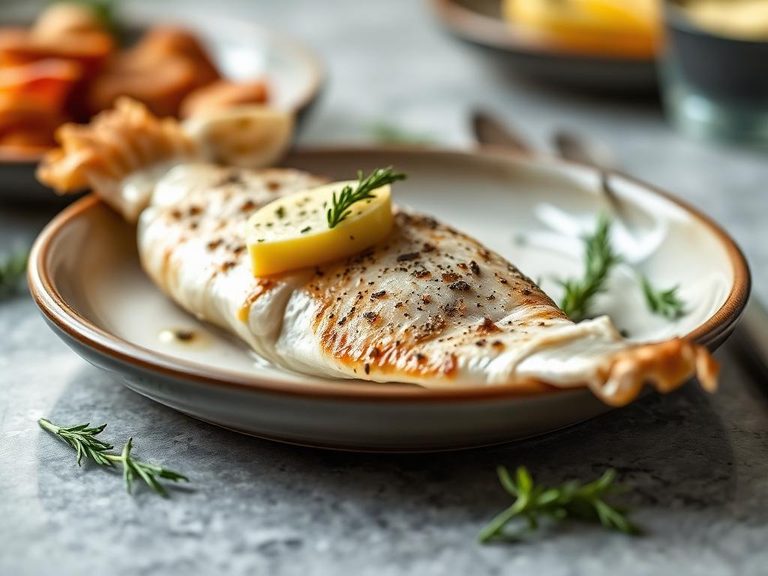
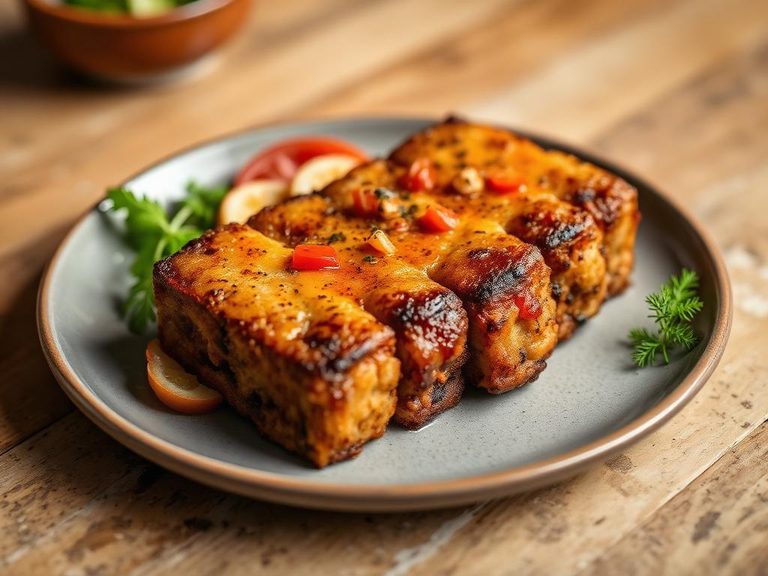
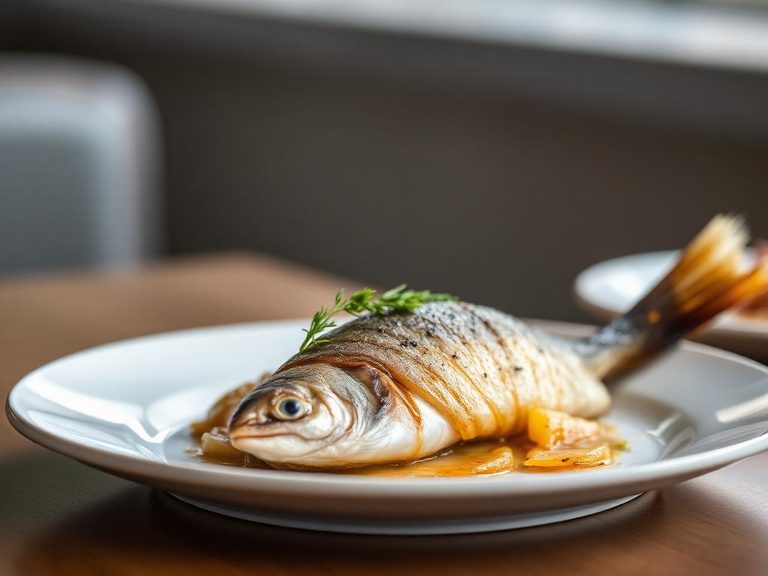
Shad Planks is a traditional American dish featuring shad fish fillets cooked on wooden planks, typically cedar or oak, over an open fire or grill. The fish is often seasoned with simple ingredients like salt, pepper, and sometimes herbs or spices, allowing the smoky flavor of the wood and the natural taste of the shad to shine. This method originates from the Mid-Atlantic region of the United States, particularly along the Chesapeake Bay, where shad fishing has historical significance.
🍽️ Nutrition at a glance
Shad Planks is a high-protein dish, with the shad fish providing omega-3 fatty acids, vitamin D, and B vitamins. A typical serving contains around 250-300 calories, with minimal carbohydrates and moderate fat content from the fish itself.
Nutrition breakdown
| Calories | 270 kcal |
| Protein | 30 g |
| Carbs | 0 g |
| Fat | 16 g |
| Fiber | 0 g |
| Sugar | 0 g |
| Sodium | 90 mg |
| Omega-3 Fatty Acids | 1.5 g |
| Vitamin D | 15 mcg |
| Vitamin B12 | 18 mcg |
| Selenium | 40 mcg |
| Phosphorus | 250 mg |
| Niacin (B3) | 8 mg |
| Potassium | 350 mg |
| Magnesium | 30 mg |
Per 1 fillet (150 g) · estimated, varies by recipe
💡 What's interesting
Culturally, Shad Planks is tied to spring shad runs and communal fishing traditions in the Chesapeake Bay area. Nutritionally, shad is one of the few fish rich in both omega-3s and vitamin D, making it a valuable seasonal food.