Shad Roe
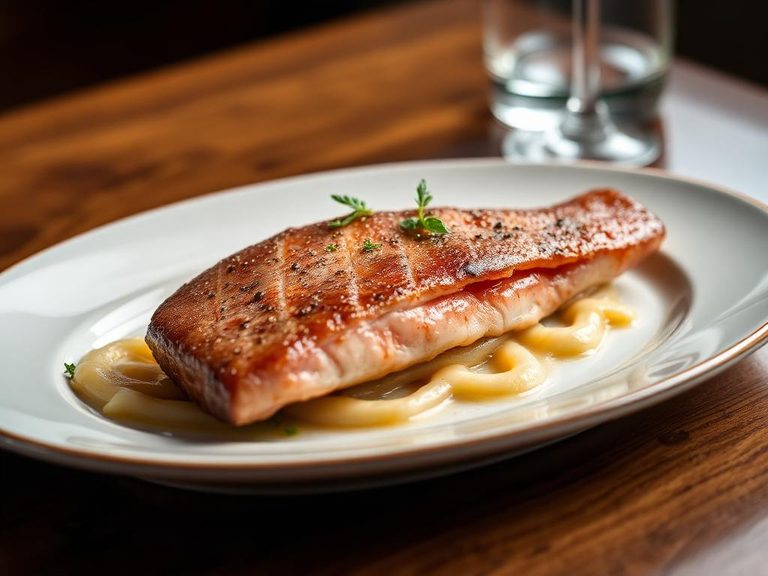
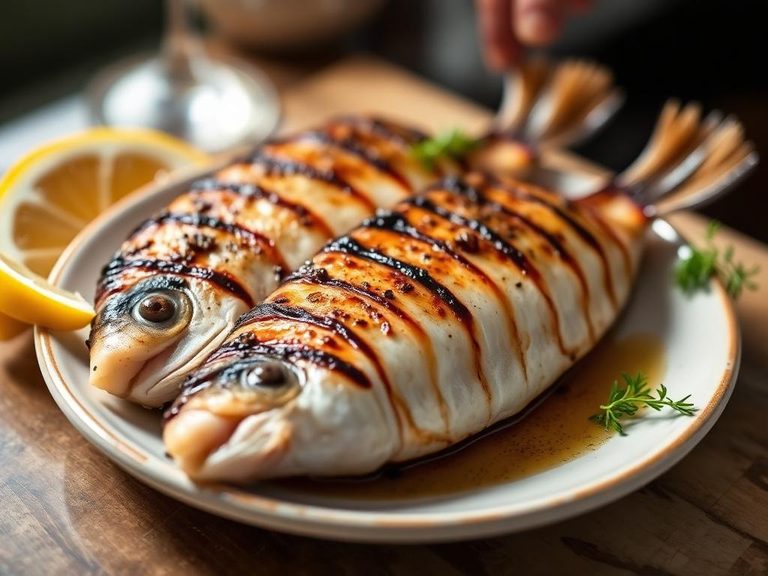
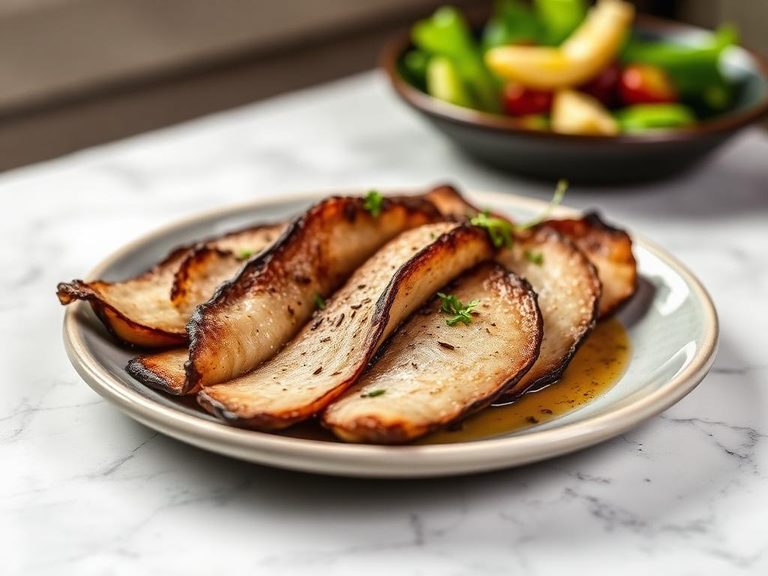
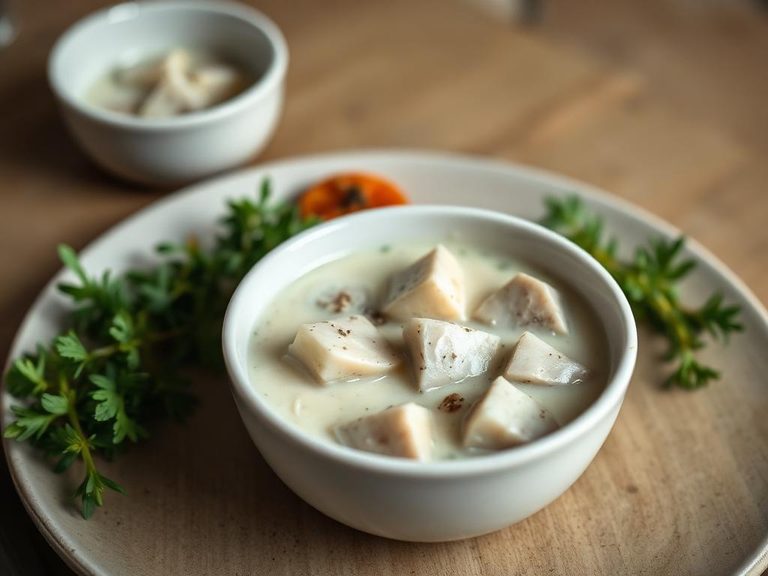
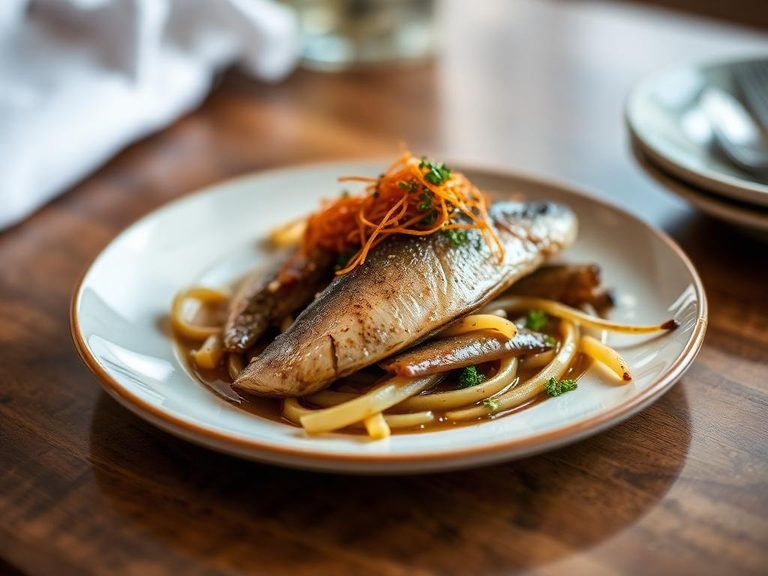
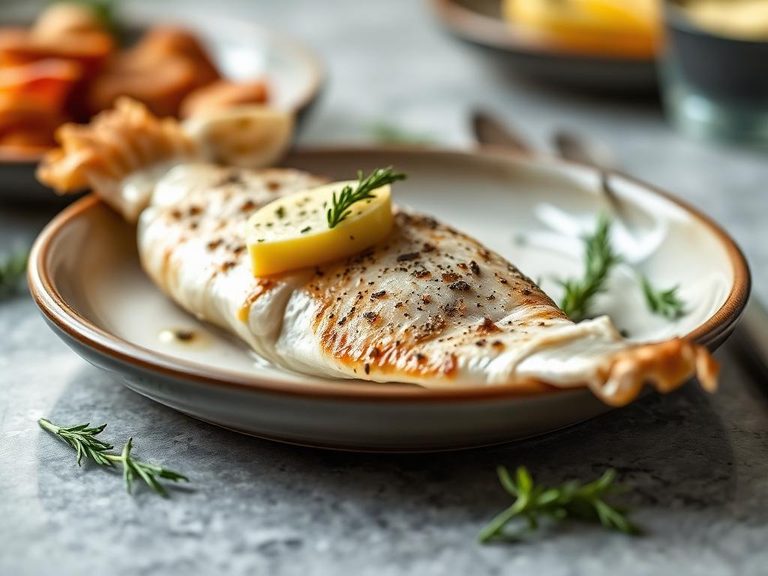
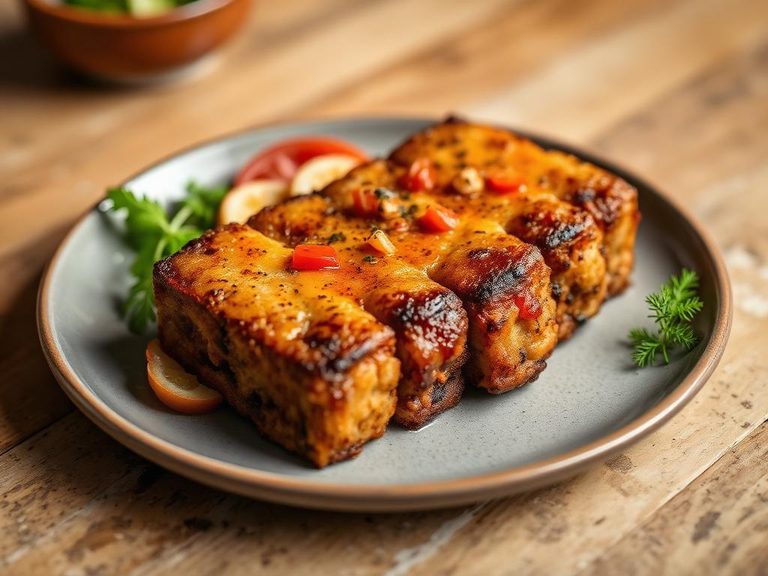
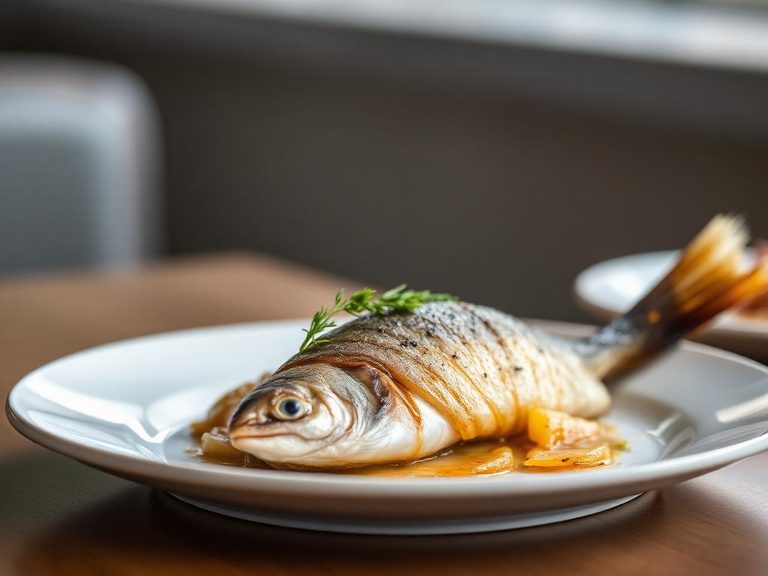
Shad roe refers to the edible egg masses (roe) of the shad fish, a type of herring. It is a seasonal delicacy, typically pan-fried or sautéed, often served with bacon or butter and is particularly associated with the Chesapeake Bay region of the United States and the British Isles.
🍽️ Nutrition at a glance
Shad roe is very high in protein and healthy fats, while being virtually carb-free. It is an excellent source of vitamin B12, selenium, and omega-3 fatty acids, with a typical serving containing around 200-250 calories.
Nutrition breakdown
| Calories | 210 kcal |
| Protein | 22 g |
| Carbs | 0 g |
| Fat | 13 g |
| Fiber | 0 g |
| Sugar | 0 g |
| Sodium | 90 mg |
| Vitamin B12 | 31.5 µg |
| Selenium | 44.2 µg |
| Phosphorus | 420 mg |
| Choline | 280 mg |
| Omega-3 (DHA+EPA) | 1.2 g |
| Vitamin D | 12.5 µg |
| Iron | 1.8 mg |
| Vitamin E | 2.1 mg |
Per 1 roe sac (about 100 g) · estimated, varies by recipe
💡 What's interesting
Historically, the arrival of shad in rivers signaled the start of spring, making its roe a celebrated seasonal event. Nutritionally, it's a powerhouse of choline, which is crucial for brain health.