

Fish, salmon, chum, canned, drained solids with bone
Whole food · Finfish and Shellfish Products

Photo: Wikipedia
This is canned chum salmon, a pantry staple where the fish is cooked and packed with its edible bones, which soften during the canning process. The texture is flaky and firm, with a robust, distinctly 'fishy' flavor that's less mild than pink salmon. It's a nutritional powerhouse, delivering an exceptional 21.43g of protein and a significant dose of calcium from the bones per 100g serving.
Calorie split: 63% protein · 0% carbs · 37% fat
↓ Full nutrition💚 Why it's loved
People love it for its intense, savory salmon flavor and incredible convenience—a nutritious meal or ingredient in minutes. It's a beloved, affordable staple in many cultures for its ability to add a deep umami punch to everything from salads to pasta.
⚠️ Watch-outs & how to enjoy it better
The strong, oily flavor and firmer texture can be off-putting to those who prefer milder fish like cod or tilapia. Canned salmon is often high in sodium, so individuals monitoring salt intake should look for 'no salt added' versions or rinse the solids before use. It's a common fish allergen.
Key benefits
- Excellent source of high-quality protein for muscle maintenance.
- Bones provide a highly bioavailable source of calcium.
- Rich in omega-3 fatty acids (EPA and DHA) for heart and brain health.
- Contains vitamin D, essential for bone health and immune function.
- Convenient, shelf-stable, and ready-to-eat protein source.
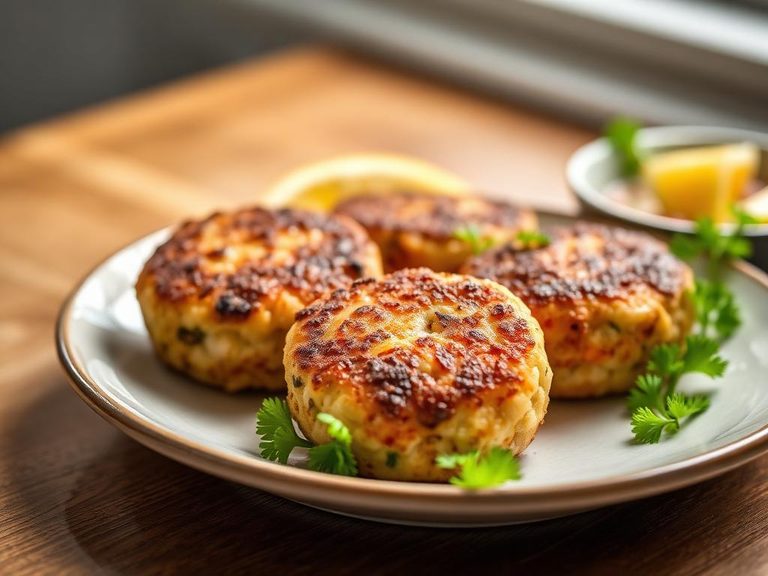
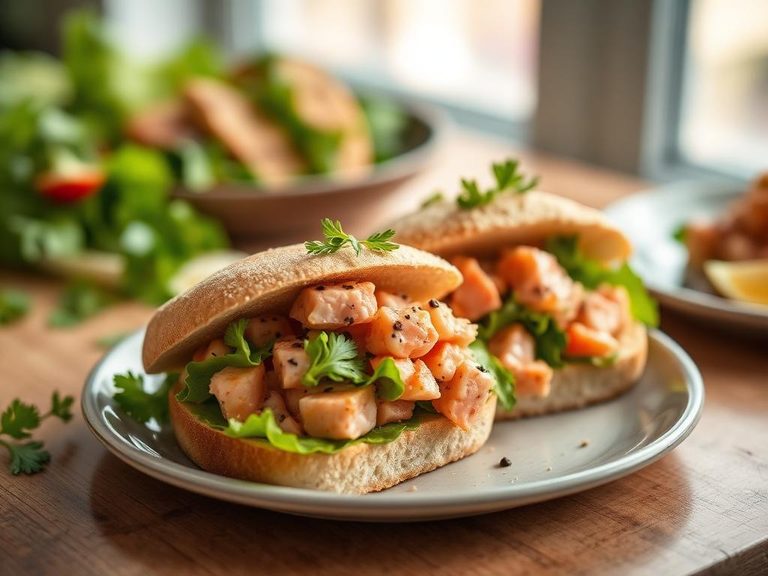
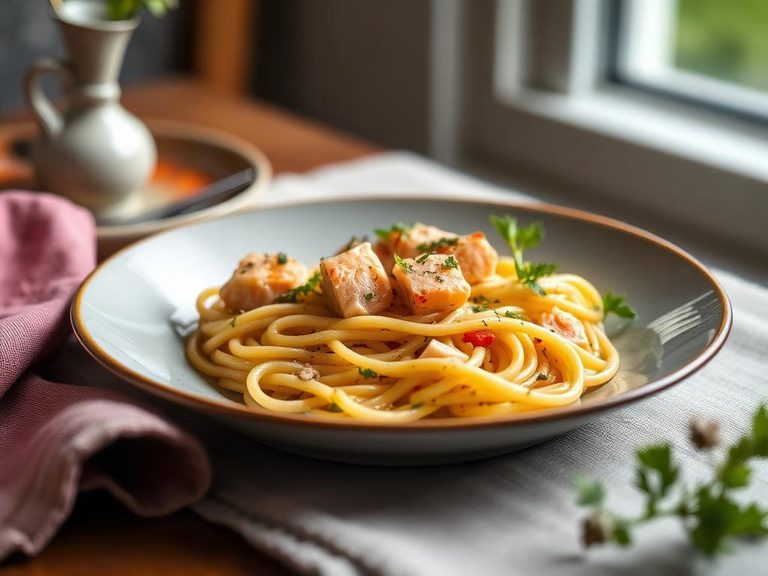
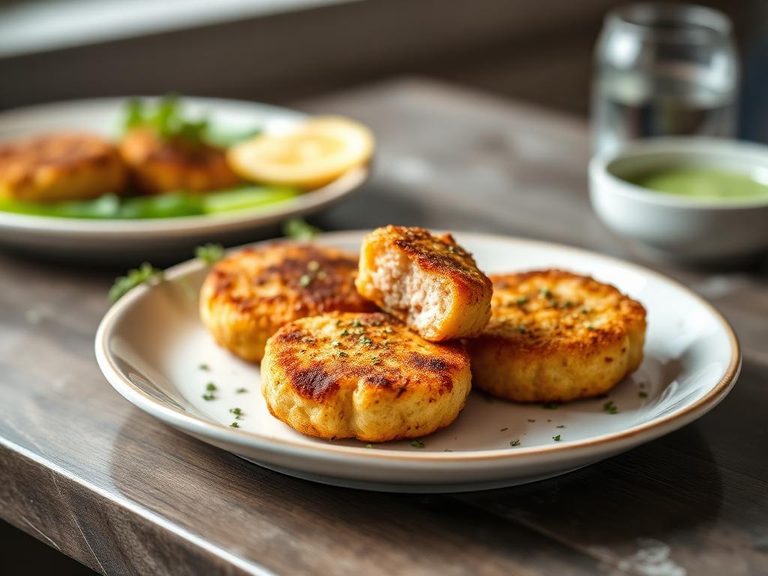
🍽️ Popular dishes
🌍 Where it's eaten
💡 Did you know?
The soft, edible bones in canned salmon are not just for nutrition; they were traditionally left in to help the fish hold its shape during the high-heat canning process.
Full nutrition (USDA data · scales with serving)
| Water | 70.8 g |
| Energy | 141 kcal |
| Energy | 590 kj |
| Protein | 21.4 g |
| Total lipid (fat) | 5.5 g |
| Ash | 2.5 g |
| Carbohydrate, by difference | 0.00 g |
| Fiber, total dietary | 0.00 g |
| Total Sugars | 0.00 g |
| Calcium, Ca | 249 mg |
| Iron, Fe | 0.70 mg |
| Magnesium, Mg | 30.0 mg |
| Phosphorus, P | 354 mg |
| Potassium, K | 300 mg |
| Sodium, Na | 391 mg |
| Zinc, Zn | 1.0 mg |
| Copper, Cu | 0.10 mg |
| Manganese, Mn | 0.02 mg |
| Selenium, Se | 43.3 ug |
| Vitamin C, total ascorbic acid | 0.00 mg |
| Thiamin | 0.02 mg |
| Riboflavin | 0.16 mg |
| Niacin | 7.0 mg |
| Pantothenic acid | 0.56 mg |
| Vitamin B-6 | 0.38 mg |
| Folate, total | 20.0 ug |
| Folic acid | 0.00 ug |
| Folate, food | 20.0 ug |
| Folate, DFE | 20.0 ug |
| Choline, total | 85.0 mg |
| Vitamin B-12 | 4.4 ug |
| Vitamin B-12, added | 0.00 ug |
| Vitamin A, RAE | 18.0 ug |
| Retinol | 18.0 ug |
| Carotene, beta | 0.00 ug |
| Carotene, alpha | 0.00 ug |
| Cryptoxanthin, beta | 0.00 ug |
| Vitamin A, IU | 60.0 iu |
| Lycopene | 0.00 ug |
| Lutein + zeaxanthin | 0.00 ug |
| Vitamin E (alpha-tocopherol) | 1.6 mg |
| Vitamin E, added | 0.00 mg |
| Vitamin D (D2 + D3), International Units | 386 iu |
| Vitamin D (D2 + D3) | 9.6 ug |
| Vitamin D3 (cholecalciferol) | 9.6 ug |
| Vitamin K (phylloquinone) | 0.10 ug |
| Alcohol, ethyl | 0.00 g |
| Caffeine | 0.00 mg |
| Theobromine | 0.00 mg |
Fat & fatty acid profile (per 100g)
| Fatty acids, total saturated | 1.5 g |
| SFA 4:0 | 0.00 g |
| SFA 6:0 | 0.00 g |
| SFA 8:0 | 0.00 g |
| SFA 10:0 | 0.00 g |
| SFA 12:0 | 0.00 g |
| SFA 14:0 | 0.48 g |
| SFA 16:0 | 0.82 g |
| SFA 18:0 | 0.19 g |
| Fatty acids, total monounsaturated | 1.9 g |
| MUFA 16:1 | 0.24 g |
| MUFA 18:1 | 1.2 g |
| MUFA 20:1 | 0.28 g |
| MUFA 22:1 | 0.24 g |
| Fatty acids, total polyunsaturated | 1.5 g |
| PUFA 18:2 | 0.06 g |
| PUFA 18:3 | 0.05 g |
| PUFA 18:4 | 0.07 g |
| PUFA 20:4 | 0.07 g |
| PUFA 20:5 n-3 (EPA) | 0.47 g |
| PUFA 22:5 n-3 (DPA) | 0.09 g |
| PUFA 22:6 n-3 (DHA) | 0.70 g |
| Cholesterol | 39.0 mg |
Amino acid profile (per 100g)
| Tryptophan | 0.24 g |
| Threonine | 0.94 g |
| Isoleucine | 0.99 g |
| Leucine | 1.7 g |
| Lysine | 2.0 g |
| Methionine | 0.63 g |
| Cystine | 0.23 g |
| Phenylalanine | 0.84 g |
| Tyrosine | 0.72 g |
| Valine | 1.1 g |
| Arginine | 1.3 g |
| Histidine | 0.63 g |
| Alanine | 1.3 g |
| Aspartic acid | 2.2 g |
| Glutamic acid | 3.2 g |
| Glycine | 1.0 g |
| Proline | 0.76 g |
| Serine | 0.87 g |
FAQ
Are the bones really safe to eat?
Yes, absolutely. The canning process pressure-cooks the bones until they are soft, crumbly, and fully edible. They are a fantastic source of calcium.
How is chum salmon different from pink or sockeye?
Chum (also called 'keta' or 'dog' salmon) has a milder flavor and firmer texture than sockeye but a stronger taste than pink salmon. It's often used for canning because its larger size and firm flesh hold up well.
What's the best way to reduce the 'fishy' taste or smell?
Rinse the drained solids thoroughly under cold water. You can also soak it in milk for 15-20 minutes before using, which helps neutralize the stronger flavors.
Nutrient density (calculated · NRF9.3)
Nutrient Rich Foods index: beneficial nutrients (protein, fiber, vitamins, minerals) minus saturated fat, added sugar & sodium, per 100 kcal.
NRF9.3 index — Fulgoni, Keast & Drewnowski, 2009. Computed from USDA nutrients.
Weight-loss friendliness (composite index)
Energy density 1.41 kcal/g · 61% calories from protein · 0.0 g fiber · 0.0 g sugar per 100 g.
Composite of energy density (Rolls et al., 1999), protein & fiber satiety, minus sugar. A calculated heuristic — ranks satiety-per-calorie, not a clinical measure.
Dietary load (calculated from USDA values)
Potential renal acid load. Positive = acid-forming, negative = alkaline-forming.
Sodium-to-potassium ratio: 1.30 (lower is better — aim for ≤ 1)
Sodium:potassium per WHO potassium guidance. Computed from USDA nutrients.