

Fish, pike, northern, raw
Whole food · Finfish and Shellfish Products

Photo: Wikipedia
Northern pike is a lean, freshwater predator with firm, white flesh that flakes into clean, delicate morsels. Its mild, subtly sweet flavor is often compared to cod or walleye, making it a versatile canvas for various preparations. Nutritionally, it's a powerhouse of high-quality protein with virtually no fat or carbohydrates.
Calorie split: 93% protein · 0% carbs · 7% fat
↓ Full nutrition💚 Why it's loved
Pike is beloved for its clean, mild taste and satisfying, firm texture that holds up beautifully to frying, baking, or poaching. It's a cornerstone of freshwater fishing culture and traditional cuisine across the Northern Hemisphere, valued as both a sporting catch and a delicious meal.
⚠️ Watch-outs & how to enjoy it better
The main challenge is its numerous, fine 'Y-bones' which can be off-putting and pose a choking hazard if not properly removed. To counteract this, purchase boneless fillets or learn the specific technique for pin-boning; poaching or slow-cooking can also help soften the bones. As with all fish, ensure it's sourced from clean waters and cooked thoroughly.
Key benefits
- Excellent source of lean, complete protein
- Very low in calories and fat
- Contains beneficial omega-3 fatty acids
- Rich in B vitamins, especially B12 and niacin
- Provides essential minerals like phosphorus and selenium
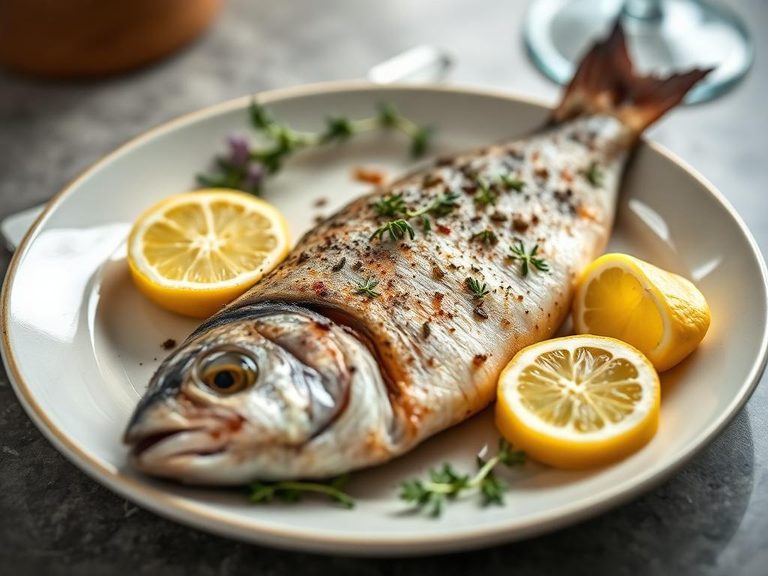
🍽️ Popular dishes
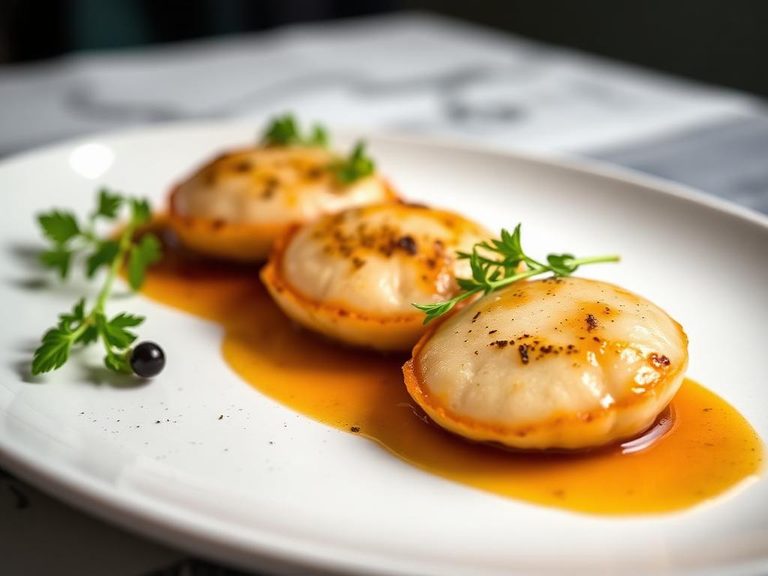
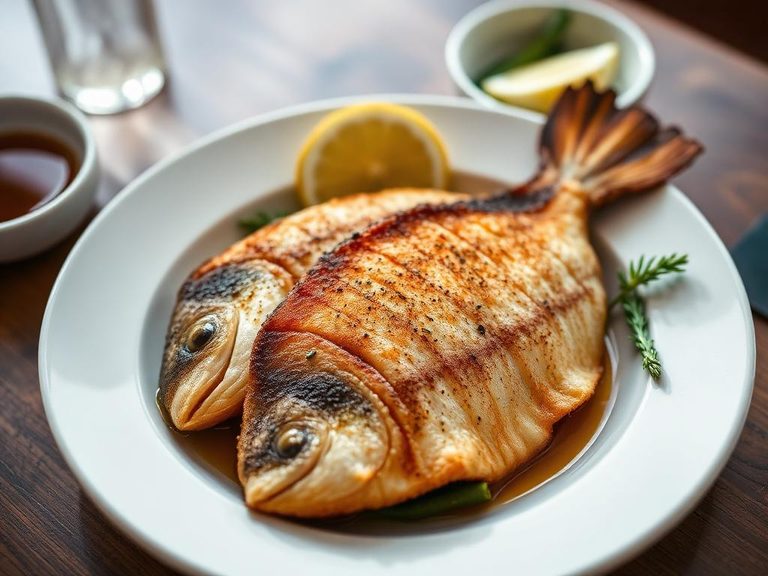
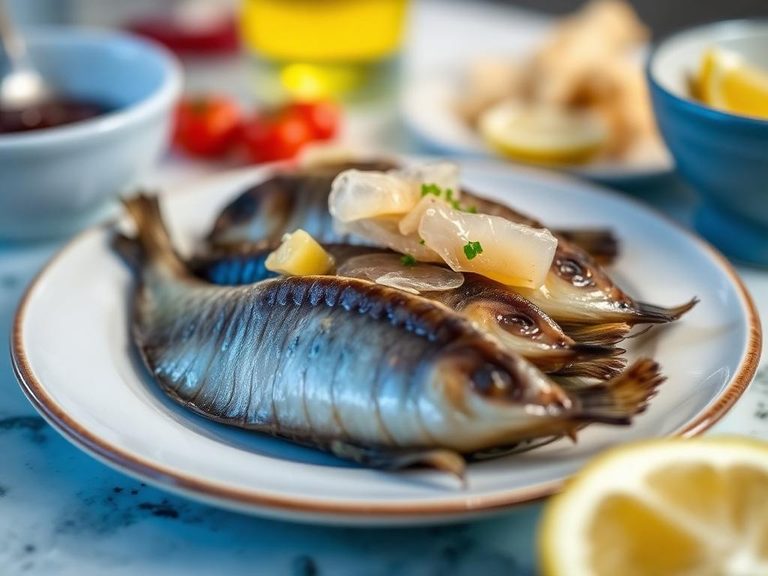
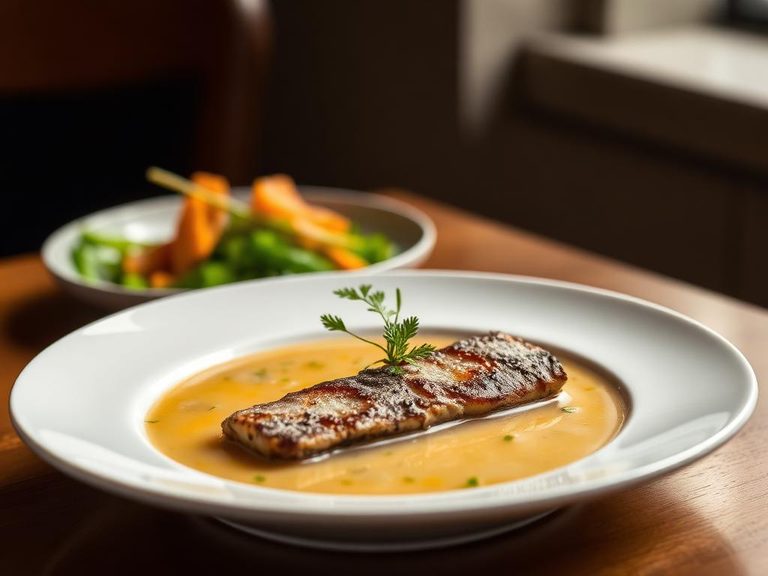
🌍 Where it's eaten
💡 Did you know?
A large northern pike can consume prey up to one-third of its own body length, thanks to a specially designed gill raker structure that helps it swallow food whole.
Full nutrition (USDA data · scales with serving)
| Water | 78.9 g |
| Energy | 88.0 kcal |
| Energy | 368 kj |
| Protein | 19.3 g |
| Total lipid (fat) | 0.69 g |
| Ash | 1.2 g |
| Carbohydrate, by difference | 0.00 g |
| Fiber, total dietary | 0.00 g |
| Total Sugars | 0.00 g |
| Calcium, Ca | 57.0 mg |
| Iron, Fe | 0.55 mg |
| Magnesium, Mg | 31.0 mg |
| Phosphorus, P | 220 mg |
| Potassium, K | 259 mg |
| Sodium, Na | 39.0 mg |
| Zinc, Zn | 0.67 mg |
| Copper, Cu | 0.05 mg |
| Manganese, Mn | 0.24 mg |
| Selenium, Se | 12.6 ug |
| Vitamin C, total ascorbic acid | 3.8 mg |
| Thiamin | 0.06 mg |
| Riboflavin | 0.06 mg |
| Niacin | 2.3 mg |
| Pantothenic acid | 0.75 mg |
| Vitamin B-6 | 0.12 mg |
| Folate, total | 15.0 ug |
| Folic acid | 0.00 ug |
| Folate, food | 15.0 ug |
| Folate, DFE | 15.0 ug |
| Choline, total | 65.0 mg |
| Vitamin B-12 | 2.0 ug |
| Vitamin B-12, added | 0.00 ug |
| Vitamin A, RAE | 21.0 ug |
| Retinol | 21.0 ug |
| Carotene, beta | 0.00 ug |
| Carotene, alpha | 0.00 ug |
| Cryptoxanthin, beta | 0.00 ug |
| Vitamin A, IU | 70.0 iu |
| Lycopene | 0.00 ug |
| Lutein + zeaxanthin | 0.00 ug |
| Vitamin E (alpha-tocopherol) | 0.20 mg |
| Vitamin E, added | 0.00 mg |
| Vitamin D (D2 + D3), International Units | 99.0 iu |
| Vitamin D (D2 + D3) | 2.5 ug |
| Vitamin D3 (cholecalciferol) | 2.5 ug |
| Vitamin K (phylloquinone) | 0.10 ug |
| Alcohol, ethyl | 0.00 g |
| Caffeine | 0.00 mg |
| Theobromine | 0.00 mg |
Fat & fatty acid profile (per 100g)
| Fatty acids, total saturated | 0.12 g |
| SFA 4:0 | 0.00 g |
| SFA 6:0 | 0.00 g |
| SFA 8:0 | 0.00 g |
| SFA 10:0 | 0.00 g |
| SFA 12:0 | 0.00 g |
| SFA 14:0 | 0.02 g |
| SFA 16:0 | 0.08 g |
| SFA 18:0 | 0.02 g |
| Fatty acids, total monounsaturated | 0.16 g |
| MUFA 16:1 | 0.06 g |
| MUFA 18:1 | 0.08 g |
| MUFA 20:1 | 0.01 g |
| MUFA 22:1 | 0.01 g |
| Fatty acids, total polyunsaturated | 0.20 g |
| PUFA 18:2 | 0.03 g |
| PUFA 18:3 | 0.02 g |
| PUFA 18:4 | 0.00 g |
| PUFA 20:4 | 0.03 g |
| PUFA 20:5 n-3 (EPA) | 0.03 g |
| PUFA 22:5 n-3 (DPA) | 0.01 g |
| PUFA 22:6 n-3 (DHA) | 0.07 g |
| Cholesterol | 39.0 mg |
Amino acid profile (per 100g)
| Tryptophan | 0.22 g |
| Threonine | 0.84 g |
| Isoleucine | 0.89 g |
| Leucine | 1.6 g |
| Lysine | 1.8 g |
| Methionine | 0.57 g |
| Cystine | 0.21 g |
| Phenylalanine | 0.75 g |
| Tyrosine | 0.65 g |
| Valine | 0.99 g |
| Arginine | 1.2 g |
| Histidine | 0.57 g |
| Alanine | 1.2 g |
| Aspartic acid | 2.0 g |
| Glutamic acid | 2.9 g |
| Glycine | 0.92 g |
| Proline | 0.68 g |
| Serine | 0.79 g |
FAQ
How do I remove the Y-bones from a pike fillet?
The most reliable method is to make a central cut along the fillet where the bones are located, then carefully slice out a thin strip of flesh containing the bones. Alternatively, you can cut the fillet into strips parallel to the bones and pull them out with tweezers. Buying pre-boned fillets from a fishmonger is the easiest solution.
What does northern pike taste like?
It has a mild, clean, and subtly sweet flavor with a firm, white flesh that flakes easily. The taste is often compared to other freshwater fish like walleye or to mild saltwater fish like cod, making it very approachable.
Is northern pike healthy to eat?
Yes, it's very healthy. It's an excellent source of lean protein, low in calories and fat, and provides important nutrients like omega-3s, B12, and selenium. As with all fish, ensure it's cooked properly and sourced from clean waters.
Nutrient density (calculated · NRF9.3)
Nutrient Rich Foods index: beneficial nutrients (protein, fiber, vitamins, minerals) minus saturated fat, added sugar & sodium, per 100 kcal.
NRF9.3 index — Fulgoni, Keast & Drewnowski, 2009. Computed from USDA nutrients.
Weight-loss friendliness (composite index)
Energy density 0.88 kcal/g · 88% calories from protein · 0.0 g fiber · 0.0 g sugar per 100 g.
Composite of energy density (Rolls et al., 1999), protein & fiber satiety, minus sugar. A calculated heuristic — ranks satiety-per-calorie, not a clinical measure.
Dietary load (calculated from USDA values)
Potential renal acid load. Positive = acid-forming, negative = alkaline-forming.
Sodium-to-potassium ratio: 0.15 (lower is better — aim for ≤ 1)
Sodium:potassium per WHO potassium guidance. Computed from USDA nutrients.