

Corn, dried, yellow (Northern Plains Indians)
Whole food · American Indian/Alaska Native Foods

Photo: Wikipedia
This is dried yellow corn, a staple food of the Northern Plains Indigenous peoples, processed for long-term storage and intense flavor. It has a hard, toothsome texture when rehydrated and a deep, nutty, sweet corn taste that is more concentrated than fresh corn. Its standout nutritional feature is its exceptional fiber content, providing over 70% of the daily value per 100g.
Calorie split: 14% protein · 63% carbs · 23% fat
↓ Full nutrition💚 Why it's loved
People love it for its robust, earthy corn flavor and satisfyingly chewy texture that forms the hearty base of traditional soups, stews, and breads. It's cherished as a cultural staple that connects modern meals to centuries of Indigenous foodways and resilience.
⚠️ Watch-outs & how to enjoy it better
Its high carbohydrate and natural sugar content can cause blood sugar spikes if consumed in large portions without balancing nutrients. To counteract this, pair it with protein (like beans or meat) and healthy fats (like lard or avocado), and practice portion control. Its hard texture requires proper soaking or extended cooking to become tender.
Key benefits
- Excellent source of dietary fiber for digestive health.
- Provides plant-based protein for muscle maintenance.
- Rich in complex carbohydrates for sustained energy.
- Contains natural sugars for quick energy without added sweeteners.
- A traditional, minimally processed whole food.
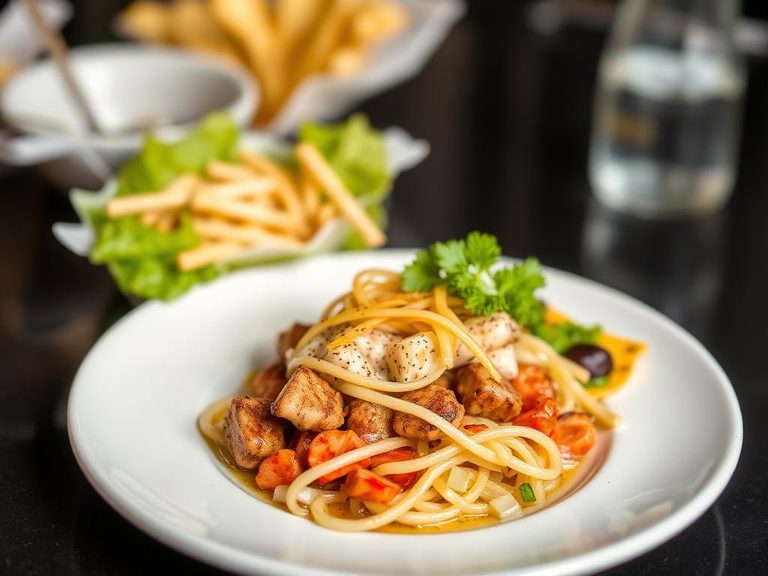
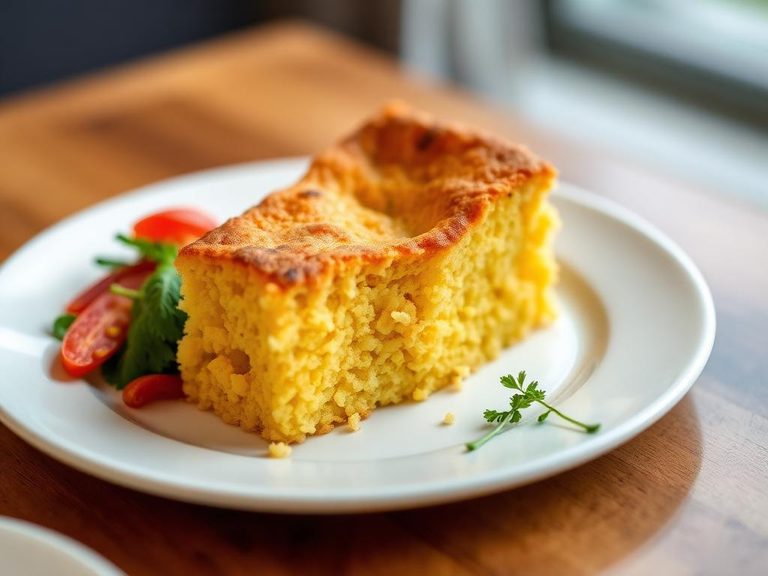
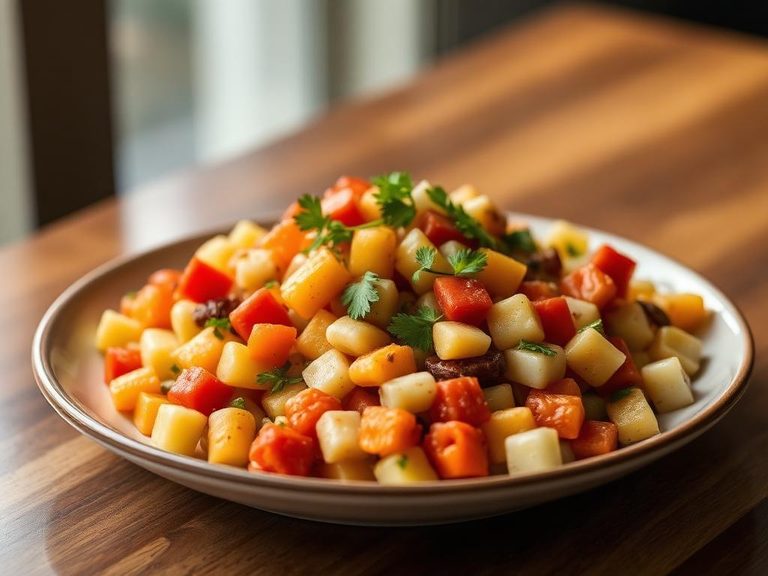
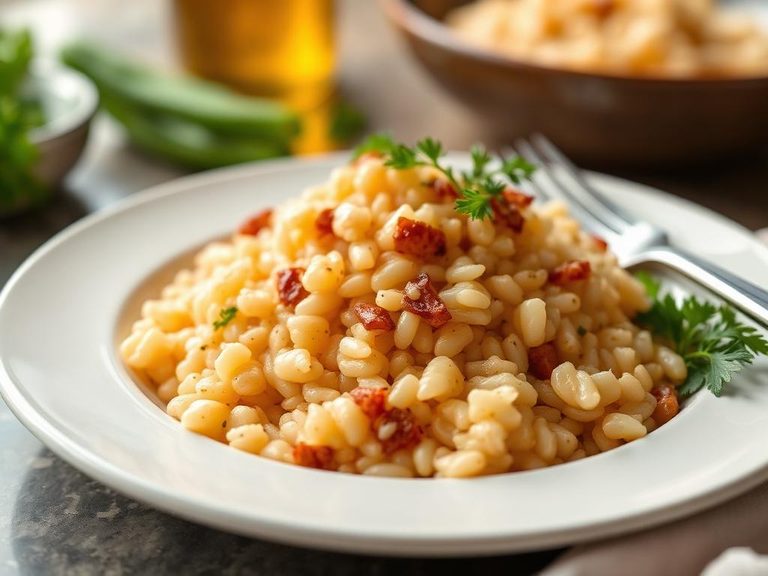
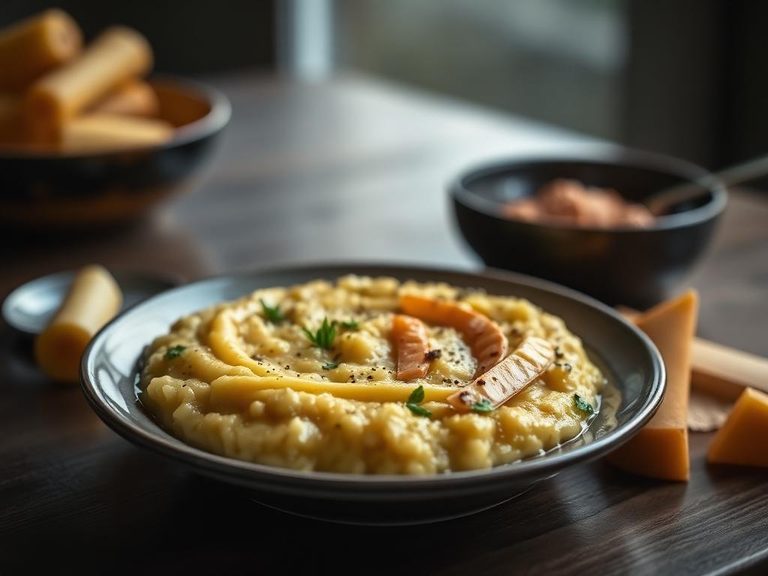
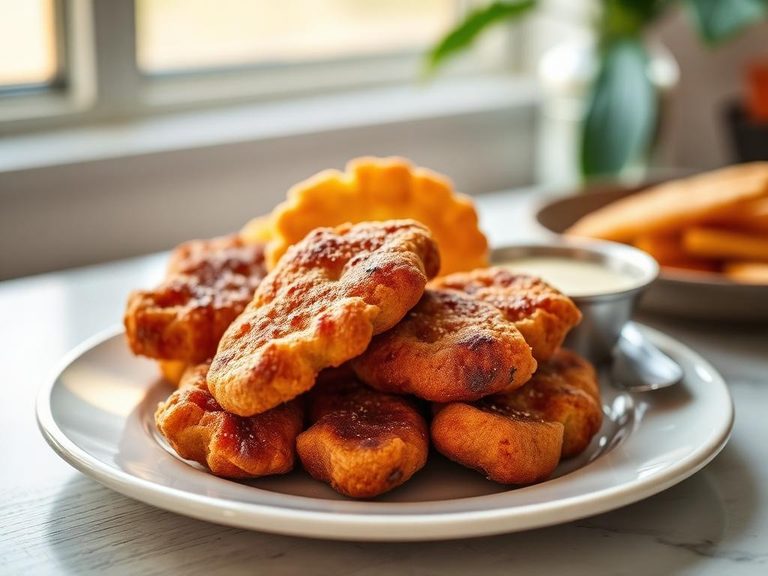
🍽️ Popular dishes
🌍 Where it's eaten
💡 Did you know?
The process of nixtamalization, where corn is soaked in an alkaline solution like wood ash lye, was developed by Indigenous peoples of the Americas; it unlocks niacin (vitamin B3) and improves protein quality, preventing deficiency diseases like pellagra.
Full nutrition (USDA data · scales with serving)
| Water | 6.4 g |
| Energy | 419 kcal |
| Energy | 1752 kj |
| Protein | 14.5 g |
| Total lipid (fat) | 10.6 g |
| Ash | 2.2 g |
| Carbohydrate, by difference | 66.3 g |
| Fiber, total dietary | 20.5 g |
| Total Sugars | 21.3 g |
| Sucrose | 20.1 g |
| Glucose | 0.69 g |
| Fructose | 0.55 g |
| Lactose | 0.00 g |
| Maltose | 0.00 g |
| Galactose | 0.00 g |
| Starch | 25.0 g |
| Calcium, Ca | 25.0 mg |
| Iron, Fe | 2.6 mg |
| Magnesium, Mg | 149 mg |
| Phosphorus, P | 344 mg |
| Potassium, K | 775 mg |
| Sodium, Na | 4.0 mg |
| Zinc, Zn | 3.1 mg |
| Copper, Cu | 0.29 mg |
| Manganese, Mn | 0.90 mg |
| Selenium, Se | 56.5 ug |
| Vitamin C, total ascorbic acid | 0.00 mg |
| Thiamin | 0.26 mg |
| Riboflavin | 0.18 mg |
| Niacin | 8.3 mg |
| Pantothenic acid | 1.6 mg |
| Vitamin B-6 | 1.1 mg |
| Folate, total | 111 ug |
| Folate, food | 111 ug |
| Vitamin B-12 | 0.00 ug |
| Vitamin B-12, added | 0.00 ug |
| Vitamin A, RAE | 13.0 ug |
| Retinol | 0.00 ug |
| Carotene, beta | 117 ug |
| Carotene, alpha | 18.0 ug |
| Cryptoxanthin, beta | 61.0 ug |
| Vitamin A, IU | 261 iu |
| Lycopene | 0.00 ug |
| Vitamin E (alpha-tocopherol) | 0.44 mg |
| Vitamin E, added | 0.00 mg |
| Vitamin D (D2 + D3), International Units | 0.00 iu |
| Vitamin D (D2 + D3) | 0.00 ug |
| Alcohol, ethyl | 0.00 g |
| Caffeine | 0.00 mg |
Fat & fatty acid profile (per 100g)
| Fatty acids, total saturated | 2.0 g |
| SFA 8:0 | 0.00 g |
| SFA 10:0 | 0.00 g |
| SFA 12:0 | 0.00 g |
| SFA 14:0 | 0.00 g |
| SFA 15:0 | 0.00 g |
| SFA 16:0 | 1.6 g |
| SFA 17:0 | 0.00 g |
| SFA 18:0 | 0.30 g |
| SFA 20:0 | 0.06 g |
| SFA 22:0 | 0.02 g |
| Fatty acids, total monounsaturated | 3.8 g |
| MUFA 14:1 | 0.00 g |
| MUFA 15:1 | 0.00 g |
| MUFA 16:1 | 0.02 g |
| MUFA 17:1 | 0.00 g |
| MUFA 18:1 | 3.7 g |
| MUFA 20:1 | 0.04 g |
| Fatty acids, total polyunsaturated | 4.5 g |
| PUFA 18:2 | 4.4 g |
| PUFA 18:3 | 0.12 g |
| PUFA 18:3 n-3 c,c,c (ALA) | 0.12 g |
| PUFA 18:3 n-6 c,c,c | 0.00 g |
| PUFA 20:2 n-6 c,c | 0.00 g |
| PUFA 20:3 | 0.00 g |
| PUFA 20:4 | 0.00 g |
Amino acid profile (per 100g)
| Tryptophan | 0.09 g |
| Threonine | 0.43 g |
| Isoleucine | 0.48 g |
| Leucine | 1.5 g |
| Lysine | 0.50 g |
| Methionine | 0.29 g |
| Cystine | 0.20 g |
| Phenylalanine | 0.64 g |
| Tyrosine | 0.47 g |
| Valine | 0.66 g |
| Arginine | 0.58 g |
| Histidine | 0.31 g |
| Alanine | 1.2 g |
| Aspartic acid | 1.0 g |
| Glutamic acid | 2.4 g |
| Glycine | 0.54 g |
| Proline | 1.0 g |
| Serine | 0.73 g |
FAQ
How is this different from regular dried corn?
This variety is specifically a yellow flint or flour corn cultivated and used by Northern Plains tribes, often with distinct genetic heritage and cultural processing methods, resulting in a unique flavor profile and historical significance.
Do I need to soak it before cooking?
Yes, for most preparations. Soaking dried corn kernels overnight or for at least 8-12 hours softens them and dramatically reduces cooking time. For soups or stews, you can also add extra liquid and simmer for a longer period.
Is it gluten-free?
Yes, corn is naturally gluten-free. However, always check for cross-contamination if you have celiac disease, especially if processed in a facility that also handles wheat.
Nutrient density (calculated · NRF9.3)
Nutrient Rich Foods index: beneficial nutrients (protein, fiber, vitamins, minerals) minus saturated fat, added sugar & sodium, per 100 kcal.
NRF9.3 index — Fulgoni, Keast & Drewnowski, 2009. Computed from USDA nutrients.
Weight-loss friendliness (composite index)
Energy density 4.19 kcal/g · 14% calories from protein · 20.5 g fiber · 21.3 g sugar per 100 g.
Composite of energy density (Rolls et al., 1999), protein & fiber satiety, minus sugar. A calculated heuristic — ranks satiety-per-calorie, not a clinical measure.
Dietary load (calculated from USDA values)
Potential renal acid load. Positive = acid-forming, negative = alkaline-forming.
Sodium-to-potassium ratio: 0.01 (lower is better — aim for ≤ 1)
Sodium:potassium per WHO potassium guidance. Computed from USDA nutrients.