

Frybread

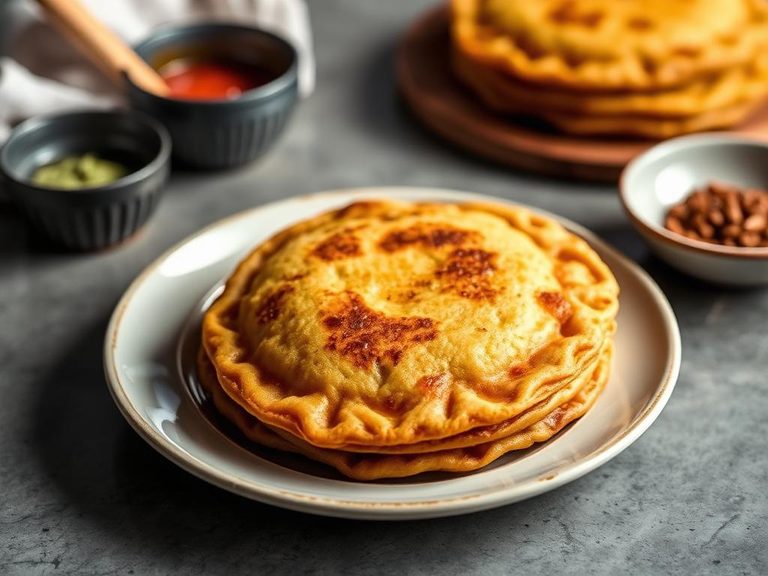
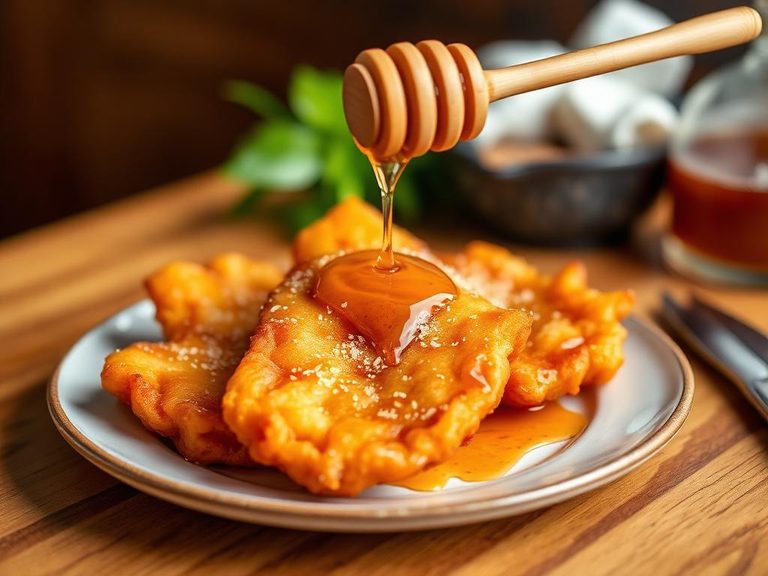
Frybread is a simple, golden-brown flatbread made from a dough of flour, water, salt, and a leavening agent like baking powder, which is then deep-fried or pan-fried. It is a staple food with deep roots in Native American and Indigenous cultures across the United States, particularly associated with the Navajo (Diné) people.
🍳 View the full Frybread recipe →
🍽️ Nutrition at a glance
As a deep-fried bread, frybread is high in carbohydrates and fat, making it a calorie-dense food, with a single piece often ranging from 300 to 500 calories. It primarily provides quick energy from its refined flour and fat content but is generally low in other essential nutrients like fiber, vitamins, and minerals.
Nutrition breakdown
| Calories | 320 kcal |
| Protein | 6 g |
| Carbs | 42 g |
| Fat | 14 g |
| Fiber | 1.5 g |
| Sugar | 2 g |
| Sodium | 380 mg |
| Iron | 2.5 mg |
| Calcium | 60 mg |
| Potassium | 100 mg |
| Phosphorus | 110 mg |
| Thiamin (B1) | 0.3 mg |
| Niacin (B3) | 2.5 mg |
| Folate | 60 mcg |
| Selenium | 12 mcg |
Per 1 piece (approx. 100 g) · estimated, varies by recipe
💡 What's interesting
Frybread carries a complex cultural legacy; while it is a beloved and unifying food at gatherings and powwows, its origins trace back to the U.S. government's forced relocations and rationing of commodity ingredients (flour, lard, sugar) in the 19th century. Nutritionally, it is a classic example of a 'survival food' that transformed into a cultural symbol, though its high glycemic index and fat content make it a food to be enjoyed in moderation.
🍽️ Related dishes



AI estimate may be inaccurate · Terms