Hominy
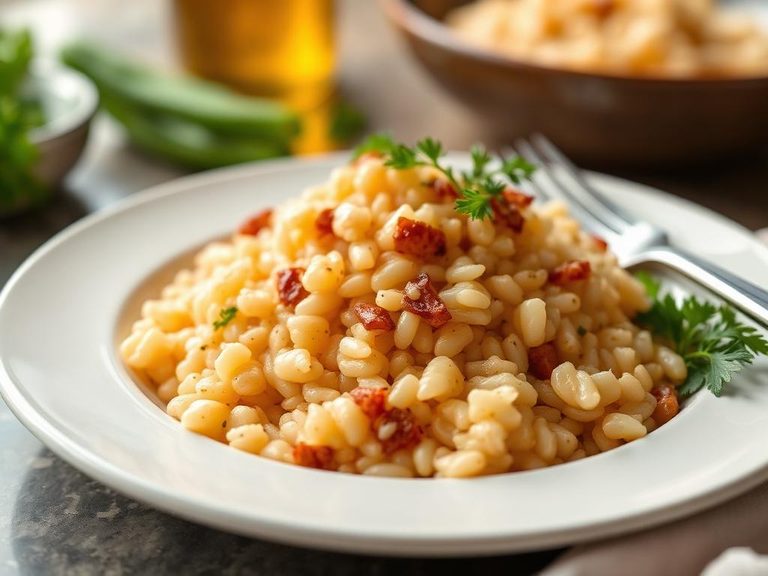
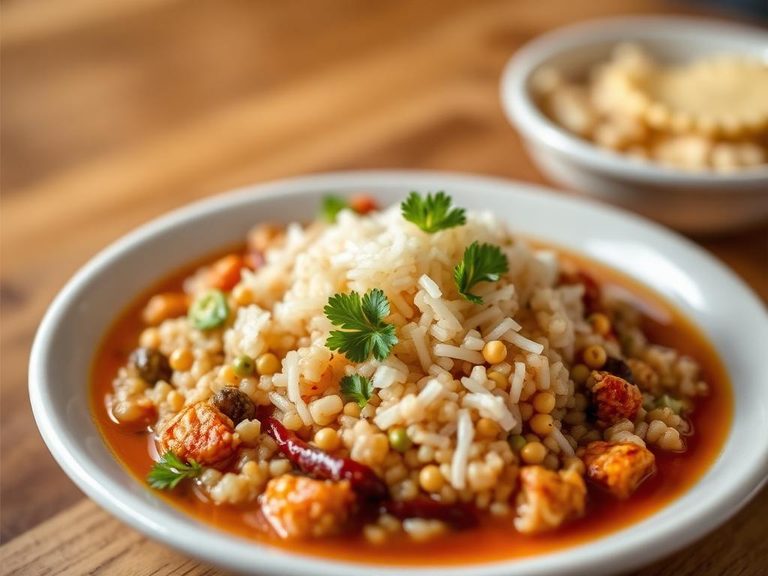
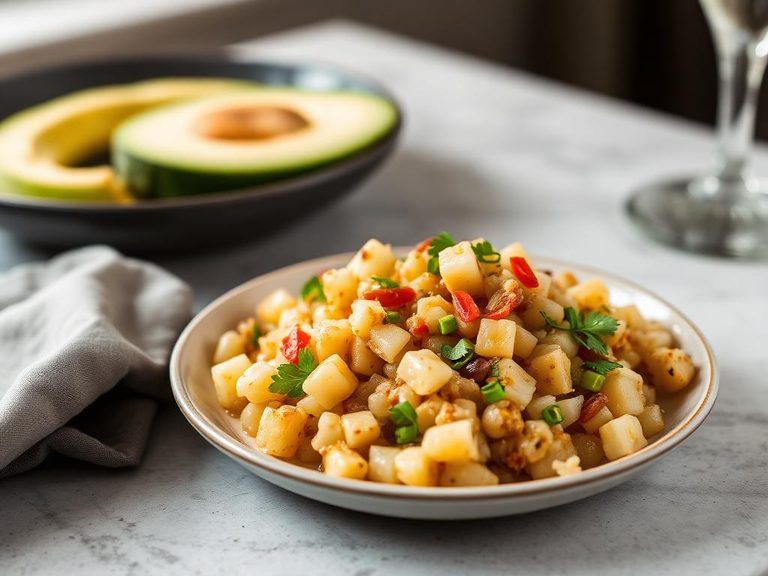
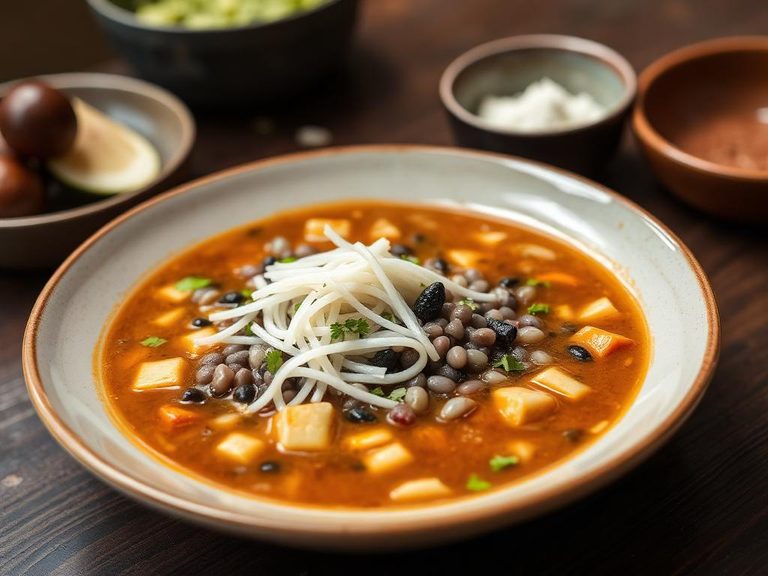
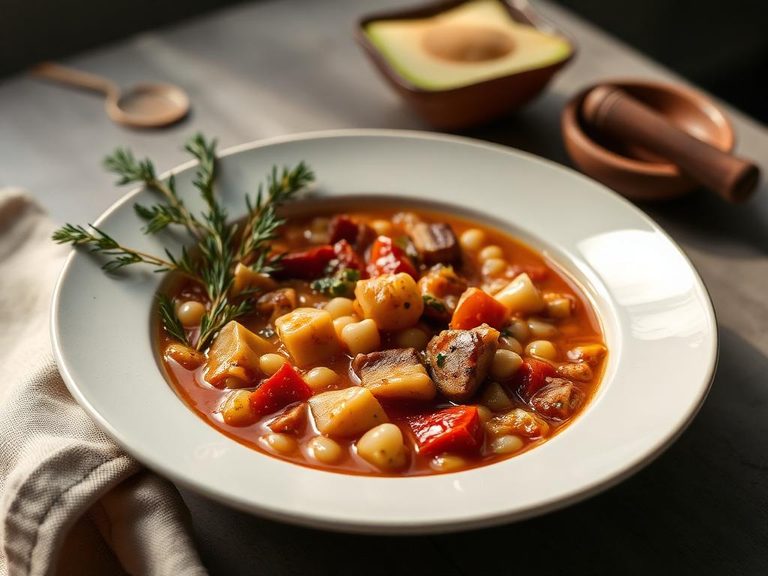
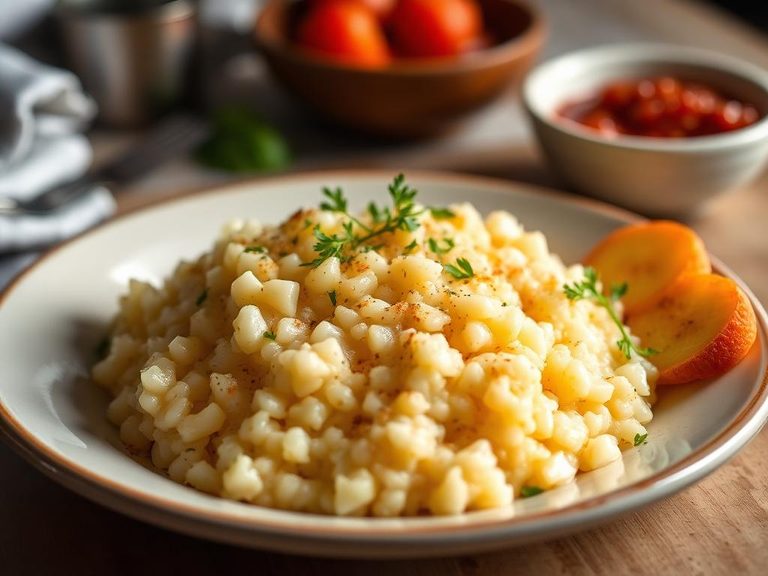
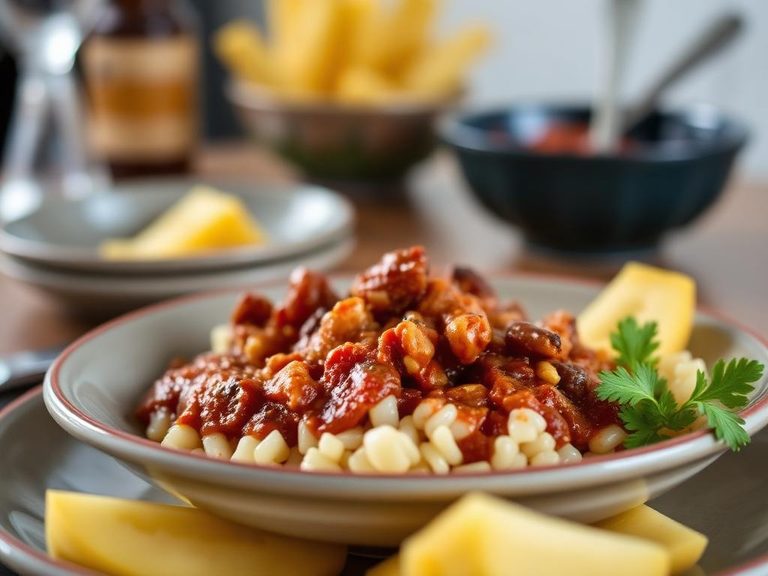
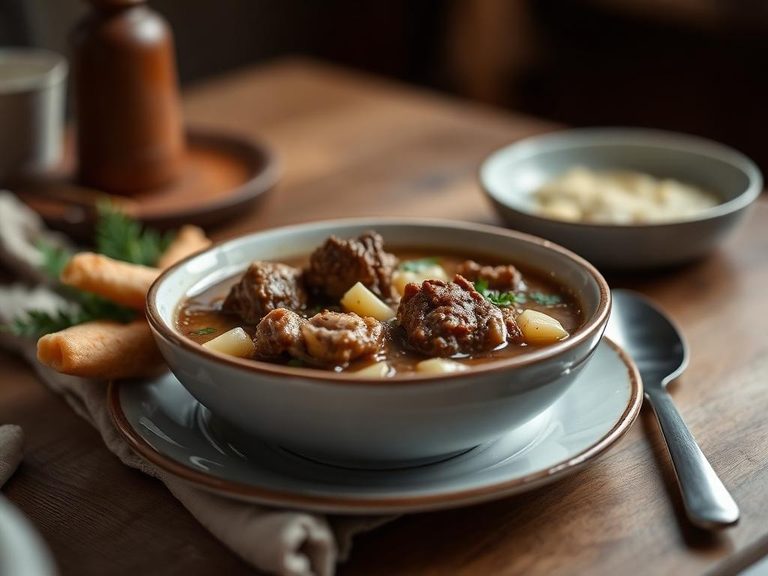
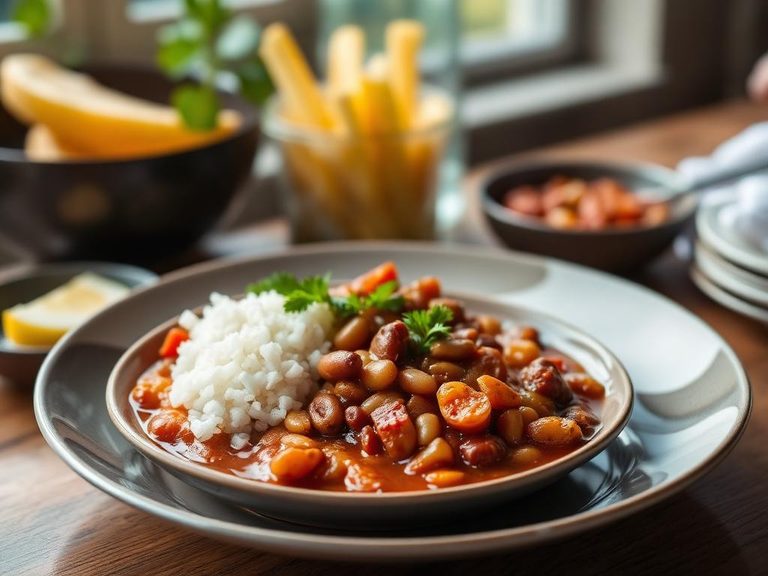
Hominy is a traditional dish made from dried corn kernels that have been treated with an alkali in a process called nixtamalization, which softens the kernels and removes their hulls. It is a staple in Mexican cuisine, where it's often used in soups like pozole, and in the Southern United States, where it's a key ingredient in dishes like hominy grits. The process gives the corn a distinctive chewy texture and a unique, earthy flavor.
🍽️ Nutrition at a glance
Hominy is a good source of complex carbohydrates and provides a moderate amount of protein, with very little fat. It is notably rich in minerals like iron, magnesium, and phosphorus, and a typical one-cup serving contains roughly 120-140 calories.
Nutrition breakdown
| Calories | 128 kcal |
| Protein | 2.4 g |
| Carbs | 27.4 g |
| Fat | 1.4 g |
| Fiber | 4.1 g |
| Sugar | 0.7 g |
| Sodium | 302 mg |
| Iron | 2.0 mg |
| Magnesium | 34 mg |
| Phosphorus | 127 mg |
| Potassium | 231 mg |
| Zinc | 1.1 mg |
| Thiamin (B1) | 0.2 mg |
| Niacin (B3) | 1.6 mg |
| Folate | 24 mcg |
Per 1 cup (164 g) · estimated, varies by recipe
💡 What's interesting
The nixtamalization process used to make hominy is a brilliant ancient technique that not only improves the corn's texture and flavor but also significantly increases the bioavailability of its nutrients, particularly niacin (vitamin B3), preventing deficiency diseases like pellagra.