Hominy Grits
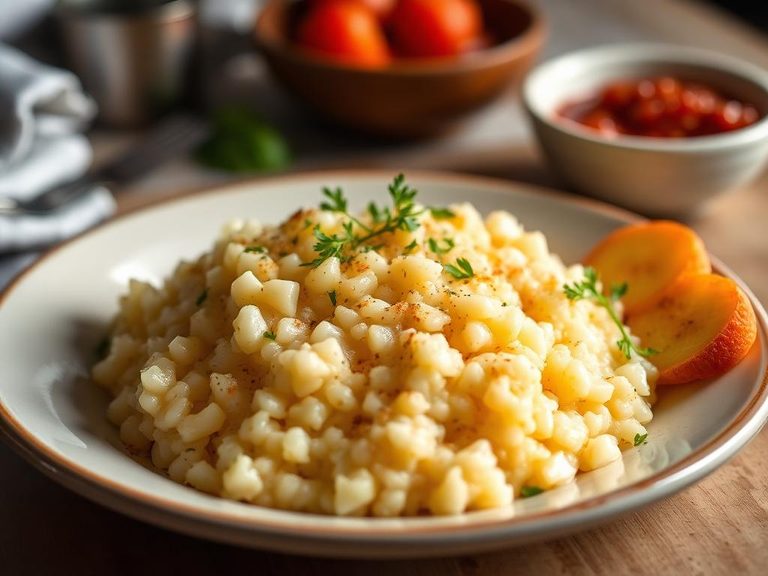
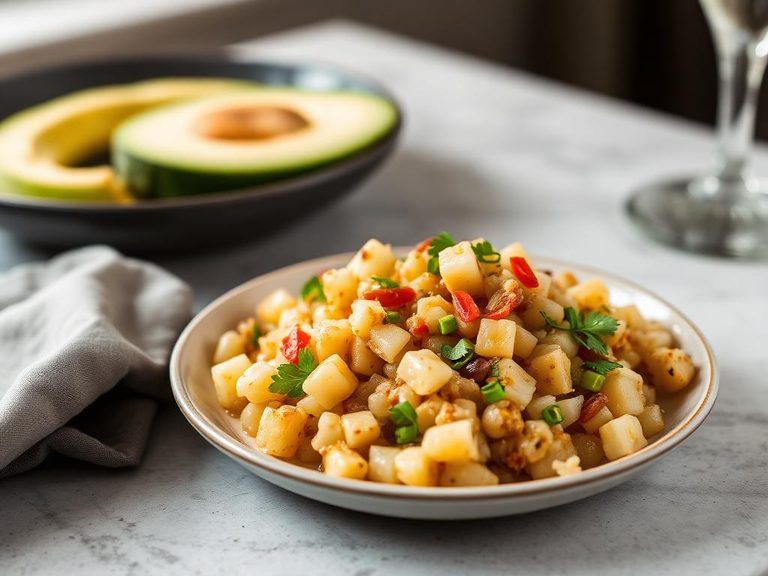
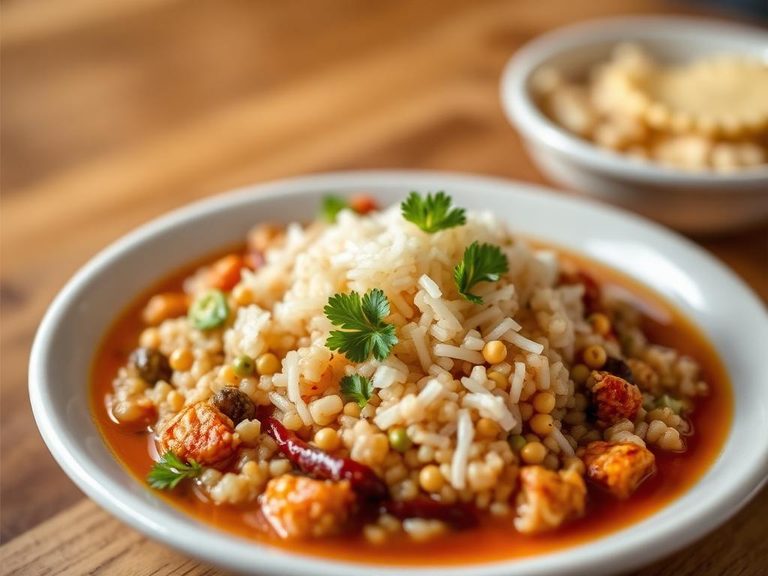
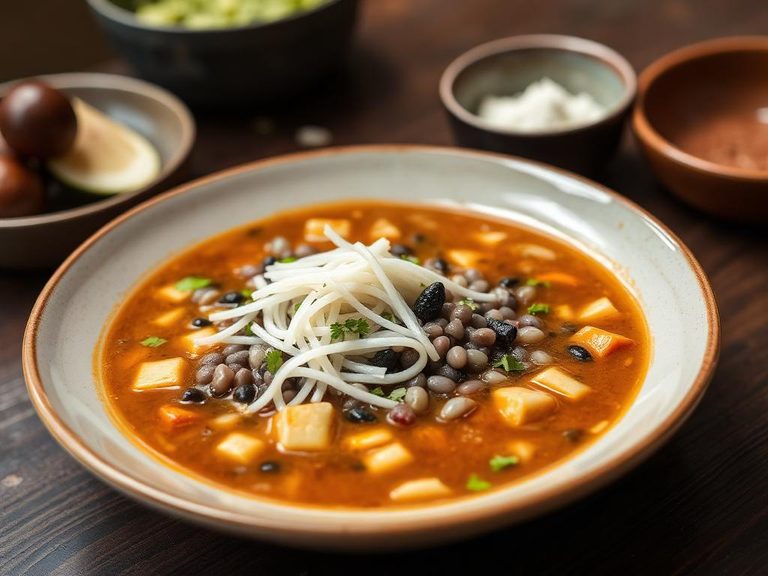
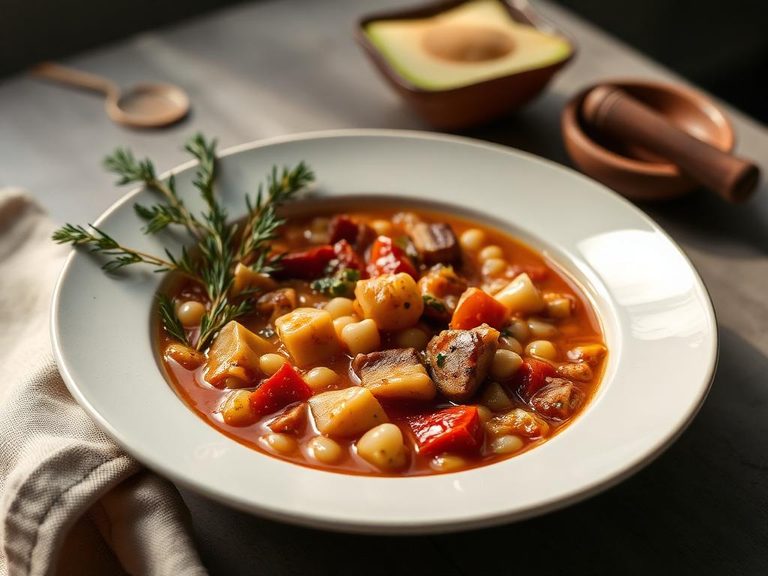
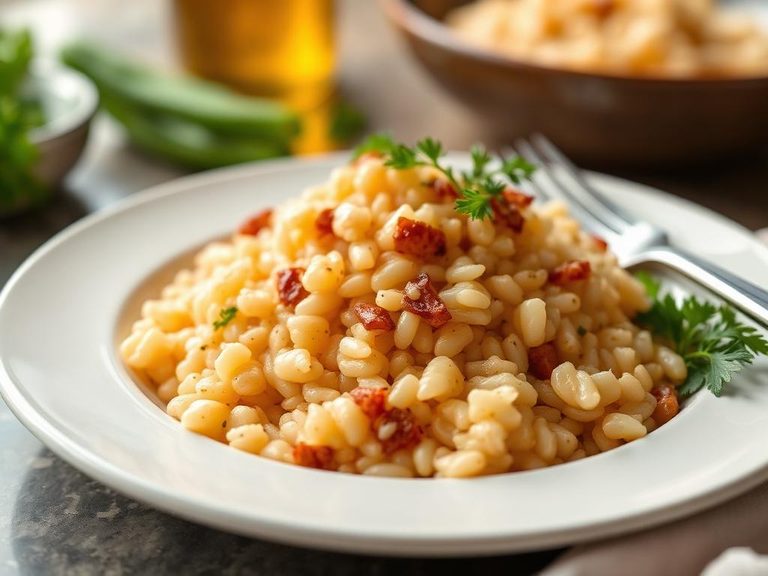
Hominy grits are a traditional Southern American dish made from dried corn kernels that have been treated with an alkali in a process called nixtamalization, then ground into a coarse meal. They are typically cooked with water, milk, or broth to create a creamy, porridge-like consistency, and are often served as a breakfast staple or a savory side dish. This preparation method is a hallmark of Southern U.S. cuisine, particularly in states like South Carolina, Georgia, and Louisiana.
🍽️ Nutrition at a glance
Hominy grits are primarily a source of complex carbohydrates, providing a good amount of energy with a relatively low fat and protein content. They are a notable source of B vitamins like thiamin and niacin, as well as minerals such as iron and magnesium, with a typical 1-cup serving containing around 150-200 calories.
Nutrition breakdown
| Calories | 145 kcal |
| Protein | 3.5 g |
| Carbs | 31 g |
| Fat | 1.5 g |
| Fiber | 3 g |
| Sugar | 1 g |
| Sodium | 350 mg |
| Iron | 4.5 mg |
| Niacin (B3) | 3.5 mg |
| Thiamin (B1) | 0.5 mg |
| Folate | 150 mcg |
| Magnesium | 55 mg |
| Phosphorus | 120 mg |
| Zinc | 1.5 mg |
| Selenium | 8 mcg |
Per 1 cup (240 g) · estimated, varies by recipe
💡 What's interesting
The nixtamalization process used to make hominy is a centuries-old technique that not only softens the corn but also significantly increases the bioavailability of nutrients like niacin, preventing deficiency diseases like pellagra. Culturally, grits are a beloved comfort food in the American South, often sparking friendly debates over the 'proper' way to prepare them—whether creamy or firm, and with or without cheese.