Hominy (Pozole)
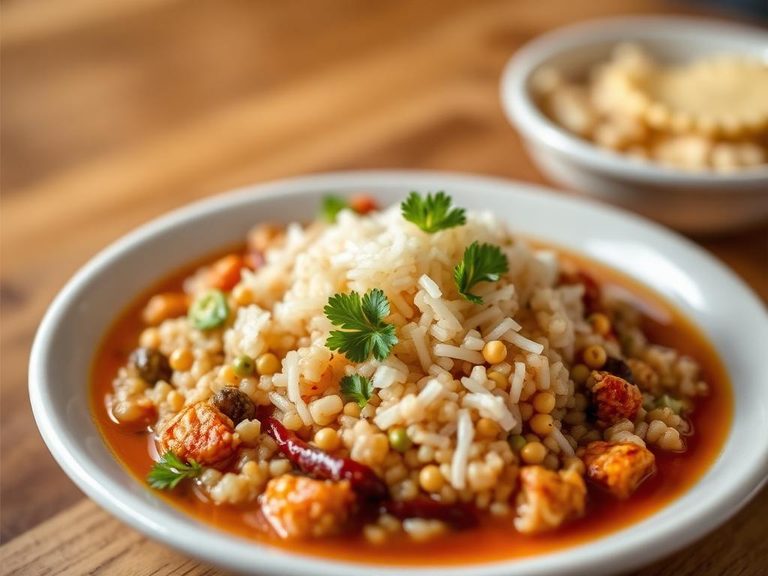
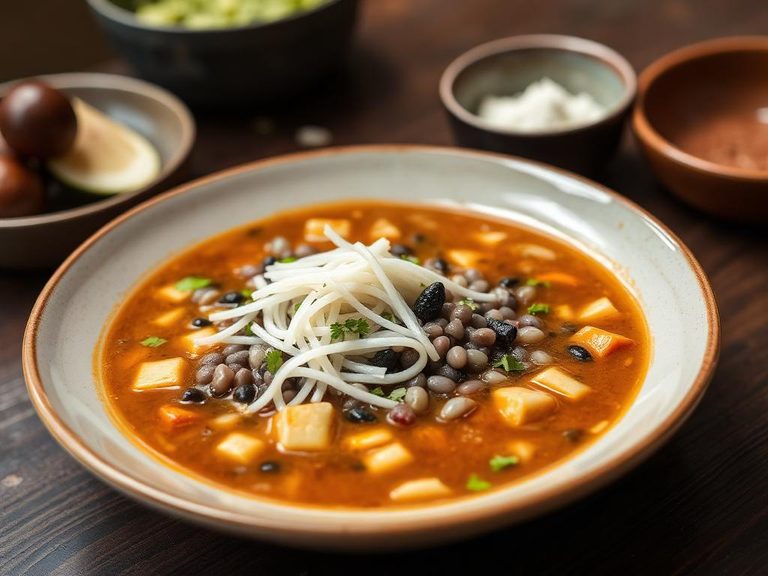
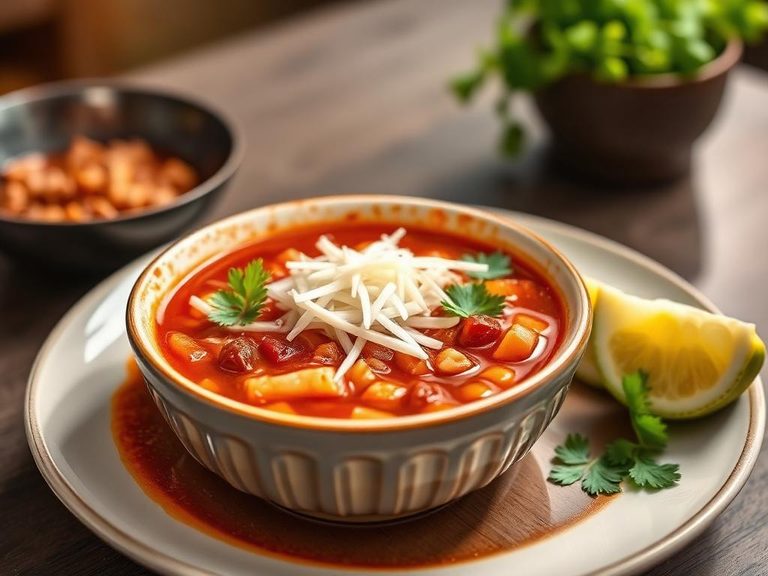
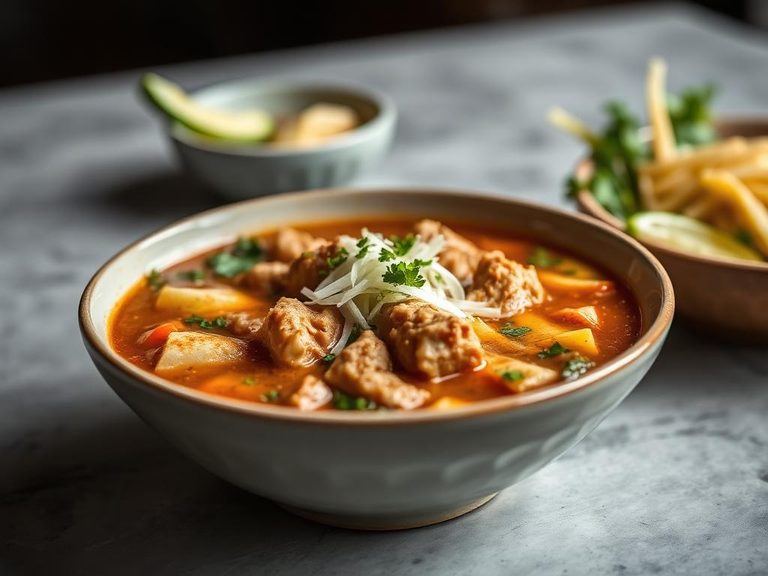
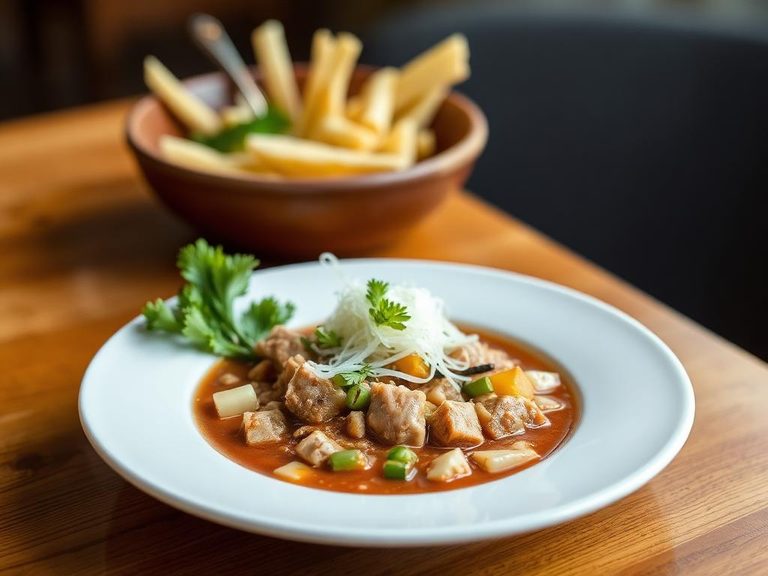
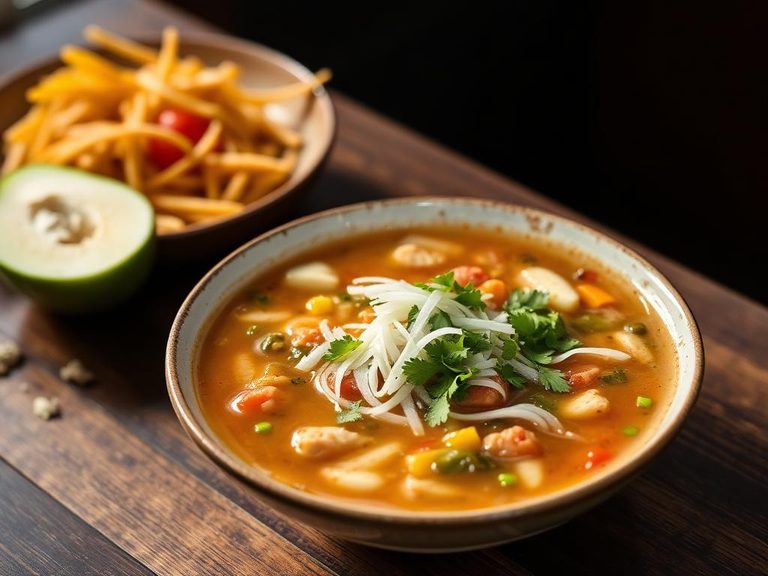
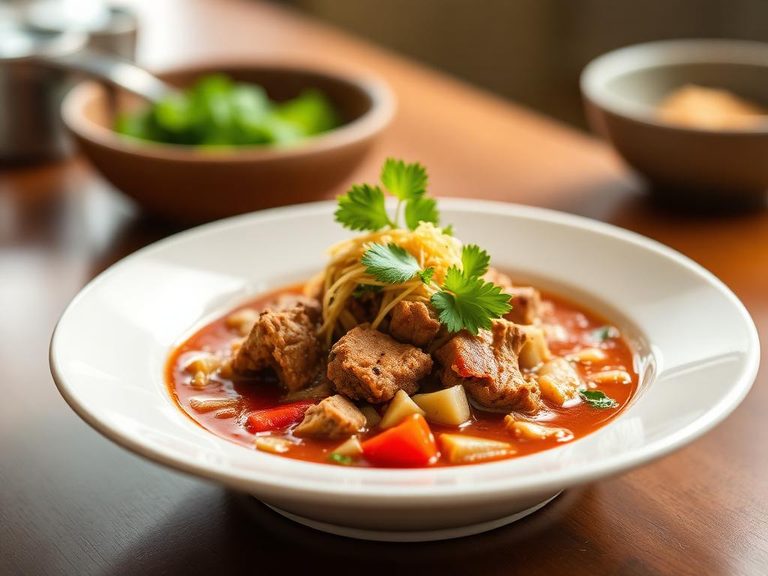
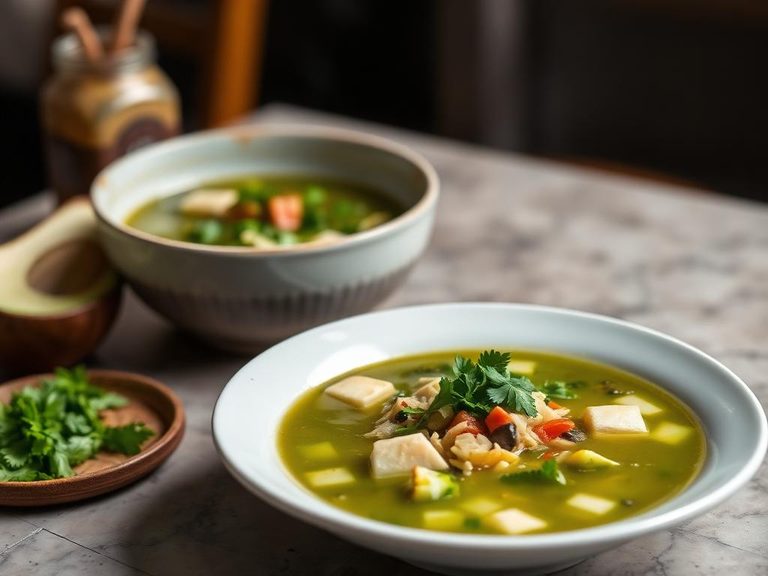
Pozole is a traditional Mexican soup or stew made with hominy (nixtamalized corn kernels), typically simmered with pork or chicken and seasoned with chili peppers, garlic, and herbs. It is often garnished with fresh toppings like shredded cabbage, radishes, lime, and oregano. The dish originates from pre-Columbian Mexico and remains a beloved staple, especially during celebrations.
🍽️ Nutrition at a glance
Pozole is generally high in carbohydrates due to the hominy, with moderate protein from the meat and relatively low fat unless prepared with fatty cuts. It provides fiber, B vitamins, iron, and calcium from the corn and broth, with a typical serving ranging from 250 to 400 calories depending on the recipe.
Nutrition breakdown
| Calories | 120 kcal |
| Protein | 3.5 g |
| Carbs | 22 g |
| Fat | 1.5 g |
| Fiber | 3 g |
| Sugar | 1 g |
| Sodium | 450 mg |
| Potassium | 350 mg |
| Iron | 2.5 mg |
| Phosphorus | 150 mg |
| Magnesium | 60 mg |
| Zinc | 1.2 mg |
| Thiamin (B1) | 0.3 mg |
| Niacin (B3) | 2.0 mg |
| Folate | 120 mcg |
Per 1 cup (240 g) · estimated, varies by recipe
💡 What's interesting
Culturally, pozole has deep roots in Aztec rituals and is often served at holidays like Mexican Independence Day, symbolizing community and heritage. Nutritionally, the nixtamalization process used to make hominy increases the bioavailability of niacin (vitamin B3) and adds calcium, making the corn more nutritious than untreated kernels.