

Cheese, Swiss, nonfat or fat free
Whole food · Dairy and Egg Products
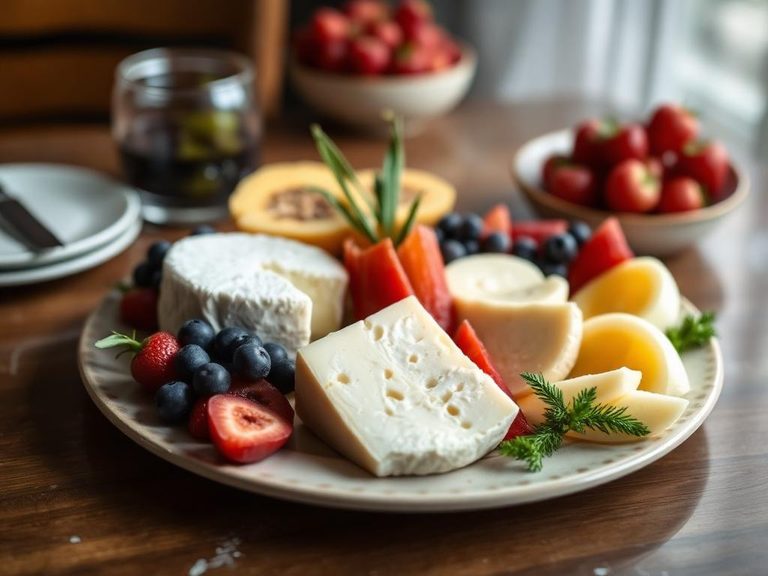
Nonfat Swiss cheese is a firm, pale-yellow cheese known for its signature holes and mild, nutty flavor. It delivers an impressive protein punch with virtually no fat, making it a lean powerhouse for muscle building and satiety. Its texture is slightly rubbery but melts reasonably well for a fat-free product.
Calorie split: 89% protein · 11% carbs · 0% fat
↓ Full nutrition💚 Why it's loved
People love it for its mild, slightly sweet and nutty flavor that doesn't overpower dishes, and its iconic holes make it visually appealing. It's a versatile ingredient that can be sliced for sandwiches, cubed for salads, or melted for a lighter version of classic dishes.
⚠️ Watch-outs & how to enjoy it better
The complete lack of fat can make it taste somewhat dry and rubbery, and it may not melt as smoothly as full-fat versions. Those watching sodium intake should be cautious, as cheese is typically high in salt. To counteract dryness, pair it with moist ingredients like tomatoes or lean meats, and use it in dishes where it's combined with a sauce or liquid.
Key benefits
- Excellent source of high-quality protein (28.4g per 100g)
- Very low in calories and completely fat-free
- Good source of calcium for bone health
- Contains no cholesterol
- Low in carbohydrates and sugars
🍽️ Popular dishes
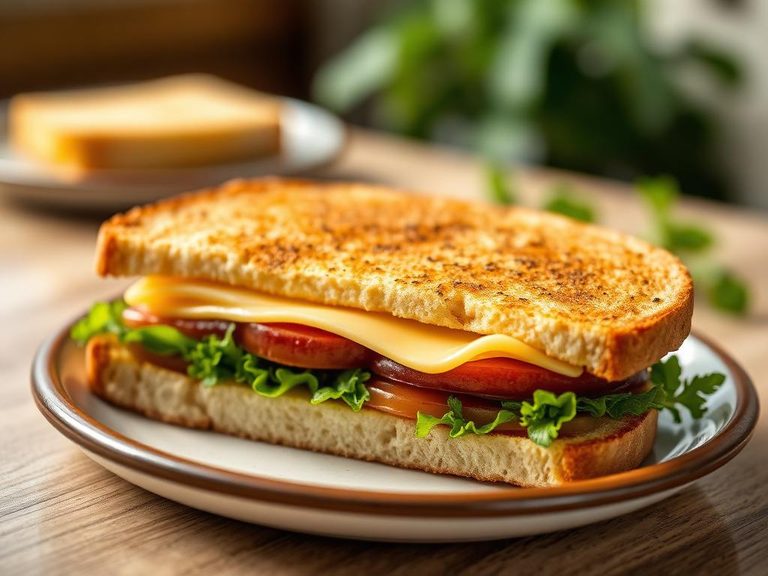
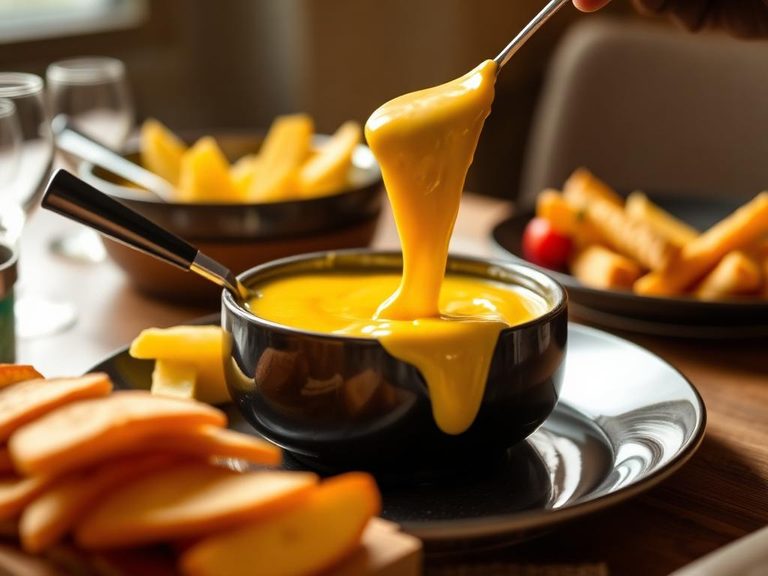
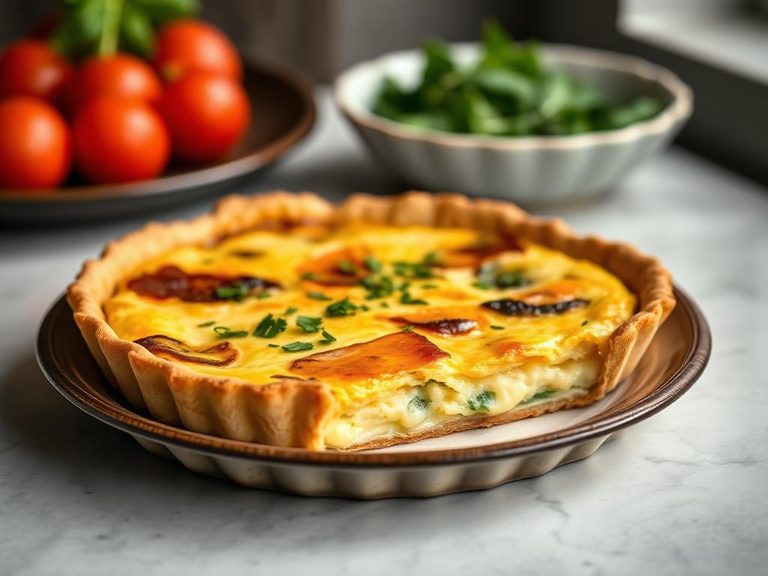
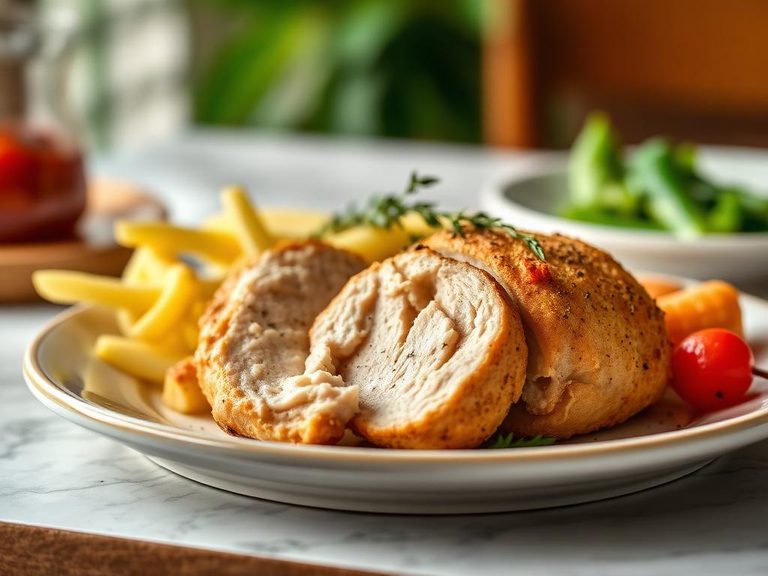
🌍 Where it's eaten
💡 Did you know?
The iconic holes in Swiss cheese, called 'eyes,' are formed by carbon dioxide gas released by bacteria during the fermentation process.
Full nutrition (USDA data · scales with serving)
| Water | 63.6 g |
| Energy | 127 kcal |
| Energy | 532 kj |
| Protein | 28.4 g |
| Total lipid (fat) | 0.00 g |
| Ash | 4.5 g |
| Carbohydrate, by difference | 3.4 g |
| Fiber, total dietary | 0.00 g |
| Total Sugars | 1.3 g |
| Calcium, Ca | 961 mg |
| Iron, Fe | 0.17 mg |
| Magnesium, Mg | 36.0 mg |
| Phosphorus, P | 605 mg |
| Potassium, K | 111 mg |
| Sodium, Na | 1000 mg |
| Zinc, Zn | 3.9 mg |
| Copper, Cu | 0.03 mg |
| Selenium, Se | 12.7 ug |
| Vitamin C, total ascorbic acid | 0.00 mg |
| Thiamin | 0.02 mg |
| Riboflavin | 0.36 mg |
| Niacin | 0.09 mg |
| Vitamin B-6 | 0.08 mg |
| Folate, total | 6.0 ug |
| Folic acid | 0.00 ug |
| Folate, food | 6.0 ug |
| Folate, DFE | 6.0 ug |
| Choline, total | 15.4 mg |
| Vitamin B-12 | 1.7 ug |
| Vitamin B-12, added | 0.00 ug |
| Vitamin A, RAE | 40.0 ug |
| Retinol | 39.0 ug |
| Carotene, beta | 13.0 ug |
| Carotene, alpha | 0.00 ug |
| Cryptoxanthin, beta | 0.00 ug |
| Vitamin A, IU | 152 iu |
| Lycopene | 0.00 ug |
| Lutein + zeaxanthin | 0.00 ug |
| Vitamin E (alpha-tocopherol) | 0.07 mg |
| Vitamin E, added | 0.00 mg |
| Vitamin D (D2 + D3), International Units | 4.0 iu |
| Vitamin D (D2 + D3) | 0.10 ug |
| Vitamin K (phylloquinone) | 0.50 ug |
| Alcohol, ethyl | 0.00 g |
| Caffeine | 0.00 mg |
| Theobromine | 0.00 mg |
Fat & fatty acid profile (per 100g)
| Fatty acids, total saturated | 0.00 g |
| SFA 4:0 | 0.00 g |
| SFA 6:0 | 0.00 g |
| SFA 8:0 | 0.00 g |
| SFA 10:0 | 0.00 g |
| SFA 12:0 | 0.00 g |
| SFA 14:0 | 0.00 g |
| SFA 16:0 | 0.00 g |
| SFA 18:0 | 0.00 g |
| Fatty acids, total monounsaturated | 0.00 g |
| MUFA 16:1 | 0.00 g |
| MUFA 18:1 | 0.00 g |
| MUFA 20:1 | 0.00 g |
| MUFA 22:1 | 0.00 g |
| Fatty acids, total polyunsaturated | 0.00 g |
| PUFA 18:2 | 0.00 g |
| PUFA 18:3 | 0.00 g |
| PUFA 18:4 | 0.00 g |
| PUFA 20:4 | 0.00 g |
| PUFA 20:5 n-3 (EPA) | 0.00 g |
| PUFA 22:5 n-3 (DPA) | 0.00 g |
| PUFA 22:6 n-3 (DHA) | 0.00 g |
| Cholesterol | 18.0 mg |
Amino acid profile (per 100g)
Estimated from Cheese, cottage, with vegetables — USDA does not publish this profile for Cheese.
| Tryptophan | 0.13 g |
| Threonine | 0.53 g |
| Isoleucine | 0.70 g |
| Leucine | 1.2 g |
| Lysine | 0.97 g |
| Methionine | 0.36 g |
| Cystine | 0.11 g |
| Phenylalanine | 0.65 g |
| Tyrosine | 0.64 g |
| Valine | 0.74 g |
| Arginine | 0.55 g |
| Histidine | 0.40 g |
| Alanine | 0.62 g |
| Aspartic acid | 0.82 g |
| Glutamic acid | 2.6 g |
| Glycine | 0.27 g |
| Proline | 1.4 g |
| Serine | 0.67 g |
FAQ
Can I use nonfat Swiss cheese for fondue?
It's challenging because fondue relies on the fat and emulsifying properties of cheese for a smooth, creamy texture. Nonfat cheese will likely result in a grainy, stringy fondue. It's better used in dishes where it's combined with other ingredients.
Why does nonfat Swiss cheese have a different texture?
Fat contributes to a cheese's creaminess and meltability. Removing it leaves a denser, more protein-focused structure that can become rubbery when heated and drier when cold.
Is nonfat Swiss cheese a good option for people with lactose intolerance?
While aging reduces lactose, it's not lactose-free. Those with severe intolerance should still exercise caution, though the high protein and low carb content may be better tolerated than some dairy products.
Nutrient density (calculated · NRF9.3)
Nutrient Rich Foods index: beneficial nutrients (protein, fiber, vitamins, minerals) minus saturated fat, added sugar & sodium, per 100 kcal.
NRF9.3 index — Fulgoni, Keast & Drewnowski, 2009. Computed from USDA nutrients.
Weight-loss friendliness (composite index)
Energy density 1.27 kcal/g · 89% calories from protein · 0.0 g fiber · 1.3 g sugar per 100 g.
Composite of energy density (Rolls et al., 1999), protein & fiber satiety, minus sugar. A calculated heuristic — ranks satiety-per-calorie, not a clinical measure.
Dietary load (calculated from USDA values)
Potential renal acid load. Positive = acid-forming, negative = alkaline-forming.
Sodium-to-potassium ratio: 9.01 (lower is better — aim for ≤ 1)
Sodium:potassium per WHO potassium guidance. Computed from USDA nutrients.