

Cheese, swiss, low sodium
Whole food · Dairy and Egg Products
Low-sodium Swiss cheese offers the same iconic nutty, slightly sweet flavor and firm, supple texture as its traditional counterpart, but with a significantly reduced salt content. It's a nutritional powerhouse, delivering an impressive 28.4 grams of protein per 100 grams, making it one of the most protein-dense cheeses available. The characteristic holes, or 'eyes,' are formed by bacterial cultures during the aging process.
Calorie split: 30% protein · 4% carbs · 66% fat
↓ Full nutrition💚 Why it's loved
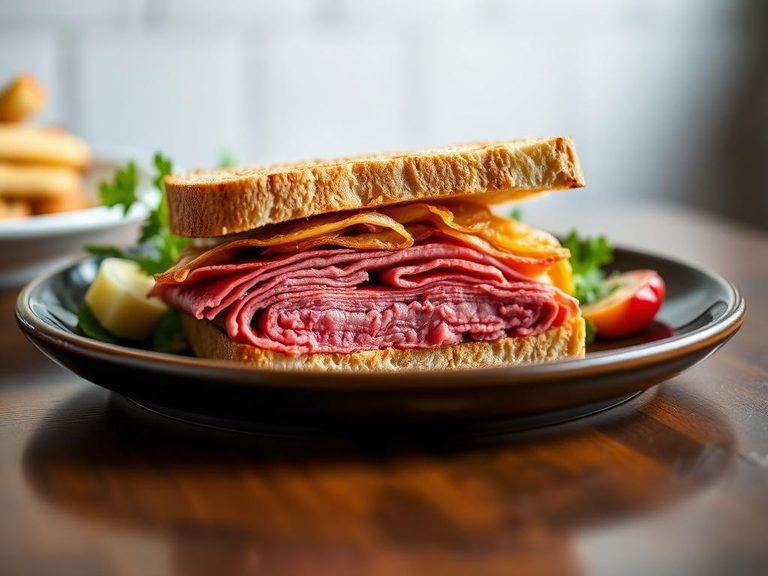
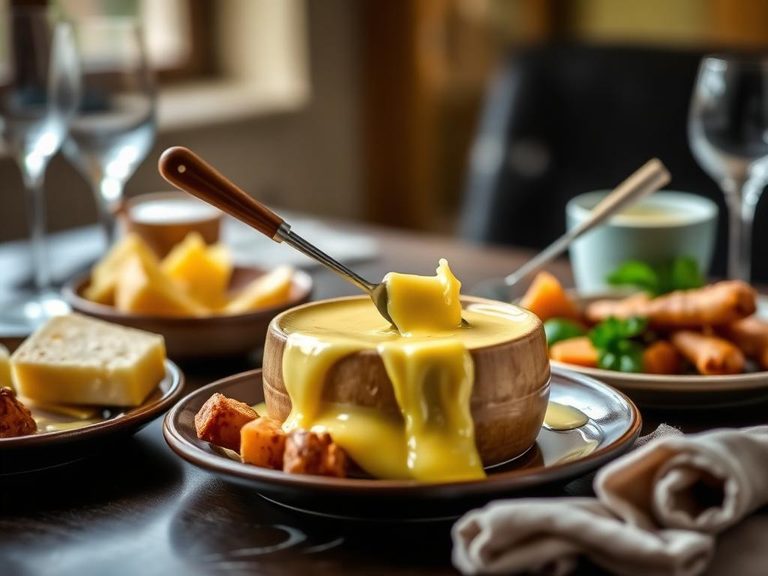
People love its complex, savory flavor that is less sharp than cheddar but more interesting than mozzarella, making it incredibly versatile for both cooking and eating fresh. Its excellent melting properties and classic association with dishes like the Reuben sandwich and Swiss cheese fondue cement its beloved status.
⚠️ Watch-outs & how to enjoy it better
While lower in sodium, it is still a cheese and should be consumed in moderation by those monitoring salt intake. As a dairy product, it contains lactose (though in low amounts) and is a common allergen. To manage intake, pair thin slices with fiber-rich vegetables or whole-grain crackers, and use it as a flavorful accent rather than the main component of a meal.
Key benefits
- Excellent source of high-quality protein for muscle maintenance.
- Rich in calcium for bone and dental health.
- Significantly lower in sodium than traditional Swiss cheese.
- Good source of vitamin B12 for nerve function.
- Contains phosphorus and zinc.
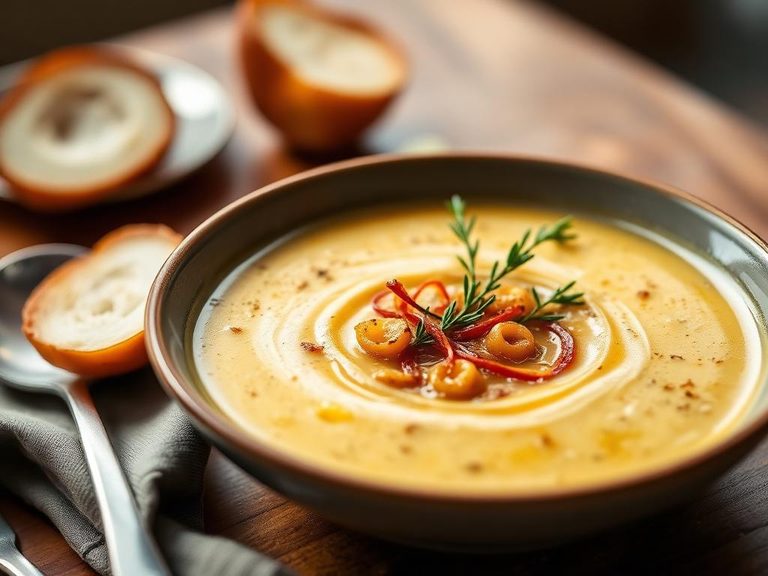
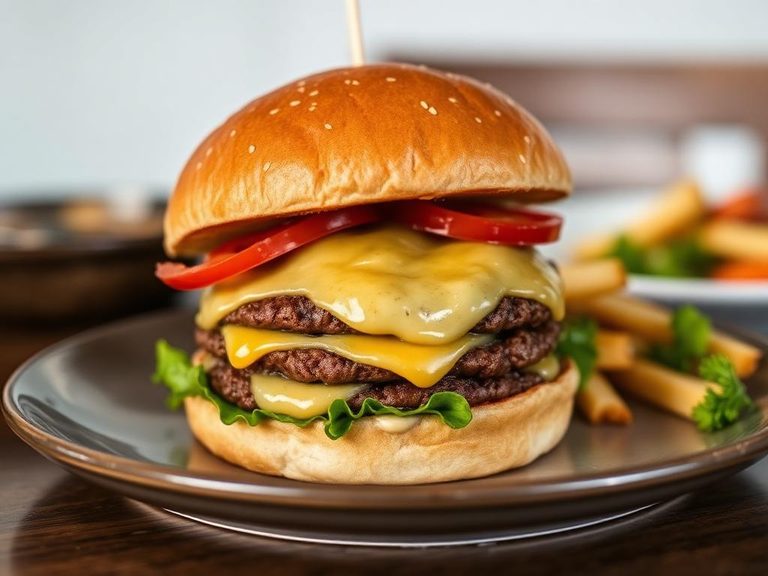
🍽️ Popular dishes
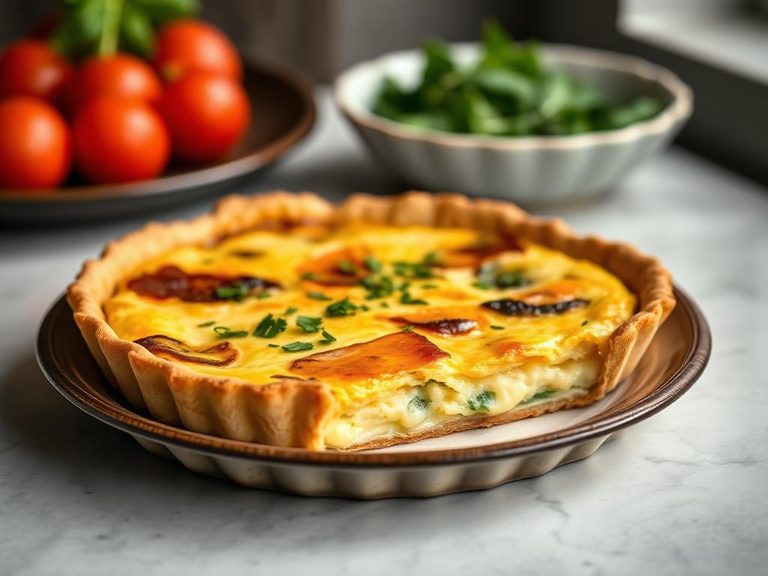
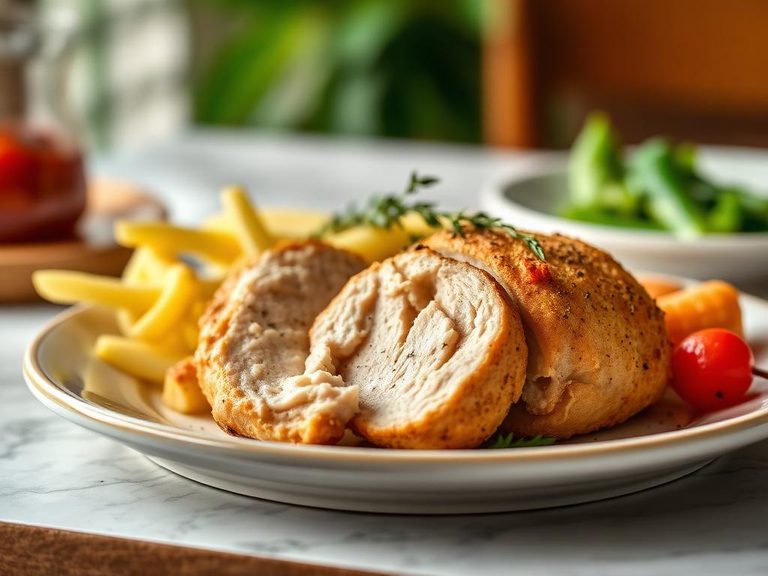
🌍 Where it's eaten
💡 Did you know?
The famous holes in Swiss cheese are caused by the bacterium *Propionibacterium freudenreichii*, which consumes lactic acid and releases carbon dioxide gas during aging, forming the pockets we call 'eyes.'
Full nutrition (USDA data · scales with serving)
| Water | 37.8 g |
| Energy | 374 kcal |
| Energy | 1564 kj |
| Protein | 28.4 g |
| Total lipid (fat) | 27.4 g |
| Ash | 3.0 g |
| Carbohydrate, by difference | 3.4 g |
| Fiber, total dietary | 0.00 g |
| Total Sugars | 1.3 g |
| Calcium, Ca | 961 mg |
| Iron, Fe | 0.17 mg |
| Magnesium, Mg | 36.0 mg |
| Phosphorus, P | 605 mg |
| Potassium, K | 111 mg |
| Sodium, Na | 14.0 mg |
| Zinc, Zn | 3.9 mg |
| Copper, Cu | 0.03 mg |
| Selenium, Se | 12.5 ug |
| Vitamin C, total ascorbic acid | 0.00 mg |
| Thiamin | 0.02 mg |
| Riboflavin | 0.37 mg |
| Niacin | 0.09 mg |
| Vitamin B-6 | 0.08 mg |
| Folate, total | 6.0 ug |
| Folic acid | 0.00 ug |
| Folate, food | 6.0 ug |
| Folate, DFE | 6.0 ug |
| Choline, total | 15.4 mg |
| Vitamin B-12 | 1.7 ug |
| Vitamin B-12, added | 0.00 ug |
| Vitamin A, RAE | 216 ug |
| Retinol | 211 ug |
| Carotene, beta | 69.0 ug |
| Carotene, alpha | 0.00 ug |
| Cryptoxanthin, beta | 0.00 ug |
| Vitamin A, IU | 818 iu |
| Lycopene | 0.00 ug |
| Lutein + zeaxanthin | 0.00 ug |
| Vitamin E (alpha-tocopherol) | 0.37 mg |
| Vitamin E, added | 0.00 mg |
| Vitamin D (D2 + D3), International Units | 20.0 iu |
| Vitamin D (D2 + D3) | 0.50 ug |
| Vitamin D3 (cholecalciferol) | 0.50 ug |
| Vitamin K (phylloquinone) | 2.4 ug |
| Alcohol, ethyl | 0.00 g |
| Caffeine | 0.00 mg |
| Theobromine | 0.00 mg |
Fat & fatty acid profile (per 100g)
| Fatty acids, total saturated | 17.7 g |
| SFA 4:0 | 1.1 g |
| SFA 6:0 | 0.49 g |
| SFA 8:0 | 0.29 g |
| SFA 10:0 | 0.62 g |
| SFA 12:0 | 0.52 g |
| SFA 14:0 | 3.1 g |
| SFA 16:0 | 7.8 g |
| SFA 18:0 | 3.2 g |
| Fatty acids, total monounsaturated | 7.3 g |
| MUFA 16:1 | 0.88 g |
| MUFA 18:1 | 6.0 g |
| MUFA 20:1 | 0.00 g |
| MUFA 22:1 | 0.00 g |
| Fatty acids, total polyunsaturated | 0.97 g |
| PUFA 18:2 | 0.62 g |
| PUFA 18:3 | 0.35 g |
| PUFA 18:4 | 0.00 g |
| PUFA 20:4 | 0.00 g |
| PUFA 20:5 n-3 (EPA) | 0.00 g |
| PUFA 22:5 n-3 (DPA) | 0.00 g |
| PUFA 22:6 n-3 (DHA) | 0.00 g |
| Cholesterol | 92.0 mg |
Amino acid profile (per 100g)
Estimated from Cheese, cottage, with vegetables — USDA does not publish this profile for Cheese.
| Tryptophan | 0.13 g |
| Threonine | 0.53 g |
| Isoleucine | 0.70 g |
| Leucine | 1.2 g |
| Lysine | 0.97 g |
| Methionine | 0.36 g |
| Cystine | 0.11 g |
| Phenylalanine | 0.65 g |
| Tyrosine | 0.64 g |
| Valine | 0.74 g |
| Arginine | 0.55 g |
| Histidine | 0.40 g |
| Alanine | 0.62 g |
| Aspartic acid | 0.82 g |
| Glutamic acid | 2.6 g |
| Glycine | 0.27 g |
| Proline | 1.4 g |
| Serine | 0.67 g |
FAQ
How does low-sodium Swiss cheese taste compared to regular Swiss?
It has the same distinctive nutty, slightly sweet flavor and firm texture, but with a noticeably milder, less salty profile. The full cheese character shines through without the salt dominating.
Is low-sodium Swiss cheese still good for melting?
Yes, it melts beautifully, just like regular Swiss. Its smooth, creamy melt makes it perfect for grilled cheese sandwiches, sauces, and casseroles.
Why is it lower in sodium?
The reduction is achieved by controlling the salt content during the cheesemaking process, particularly in the brining step where the cheese wheels are soaked. This allows the cheese to develop properly with less added salt.
Nutrient density (calculated · NRF9.3)
Nutrient Rich Foods index: beneficial nutrients (protein, fiber, vitamins, minerals) minus saturated fat, added sugar & sodium, per 100 kcal.
NRF9.3 index — Fulgoni, Keast & Drewnowski, 2009. Computed from USDA nutrients.
Weight-loss friendliness (composite index)
Energy density 3.74 kcal/g · 30% calories from protein · 0.0 g fiber · 1.3 g sugar per 100 g.
Composite of energy density (Rolls et al., 1999), protein & fiber satiety, minus sugar. A calculated heuristic — ranks satiety-per-calorie, not a clinical measure.
Dietary load (calculated from USDA values)
Potential renal acid load. Positive = acid-forming, negative = alkaline-forming.
Sodium-to-potassium ratio: 0.13 (lower is better — aim for ≤ 1)
Sodium:potassium per WHO potassium guidance. Computed from USDA nutrients.