

Cheese, ricotta, part skim milk
Whole food · Dairy and Egg Products
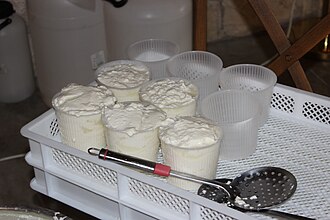
Photo: Wikipedia
Part-skim ricotta is a soft, fresh Italian whey cheese with a delicate, milky sweetness and a creamy, slightly grainy texture. It offers a high-protein, moderate-fat profile, making it a lighter yet satisfying choice for both sweet and savory dishes. Its mild flavor acts as a perfect canvas, absorbing the tastes of herbs, spices, or fruit.
Calorie split: 33% protein · 15% carbs · 52% fat
↓ Full nutrition💚 Why it's loved
People love it for its incredibly versatile, mild flavor that seamlessly blends into lasagna, stuffed shells, or a simple breakfast bowl with honey and fruit. Its light, fluffy texture provides richness without heaviness, making it a staple in Italian and Italian-American home cooking.
⚠️ Watch-outs & how to enjoy it better
While nutritious, it can be high in sodium depending on the brand, which may concern those monitoring salt intake. To counteract this, rinse the cheese briefly under cold water if using in a cooked dish, or pair it with fresh, unsalted ingredients like herbs and vegetables. As a dairy product, it is a common allergen for those with lactose intolerance or milk protein allergies; individuals with these conditions should consider lactose-free alternatives or consult a healthcare provider.
Key benefits
- Excellent source of high-quality protein (11.39g per 100g) for muscle maintenance.
- Lower in fat than whole-milk ricotta while retaining a creamy texture.
- Good source of calcium for bone health.
- Versatile ingredient for both sweet and savory applications.
- Naturally low in sugar (0.31g per 100g).
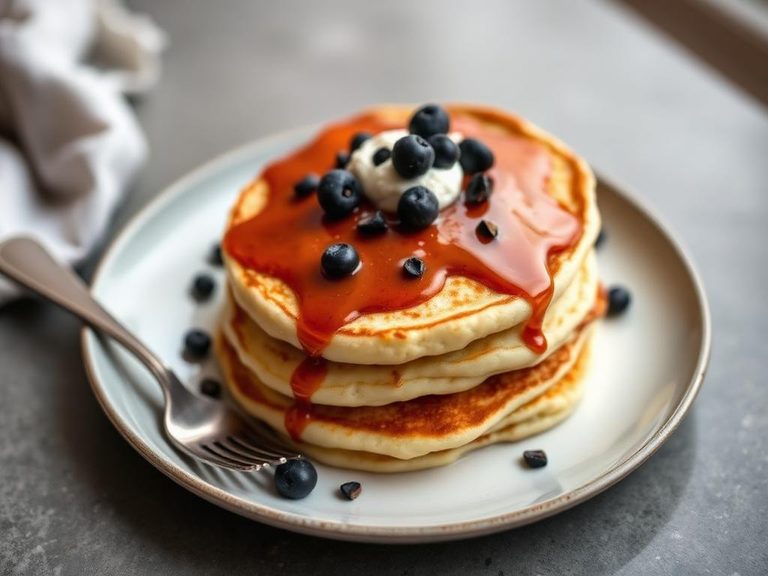
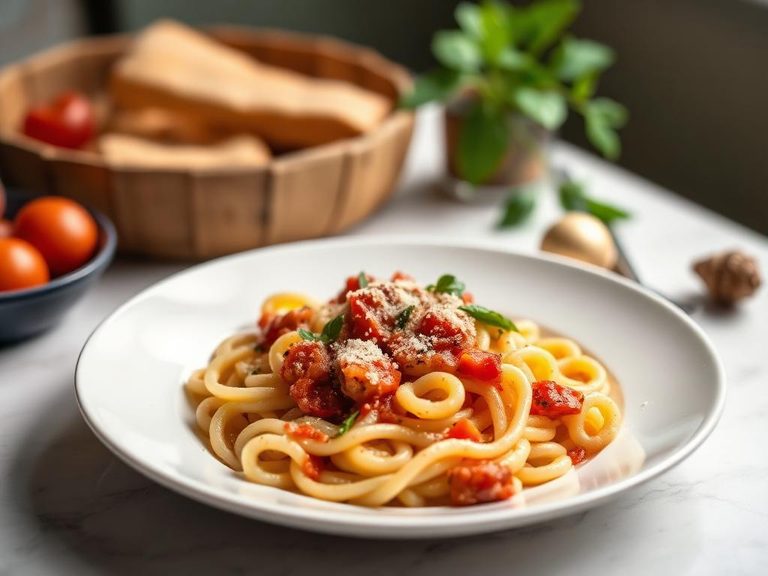
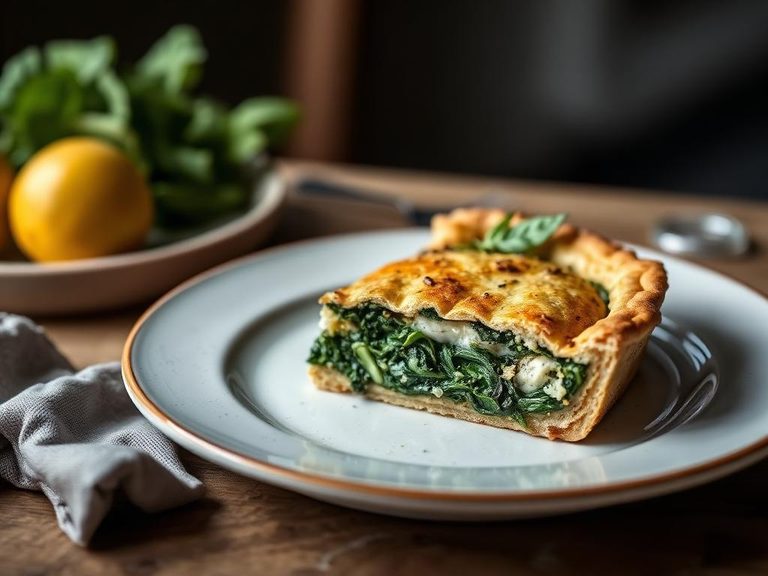
🍽️ Popular dishes
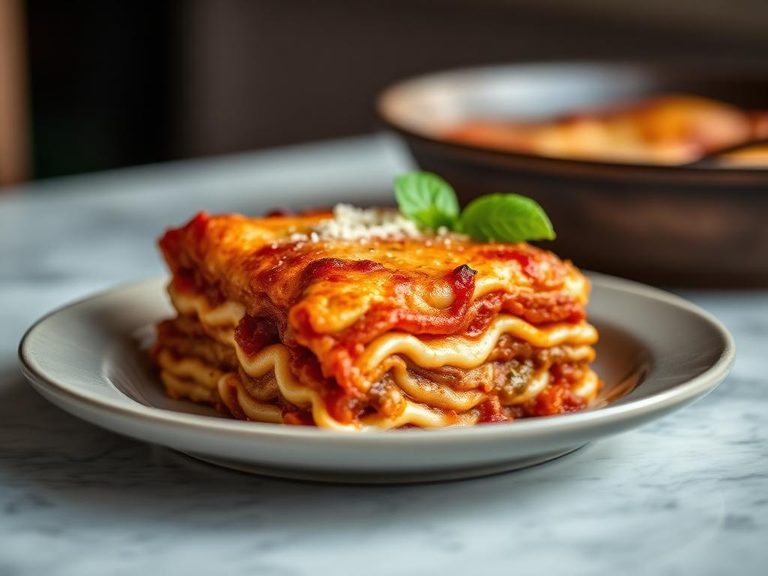
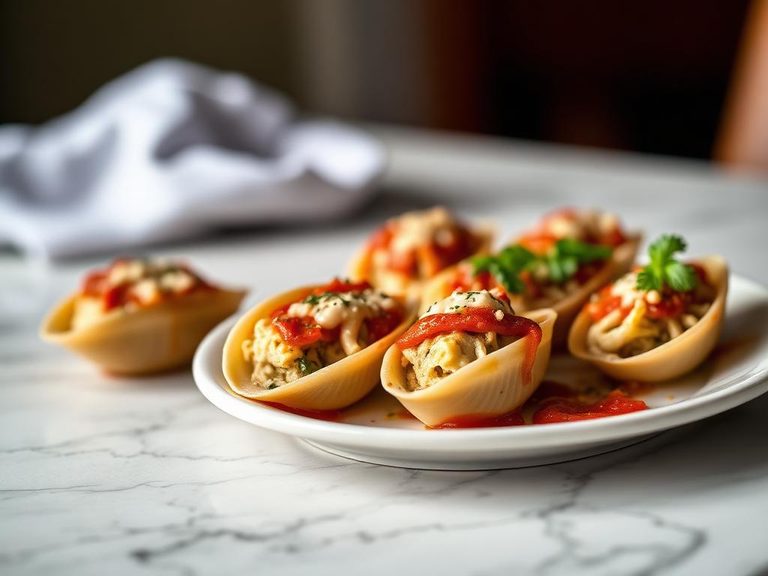
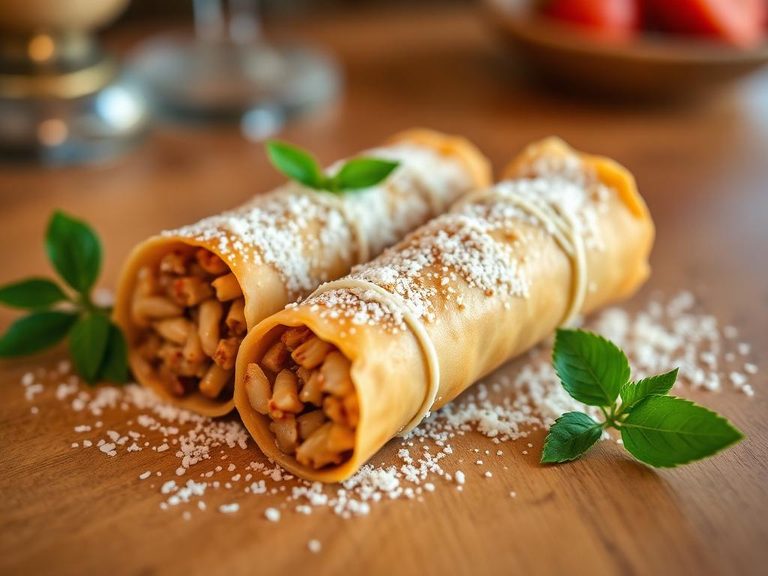
🌍 Where it's eaten
💡 Did you know?
Ricotta, meaning 'recooked' in Italian, is technically not a true cheese but a dairy byproduct made by reheating the whey left over from making other cheeses like mozzarella or provolone.
Full nutrition (USDA data · scales with serving)
| Water | 74.4 g |
| Energy | 138 kcal |
| Energy | 578 kj |
| Protein | 11.4 g |
| Total lipid (fat) | 7.9 g |
| Ash | 1.1 g |
| Carbohydrate, by difference | 5.1 g |
| Fiber, total dietary | 0.00 g |
| Total Sugars | 0.31 g |
| Calcium, Ca | 272 mg |
| Iron, Fe | 0.44 mg |
| Magnesium, Mg | 15.0 mg |
| Phosphorus, P | 183 mg |
| Potassium, K | 125 mg |
| Sodium, Na | 99.0 mg |
| Zinc, Zn | 1.3 mg |
| Copper, Cu | 0.03 mg |
| Manganese, Mn | 0.01 mg |
| Selenium, Se | 16.7 ug |
| Vitamin C, total ascorbic acid | 0.00 mg |
| Thiamin | 0.02 mg |
| Riboflavin | 0.18 mg |
| Niacin | 0.08 mg |
| Pantothenic acid | 0.24 mg |
| Vitamin B-6 | 0.02 mg |
| Folate, total | 13.0 ug |
| Folic acid | 0.00 ug |
| Folate, food | 13.0 ug |
| Folate, DFE | 13.0 ug |
| Choline, total | 16.3 mg |
| Vitamin B-12 | 0.29 ug |
| Vitamin B-12, added | 0.00 ug |
| Vitamin A, RAE | 107 ug |
| Retinol | 105 ug |
| Carotene, beta | 20.0 ug |
| Carotene, alpha | 0.00 ug |
| Cryptoxanthin, beta | 0.00 ug |
| Vitamin A, IU | 384 iu |
| Lycopene | 0.00 ug |
| Lutein + zeaxanthin | 0.00 ug |
| Vitamin E (alpha-tocopherol) | 0.07 mg |
| Vitamin E, added | 0.00 mg |
| Vitamin D (D2 + D3), International Units | 6.0 iu |
| Vitamin D (D2 + D3) | 0.10 ug |
| Vitamin D3 (cholecalciferol) | 0.10 ug |
| Vitamin K (phylloquinone) | 0.70 ug |
| Alcohol, ethyl | 0.00 g |
| Caffeine | 0.00 mg |
| Theobromine | 0.00 mg |
Fat & fatty acid profile (per 100g)
| Fatty acids, total saturated | 4.9 g |
| SFA 4:0 | 0.25 g |
| SFA 6:0 | 0.07 g |
| SFA 8:0 | 0.07 g |
| SFA 10:0 | 0.15 g |
| SFA 12:0 | 0.10 g |
| SFA 14:0 | 0.81 g |
| SFA 16:0 | 2.4 g |
| SFA 18:0 | 0.87 g |
| Fatty acids, total monounsaturated | 2.3 g |
| MUFA 16:1 | 0.28 g |
| MUFA 18:1 | 1.9 g |
| MUFA 20:1 | 0.00 g |
| MUFA 22:1 | 0.00 g |
| Fatty acids, total polyunsaturated | 0.26 g |
| PUFA 18:2 | 0.19 g |
| PUFA 18:3 | 0.07 g |
| PUFA 18:4 | 0.00 g |
| PUFA 20:4 | 0.00 g |
| PUFA 20:5 n-3 (EPA) | 0.00 g |
| PUFA 22:5 n-3 (DPA) | 0.00 g |
| PUFA 22:6 n-3 (DHA) | 0.00 g |
| Cholesterol | 31.0 mg |
Amino acid profile (per 100g)
| Tryptophan | 0.13 g |
| Threonine | 0.52 g |
| Isoleucine | 0.60 g |
| Leucine | 1.2 g |
| Lysine | 1.4 g |
| Methionine | 0.28 g |
| Cystine | 0.10 g |
| Phenylalanine | 0.56 g |
| Tyrosine | 0.60 g |
| Valine | 0.70 g |
| Arginine | 0.64 g |
| Histidine | 0.46 g |
| Alanine | 0.51 g |
| Aspartic acid | 1.0 g |
| Glutamic acid | 2.5 g |
| Glycine | 0.30 g |
| Proline | 1.1 g |
| Serine | 0.58 g |
FAQ
What is the difference between part-skim and whole-milk ricotta?
Part-skim ricotta is made from milk with some fat removed, resulting in a lower fat content (7.91g per 100g) compared to whole-milk ricotta, which is richer and creamier. Both have similar protein levels, but part-skim is often preferred for lighter recipes or calorie-conscious diets.
Can I use part-skim ricotta in place of whole-milk ricotta in recipes?
Yes, part-skim ricotta is a direct substitute in most recipes, though it may yield a slightly less rich texture. It works well in baked dishes like lasagna or stuffed pasta, where other ingredients contribute moisture and fat.
Is part-skim ricotta suitable for a low-carb diet?
Yes, with only 5.14g of carbohydrates per 100g and 0g fiber, it is a good low-carb option, especially when paired with vegetables or protein-rich foods to create balanced meals.
Nutrient density (calculated · NRF9.3)
Nutrient Rich Foods index: beneficial nutrients (protein, fiber, vitamins, minerals) minus saturated fat, added sugar & sodium, per 100 kcal.
NRF9.3 index — Fulgoni, Keast & Drewnowski, 2009. Computed from USDA nutrients.
Weight-loss friendliness (composite index)
Energy density 1.38 kcal/g · 33% calories from protein · 0.0 g fiber · 0.3 g sugar per 100 g.
Composite of energy density (Rolls et al., 1999), protein & fiber satiety, minus sugar. A calculated heuristic — ranks satiety-per-calorie, not a clinical measure.
Dietary load (calculated from USDA values)
Potential renal acid load. Positive = acid-forming, negative = alkaline-forming.
Sodium-to-potassium ratio: 0.79 (lower is better — aim for ≤ 1)
Sodium:potassium per WHO potassium guidance. Computed from USDA nutrients.