

Cheese, provolone, reduced fat
Whole food · Dairy and Egg Products

Photo: Wikipedia
Reduced-fat provolone is a semi-hard Italian cheese with a mild, slightly piquant flavor that deepens with age. It offers a firm, smooth texture ideal for melting, making it a lighter alternative to full-fat versions. With 24.7g of protein per 100g, it's a high-protein, low-carb option for those watching their intake.
Calorie split: 36% protein · 5% carbs · 58% fat
↓ Full nutrition💚 Why it's loved
People love it for its perfect balance of mild sharpness and excellent meltability, making it a versatile staple in sandwiches and pizzas. Its cultural significance in Italian-American cuisine, from subs to antipasto platters, adds a layer of nostalgic comfort.
⚠️ Watch-outs & how to enjoy it better
It can be high in sodium, which may be a concern for those monitoring blood pressure. To counteract this, pair it with potassium-rich foods like leafy greens or tomatoes and practice portion control. As a dairy product, it's a common allergen for those with lactose intolerance or milk protein allergies.
Key benefits
- High in protein for muscle maintenance and satiety.
- Low in carbohydrates, suitable for keto and low-carb diets.
- Good source of calcium for bone health.
- Provides vitamin B12, essential for nerve function.
- Lower in fat than traditional provolone, reducing calorie density.
🍽️ Popular dishes
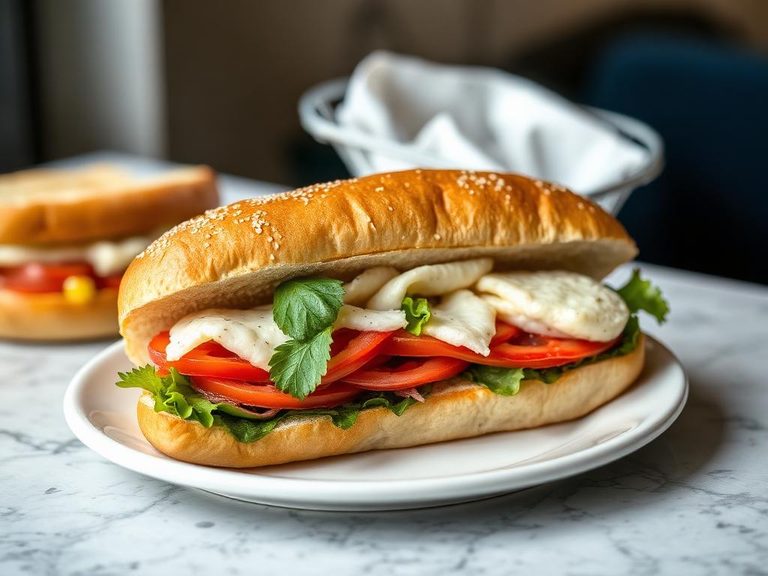
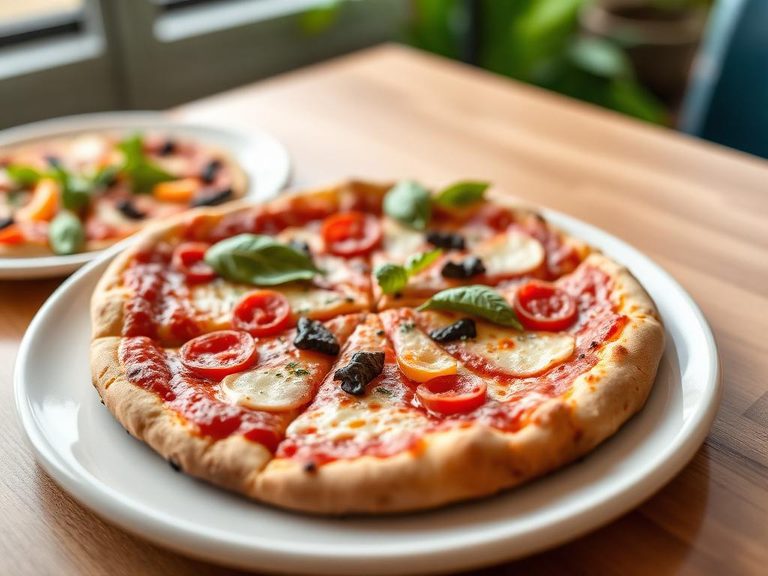
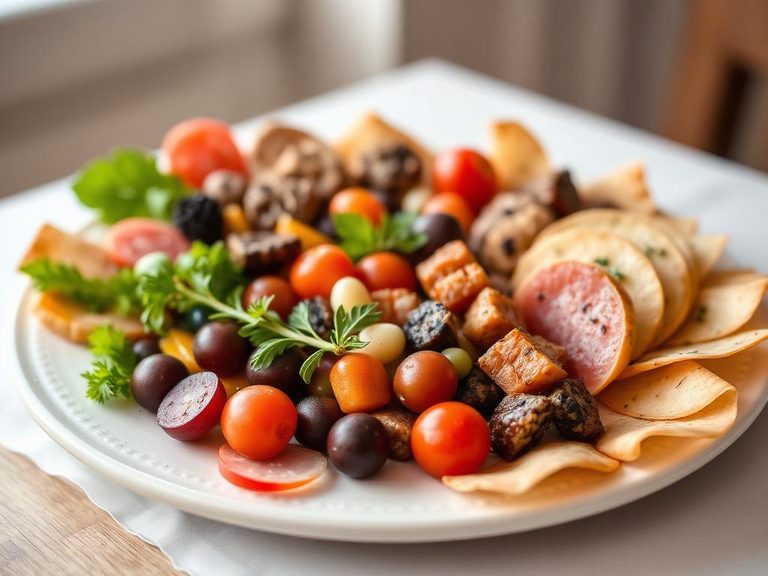
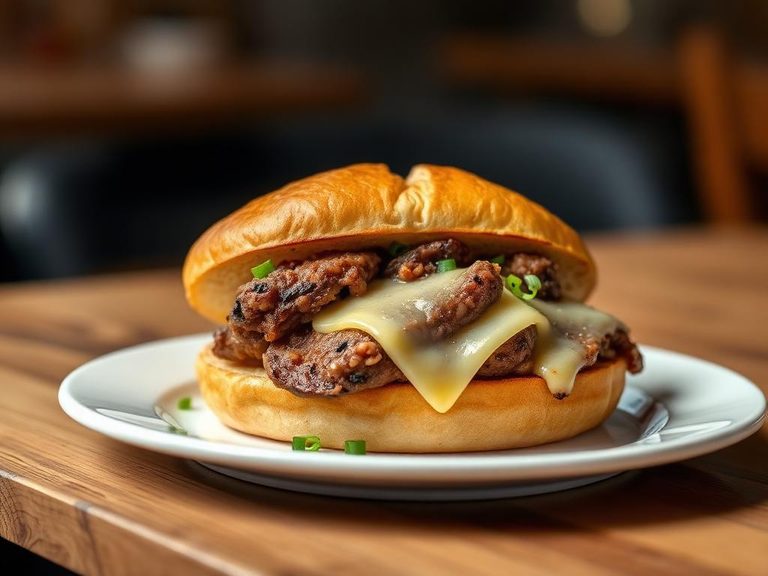
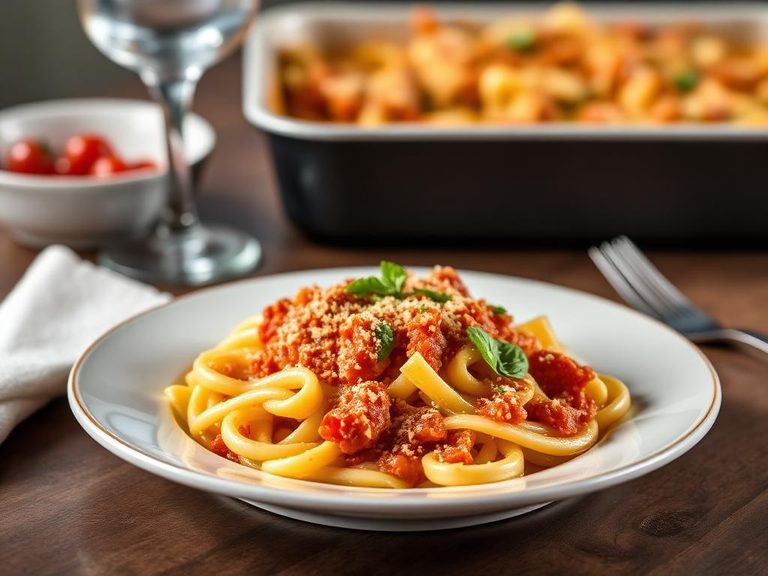
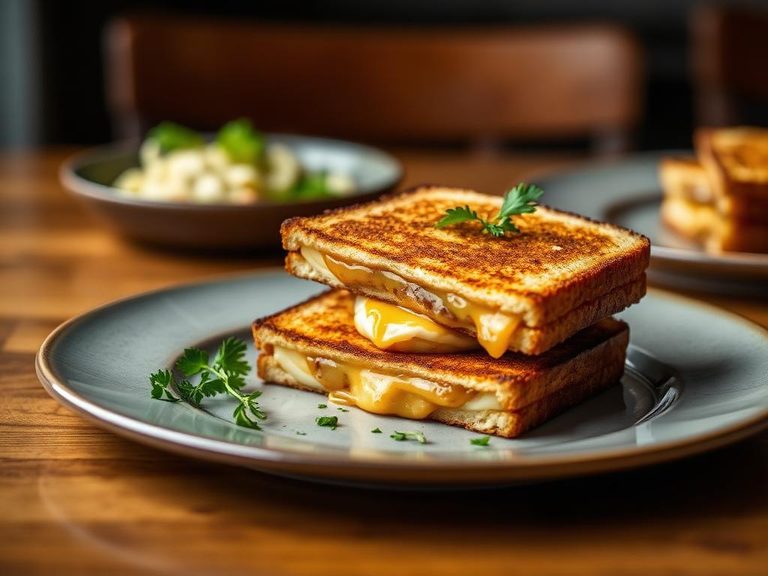
🌍 Where it's eaten
💡 Did you know?
Provolone cheese is traditionally shaped and aged in a way that creates a distinctive 'pear' or 'cylindrical' form, often tied with a string during production, which leaves a characteristic hole in the center.
Full nutrition (USDA data · scales with serving)
| Water | 50.6 g |
| Energy | 274 kcal |
| Energy | 1146 kj |
| Protein | 24.7 g |
| Total lipid (fat) | 17.6 g |
| Ash | 3.6 g |
| Carbohydrate, by difference | 3.5 g |
| Fiber, total dietary | 0.00 g |
| Total Sugars | 0.55 g |
| Calcium, Ca | 756 mg |
| Iron, Fe | 0.52 mg |
| Magnesium, Mg | 28.0 mg |
| Phosphorus, P | 496 mg |
| Potassium, K | 138 mg |
| Sodium, Na | 615 mg |
| Zinc, Zn | 3.2 mg |
| Copper, Cu | 0.03 mg |
| Manganese, Mn | 0.01 mg |
| Selenium, Se | 14.5 ug |
| Vitamin C, total ascorbic acid | 0.00 mg |
| Thiamin | 0.02 mg |
| Riboflavin | 0.32 mg |
| Niacin | 0.16 mg |
| Pantothenic acid | 0.48 mg |
| Vitamin B-6 | 0.07 mg |
| Folate, total | 10.0 ug |
| Folic acid | 0.00 ug |
| Folate, food | 10.0 ug |
| Folate, DFE | 10.0 ug |
| Choline, total | 12.9 mg |
| Vitamin B-12 | 1.5 ug |
| Vitamin B-12, added | 0.00 ug |
| Vitamin A, RAE | 141 ug |
| Retinol | 137 ug |
| Carotene, beta | 45.0 ug |
| Carotene, alpha | 0.00 ug |
| Cryptoxanthin, beta | 0.00 ug |
| Vitamin A, IU | 532 iu |
| Lycopene | 0.00 ug |
| Lutein + zeaxanthin | 0.00 ug |
| Vitamin E (alpha-tocopherol) | 0.15 mg |
| Vitamin E, added | 0.00 mg |
| Vitamin D (D2 + D3), International Units | 13.0 iu |
| Vitamin D (D2 + D3) | 0.30 ug |
| Vitamin D3 (cholecalciferol) | 0.30 ug |
| Vitamin K (phylloquinone) | 1.5 ug |
| Alcohol, ethyl | 0.00 g |
| Caffeine | 0.00 mg |
| Theobromine | 0.00 mg |
Fat & fatty acid profile (per 100g)
| Fatty acids, total saturated | 11.3 g |
| SFA 4:0 | 0.65 g |
| SFA 6:0 | 0.24 g |
| SFA 8:0 | 0.17 g |
| SFA 10:0 | 0.32 g |
| SFA 12:0 | 0.23 g |
| SFA 14:0 | 1.8 g |
| SFA 16:0 | 5.4 g |
| SFA 18:0 | 2.0 g |
| Fatty acids, total monounsaturated | 4.9 g |
| MUFA 16:1 | 0.58 g |
| MUFA 18:1 | 4.1 g |
| MUFA 20:1 | 0.00 g |
| MUFA 22:1 | 0.00 g |
| Fatty acids, total polyunsaturated | 0.51 g |
| PUFA 18:2 | 0.33 g |
| PUFA 18:3 | 0.18 g |
| PUFA 18:4 | 0.00 g |
| PUFA 20:4 | 0.00 g |
| PUFA 20:5 n-3 (EPA) | 0.00 g |
| PUFA 22:5 n-3 (DPA) | 0.00 g |
| PUFA 22:6 n-3 (DHA) | 0.00 g |
| Cholesterol | 55.0 mg |
Amino acid profile (per 100g)
| Tryptophan | 0.34 g |
| Threonine | 0.98 g |
| Isoleucine | 1.1 g |
| Leucine | 2.3 g |
| Lysine | 2.6 g |
| Methionine | 0.69 g |
| Cystine | 0.12 g |
| Phenylalanine | 1.3 g |
| Tyrosine | 1.5 g |
| Valine | 1.6 g |
| Arginine | 1.0 g |
| Histidine | 1.1 g |
| Alanine | 0.71 g |
| Aspartic acid | 1.7 g |
| Glutamic acid | 6.2 g |
| Glycine | 0.43 g |
| Proline | 2.8 g |
| Serine | 1.5 g |
FAQ
Is reduced-fat provolone as flavorful as regular provolone?
Yes, it retains the characteristic mild, slightly tangy flavor, though some may find it slightly less rich. Its melting properties remain excellent for cooking.
How does reduced-fat provolone compare nutritionally to regular provolone?
It has about 30-40% less fat and fewer calories per serving, while maintaining similar protein and calcium levels, making it a lighter choice without sacrificing key nutrients.
Can I use reduced-fat provolone in recipes that call for regular provolone?
Absolutely. It melts well and works in sandwiches, pizzas, and baked dishes. For best results, use it in recipes where it's combined with other ingredients to maintain moisture and texture.
Nutrient density (calculated · NRF9.3)
Nutrient Rich Foods index: beneficial nutrients (protein, fiber, vitamins, minerals) minus saturated fat, added sugar & sodium, per 100 kcal.
NRF9.3 index — Fulgoni, Keast & Drewnowski, 2009. Computed from USDA nutrients.
Weight-loss friendliness (composite index)
Energy density 2.74 kcal/g · 36% calories from protein · 0.0 g fiber · 0.6 g sugar per 100 g.
Composite of energy density (Rolls et al., 1999), protein & fiber satiety, minus sugar. A calculated heuristic — ranks satiety-per-calorie, not a clinical measure.
Dietary load (calculated from USDA values)
Potential renal acid load. Positive = acid-forming, negative = alkaline-forming.
Sodium-to-potassium ratio: 4.46 (lower is better — aim for ≤ 1)
Sodium:potassium per WHO potassium guidance. Computed from USDA nutrients.