

Cheese, mozzarella, low sodium
Whole food · Dairy and Egg Products

Photo: Wikipedia
Low-sodium mozzarella is a fresh, semi-soft Italian cheese prized for its delicate milky flavor and signature springy, moist texture. It offers a robust protein punch (27.5g per 100g) with significantly less sodium than its traditional counterpart, making it a heart-friendly choice for cheese lovers.
Calorie split: 40% protein · 4% carbs · 56% fat
↓ Full nutrition💚 Why it's loved
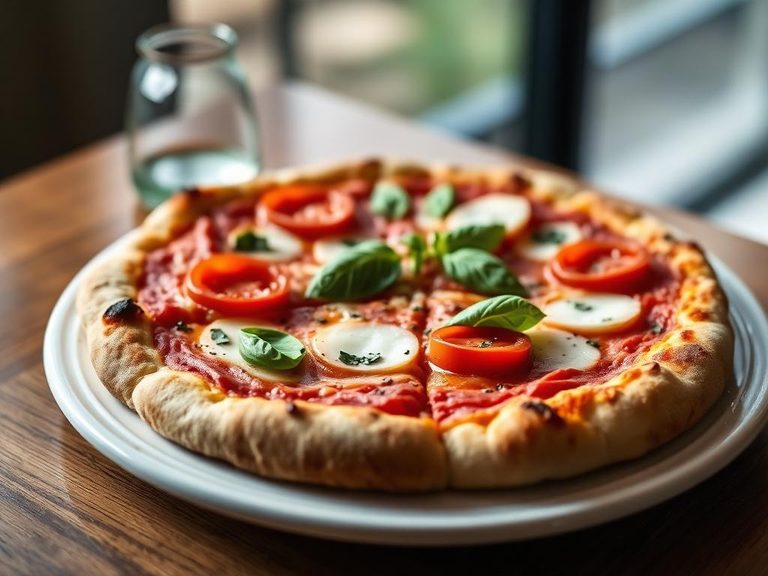
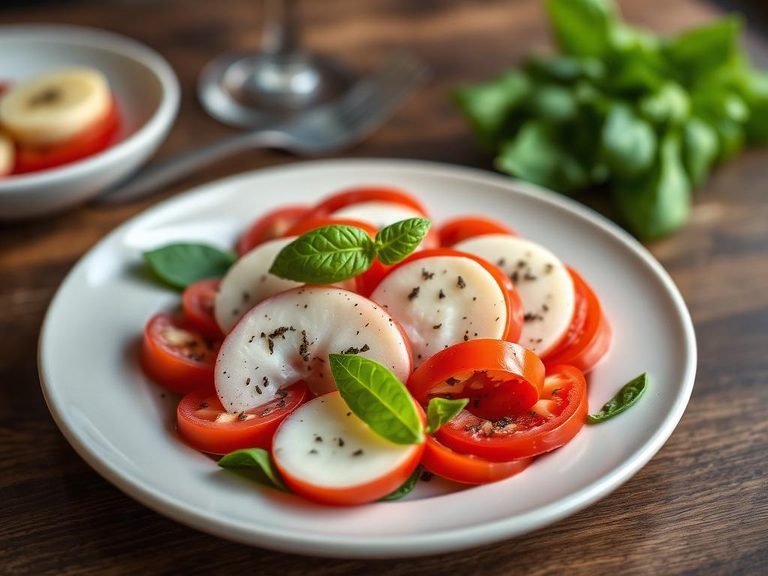
People adore its mild, milky taste and satisfyingly chewy yet tender texture, which melts beautifully into stretchy, golden layers. Its culinary versatility makes it a beloved staple, from classic pizza to fresh caprese salads.
⚠️ Watch-outs & how to enjoy it better
While lower in sodium, it is still a dairy product and a common allergen. Those monitoring saturated fat intake should practice portion control. To balance a meal, pair it with fiber-rich vegetables like tomatoes or leafy greens to aid digestion and create a more balanced nutritional profile.
Key benefits
- High-quality complete protein source
- Significantly reduced sodium content
- Good source of calcium
- Lower in lactose than aged cheeses
- Versatile for both hot and cold dishes
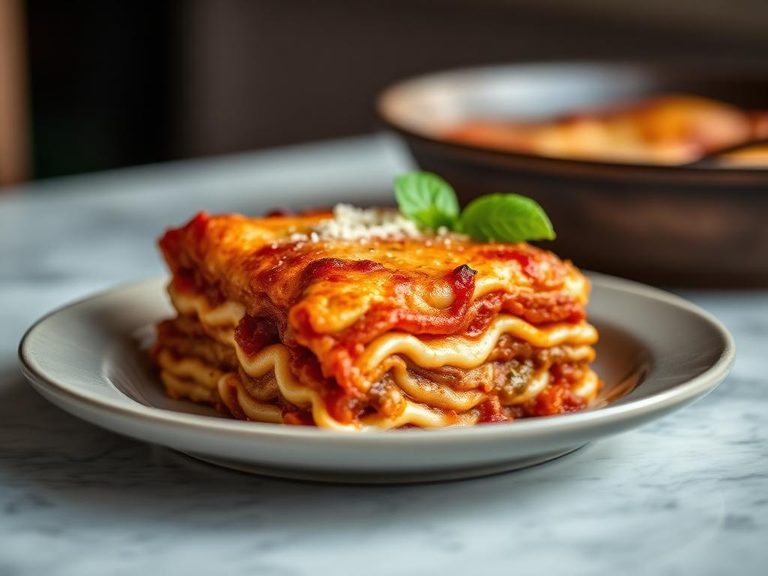
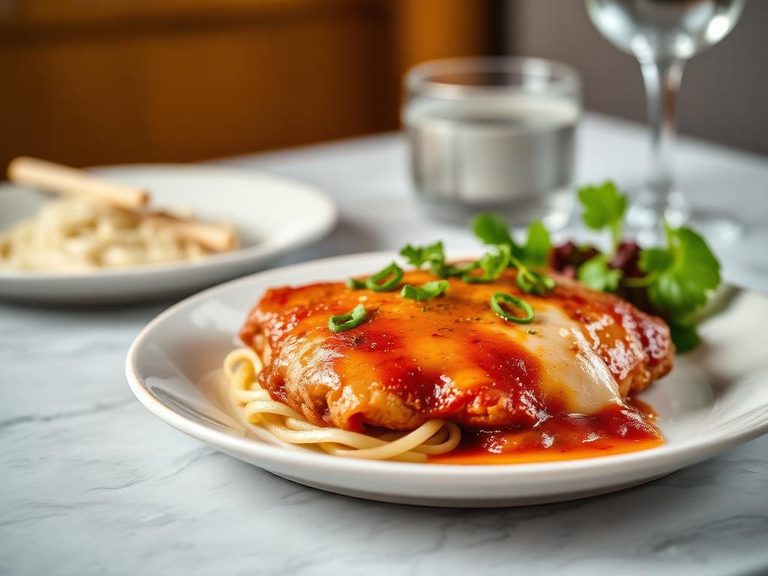
🍽️ Popular dishes
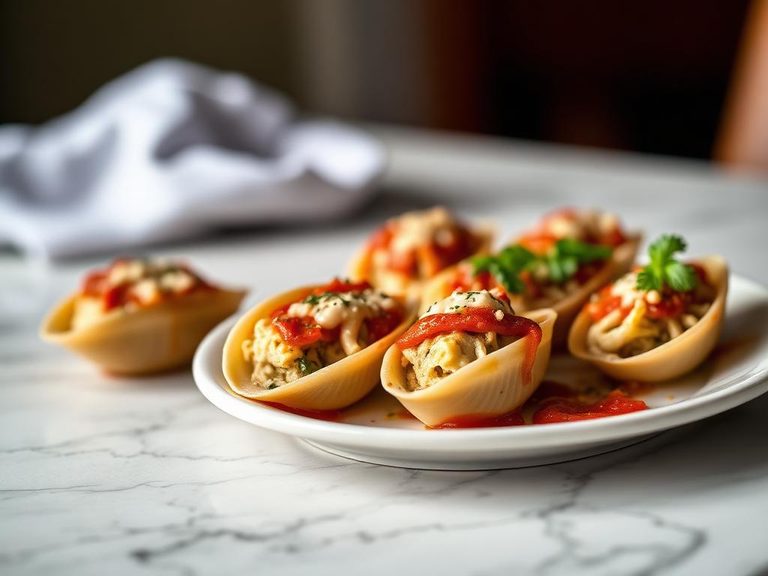
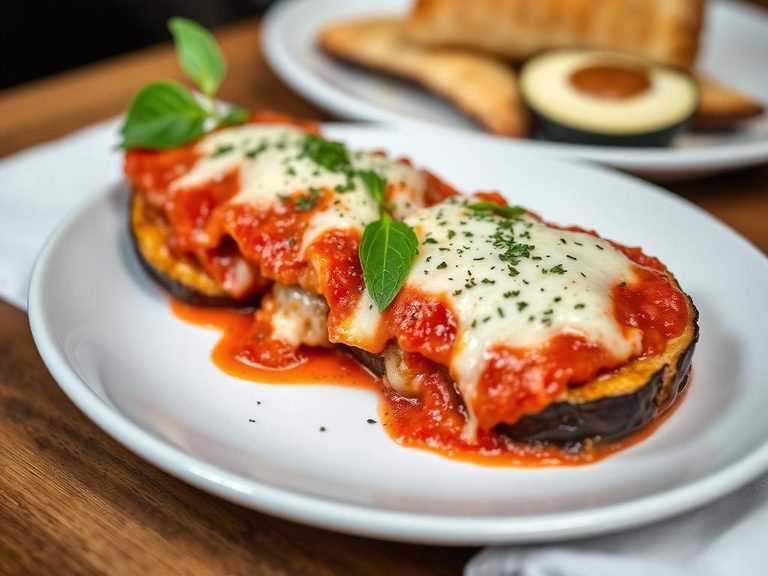
🌍 Where it's eaten
💡 Did you know?
Traditional mozzarella gets its name from the Italian word 'mozzare,' meaning 'to cut,' referring to the artisan method of pulling and cutting the cheese curd by hand into individual balls.
Full nutrition (USDA data · scales with serving)
| Water | 49.9 g |
| Energy | 280 kcal |
| Energy | 1172 kj |
| Protein | 27.5 g |
| Total lipid (fat) | 17.1 g |
| Ash | 2.4 g |
| Carbohydrate, by difference | 3.1 g |
| Fiber, total dietary | 0.00 g |
| Total Sugars | 1.2 g |
| Calcium, Ca | 731 mg |
| Iron, Fe | 0.25 mg |
| Magnesium, Mg | 26.0 mg |
| Phosphorus, P | 524 mg |
| Potassium, K | 95.0 mg |
| Sodium, Na | 16.0 mg |
| Zinc, Zn | 3.1 mg |
| Copper, Cu | 0.03 mg |
| Selenium, Se | 15.7 ug |
| Vitamin C, total ascorbic acid | 0.00 mg |
| Thiamin | 0.02 mg |
| Riboflavin | 0.34 mg |
| Niacin | 0.12 mg |
| Vitamin B-6 | 0.08 mg |
| Folate, total | 9.0 ug |
| Folic acid | 0.00 ug |
| Folate, food | 9.0 ug |
| Folate, DFE | 9.0 ug |
| Choline, total | 18.4 mg |
| Vitamin B-12 | 0.92 ug |
| Vitamin B-12, added | 0.00 ug |
| Vitamin A, RAE | 137 ug |
| Retinol | 133 ug |
| Carotene, beta | 44.0 ug |
| Carotene, alpha | 0.00 ug |
| Cryptoxanthin, beta | 0.00 ug |
| Vitamin A, IU | 517 iu |
| Lycopene | 0.00 ug |
| Lutein + zeaxanthin | 0.00 ug |
| Vitamin E (alpha-tocopherol) | 0.15 mg |
| Vitamin E, added | 0.00 mg |
| Vitamin D (D2 + D3), International Units | 13.0 iu |
| Vitamin D (D2 + D3) | 0.30 ug |
| Vitamin D3 (cholecalciferol) | 0.30 ug |
| Vitamin K (phylloquinone) | 1.8 ug |
| Alcohol, ethyl | 0.00 g |
| Caffeine | 0.00 mg |
| Theobromine | 0.00 mg |
Fat & fatty acid profile (per 100g)
| Fatty acids, total saturated | 10.9 g |
| SFA 4:0 | 0.56 g |
| SFA 6:0 | 0.11 g |
| SFA 8:0 | 0.12 g |
| SFA 10:0 | 0.27 g |
| SFA 12:0 | 0.18 g |
| SFA 14:0 | 1.7 g |
| SFA 16:0 | 5.2 g |
| SFA 18:0 | 2.1 g |
| Fatty acids, total monounsaturated | 4.8 g |
| MUFA 16:1 | 0.47 g |
| MUFA 18:1 | 4.2 g |
| MUFA 20:1 | 0.00 g |
| MUFA 22:1 | 0.00 g |
| Fatty acids, total polyunsaturated | 0.51 g |
| PUFA 18:2 | 0.36 g |
| PUFA 18:3 | 0.15 g |
| PUFA 18:4 | 0.00 g |
| PUFA 20:4 | 0.00 g |
| PUFA 20:5 n-3 (EPA) | 0.00 g |
| PUFA 22:5 n-3 (DPA) | 0.00 g |
| PUFA 22:6 n-3 (DHA) | 0.00 g |
| Cholesterol | 54.0 mg |
Amino acid profile (per 100g)
Estimated from Cheese, cottage, with vegetables — USDA does not publish this profile for Cheese.
| Tryptophan | 0.13 g |
| Threonine | 0.53 g |
| Isoleucine | 0.70 g |
| Leucine | 1.2 g |
| Lysine | 0.97 g |
| Methionine | 0.36 g |
| Cystine | 0.11 g |
| Phenylalanine | 0.65 g |
| Tyrosine | 0.64 g |
| Valine | 0.74 g |
| Arginine | 0.55 g |
| Histidine | 0.40 g |
| Alanine | 0.62 g |
| Aspartic acid | 0.82 g |
| Glutamic acid | 2.6 g |
| Glycine | 0.27 g |
| Proline | 1.4 g |
| Serine | 0.67 g |
FAQ
How does low-sodium mozzarella differ from regular mozzarella?
The primary difference is a significantly reduced salt content, which lowers the sodium from about 600-700mg to around 200mg per 100g. This makes it a better choice for heart health without sacrificing the classic milky flavor and melting properties.
Can I use low-sodium mozzarella for pizza?
Absolutely. It melts and stretches just like regular mozzarella, making it an excellent pizza topping. It will allow the flavors of the sauce and other toppings to shine through more prominently.
Is it suitable for people with lactose intolerance?
Fresh mozzarella is generally lower in lactose than many other cheeses because the whey (which contains most of the lactose) is drained during production. However, it's not lactose-free, so those with severe intolerance should still exercise caution.
What's the best way to store it?
Store it in its original liquid (whey or brine) in the refrigerator, submerged and covered. If you've opened it, transfer it to an airtight container with a bit of salted water to keep it moist. Use it within a few days of opening for the best texture and flavor.
Nutrient density (calculated · NRF9.3)
Nutrient Rich Foods index: beneficial nutrients (protein, fiber, vitamins, minerals) minus saturated fat, added sugar & sodium, per 100 kcal.
NRF9.3 index — Fulgoni, Keast & Drewnowski, 2009. Computed from USDA nutrients.
Weight-loss friendliness (composite index)
Energy density 2.80 kcal/g · 39% calories from protein · 0.0 g fiber · 1.2 g sugar per 100 g.
Composite of energy density (Rolls et al., 1999), protein & fiber satiety, minus sugar. A calculated heuristic — ranks satiety-per-calorie, not a clinical measure.
Dietary load (calculated from USDA values)
Potential renal acid load. Positive = acid-forming, negative = alkaline-forming.
Sodium-to-potassium ratio: 0.17 (lower is better — aim for ≤ 1)
Sodium:potassium per WHO potassium guidance. Computed from USDA nutrients.