

Cheese, low-sodium, cheddar or colby
Whole food · Dairy and Egg Products

Photo: Wikipedia
A dense, semi-hard cheese with a smooth, creamy texture and a mild, buttery flavor that becomes sharper with age. Its deep yellow-orange hue comes from annatto coloring, and it's a nutritional powerhouse, delivering a massive 24.35g of protein per 100g with virtually no carbohydrates.
Calorie split: 24% protein · 2% carbs · 74% fat
↓ Full nutrition💚 Why it's loved
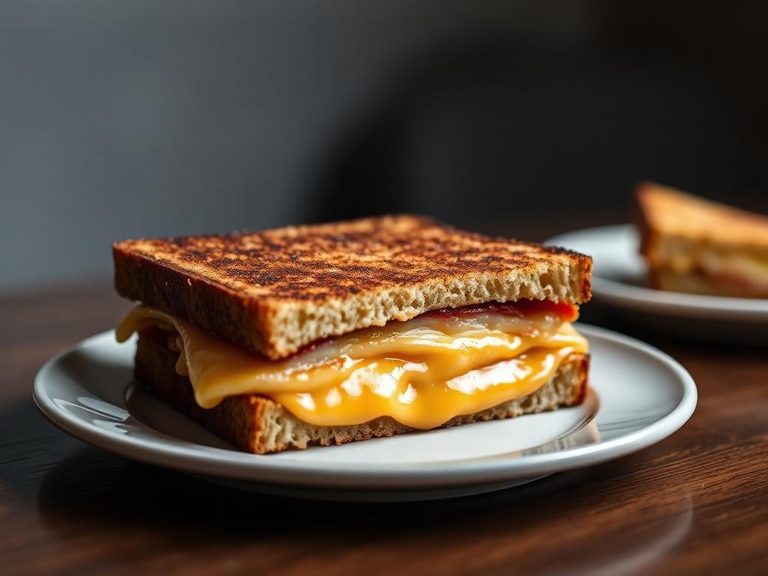
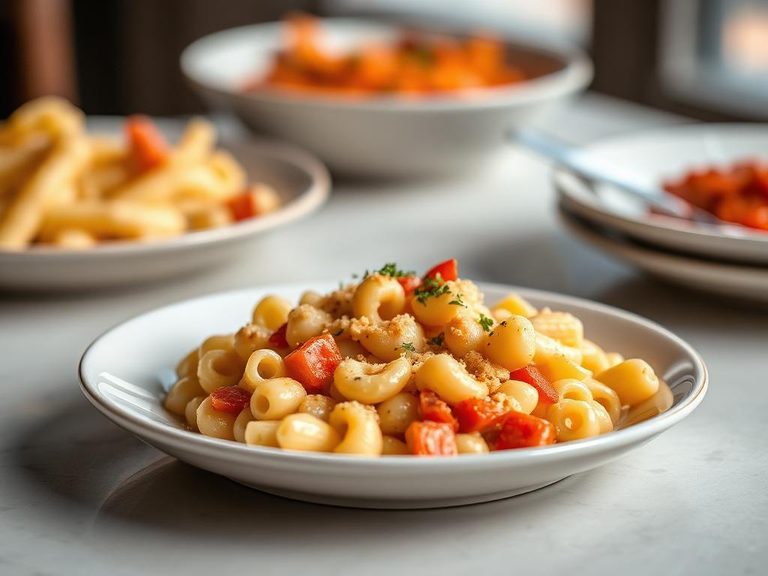
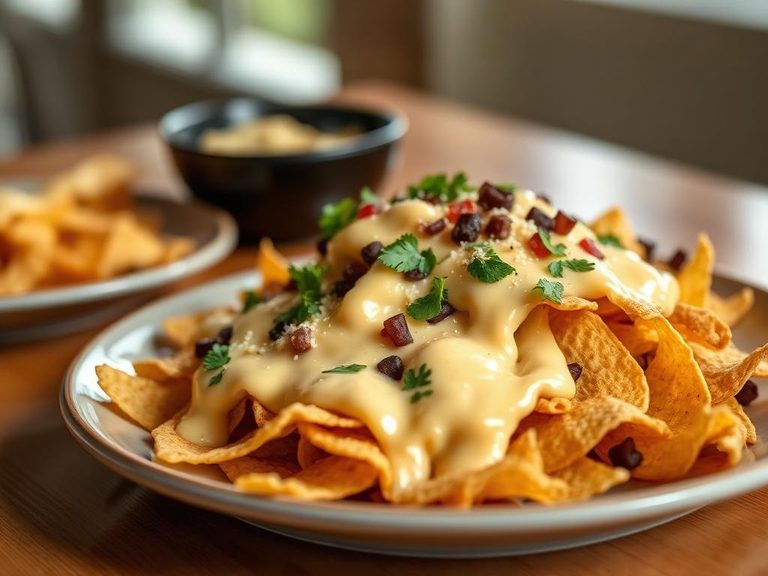
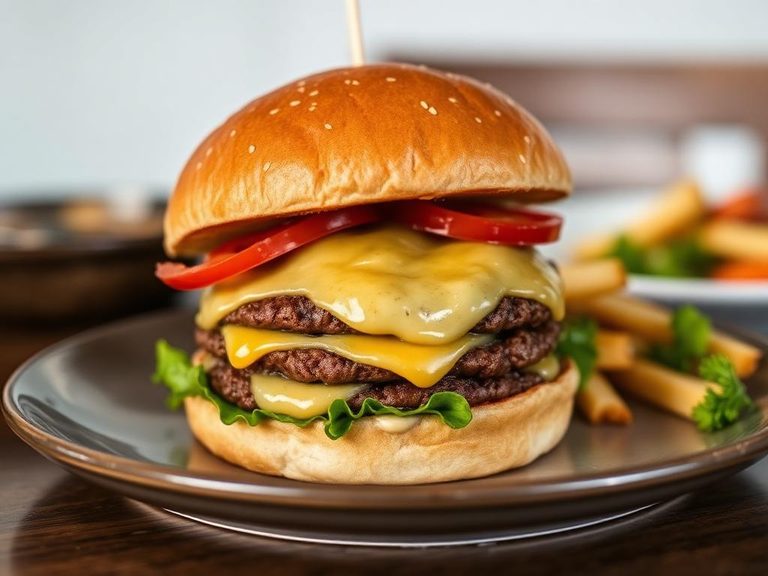
People adore it for its perfect melting quality and versatile, crowd-pleasing flavor that elevates everything from a simple grilled cheese to a complex casserole. It's a staple of American comfort food, deeply embedded in dishes like macaroni and cheese and nachos.
⚠️ Watch-outs & how to enjoy it better
As a full-fat dairy product, it is calorie-dense and high in saturated fat, which may be a concern for those managing heart health or calorie intake. Being a milk derivative, it is a common allergen for those with dairy or lactose intolerance. Tip: Use it as a flavorful accent rather than the main event, and pair it with fiber-rich vegetables or whole grains to create a more balanced meal.
Key benefits
- Excellent source of high-quality protein for muscle maintenance.
- Rich in calcium for bone and dental health.
- Provides conjugated linoleic acid (CLA), a fatty acid studied for potential health benefits.
- Low-sodium option helps manage daily salt intake compared to standard cheddar.
- Contains fat-soluble vitamins like Vitamin A and K2.
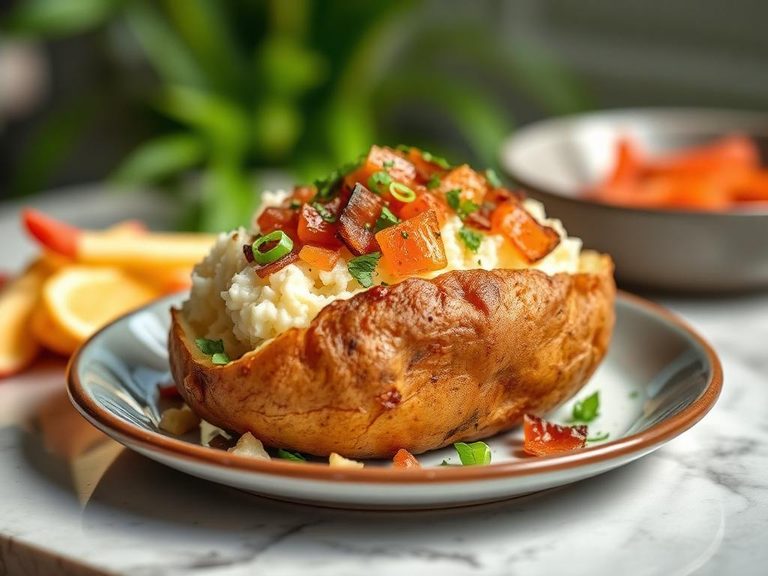
🍽️ Popular dishes

🌍 Where it's eaten
💡 Did you know?
The characteristic orange color of cheddar and Colby cheeses is not natural; it's traditionally added using annatto, a food coloring derived from the seeds of the achiote tree, originally used to mimic the rich color of summer milk from cows grazing on beta-carotene-rich grass.
Full nutrition (USDA data · scales with serving)
| Water | 39.0 g |
| Energy | 398 kcal |
| Energy | 1666 kj |
| Protein | 24.4 g |
| Total lipid (fat) | 32.6 g |
| Ash | 2.1 g |
| Carbohydrate, by difference | 1.9 g |
| Fiber, total dietary | 0.00 g |
| Total Sugars | 0.49 g |
| Calcium, Ca | 703 mg |
| Iron, Fe | 0.72 mg |
| Magnesium, Mg | 27.0 mg |
| Phosphorus, P | 484 mg |
| Potassium, K | 112 mg |
| Sodium, Na | 21.0 mg |
| Zinc, Zn | 3.1 mg |
| Copper, Cu | 0.04 mg |
| Manganese, Mn | 0.01 mg |
| Selenium, Se | 14.5 ug |
| Fluoride, F | 34.9 ug |
| Vitamin C, total ascorbic acid | 0.00 mg |
| Thiamin | 0.02 mg |
| Riboflavin | 0.38 mg |
| Niacin | 0.09 mg |
| Pantothenic acid | 0.31 mg |
| Vitamin B-6 | 0.08 mg |
| Folate, total | 18.0 ug |
| Folic acid | 0.00 ug |
| Folate, food | 18.0 ug |
| Folate, DFE | 18.0 ug |
| Choline, total | 15.4 mg |
| Vitamin B-12 | 0.83 ug |
| Vitamin B-12, added | 0.00 ug |
| Vitamin A, RAE | 264 ug |
| Retinol | 257 ug |
| Carotene, beta | 84.0 ug |
| Carotene, alpha | 0.00 ug |
| Cryptoxanthin, beta | 0.00 ug |
| Vitamin A, IU | 996 iu |
| Lycopene | 0.00 ug |
| Lutein + zeaxanthin | 0.00 ug |
| Vitamin E (alpha-tocopherol) | 0.28 mg |
| Vitamin E, added | 0.00 mg |
| Vitamin D (D2 + D3), International Units | 24.0 iu |
| Vitamin D (D2 + D3) | 0.60 ug |
| Vitamin D3 (cholecalciferol) | 0.60 ug |
| Vitamin K (phylloquinone) | 2.7 ug |
| Alcohol, ethyl | 0.00 g |
| Caffeine | 0.00 mg |
| Theobromine | 0.00 mg |
Fat & fatty acid profile (per 100g)
| Fatty acids, total saturated | 20.8 g |
| SFA 4:0 | 1.1 g |
| SFA 6:0 | 0.55 g |
| SFA 8:0 | 0.29 g |
| SFA 10:0 | 0.62 g |
| SFA 12:0 | 0.56 g |
| SFA 14:0 | 3.4 g |
| SFA 16:0 | 10.1 g |
| SFA 18:0 | 4.1 g |
| Fatty acids, total monounsaturated | 9.2 g |
| MUFA 16:1 | 1.0 g |
| MUFA 18:1 | 8.2 g |
| MUFA 20:1 | 0.00 g |
| MUFA 22:1 | 0.00 g |
| Fatty acids, total polyunsaturated | 0.97 g |
| PUFA 18:2 | 0.59 g |
| PUFA 18:3 | 0.38 g |
| PUFA 18:4 | 0.00 g |
| PUFA 20:4 | 0.00 g |
| PUFA 20:5 n-3 (EPA) | 0.00 g |
| PUFA 22:5 n-3 (DPA) | 0.00 g |
| PUFA 22:6 n-3 (DHA) | 0.00 g |
| Cholesterol | 100 mg |
Amino acid profile (per 100g)
| Tryptophan | 0.29 g |
| Threonine | 0.80 g |
| Isoleucine | 1.4 g |
| Leucine | 2.1 g |
| Lysine | 1.9 g |
| Methionine | 0.59 g |
| Cystine | 0.11 g |
| Phenylalanine | 1.2 g |
| Tyrosine | 1.1 g |
| Valine | 1.5 g |
| Arginine | 0.85 g |
| Histidine | 0.79 g |
| Alanine | 0.63 g |
| Aspartic acid | 1.4 g |
| Glutamic acid | 5.5 g |
| Glycine | 0.39 g |
| Proline | 2.5 g |
| Serine | 1.3 g |
FAQ
What's the difference between cheddar and Colby cheese?
While both are semi-hard and meltable, cheddar is typically aged longer, developing a sharper, tangier flavor and a firmer, sometimes crumbly texture. Colby is washed during production, resulting in a milder, creamier, and more moist cheese that doesn't age as long.
Is low-sodium cheese significantly different in taste?
The difference can be subtle to noticeable depending on the brand and your palate. It will taste less salty, which can allow the inherent buttery and tangy notes of the cheese to come forward. It's an excellent choice for those monitoring sodium without sacrificing the core cheese experience.
How should I store it to prevent mold?
Wrap it tightly in wax paper or cheese paper, then place it in a loosely sealed plastic bag or container in the refrigerator's vegetable drawer. This allows it to breathe slightly while preventing excessive moisture loss or absorption of other fridge odors.
Nutrient density (calculated · NRF9.3)
Nutrient Rich Foods index: beneficial nutrients (protein, fiber, vitamins, minerals) minus saturated fat, added sugar & sodium, per 100 kcal.
NRF9.3 index — Fulgoni, Keast & Drewnowski, 2009. Computed from USDA nutrients.
Weight-loss friendliness (composite index)
Energy density 3.98 kcal/g · 24% calories from protein · 0.0 g fiber · 0.5 g sugar per 100 g.
Composite of energy density (Rolls et al., 1999), protein & fiber satiety, minus sugar. A calculated heuristic — ranks satiety-per-calorie, not a clinical measure.
Dietary load (calculated from USDA values)
Potential renal acid load. Positive = acid-forming, negative = alkaline-forming.
Sodium-to-potassium ratio: 0.19 (lower is better — aim for ≤ 1)
Sodium:potassium per WHO potassium guidance. Computed from USDA nutrients.