

Cheese, fontina
Whole food · Dairy and Egg Products

Photo: Wikipedia
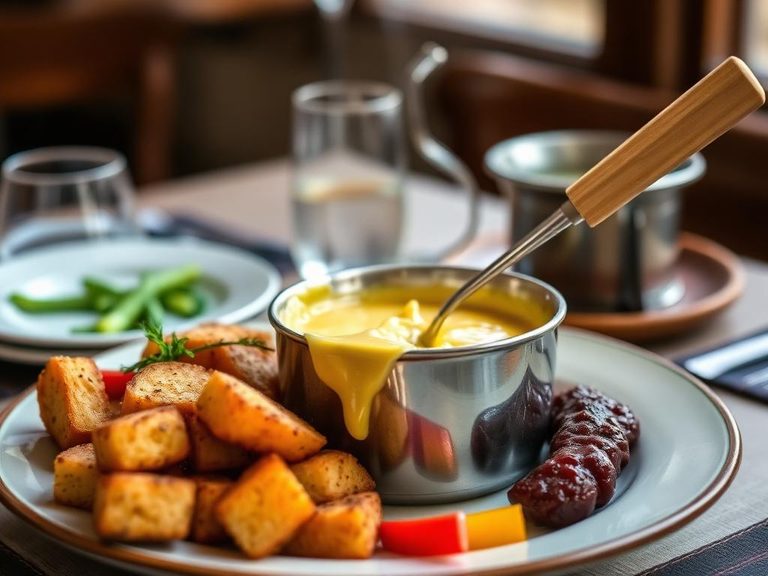
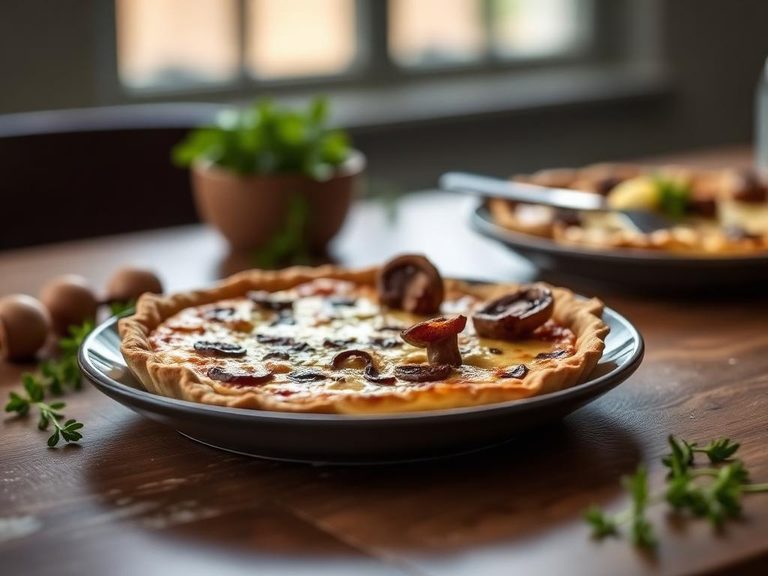
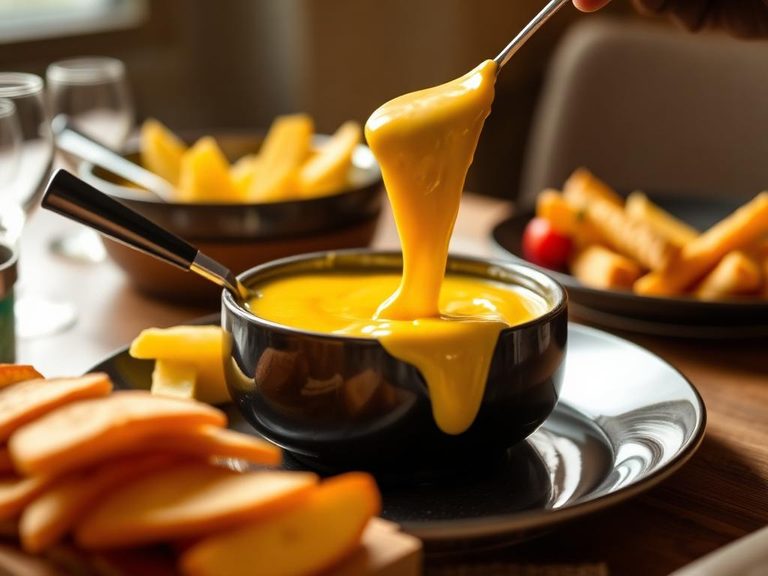
Fontina is a semi-soft, cow's milk cheese from the Italian Alps, prized for its rich, nutty flavor and exceptionally smooth, elastic melt. Its buttery, earthy taste makes it a cornerstone of fondue and risotto, while its high fat content delivers a luxuriously creamy texture. With over 25g of protein per 100g, it is a nutrient-dense choice for those seeking a flavorful, high-protein dairy option.
Calorie split: 26% protein · 2% carbs · 72% fat
↓ Full nutrition💚 Why it's loved
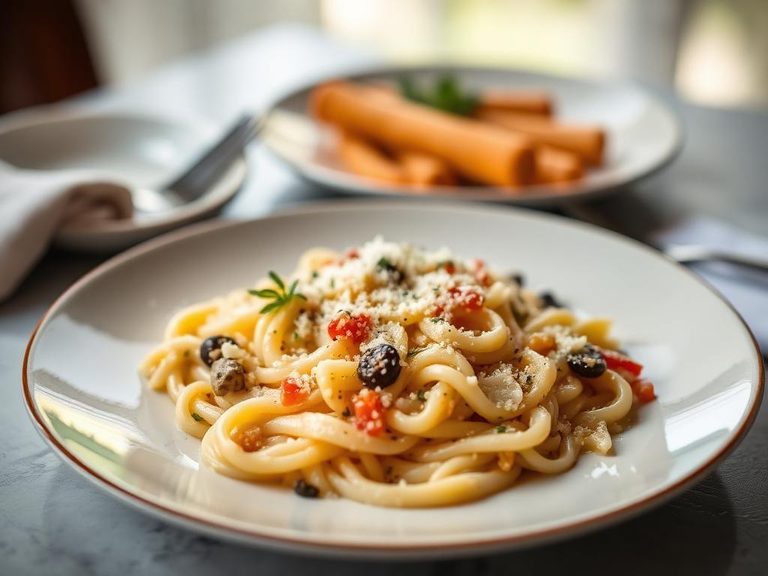
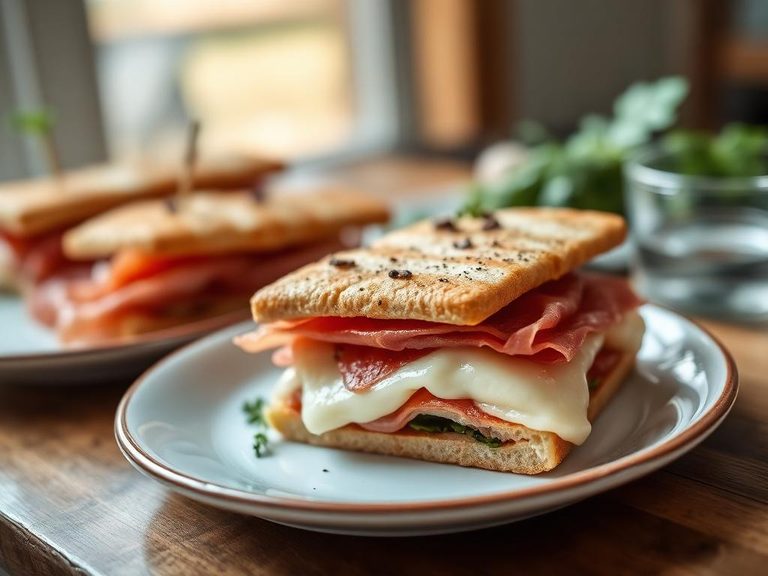
People adore fontina for its unparalleled melting quality, which creates a velvety, cohesive sauce without separating, making it the gold standard for fondue and grilled cheese. Its complex, nutty flavor with subtle earthy notes also elevates simple dishes like pasta and risotto to gourmet levels.
⚠️ Watch-outs & how to enjoy it better
Due to its high fat and sodium content, fontina can contribute to excess calorie intake and may be a concern for those monitoring blood pressure or saturated fat consumption. To mitigate this, use it as a flavor enhancer in small portions, pair it with fiber-rich vegetables or whole grains, and opt for lower-sodium varieties when available.
Key benefits
- Excellent source of complete protein for muscle maintenance
- Rich in calcium for bone and dental health
- High in fat-soluble vitamins like A and K2
- Contains beneficial probiotics from the aging process
- Provides conjugated linoleic acid (CLA) from grass-fed milk
🍽️ Popular dishes
🌍 Where it's eaten
💡 Did you know?
Fontina cheese has been produced in the Valle d'Aosta region of Italy since at least the 12th century, and its authentic version is protected by a DOP (Denominazione di Origine Protetta) designation, meaning it can only be made in a specific area using traditional methods.
Full nutrition (USDA data · scales with serving)
| Water | 37.9 g |
| Energy | 389 kcal |
| Energy | 1628 kj |
| Protein | 25.6 g |
| Total lipid (fat) | 31.1 g |
| Ash | 3.8 g |
| Carbohydrate, by difference | 1.6 g |
| Fiber, total dietary | 0.00 g |
| Total Sugars | 1.6 g |
| Calcium, Ca | 550 mg |
| Iron, Fe | 0.23 mg |
| Magnesium, Mg | 14.0 mg |
| Phosphorus, P | 346 mg |
| Potassium, K | 64.0 mg |
| Sodium, Na | 800 mg |
| Zinc, Zn | 3.5 mg |
| Copper, Cu | 0.03 mg |
| Manganese, Mn | 0.01 mg |
| Selenium, Se | 14.5 ug |
| Vitamin C, total ascorbic acid | 0.00 mg |
| Thiamin | 0.02 mg |
| Riboflavin | 0.20 mg |
| Niacin | 0.15 mg |
| Pantothenic acid | 0.43 mg |
| Vitamin B-6 | 0.08 mg |
| Folate, total | 6.0 ug |
| Folic acid | 0.00 ug |
| Folate, food | 6.0 ug |
| Folate, DFE | 6.0 ug |
| Choline, total | 15.4 mg |
| Vitamin B-12 | 1.7 ug |
| Vitamin B-12, added | 0.00 ug |
| Vitamin A, RAE | 261 ug |
| Retinol | 258 ug |
| Carotene, beta | 32.0 ug |
| Carotene, alpha | 0.00 ug |
| Cryptoxanthin, beta | 0.00 ug |
| Vitamin A, IU | 913 iu |
| Lycopene | 0.00 ug |
| Lutein + zeaxanthin | 0.00 ug |
| Vitamin E (alpha-tocopherol) | 0.27 mg |
| Vitamin E, added | 0.00 mg |
| Vitamin D (D2 + D3), International Units | 23.0 iu |
| Vitamin D (D2 + D3) | 0.60 ug |
| Vitamin D3 (cholecalciferol) | 0.60 ug |
| Vitamin K (phylloquinone) | 2.6 ug |
| Alcohol, ethyl | 0.00 g |
| Caffeine | 0.00 mg |
| Theobromine | 0.00 mg |
Fat & fatty acid profile (per 100g)
| Fatty acids, total saturated | 19.2 g |
| SFA 4:0 | 0.71 g |
| SFA 6:0 | 0.49 g |
| SFA 8:0 | 0.31 g |
| SFA 10:0 | 0.65 g |
| SFA 12:0 | 0.80 g |
| SFA 14:0 | 3.0 g |
| SFA 16:0 | 8.5 g |
| SFA 18:0 | 2.7 g |
| Fatty acids, total monounsaturated | 8.7 g |
| MUFA 16:1 | 0.89 g |
| MUFA 18:1 | 7.1 g |
| MUFA 20:1 | 0.00 g |
| MUFA 22:1 | 0.00 g |
| Fatty acids, total polyunsaturated | 1.7 g |
| PUFA 18:2 | 0.86 g |
| PUFA 18:3 | 0.79 g |
| PUFA 18:4 | 0.00 g |
| PUFA 20:4 | 0.00 g |
| PUFA 20:5 n-3 (EPA) | 0.00 g |
| PUFA 22:5 n-3 (DPA) | 0.00 g |
| PUFA 22:6 n-3 (DHA) | 0.00 g |
| Cholesterol | 116 mg |
Amino acid profile (per 100g)
| Tryptophan | 0.36 g |
| Threonine | 0.94 g |
| Isoleucine | 1.4 g |
| Leucine | 2.7 g |
| Lysine | 2.3 g |
| Methionine | 0.71 g |
| Cystine | 0.26 g |
| Phenylalanine | 1.5 g |
| Tyrosine | 1.5 g |
| Valine | 1.9 g |
| Arginine | 0.83 g |
| Histidine | 0.96 g |
| Alanine | 0.82 g |
| Aspartic acid | 1.4 g |
| Glutamic acid | 5.1 g |
| Glycine | 0.46 g |
| Proline | 3.3 g |
| Serine | 1.5 g |
FAQ
What is the difference between Fontina and Fontina Val d'Aosta?
Fontina Val d'Aosta is the authentic, DOP-protected version made in the Italian Alps with specific milk and aging methods, while 'Fontina' can be a generic name for similar cheeses made elsewhere with varying quality and flavor.
Can fontina cheese be used in place of mozzarella on pizza?
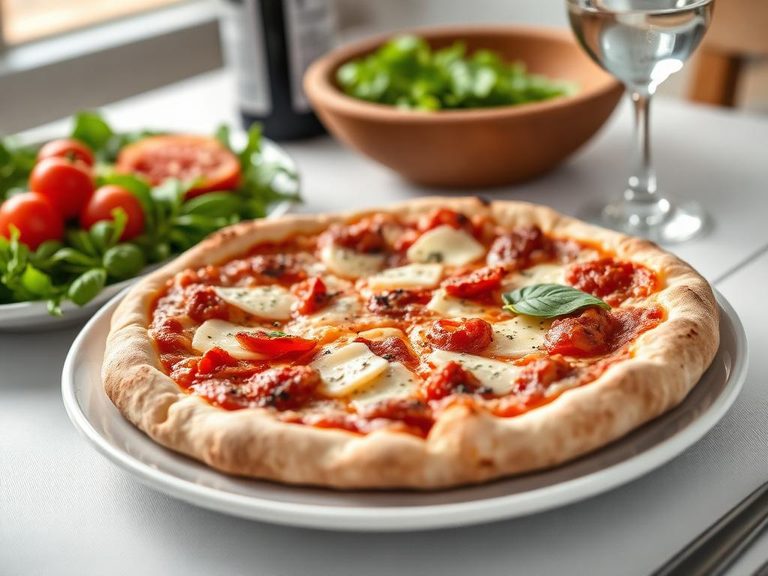
Yes, fontina melts beautifully and adds a richer, nuttier flavor than mozzarella, but it has a higher fat content, so it's often blended with mozzarella for a balanced texture and taste.
How should fontina cheese be stored?
Wrap it in wax paper or parchment paper, then place it in a loosely sealed plastic bag in the refrigerator's cheese drawer to maintain moisture and prevent it from absorbing other odors.
Nutrient density (calculated · NRF9.3)
Nutrient Rich Foods index: beneficial nutrients (protein, fiber, vitamins, minerals) minus saturated fat, added sugar & sodium, per 100 kcal.
NRF9.3 index — Fulgoni, Keast & Drewnowski, 2009. Computed from USDA nutrients.
Weight-loss friendliness (composite index)
Energy density 3.89 kcal/g · 26% calories from protein · 0.0 g fiber · 1.6 g sugar per 100 g.
Composite of energy density (Rolls et al., 1999), protein & fiber satiety, minus sugar. A calculated heuristic — ranks satiety-per-calorie, not a clinical measure.
Dietary load (calculated from USDA values)
Potential renal acid load. Positive = acid-forming, negative = alkaline-forming.
Sodium-to-potassium ratio: 12.50 (lower is better — aim for ≤ 1)
Sodium:potassium per WHO potassium guidance. Computed from USDA nutrients.