

Cheese, feta
Whole food · Dairy and Egg Products

Photo: Wikipedia
Feta is a brined, crumbly white cheese traditionally made from sheep's milk or a blend of sheep and goat milk. Its texture is soft yet grainy, offering a tangy, salty, and slightly acidic flavor that brightens any dish. Nutritionally, it's a high-protein, moderate-fat dairy option with virtually no carbohydrates or sugar.
Calorie split: 21% protein · 6% carbs · 73% fat
↓ Full nutrition💚 Why it's loved
People adore feta for its bold, salty punch that can elevate everything from salads to pastries. Its versatility allows it to be baked, grilled, crumbled raw, or whipped, making it a staple in both rustic and modern cuisine.
⚠️ Watch-outs & how to enjoy it better
Its high sodium content can be a concern for those monitoring blood pressure or fluid retention. The strong saltiness can also overpower delicate dishes if not used judiciously. To counteract this, rinse feta under cold water before using, or pair it with unsalted ingredients like fresh vegetables, grains, or a squeeze of lemon to balance the flavor without adding more salt.
Key benefits
- Excellent source of bone-building calcium and phosphorus
- High in protein for muscle maintenance and satiety
- Contains probiotics from traditional brining, which may support gut health
- Lower in lactose than many fresh cheeses, often tolerable for some with lactose sensitivity
- Rich in conjugated linoleic acid (CLA), a fatty acid studied for potential metabolic benefits
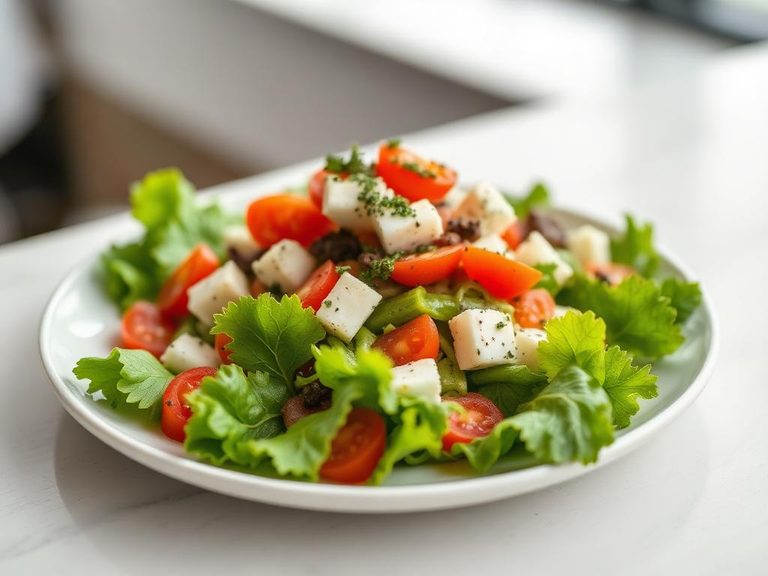
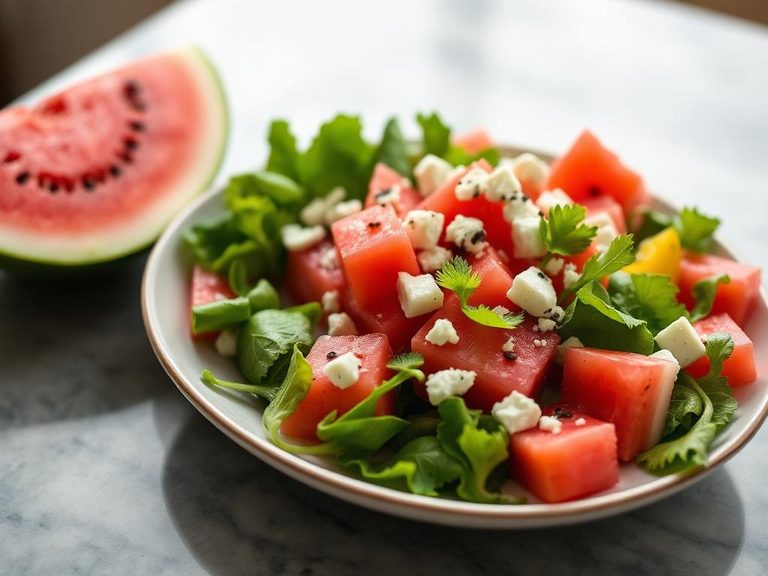
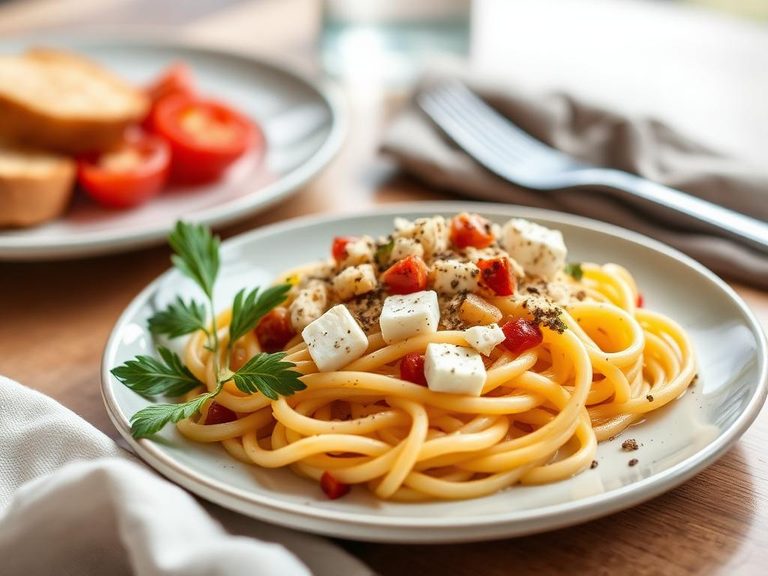
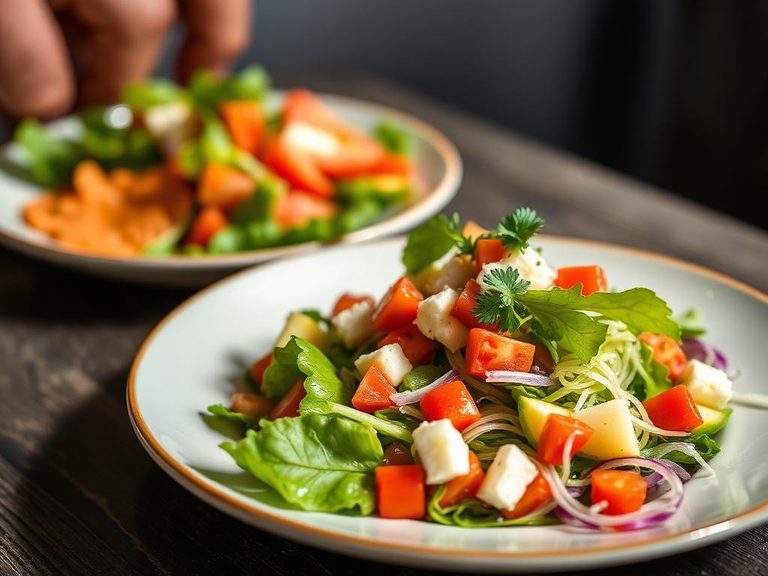
🍽️ Popular dishes


🌍 Where it's eaten
💡 Did you know?
True 'Feta' is a Protected Designation of Origin (PDO) product in the EU, meaning it can only be called Feta if it's produced in specific regions of Greece using at least 70% sheep's milk.
Full nutrition (USDA data · scales with serving)
| Water | 55.2 g |
| Energy | 265 kcal |
| Energy | 1107 kj |
| Protein | 14.2 g |
| Total lipid (fat) | 21.5 g |
| Ash | 5.2 g |
| Carbohydrate, by difference | 3.9 g |
| Fiber, total dietary | 0.00 g |
| Total Sugars | 0.00 g |
| Calcium, Ca | 493 mg |
| Iron, Fe | 0.65 mg |
| Magnesium, Mg | 19.0 mg |
| Phosphorus, P | 337 mg |
| Potassium, K | 62.0 mg |
| Sodium, Na | 1139 mg |
| Zinc, Zn | 2.9 mg |
| Copper, Cu | 0.03 mg |
| Manganese, Mn | 0.03 mg |
| Selenium, Se | 15.0 ug |
| Vitamin C, total ascorbic acid | 0.00 mg |
| Thiamin | 0.15 mg |
| Riboflavin | 0.84 mg |
| Niacin | 0.99 mg |
| Pantothenic acid | 0.97 mg |
| Vitamin B-6 | 0.42 mg |
| Folate, total | 32.0 ug |
| Folic acid | 0.00 ug |
| Folate, food | 32.0 ug |
| Folate, DFE | 32.0 ug |
| Choline, total | 15.4 mg |
| Vitamin B-12 | 1.7 ug |
| Vitamin B-12, added | 0.00 ug |
| Vitamin A, RAE | 125 ug |
| Retinol | 125 ug |
| Carotene, beta | 3.0 ug |
| Carotene, alpha | 0.00 ug |
| Cryptoxanthin, beta | 0.00 ug |
| Vitamin A, IU | 422 iu |
| Lycopene | 0.00 ug |
| Lutein + zeaxanthin | 0.00 ug |
| Vitamin E (alpha-tocopherol) | 0.18 mg |
| Vitamin E, added | 0.00 mg |
| Vitamin D (D2 + D3), International Units | 16.0 iu |
| Vitamin D (D2 + D3) | 0.40 ug |
| Vitamin D3 (cholecalciferol) | 0.40 ug |
| Vitamin K (phylloquinone) | 1.8 ug |
| Alcohol, ethyl | 0.00 g |
| Caffeine | 0.00 mg |
| Theobromine | 0.00 mg |
Fat & fatty acid profile (per 100g)
| Fatty acids, total saturated | 13.3 g |
| SFA 4:0 | 0.71 g |
| SFA 6:0 | 0.53 g |
| SFA 8:0 | 0.50 g |
| SFA 10:0 | 1.8 g |
| SFA 12:0 | 1.1 g |
| SFA 14:0 | 2.5 g |
| SFA 16:0 | 4.7 g |
| SFA 18:0 | 1.4 g |
| Fatty acids, total monounsaturated | 4.6 g |
| MUFA 16:1 | 0.39 g |
| MUFA 18:1 | 4.0 g |
| MUFA 20:1 | 0.00 g |
| MUFA 22:1 | 0.00 g |
| Fatty acids, total polyunsaturated | 0.59 g |
| PUFA 18:2 | 0.33 g |
| PUFA 18:3 | 0.27 g |
| PUFA 18:4 | 0.00 g |
| PUFA 20:4 | 0.00 g |
| PUFA 20:5 n-3 (EPA) | 0.00 g |
| PUFA 22:5 n-3 (DPA) | 0.00 g |
| PUFA 22:6 n-3 (DHA) | 0.00 g |
| Cholesterol | 89.0 mg |
Amino acid profile (per 100g)
| Tryptophan | 0.20 g |
| Threonine | 0.64 g |
| Isoleucine | 0.80 g |
| Leucine | 1.4 g |
| Lysine | 1.2 g |
| Methionine | 0.37 g |
| Cystine | 0.08 g |
| Phenylalanine | 0.68 g |
| Tyrosine | 0.67 g |
| Valine | 1.1 g |
| Arginine | 0.47 g |
| Histidine | 0.40 g |
| Alanine | 0.64 g |
| Aspartic acid | 0.78 g |
| Glutamic acid | 2.4 g |
| Glycine | 0.10 g |
| Proline | 1.4 g |
| Serine | 1.2 g |
FAQ
Is feta cheese gluten-free?
Traditional feta made from milk, cultures, and salt is naturally gluten-free. However, always check labels for additives or cross-contamination if you have celiac disease or severe gluten sensitivity.
Can I eat the brine in the container?
Yes, the brine is just saltwater, often with whey or vinegar. It's used to preserve the cheese and can be used to add a salty, tangy kick to dressings, marinades, or even cocktails like a dirty martini.
How should I store leftover feta?
Keep it submerged in its original brine in an airtight container in the refrigerator. If you've run out of brine, a simple saltwater solution (1 tsp salt per cup of water) will work. This prevents it from drying out and absorbing fridge odors.
Nutrient density (calculated · NRF9.3)
Nutrient Rich Foods index: beneficial nutrients (protein, fiber, vitamins, minerals) minus saturated fat, added sugar & sodium, per 100 kcal.
NRF9.3 index — Fulgoni, Keast & Drewnowski, 2009. Computed from USDA nutrients.
Weight-loss friendliness (composite index)
Energy density 2.65 kcal/g · 21% calories from protein · 0.0 g fiber · 0.0 g sugar per 100 g.
Composite of energy density (Rolls et al., 1999), protein & fiber satiety, minus sugar. A calculated heuristic — ranks satiety-per-calorie, not a clinical measure.
Dietary load (calculated from USDA values)
Potential renal acid load. Positive = acid-forming, negative = alkaline-forming.
Sodium-to-potassium ratio: 18.37 (lower is better — aim for ≤ 1)
Sodium:potassium per WHO potassium guidance. Computed from USDA nutrients.