

Cauliflower, cooked, boiled, drained, without salt
Whole food · Vegetables and Vegetable Products
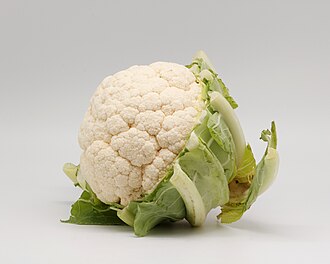
Photo: Wikipedia
Boiled cauliflower transforms into a tender, ivory floret with a mild, subtly sweet flavor and a soft, yielding texture that readily absorbs seasonings. Its nutritional profile is notably light, providing just 23 calories per 100g while offering a good source of fiber (2.3g) and a modest protein boost (1.84g). This simple preparation highlights its clean, versatile base character, making it a blank canvas for countless culinary applications.
Calorie split: 26% protein · 59% carbs · 15% fat
↓ Full nutrition💚 Why it's loved
People love boiled cauliflower for its incredible adaptability—it acts as a neutral, hearty base that soaks up sauces, spices, and herbs, making it a staple in everything from creamy curries to simple garlic-butter sides. Its mild flavor and soft texture also make it a gentle, comforting food for many palates.
⚠️ Watch-outs & how to enjoy it better
Boiled cauliflower can be bland and waterlogged if overcooked, and its cruciferous nature contains compounds like raffinose that may cause gas or bloating in sensitive individuals. To counteract this, cook it just until tender-crisp, pair it with digestive-friendly herbs like ginger or cumin, and consider starting with smaller portions to assess tolerance.
Key benefits
- Very low calorie density supports weight management goals.
- Good source of dietary fiber for digestive health.
- Provides vitamin C and vitamin K in meaningful amounts.
- Contains choline, important for brain and liver function.
- Naturally low in fat and cholesterol-free.
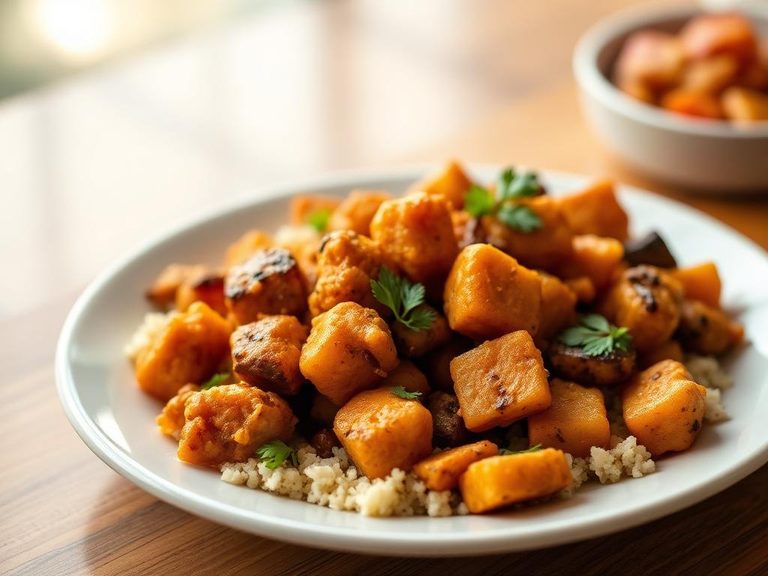
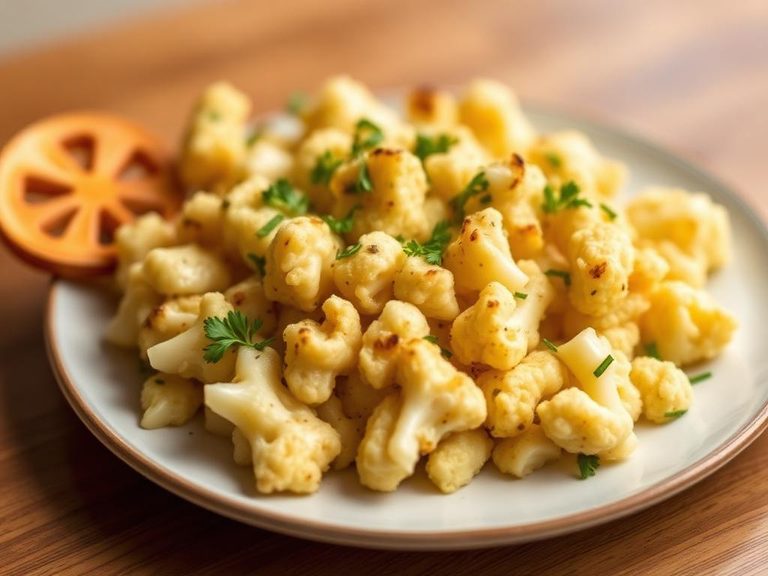
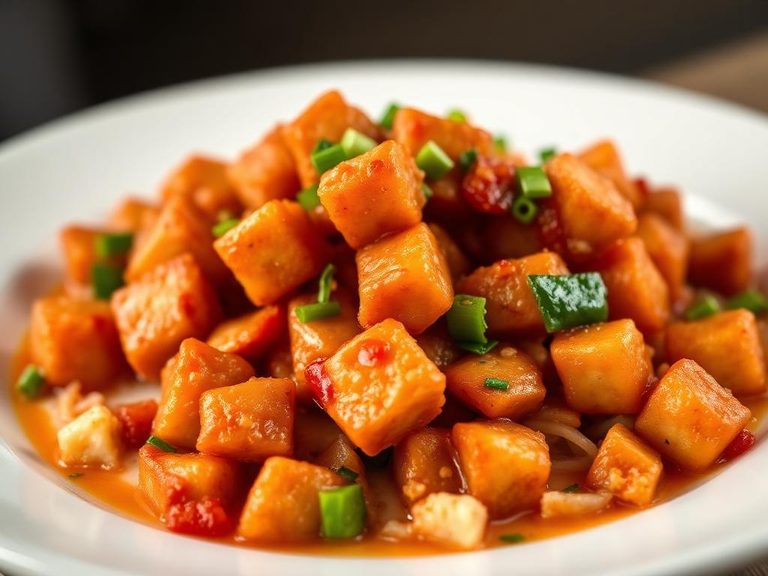
🍽️ Popular dishes
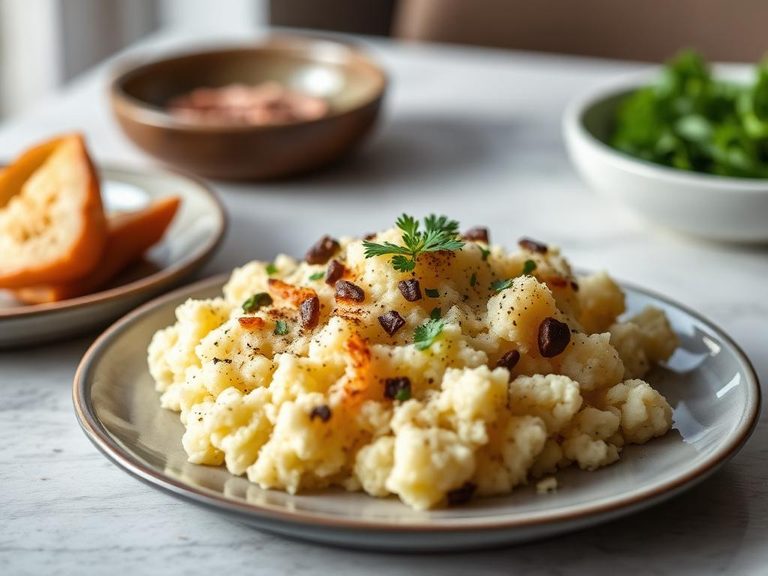
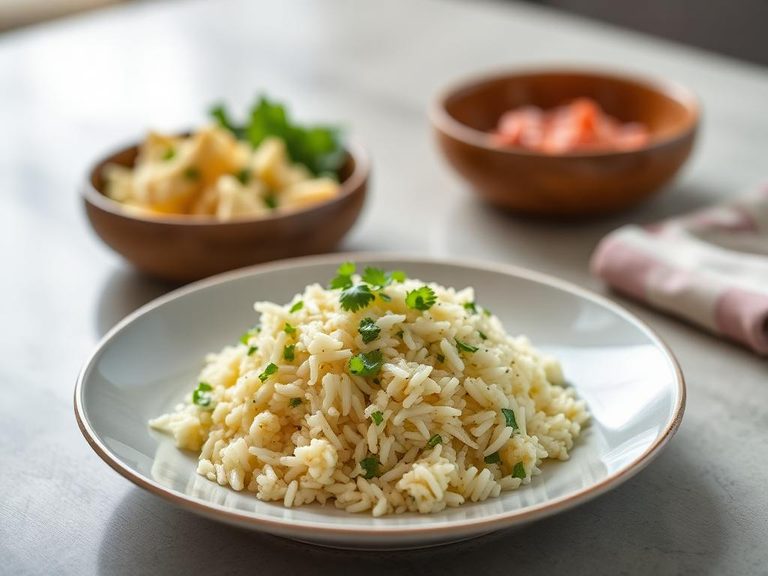
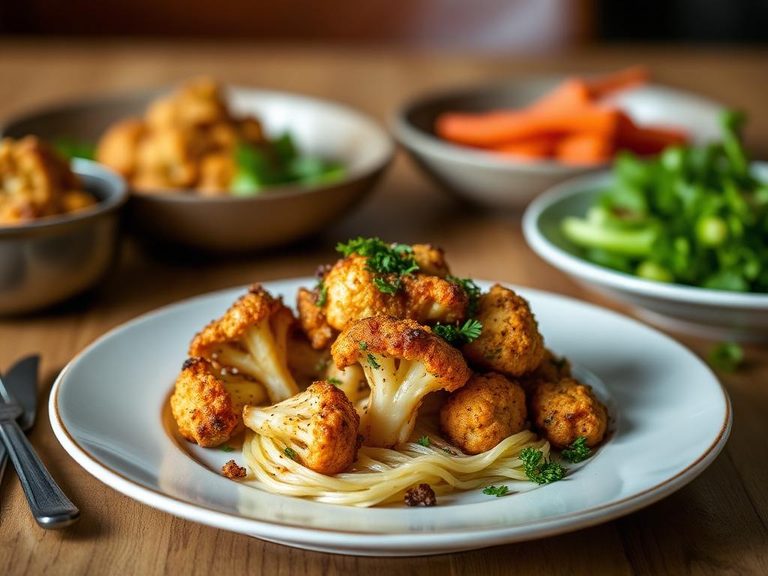
🌍 Where it's eaten
💡 Did you know?
The edible part of cauliflower is actually a cluster of immature flower buds, known as a curd, which is why it's botanically classified as a flower.
Full nutrition (USDA data · scales with serving)
| Water | 93.0 g |
| Energy | 23.0 kcal |
| Energy | 96.0 kj |
| Protein | 1.8 g |
| Total lipid (fat) | 0.45 g |
| Ash | 0.60 g |
| Carbohydrate, by difference | 4.1 g |
| Fiber, total dietary | 2.3 g |
| Total Sugars | 2.1 g |
| Calcium, Ca | 16.0 mg |
| Iron, Fe | 0.32 mg |
| Magnesium, Mg | 9.0 mg |
| Phosphorus, P | 32.0 mg |
| Potassium, K | 142 mg |
| Sodium, Na | 15.0 mg |
| Zinc, Zn | 0.17 mg |
| Copper, Cu | 0.02 mg |
| Manganese, Mn | 0.13 mg |
| Selenium, Se | 0.60 ug |
| Vitamin C, total ascorbic acid | 44.3 mg |
| Thiamin | 0.04 mg |
| Riboflavin | 0.05 mg |
| Niacin | 0.41 mg |
| Pantothenic acid | 0.51 mg |
| Vitamin B-6 | 0.17 mg |
| Folate, total | 44.0 ug |
| Folic acid | 0.00 ug |
| Folate, food | 44.0 ug |
| Folate, DFE | 44.0 ug |
| Choline, total | 39.1 mg |
| Betaine | 0.10 mg |
| Vitamin B-12 | 0.00 ug |
| Vitamin B-12, added | 0.00 ug |
| Vitamin A, RAE | 1.0 ug |
| Retinol | 0.00 ug |
| Carotene, beta | 7.0 ug |
| Carotene, alpha | 0.00 ug |
| Cryptoxanthin, beta | 0.00 ug |
| Vitamin A, IU | 12.0 iu |
| Lycopene | 0.00 ug |
| Lutein + zeaxanthin | 29.0 ug |
| Vitamin E (alpha-tocopherol) | 0.07 mg |
| Vitamin E, added | 0.00 mg |
| Vitamin D (D2 + D3), International Units | 0.00 iu |
| Vitamin D (D2 + D3) | 0.00 ug |
| Vitamin K (phylloquinone) | 13.8 ug |
| Alcohol, ethyl | 0.00 g |
| Caffeine | 0.00 mg |
| Theobromine | 0.00 mg |
Fat & fatty acid profile (per 100g)
| Fatty acids, total saturated | 0.07 g |
| SFA 4:0 | 0.00 g |
| SFA 6:0 | 0.00 g |
| SFA 8:0 | 0.00 g |
| SFA 10:0 | 0.00 g |
| SFA 12:0 | 0.00 g |
| SFA 14:0 | 0.00 g |
| SFA 16:0 | 0.06 g |
| SFA 18:0 | 0.01 g |
| Fatty acids, total monounsaturated | 0.03 g |
| MUFA 16:1 | 0.00 g |
| MUFA 18:1 | 0.03 g |
| MUFA 20:1 | 0.00 g |
| MUFA 22:1 | 0.00 g |
| Fatty acids, total polyunsaturated | 0.22 g |
| PUFA 18:2 | 0.05 g |
| PUFA 18:3 | 0.17 g |
| PUFA 18:4 | 0.00 g |
| PUFA 20:4 | 0.00 g |
| PUFA 20:5 n-3 (EPA) | 0.00 g |
| PUFA 22:5 n-3 (DPA) | 0.00 g |
| PUFA 22:6 n-3 (DHA) | 0.00 g |
| Fatty acids, total trans | 0.00 g |
| Cholesterol | 0.00 mg |
Amino acid profile (per 100g)
| Tryptophan | 0.02 g |
| Threonine | 0.07 g |
| Isoleucine | 0.07 g |
| Leucine | 0.11 g |
| Lysine | 0.10 g |
| Methionine | 0.03 g |
| Cystine | 0.02 g |
| Phenylalanine | 0.07 g |
| Tyrosine | 0.04 g |
| Valine | 0.09 g |
| Arginine | 0.09 g |
| Histidine | 0.04 g |
| Alanine | 0.10 g |
| Aspartic acid | 0.22 g |
| Glutamic acid | 0.24 g |
| Glycine | 0.06 g |
| Proline | 0.08 g |
| Serine | 0.10 g |
FAQ
How do I prevent boiled cauliflower from becoming mushy?
Use a large pot of rapidly boiling, well-salted water. Add the florets and cook for just 5-7 minutes until a knife slides in with slight resistance. Immediately drain and optionally shock in ice water to halt cooking.
Is boiled cauliflower nutritious compared to raw?
Boiling can reduce some water-soluble vitamins like vitamin C, but it makes other nutrients like beta-carotene more bioavailable. The fiber and minerals remain largely intact, and the soft texture can aid digestion for some.
What's a good way to add flavor to plain boiled cauliflower?
Toss it while warm with a drizzle of olive oil or melted butter, a squeeze of lemon, and fresh herbs like parsley or dill. For deeper flavor, roast it briefly after boiling or blend it into a seasoned puree.
Nutrient density (calculated · NRF9.3)
Nutrient Rich Foods index: beneficial nutrients (protein, fiber, vitamins, minerals) minus saturated fat, added sugar & sodium, per 100 kcal.
NRF9.3 index — Fulgoni, Keast & Drewnowski, 2009. Computed from USDA nutrients.
Weight-loss friendliness (composite index)
Energy density 0.23 kcal/g · 32% calories from protein · 2.3 g fiber · 2.1 g sugar per 100 g.
Composite of energy density (Rolls et al., 1999), protein & fiber satiety, minus sugar. A calculated heuristic — ranks satiety-per-calorie, not a clinical measure.
Dietary load (calculated from USDA values)
Potential renal acid load. Positive = acid-forming, negative = alkaline-forming.
Sodium-to-potassium ratio: 0.11 (lower is better — aim for ≤ 1)
Sodium:potassium per WHO potassium guidance. Computed from USDA nutrients.