

Cabbage, chinese (pak-choi), raw
Whole food · Vegetables and Vegetable Products

Photo: Wikipedia
Chinese cabbage, or pak-choi, is a leafy green vegetable with crisp, juicy white stalks and tender dark green leaves. Its flavor is mild, slightly peppery, and subtly sweet, with a refreshing crunch. Nutritionally, it's a low-calorie powerhouse, providing a good source of vitamin C and vitamin K for its weight.
Calorie split: 36% protein · 53% carbs · 11% fat
↓ Full nutrition💚 Why it's loved
People adore pak-choi for its incredible versatility and satisfying texture—it wilts beautifully in stir-fries while retaining a pleasant bite, and its mild flavor acts as a perfect canvas for bold sauces and aromatics. It's a foundational ingredient in many Asian cuisines, symbolizing freshness and home cooking.
⚠️ Watch-outs & how to enjoy it better
The high vitamin K content can be a concern for individuals on blood-thinning medications like warfarin, as it can affect clotting. To manage this, maintain consistent daily intake rather than consuming large amounts sporadically. The mild flavor can become bland if overcooked, so quick cooking methods like stir-frying or steaming are best to preserve its texture and taste.
Key benefits
- Excellent source of vitamins C and K
- Very low in calories and carbohydrates
- Provides dietary fiber for digestive health
- Contains antioxidants like beta-carotene
- High water content supports hydration
🍽️ Popular dishes
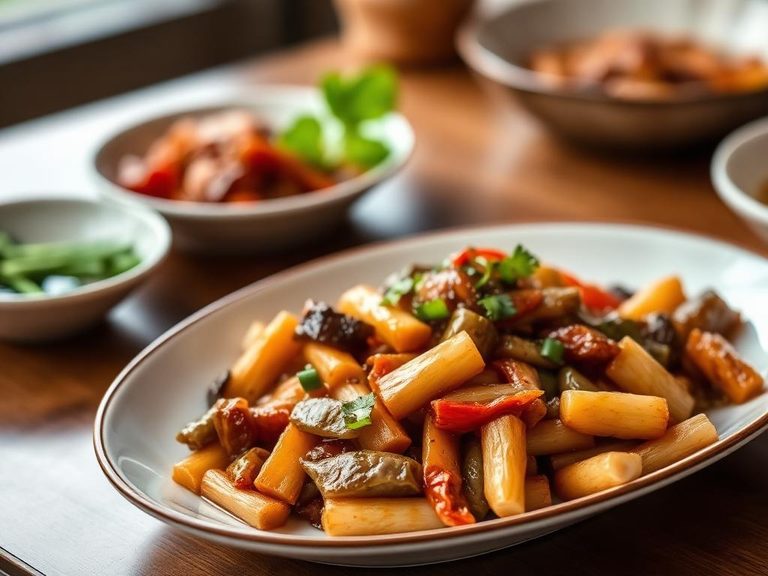
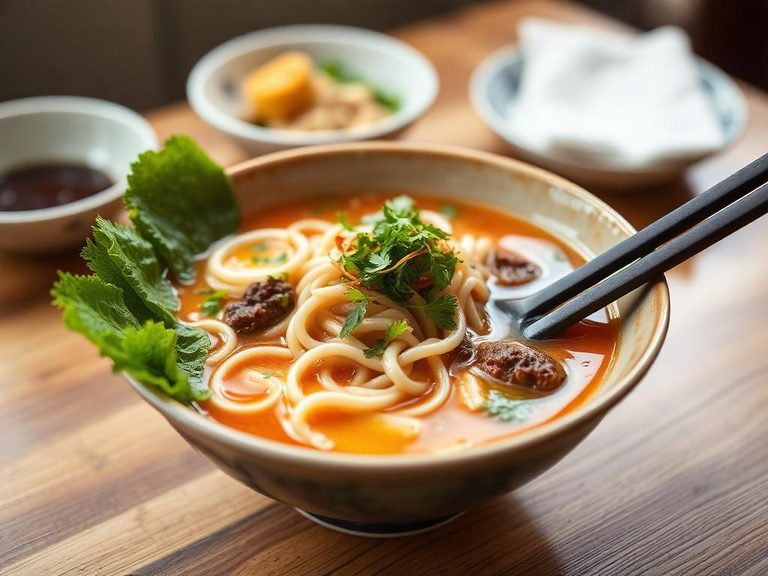
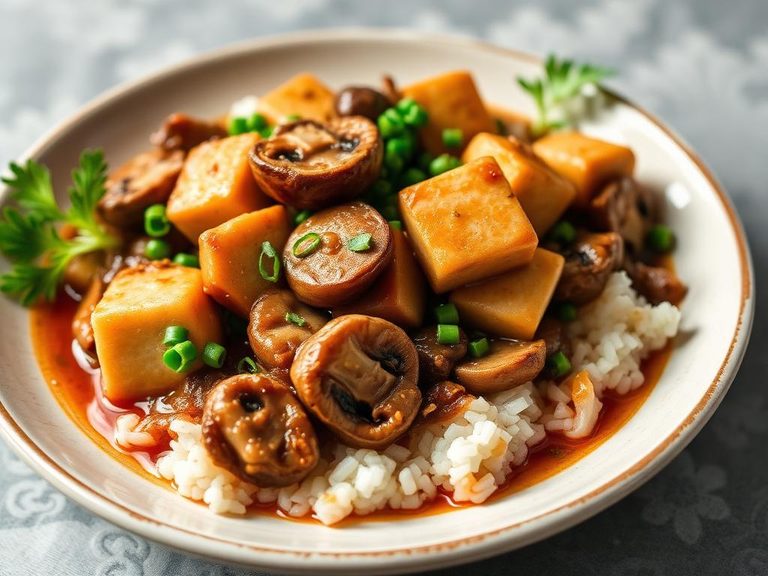
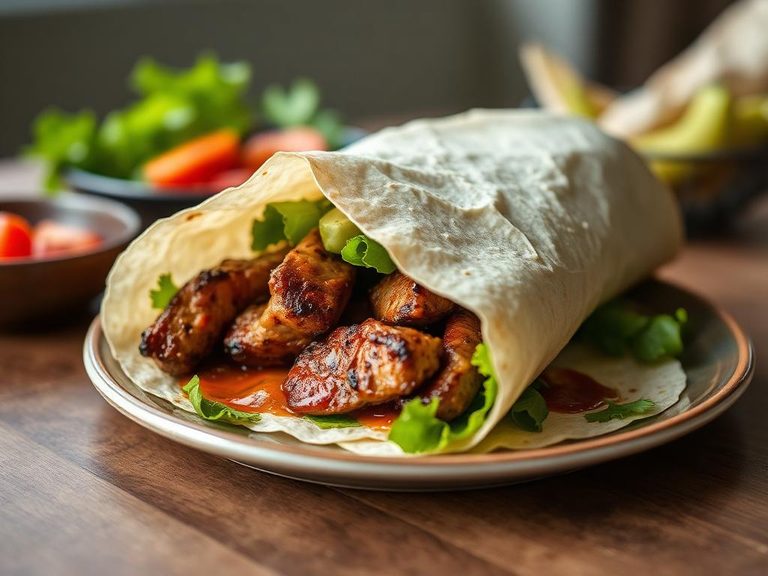
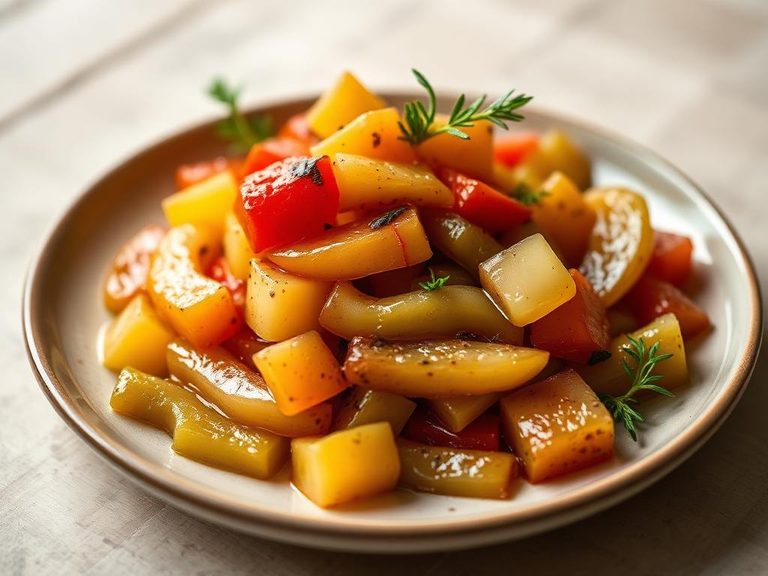
🌍 Where it's eaten
💡 Did you know?
Pak-choi is a member of the Brassica family, making it a close relative of broccoli, kale, and Brussels sprouts, but it was domesticated in China over 5,000 years ago.
Full nutrition (USDA data · scales with serving)
| Water | 95.3 g |
| Energy | 13.0 kcal |
| Energy | 55.0 kj |
| Protein | 1.5 g |
| Total lipid (fat) | 0.20 g |
| Ash | 0.80 g |
| Carbohydrate, by difference | 2.2 g |
| Fiber, total dietary | 1.0 g |
| Total Sugars | 1.2 g |
| Calcium, Ca | 105 mg |
| Iron, Fe | 0.80 mg |
| Magnesium, Mg | 19.0 mg |
| Phosphorus, P | 37.0 mg |
| Potassium, K | 252 mg |
| Sodium, Na | 65.0 mg |
| Zinc, Zn | 0.19 mg |
| Copper, Cu | 0.02 mg |
| Manganese, Mn | 0.16 mg |
| Selenium, Se | 0.50 ug |
| Vitamin C, total ascorbic acid | 45.0 mg |
| Thiamin | 0.04 mg |
| Riboflavin | 0.07 mg |
| Niacin | 0.50 mg |
| Pantothenic acid | 0.09 mg |
| Vitamin B-6 | 0.19 mg |
| Folate, total | 66.0 ug |
| Folic acid | 0.00 ug |
| Folate, food | 66.0 ug |
| Folate, DFE | 66.0 ug |
| Choline, total | 6.4 mg |
| Betaine | 0.30 mg |
| Vitamin B-12 | 0.00 ug |
| Vitamin B-12, added | 0.00 ug |
| Vitamin A, RAE | 223 ug |
| Retinol | 0.00 ug |
| Carotene, beta | 2681 ug |
| Carotene, alpha | 1.0 ug |
| Cryptoxanthin, beta | 0.00 ug |
| Vitamin A, IU | 4468 iu |
| Lycopene | 0.00 ug |
| Lutein + zeaxanthin | 40.0 ug |
| Vitamin E (alpha-tocopherol) | 0.09 mg |
| Vitamin E, added | 0.00 mg |
| Vitamin D (D2 + D3), International Units | 0.00 iu |
| Vitamin D (D2 + D3) | 0.00 ug |
| Vitamin K (phylloquinone) | 45.5 ug |
| Alcohol, ethyl | 0.00 g |
| Caffeine | 0.00 mg |
| Theobromine | 0.00 mg |
Fat & fatty acid profile (per 100g)
| Fatty acids, total saturated | 0.03 g |
| SFA 4:0 | 0.00 g |
| SFA 6:0 | 0.00 g |
| SFA 8:0 | 0.00 g |
| SFA 10:0 | 0.00 g |
| SFA 12:0 | 0.00 g |
| SFA 14:0 | 0.00 g |
| SFA 16:0 | 0.02 g |
| SFA 18:0 | 0.00 g |
| Fatty acids, total monounsaturated | 0.01 g |
| MUFA 16:1 | 0.00 g |
| MUFA 18:1 | 0.01 g |
| MUFA 20:1 | 0.00 g |
| MUFA 22:1 | 0.00 g |
| Fatty acids, total polyunsaturated | 0.10 g |
| PUFA 18:2 | 0.04 g |
| PUFA 18:3 | 0.06 g |
| PUFA 18:4 | 0.00 g |
| PUFA 20:4 | 0.00 g |
| PUFA 20:5 n-3 (EPA) | 0.00 g |
| PUFA 22:5 n-3 (DPA) | 0.00 g |
| PUFA 22:6 n-3 (DHA) | 0.00 g |
| Fatty acids, total trans | 0.00 g |
| Cholesterol | 0.00 mg |
Amino acid profile (per 100g)
| Tryptophan | 0.01 g |
| Threonine | 0.05 g |
| Isoleucine | 0.09 g |
| Leucine | 0.09 g |
| Lysine | 0.09 g |
| Methionine | 0.01 g |
| Cystine | 0.02 g |
| Phenylalanine | 0.04 g |
| Tyrosine | 0.03 g |
| Valine | 0.07 g |
| Arginine | 0.08 g |
| Histidine | 0.03 g |
| Alanine | 0.09 g |
| Aspartic acid | 0.11 g |
| Glutamic acid | 0.36 g |
| Glycine | 0.04 g |
| Proline | 0.03 g |
| Serine | 0.05 g |
FAQ
How is pak-choi different from napa cabbage?
Pak-choi has distinct, thick white stalks and separate dark green leaves, with a more pronounced, peppery flavor. Napa cabbage is more oblong, with crinkly, pale yellow-green leaves and a milder, sweeter taste.
Should I wash pak-choi thoroughly?
Yes, dirt and grit can get trapped between the stalks and leaves. Separate the leaves and rinse them under cold running water, or soak briefly in a bowl of water and swish to dislodge any particles.
Can I eat pak-choi raw?
Yes, young, tender pak-choi is excellent raw in salads or slaws, offering a crisp, refreshing bite. More mature, larger heads are better suited for cooking to soften the thicker stalks.
Nutrient density (calculated · NRF9.3)
Nutrient Rich Foods index: beneficial nutrients (protein, fiber, vitamins, minerals) minus saturated fat, added sugar & sodium, per 100 kcal.
NRF9.3 index — Fulgoni, Keast & Drewnowski, 2009. Computed from USDA nutrients.
Weight-loss friendliness (composite index)
Energy density 0.13 kcal/g · 46% calories from protein · 1.0 g fiber · 1.2 g sugar per 100 g.
Composite of energy density (Rolls et al., 1999), protein & fiber satiety, minus sugar. A calculated heuristic — ranks satiety-per-calorie, not a clinical measure.
Dietary load (calculated from USDA values)
Potential renal acid load. Positive = acid-forming, negative = alkaline-forming.
Sodium-to-potassium ratio: 0.26 (lower is better — aim for ≤ 1)
Sodium:potassium per WHO potassium guidance. Computed from USDA nutrients.