

Pickled as a tangy side dish
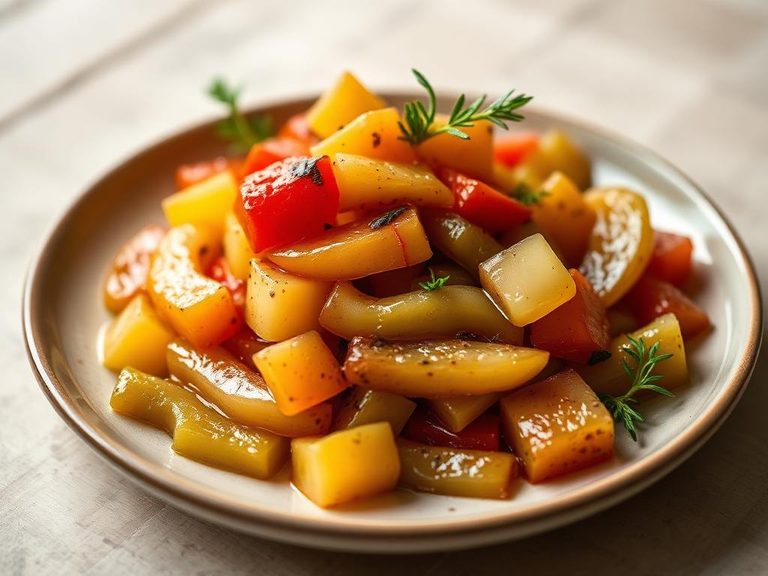
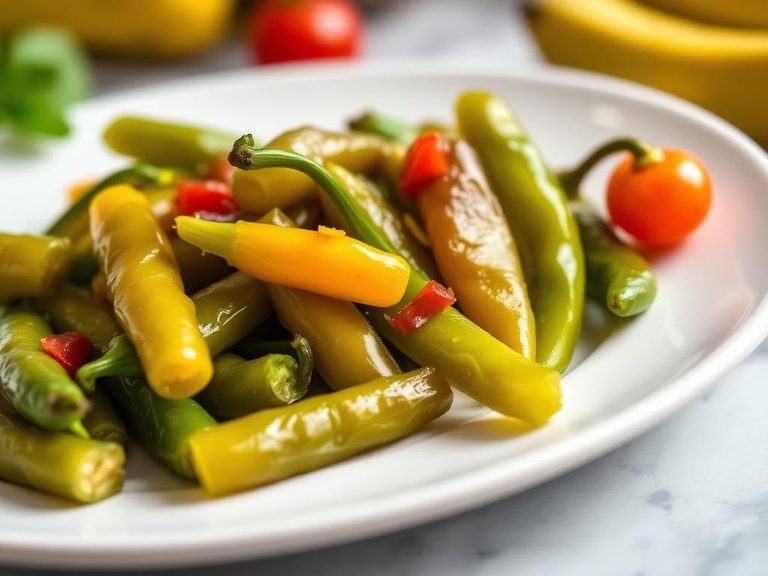
Pickled as a tangy side dish is a preserved preparation where vegetables, most commonly cucumbers, are submerged in a brine of vinegar, water, salt, and often sugar and spices like dill or garlic. This method of pickling is a staple in many cuisines worldwide, from Eastern European to American deli styles, serving as a crisp, acidic counterpoint to rich or savory main courses.
🍽️ Nutrition at a glance
This dish is typically very low in calories, fat, and protein, with most of its minimal calories coming from small amounts of carbohydrates, primarily from any added sugar. Its key nutritional contribution is sodium from the brine, along with trace amounts of vitamins like Vitamin K from the cucumber, and it can be a source of probiotics if fermented naturally.
Nutrition breakdown
| Calories | 25 kcal |
| Protein | 1.5 g |
| Carbs | 4.5 g |
| Fat | 0.3 g |
| Fiber | 2 g |
| Sugar | 2 g |
| Sodium | 680 mg |
| Potassium | 250 mg |
| Vitamin K | 12 mcg |
| Vitamin C | 8 mg |
| Folate | 20 mcg |
| Manganese | 0.2 mg |
| Calcium | 30 mg |
| Iron | 0.5 mg |
| Magnesium | 12 mg |
Per 1 cup (150 g) · estimated, varies by recipe
💡 What's interesting
Culturally, pickling is an ancient preservation technique that has evolved into a distinct culinary art, with regional variations defining local cuisines. Nutritionally, the fermentation process in some traditional pickles creates beneficial probiotics that support gut health, a unique feature not found in vinegar-only quick pickles.
🍽️ Related dishes
AI estimate may be inaccurate · Terms