Pickled fireweed leaves
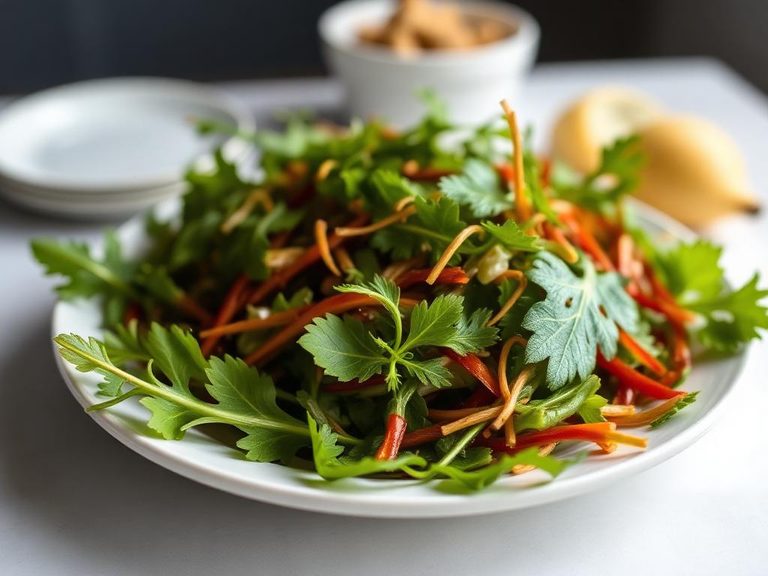
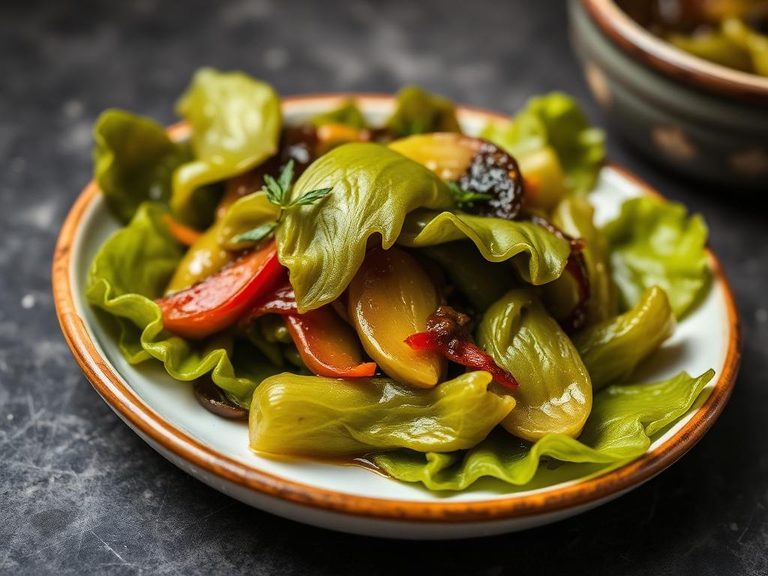
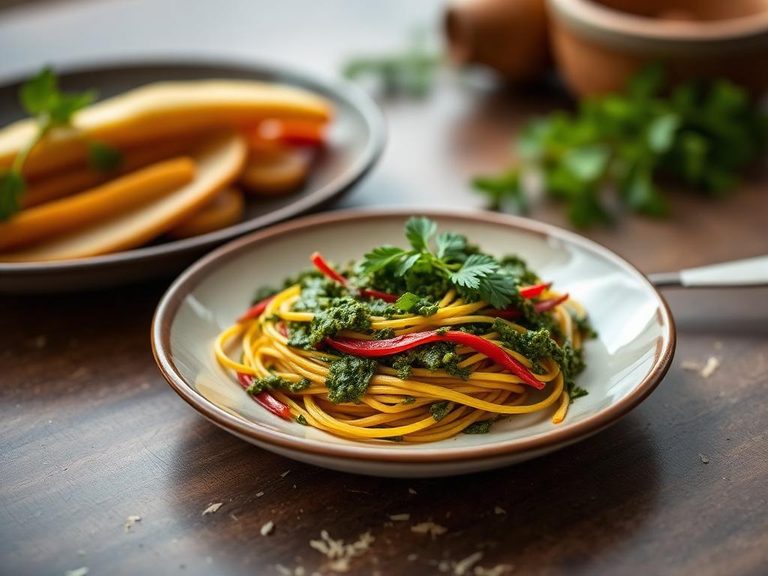
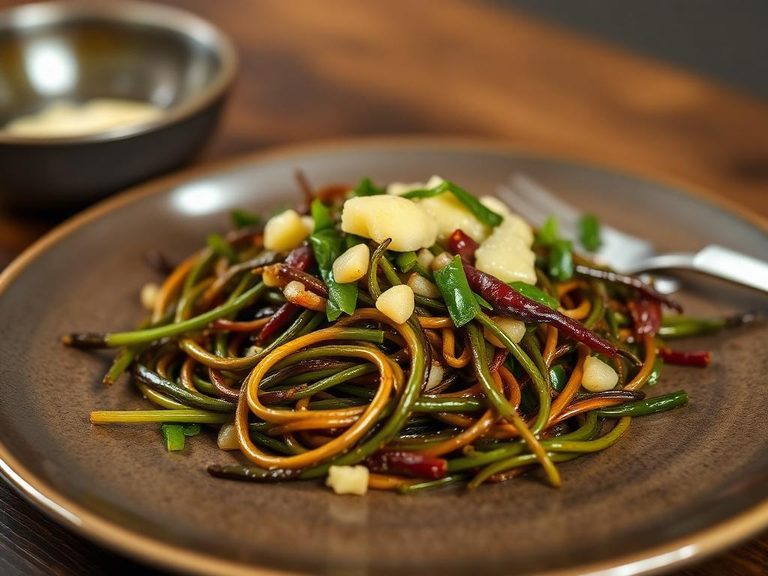
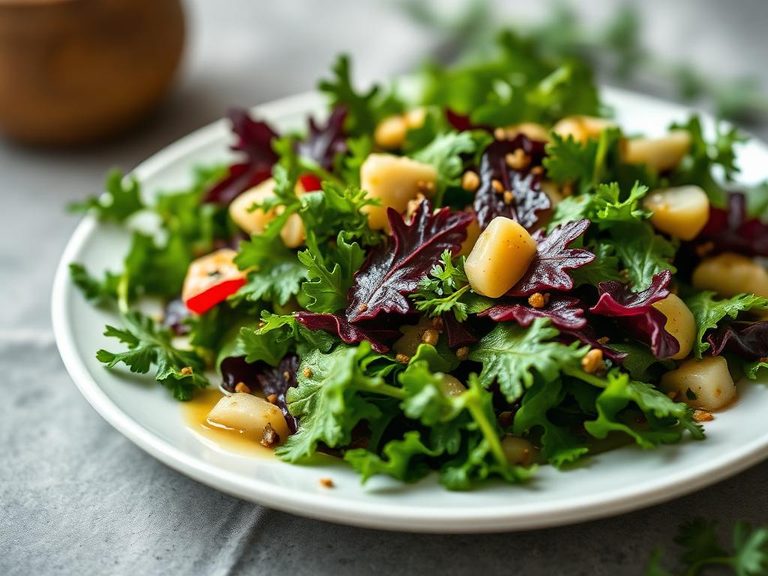
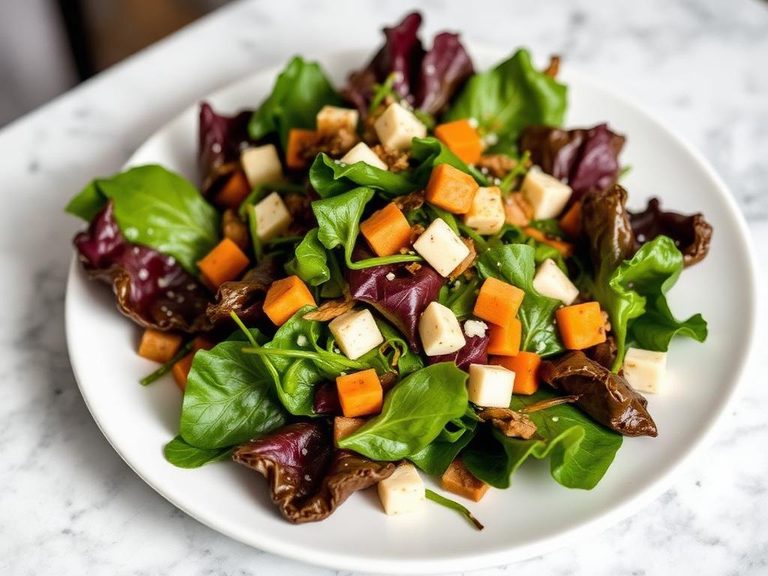
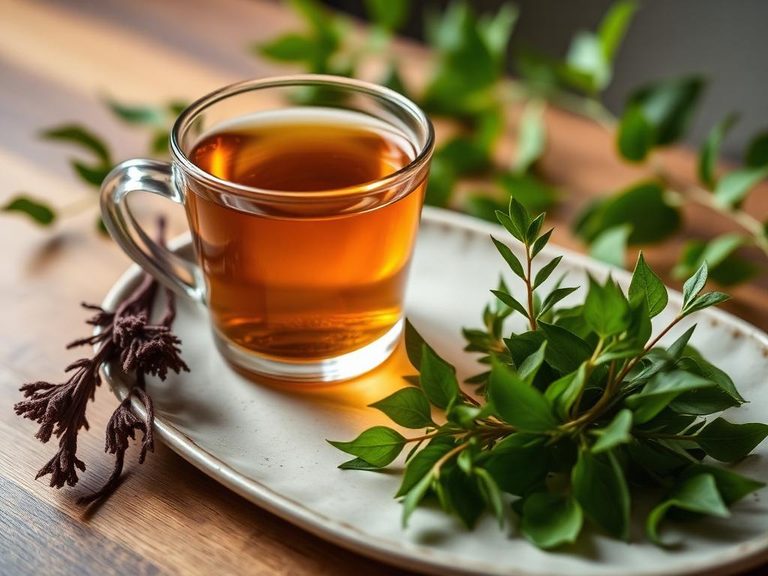
Pickled fireweed leaves are a tangy, preserved dish made from the young shoots and leaves of the fireweed plant (Chamaenerion angustifolium), commonly found in Northern Hemisphere regions like Russia, Scandinavia, and parts of North America. The leaves are typically blanched and then fermented or quick-pickled in a brine of water, salt, and sometimes vinegar or herbs, resulting in a vibrant green, slightly sour condiment.
🍽️ Nutrition at a glance
This dish is low in calories, fat, and protein, but provides a good source of dietary fiber, vitamin C, and minerals like potassium and manganese. A typical serving offers a modest calorie count, primarily from carbohydrates in the form of fiber and natural plant sugars.
Nutrition breakdown
| Calories | 45 kcal |
| Protein | 2.5 g |
| Carbs | 8 g |
| Fat | 0.5 g |
| Fiber | 4 g |
| Sugar | 2 g |
| Sodium | 380 mg |
| Vitamin C | 25 mg |
| Vitamin A | 120 mcg RAE |
| Potassium | 350 mg |
| Manganese | 0.8 mg |
| Iron | 1.2 mg |
| Calcium | 60 mg |
| Magnesium | 25 mg |
| Vitamin K | 30 mcg |
Per 1 cup (150 g) · estimated, varies by recipe
💡 What's interesting
Fireweed is a resilient pioneer plant that often colonizes areas after wildfires, making it a symbol of renewal. Nutritionally, it's a notable wild edible, offering a concentrated source of antioxidants and vitamins that can be preserved through pickling for year-round use.