Pickled sourdock leaves
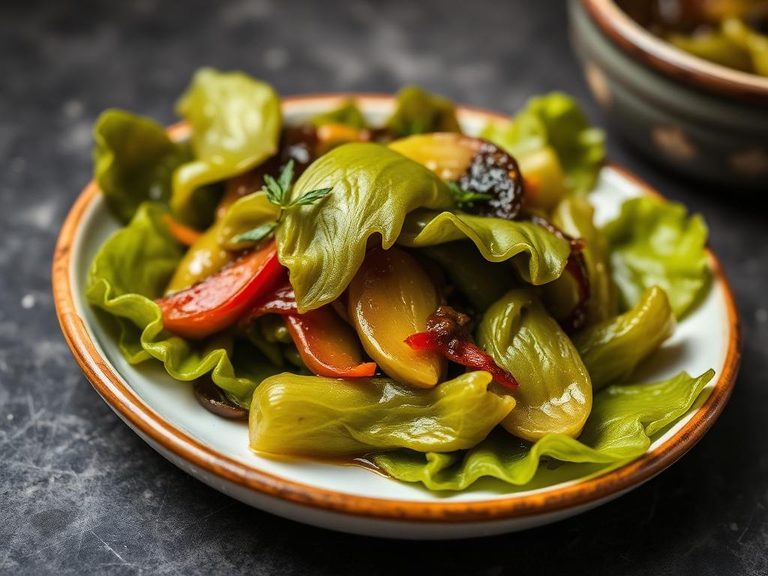
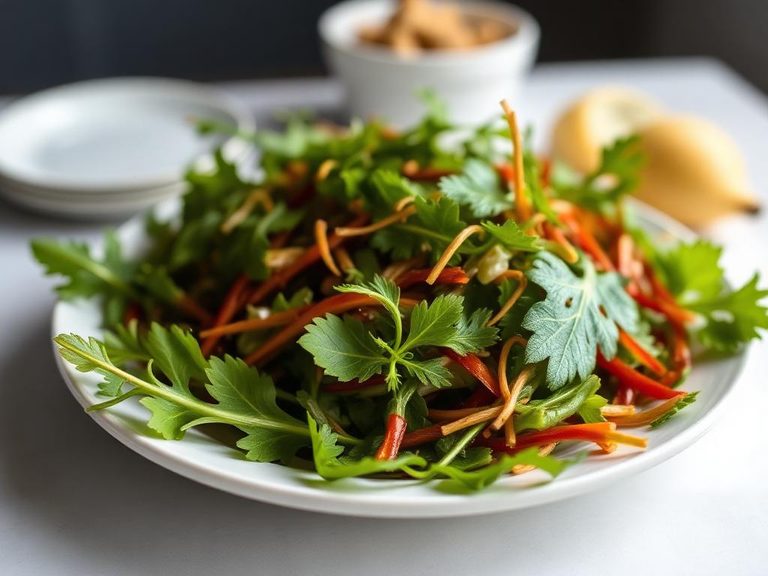
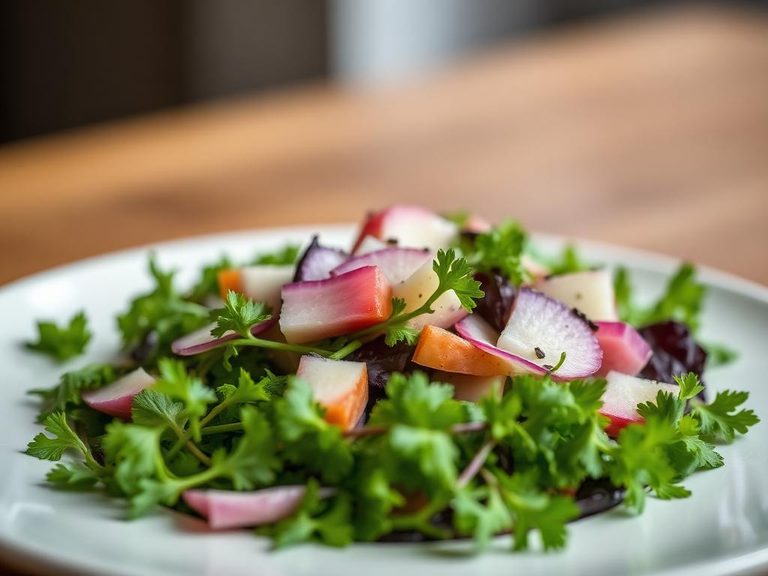
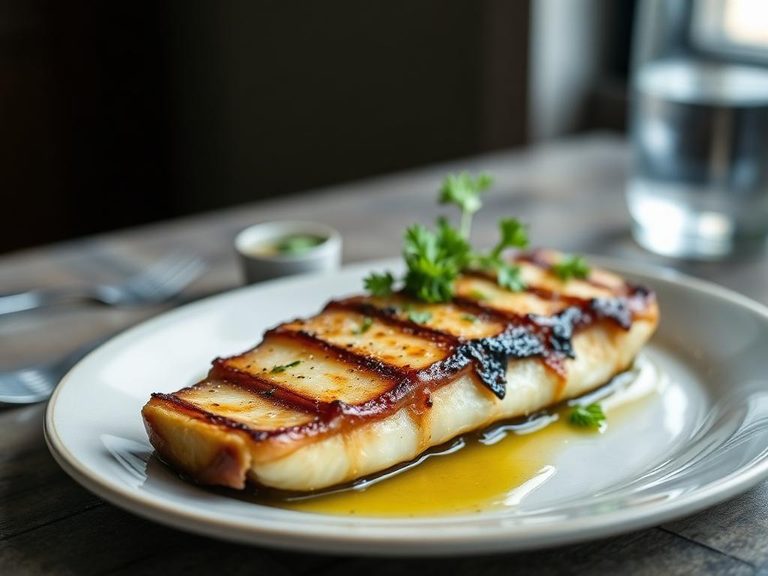
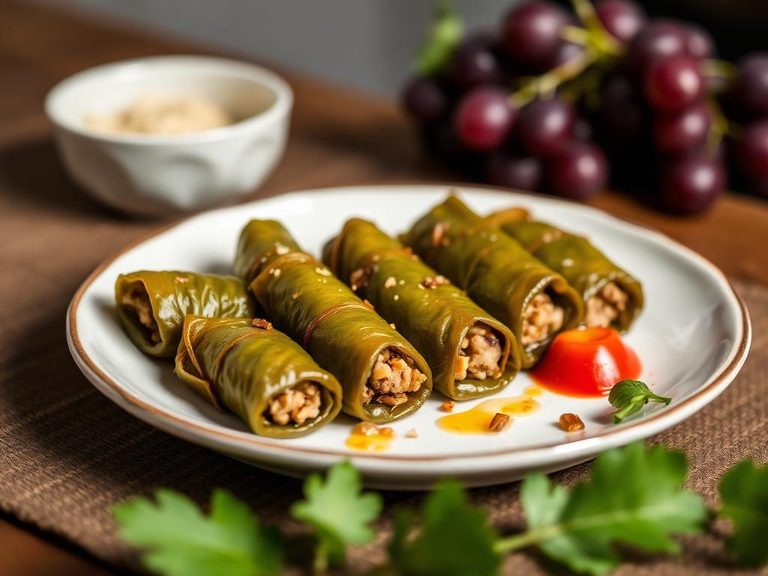
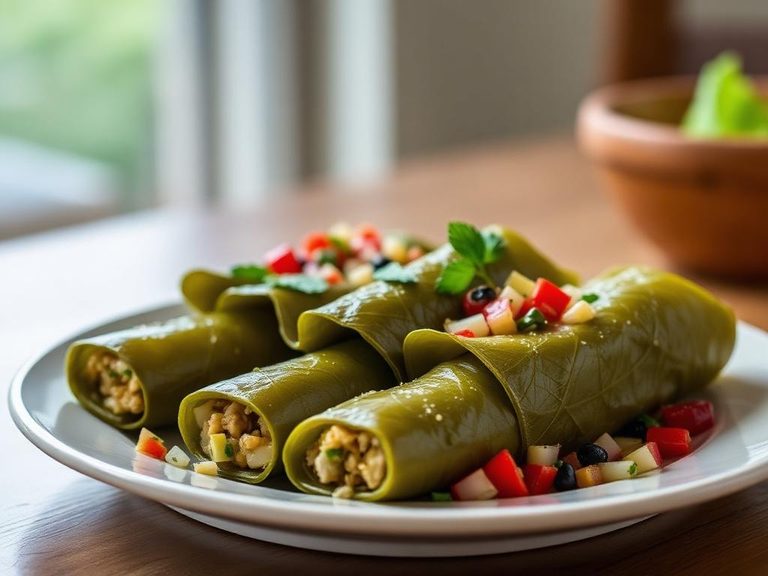
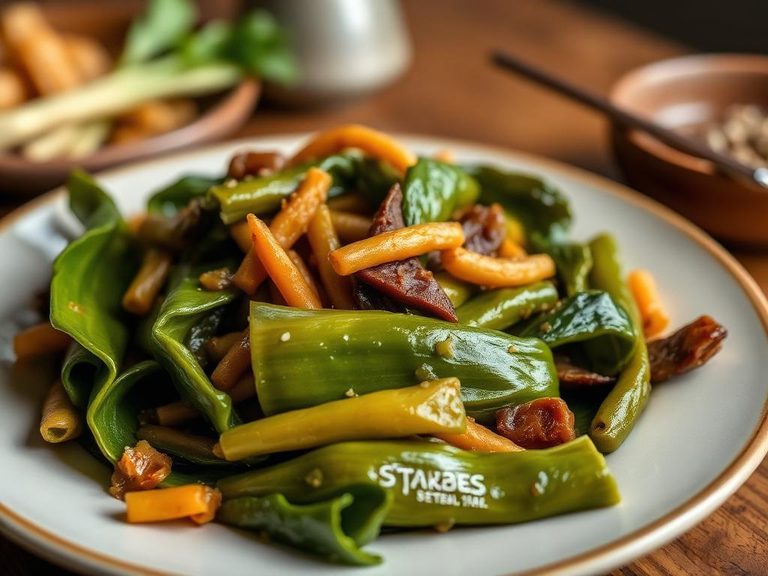
Pickled sourdock leaves are a traditional fermented or vinegar-preserved dish made from the leaves of the sourdock plant (Rumex acetosa), known for its distinct tangy flavor. The leaves are typically washed, packed into jars with salt, water, and sometimes spices like dill or garlic, and allowed to ferment or pickle. This preparation is common in Eastern European, Scandinavian, and some Central Asian cuisines, where it serves as a preserved vegetable for winter months.
🍽️ Nutrition at a glance
This dish is very low in calories, fat, and protein, with minimal carbohydrates primarily from natural plant sugars and fiber. It is a good source of vitamins A and C, and provides minerals like iron and calcium, though sodium content can be high due to the pickling brine.
Nutrition breakdown
| Calories | 25 kcal |
| Protein | 1.5 g |
| Carbs | 4 g |
| Fat | 0.3 g |
| Fiber | 2.5 g |
| Sugar | 1 g |
| Sodium | 680 mg |
| Vitamin A | 3200 IU |
| Vitamin C | 15 mg |
| Iron | 1.8 mg |
| Calcium | 100 mg |
| Potassium | 250 mg |
| Magnesium | 20 mg |
| Manganese | 0.3 mg |
| Vitamin K | 40 mcg |
Per 1 cup (150 g) · estimated, varies by recipe
💡 What's interesting
Culturally, pickled sourdock leaves are a historic method of preserving wild or garden greens, often foraged in late spring. Nutritionally, the fermentation process can enhance the bioavailability of certain nutrients and introduce beneficial probiotics if naturally fermented.