

Blueberries, frozen, unsweetened (Includes foods for USDA's Food Distribution Program)
Whole food · Fruits and Fruit Juices

Photo: Wikipedia
These are whole, wild blueberries flash-frozen at peak ripeness without any added sugar, preserving their deep, dusky-purple hue and a concentrated burst of sweet-tart flavor. Their texture is firm yet juicy when thawed, offering a satisfying pop that's more intense than fresh berries. Nutritionally, they are a standout for being low in calories while delivering a significant dose of dietary fiber and natural sugars.
Calorie split: 3% protein · 87% carbs · 10% fat
↓ Full nutrition💚 Why it's loved
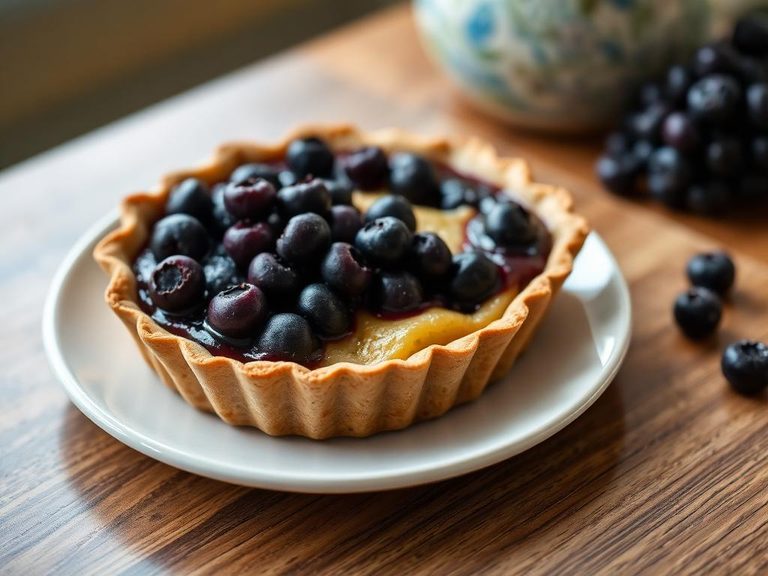
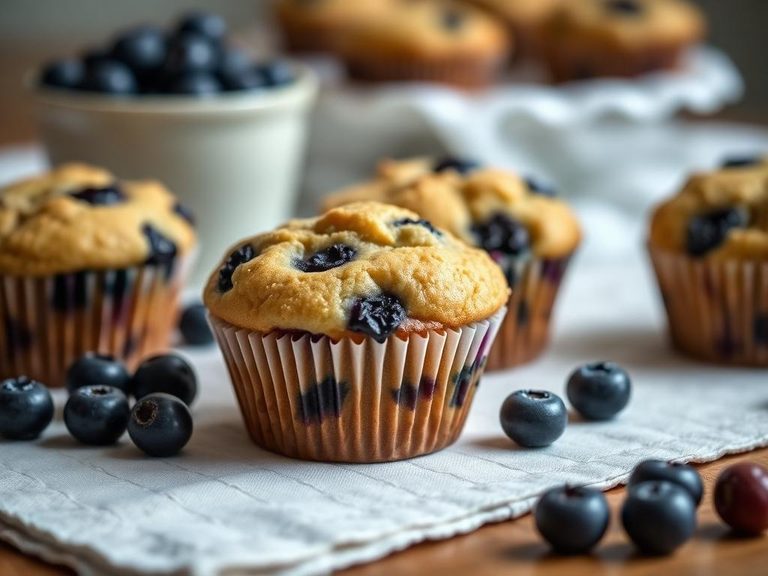
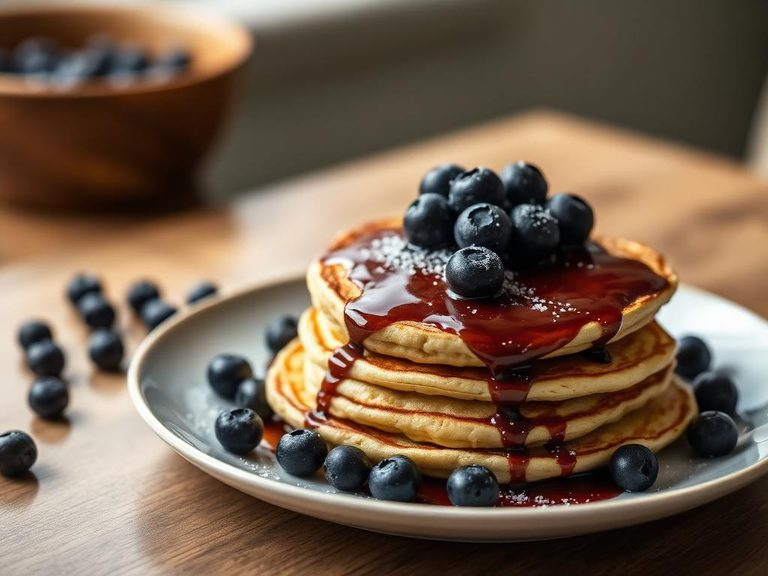
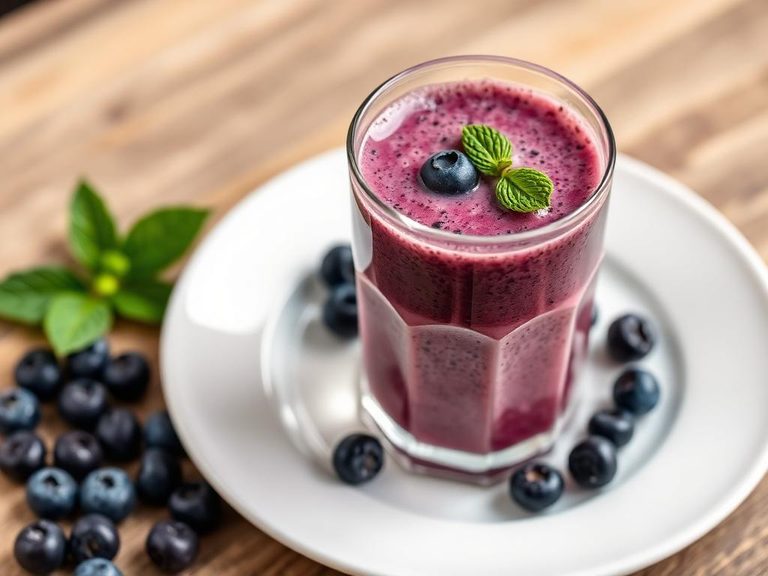
People love them for their intense, concentrated blueberry flavor that often surpasses fresh berries, and their incredible versatility—they can be seamlessly blended into smoothies, baked into pies, or simply eaten as a frosty, healthy snack. They are a staple of North American cuisine, especially in New England and Atlantic Canada, where they are celebrated in everything from pancakes to jam.
⚠️ Watch-outs & how to enjoy it better
Due to their natural sugar content, consuming large portions can cause a rapid rise in blood sugar, which is a consideration for individuals managing diabetes. To counteract this, pair them with a source of protein or healthy fat (like yogurt, nuts, or seeds) to slow sugar absorption. Some may also find the texture of thawed berries less appealing if they prefer a firmer bite, in which case they are best used in cooked dishes or smoothies.
Key benefits
- Excellent source of dietary fiber (2.7g per 100g).
- Naturally low in fat and calories.
- Rich in antioxidants, particularly anthocyanins.
- Provides a quick source of natural energy from carbohydrates.
- Convenient year-round access to peak-season nutrition.
🍽️ Popular dishes
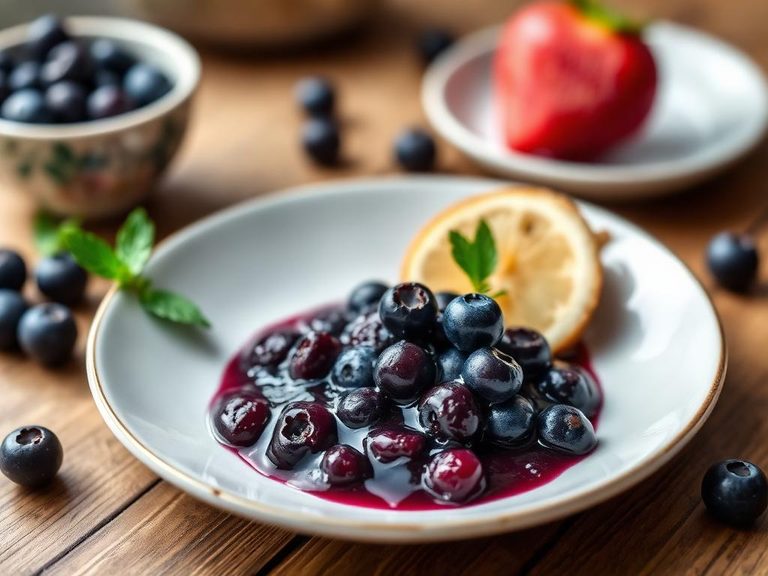
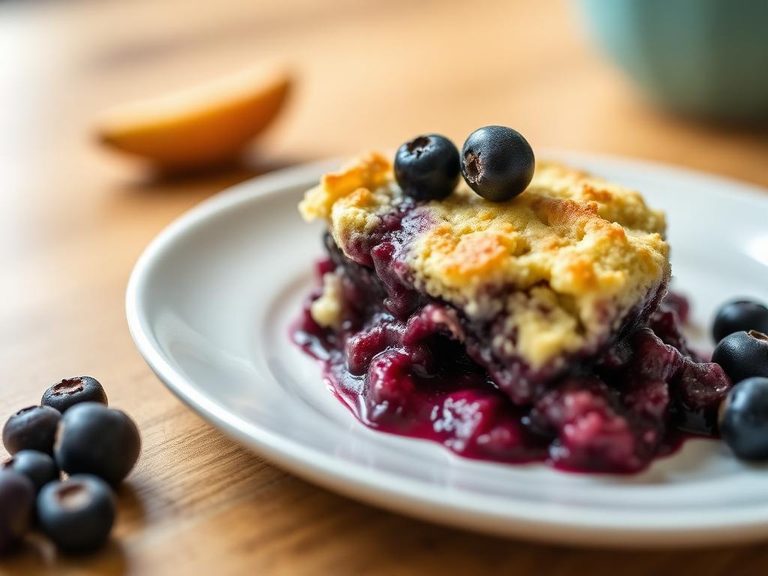
🌍 Where it's eaten
💡 Did you know?
Wild blueberries are true genetic marvels—each berry in a field is a unique clone, meaning a single harvest can contain thousands of distinct genetic variations in flavor and antioxidant profile.
Full nutrition (USDA data · scales with serving)
| Water | 86.6 g |
| Energy | 51.0 kcal |
| Energy | 213 kj |
| Protein | 0.42 g |
| Total lipid (fat) | 0.64 g |
| Ash | 0.18 g |
| Carbohydrate, by difference | 12.2 g |
| Fiber, total dietary | 2.7 g |
| Total Sugars | 8.4 g |
| Calcium, Ca | 8.0 mg |
| Iron, Fe | 0.18 mg |
| Magnesium, Mg | 5.0 mg |
| Phosphorus, P | 11.0 mg |
| Potassium, K | 54.0 mg |
| Sodium, Na | 1.0 mg |
| Zinc, Zn | 0.07 mg |
| Copper, Cu | 0.03 mg |
| Manganese, Mn | 0.15 mg |
| Selenium, Se | 0.10 ug |
| Vitamin C, total ascorbic acid | 2.5 mg |
| Thiamin | 0.03 mg |
| Riboflavin | 0.04 mg |
| Niacin | 0.52 mg |
| Pantothenic acid | 0.13 mg |
| Vitamin B-6 | 0.06 mg |
| Folate, total | 7.0 ug |
| Folic acid | 0.00 ug |
| Folate, food | 7.0 ug |
| Folate, DFE | 7.0 ug |
| Choline, total | 5.1 mg |
| Vitamin B-12 | 0.00 ug |
| Vitamin B-12, added | 0.00 ug |
| Vitamin A, RAE | 2.0 ug |
| Retinol | 0.00 ug |
| Carotene, beta | 28.0 ug |
| Carotene, alpha | 0.00 ug |
| Cryptoxanthin, beta | 0.00 ug |
| Vitamin A, IU | 46.0 iu |
| Lycopene | 0.00 ug |
| Lutein + zeaxanthin | 68.0 ug |
| Vitamin E (alpha-tocopherol) | 0.48 mg |
| Vitamin E, added | 0.00 mg |
| Vitamin D (D2 + D3), International Units | 0.00 iu |
| Vitamin D (D2 + D3) | 0.00 ug |
| Vitamin K (phylloquinone) | 16.4 ug |
| Alcohol, ethyl | 0.00 g |
| Caffeine | 0.00 mg |
| Theobromine | 0.00 mg |
Fat & fatty acid profile (per 100g)
| Fatty acids, total saturated | 0.05 g |
| SFA 4:0 | 0.00 g |
| SFA 6:0 | 0.00 g |
| SFA 8:0 | 0.00 g |
| SFA 10:0 | 0.00 g |
| SFA 12:0 | 0.00 g |
| SFA 14:0 | 0.00 g |
| SFA 16:0 | 0.03 g |
| SFA 18:0 | 0.01 g |
| Fatty acids, total monounsaturated | 0.09 g |
| MUFA 16:1 | 0.00 g |
| MUFA 18:1 | 0.09 g |
| MUFA 20:1 | 0.00 g |
| MUFA 22:1 | 0.00 g |
| Fatty acids, total polyunsaturated | 0.28 g |
| PUFA 18:2 | 0.17 g |
| PUFA 18:3 | 0.11 g |
| PUFA 18:4 | 0.00 g |
| PUFA 20:4 | 0.00 g |
| PUFA 20:5 n-3 (EPA) | 0.00 g |
| PUFA 22:5 n-3 (DPA) | 0.00 g |
| PUFA 22:6 n-3 (DHA) | 0.00 g |
| Fatty acids, total trans | 0.00 g |
| Cholesterol | 0.00 mg |
Amino acid profile (per 100g)
| Tryptophan | 0.00 g |
| Threonine | 0.01 g |
| Isoleucine | 0.01 g |
| Leucine | 0.03 g |
| Lysine | 0.01 g |
| Methionine | 0.01 g |
| Cystine | 0.00 g |
| Phenylalanine | 0.01 g |
| Tyrosine | 0.01 g |
| Valine | 0.02 g |
| Arginine | 0.02 g |
| Histidine | 0.01 g |
| Alanine | 0.02 g |
| Aspartic acid | 0.03 g |
| Glutamic acid | 0.05 g |
| Glycine | 0.02 g |
| Proline | 0.01 g |
| Serine | 0.01 g |
FAQ
Are frozen blueberries as nutritious as fresh?
Yes, often more so. Flash-freezing locks in nutrients at their peak, while fresh berries may lose some vitamins during transport and storage.
How should I thaw them?
For eating plain, thaw in the refrigerator for a few hours or at room temperature for 30 minutes. For baking or smoothies, they can often be used directly from the freezer.
Do I need to add sugar when cooking with them?
Not necessarily. Their natural sweetness intensifies when cooked. Taste first and add sweetener only if needed, especially in sweetened preparations like pies.
Nutrient density (calculated · NRF9.3)
Nutrient Rich Foods index: beneficial nutrients (protein, fiber, vitamins, minerals) minus saturated fat, added sugar & sodium, per 100 kcal.
NRF9.3 index — Fulgoni, Keast & Drewnowski, 2009. Computed from USDA nutrients.
Weight-loss friendliness (composite index)
Energy density 0.51 kcal/g · 3% calories from protein · 2.7 g fiber · 8.4 g sugar per 100 g.
Composite of energy density (Rolls et al., 1999), protein & fiber satiety, minus sugar. A calculated heuristic — ranks satiety-per-calorie, not a clinical measure.
Dietary load (calculated from USDA values)
Potential renal acid load. Positive = acid-forming, negative = alkaline-forming.
Sodium-to-potassium ratio: 0.02 (lower is better — aim for ≤ 1)
Sodium:potassium per WHO potassium guidance. Computed from USDA nutrients.