

Beverages, tea, green, ready-to-drink, sweetened
Whole food · Beverages

Photo: Wikipedia
This is a chilled, ready-to-drink green tea, typically brewed from camellia sinensis leaves and sweetened with sugar or high-fructose corn syrup. It offers a smooth, slightly grassy tea flavor balanced by noticeable sweetness, with a thin, watery texture. Nutritionally, it's a low-calorie beverage primarily providing simple carbohydrates from added sugars.
Calorie split: 0% protein · 93% carbs · 7% fat
↓ Full nutrition💚 Why it's loved
People love it for its refreshing, sweetened twist on traditional green tea, making it an easy and convenient pick-me-up. It's a staple in convenience stores and vending machines, especially in East Asia, offering a familiar, thirst-quenching flavor.
⚠️ Watch-outs & how to enjoy it better
The primary downside is the added sugar content, which can contribute to blood sugar spikes and empty calories, making it less ideal for those managing diabetes or calorie intake. To counteract this, consider it an occasional treat, practice portion control by choosing a smaller can, or pair it with a source of protein or fiber to slow sugar absorption.
Key benefits
- Provides hydration
- Contains antioxidants like catechins from green tea
- Offers a convenient source of quick energy from carbohydrates
- Caffeine content can offer mild alertness
- Often lower in calories than many other sweetened drinks
🍽️ Popular dishes
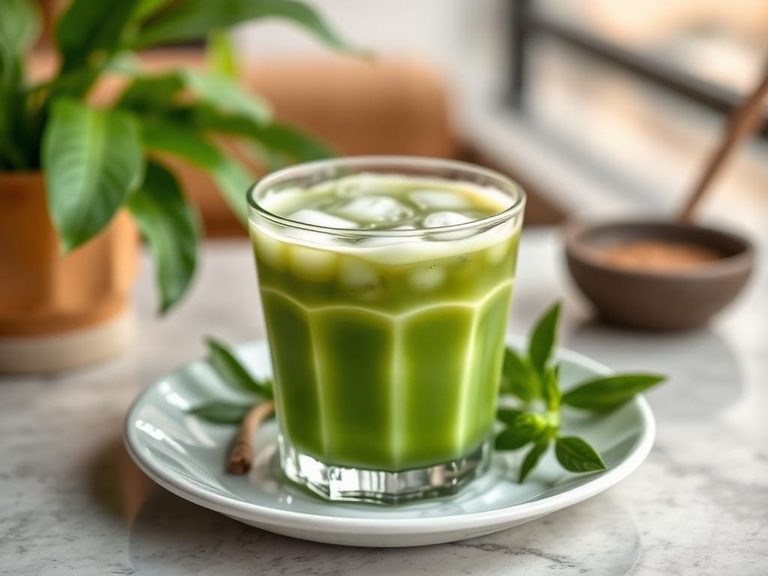
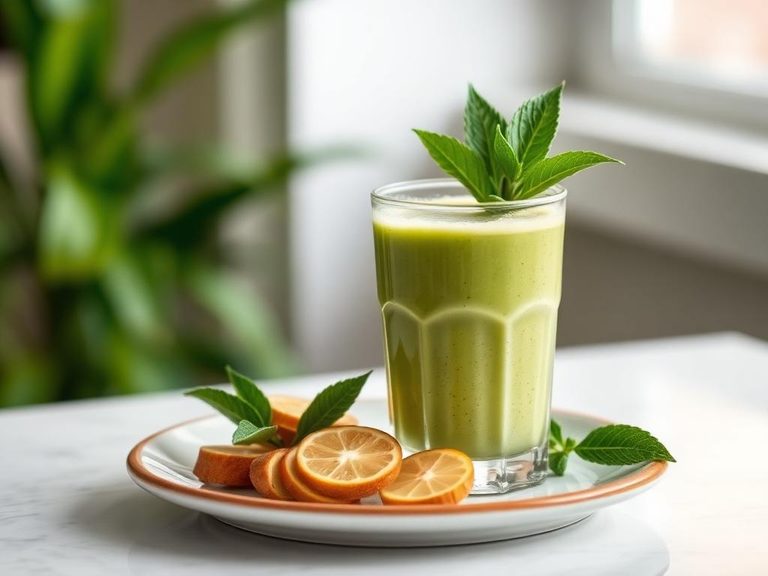
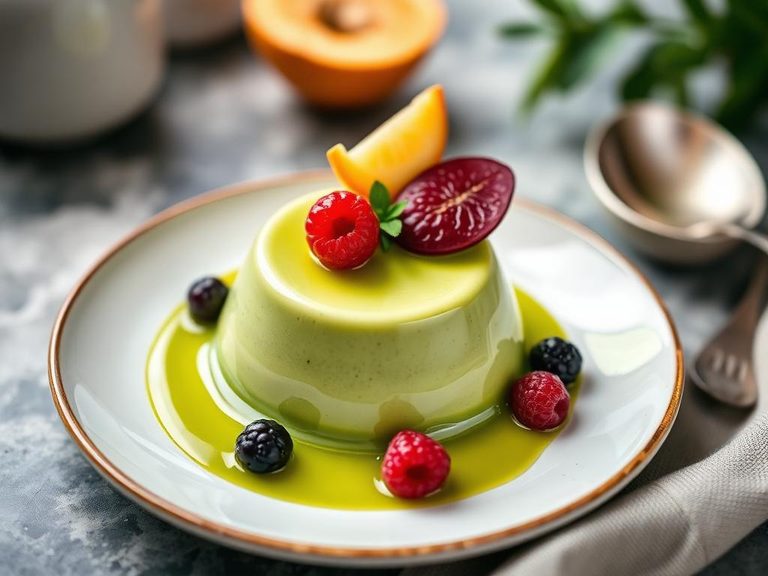
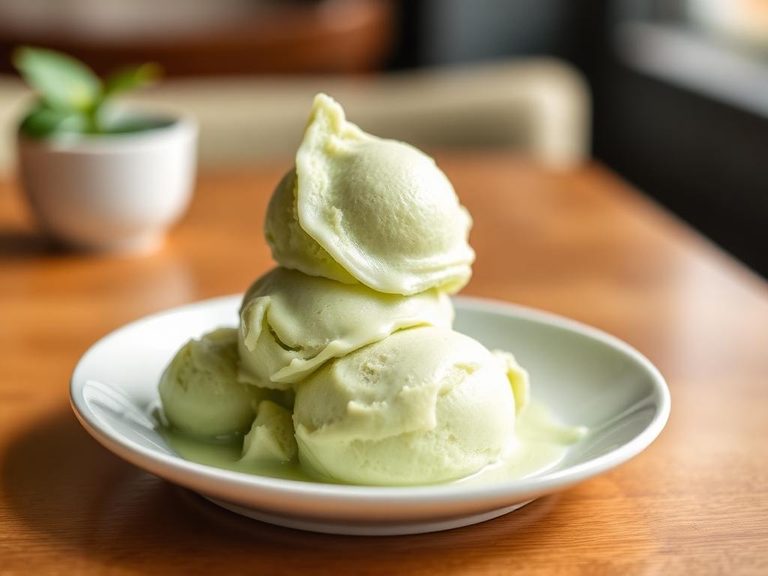
🌍 Where it's eaten
💡 Did you know?
The commercial ready-to-drink green tea market was pioneered in Japan in the late 1970s, with brands like Oi Ocha creating the iconic canned tea format that spread globally.
Full nutrition (USDA data · scales with serving)
| Water | 93.5 g |
| Energy | 27.0 kcal |
| Energy | 112 kj |
| Protein | 0.00 g |
| Total lipid (fat) | 0.22 g |
| Ash | 0.03 g |
| Carbohydrate, by difference | 6.2 g |
| Fiber, total dietary | 0.00 g |
| Total Sugars | 5.3 g |
| Sucrose | 0.00 g |
| Glucose | 2.2 g |
| Fructose | 3.1 g |
| Lactose | 0.00 g |
| Maltose | 0.00 g |
| Galactose | 0.00 g |
| Calcium, Ca | 1.0 mg |
| Iron, Fe | 0.00 mg |
| Magnesium, Mg | 0.00 mg |
| Phosphorus, P | 31.0 mg |
| Potassium, K | 12.0 mg |
| Sodium, Na | 21.0 mg |
| Zinc, Zn | 0.01 mg |
| Copper, Cu | 0.01 mg |
| Manganese, Mn | 0.07 mg |
| Selenium, Se | 0.00 ug |
| Vitamin C, total ascorbic acid | 0.00 mg |
| Thiamin | 0.00 mg |
| Riboflavin | 0.00 mg |
| Niacin | 0.00 mg |
| Vitamin B-6 | 0.00 mg |
| Folate, total | 0.00 ug |
| Folic acid | 0.00 ug |
| Folate, food | 0.00 ug |
| Folate, DFE | 0.00 ug |
| Choline, total | 0.00 mg |
| Vitamin B-12 | 0.00 ug |
| Vitamin B-12, added | 0.00 ug |
| Vitamin A, RAE | 0.00 ug |
| Retinol | 0.00 ug |
| Carotene, beta | 0.00 ug |
| Carotene, alpha | 0.00 ug |
| Cryptoxanthin, beta | 0.00 ug |
| Vitamin A, IU | 0.00 iu |
| Lycopene | 0.00 ug |
| Lutein + zeaxanthin | 0.00 ug |
| Vitamin E (alpha-tocopherol) | 0.00 mg |
| Vitamin E, added | 0.00 mg |
| Vitamin D (D2 + D3), International Units | 0.00 iu |
| Vitamin D (D2 + D3) | 0.00 ug |
| Vitamin K (phylloquinone) | 0.00 ug |
| Alcohol, ethyl | 0.00 g |
| Caffeine | 5.0 mg |
| Theobromine | 1.0 mg |
Fat & fatty acid profile (per 100g)
| Fatty acids, total saturated | 0.00 g |
| SFA 4:0 | 0.00 g |
| SFA 6:0 | 0.00 g |
| SFA 8:0 | 0.00 g |
| SFA 10:0 | 0.00 g |
| SFA 12:0 | 0.00 g |
| SFA 14:0 | 0.00 g |
| SFA 16:0 | 0.00 g |
| SFA 18:0 | 0.00 g |
| Fatty acids, total monounsaturated | 0.00 g |
| MUFA 16:1 | 0.00 g |
| MUFA 18:1 | 0.00 g |
| MUFA 20:1 | 0.00 g |
| MUFA 22:1 | 0.00 g |
| Fatty acids, total polyunsaturated | 0.00 g |
| PUFA 18:2 | 0.00 g |
| PUFA 18:3 | 0.00 g |
| PUFA 18:4 | 0.00 g |
| PUFA 20:4 | 0.00 g |
| PUFA 20:5 n-3 (EPA) | 0.00 g |
| PUFA 22:5 n-3 (DPA) | 0.00 g |
| PUFA 22:6 n-3 (DHA) | 0.00 g |
| Cholesterol | 0.00 mg |
Amino acid profile (per 100g)
Estimated from Beverages, carbonated, tonic water — USDA does not publish this profile for Beverages.
| Tryptophan | 0.00 g |
| Threonine | 0.00 g |
| Isoleucine | 0.00 g |
| Leucine | 0.00 g |
| Lysine | 0.00 g |
| Methionine | 0.00 g |
| Cystine | 0.00 g |
| Phenylalanine | 0.00 g |
| Tyrosine | 0.00 g |
| Valine | 0.00 g |
| Arginine | 0.00 g |
| Histidine | 0.00 g |
| Alanine | 0.00 g |
| Aspartic acid | 0.00 g |
| Glutamic acid | 0.00 g |
| Glycine | 0.00 g |
| Proline | 0.00 g |
| Serine | 0.00 g |
FAQ
Is ready-to-drink green tea as healthy as freshly brewed?
Generally, freshly brewed green tea retains higher levels of beneficial antioxidants like catechins, which can degrade over time and with processing. RTD versions are also typically sweetened, adding sugar not found in plain brewed tea.
Does the sugar in sweetened green tea negate the benefits of the tea itself?
While the antioxidants are still present, the added sugar contributes empty calories and can offset some health advantages, particularly regarding blood sugar management and calorie control. Unsweetened versions are nutritionally superior.
How much caffeine is typically in a bottle?
Caffeine content varies by brand and size, but a standard 500ml bottle usually contains between 20-50mg of caffeine, which is less than a typical cup of coffee but enough to provide a mild stimulant effect.
Nutrient density (calculated · NRF9.3)
Nutrient Rich Foods index: beneficial nutrients (protein, fiber, vitamins, minerals) minus saturated fat, added sugar & sodium, per 100 kcal.
NRF9.3 index — Fulgoni, Keast & Drewnowski, 2009. Computed from USDA nutrients.
Weight-loss friendliness (composite index)
Energy density 0.27 kcal/g · 0% calories from protein · 0.0 g fiber · 5.3 g sugar per 100 g.
Composite of energy density (Rolls et al., 1999), protein & fiber satiety, minus sugar. A calculated heuristic — ranks satiety-per-calorie, not a clinical measure.
Dietary load (calculated from USDA values)
Potential renal acid load. Positive = acid-forming, negative = alkaline-forming.
Sodium-to-potassium ratio: 1.75 (lower is better — aim for ≤ 1)
Sodium:potassium per WHO potassium guidance. Computed from USDA nutrients.