

Beets, cooked, boiled, drained
Whole food · Vegetables and Vegetable Products

Photo: Wikipedia
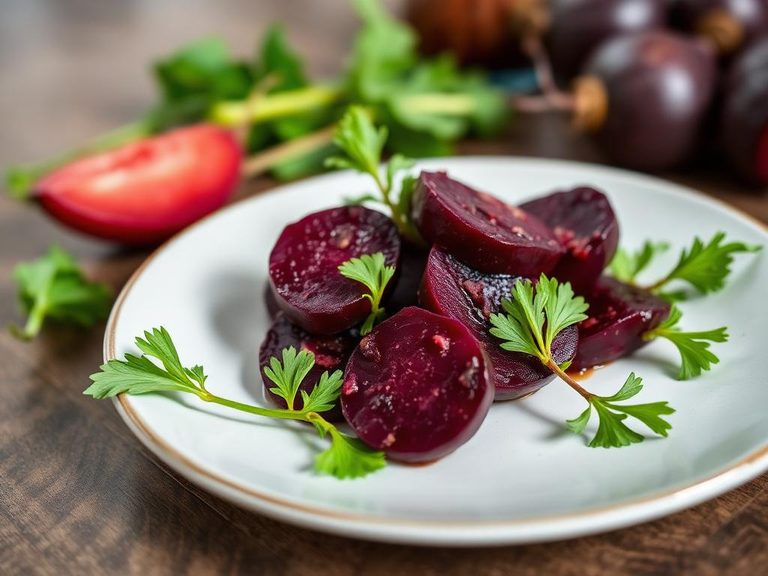
Boiled and drained beets are tender, ruby-red root vegetables with an earthy sweetness and a soft, velvety texture. They are a low-calorie, high-fiber food, offering a good source of folate and manganese while being naturally low in fat.
Calorie split: 14% protein · 83% carbs · 3% fat
↓ Full nutrition💚 Why it's loved
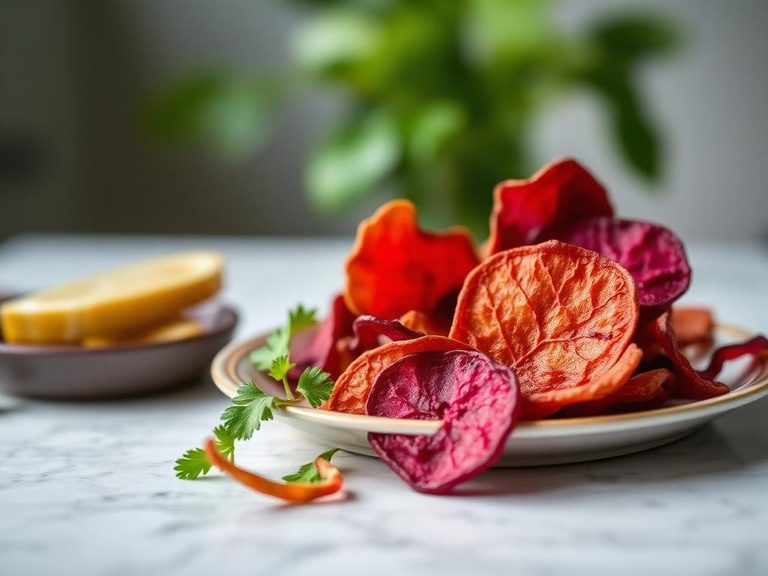
People love beets for their deep, earthy sweetness that intensifies with cooking and their stunning color that can transform any dish. They are incredibly versatile, fitting seamlessly into salads, soups, sides, and even desserts across many cuisines.
⚠️ Watch-outs & how to enjoy it better
The high natural sugar content can cause a quicker blood sugar rise compared to non-starchy vegetables. To mitigate this, pair beets with a source of protein (like Greek yogurt or nuts) or healthy fat (like olive oil or avocado) to slow digestion. Some individuals may also experience beeturia (pink urine), which is harmless but can be alarming.
Key benefits
- Rich in folate, essential for cell growth and function.
- Good source of dietary nitrates, which may support healthy blood flow.
- High in fiber, promoting digestive health and satiety.
- Contains antioxidants like betalains, which give them their vibrant color.
- Naturally low in fat and calories, making them a nutrient-dense choice.
🍽️ Popular dishes
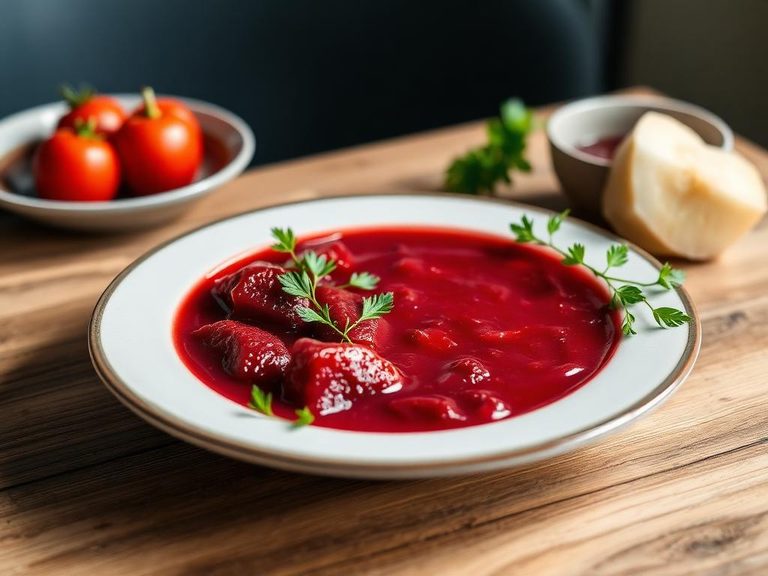
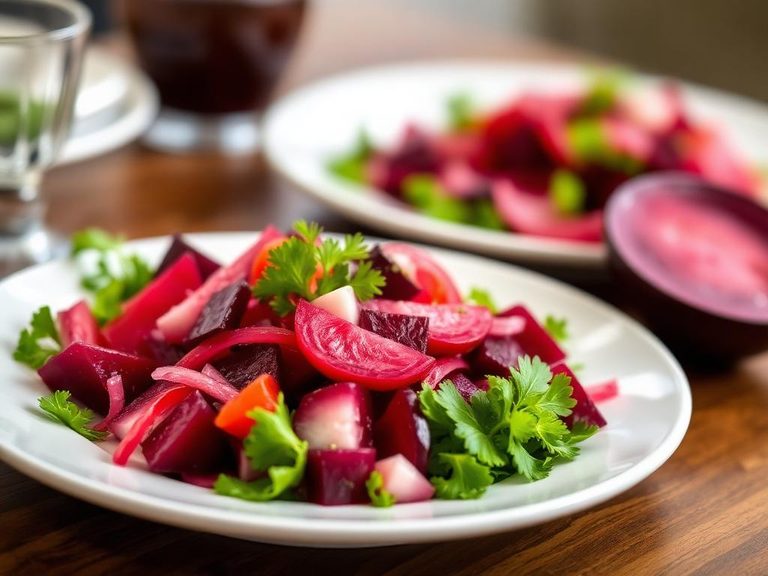
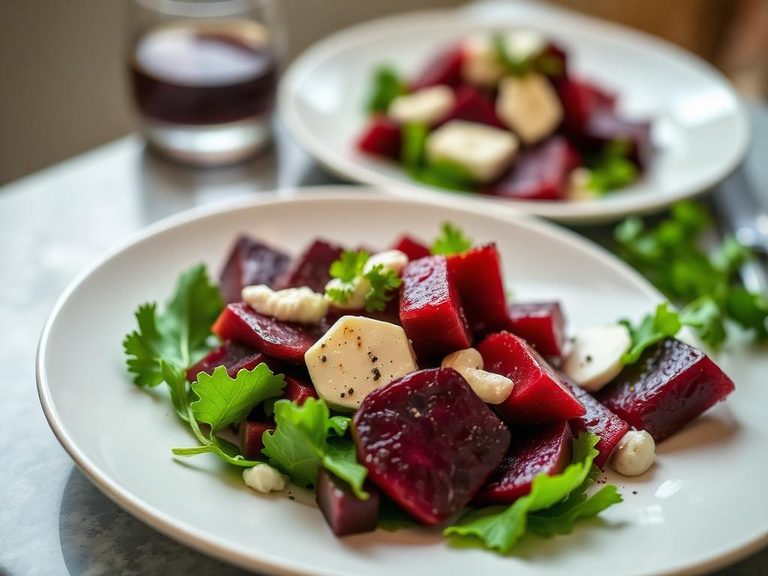
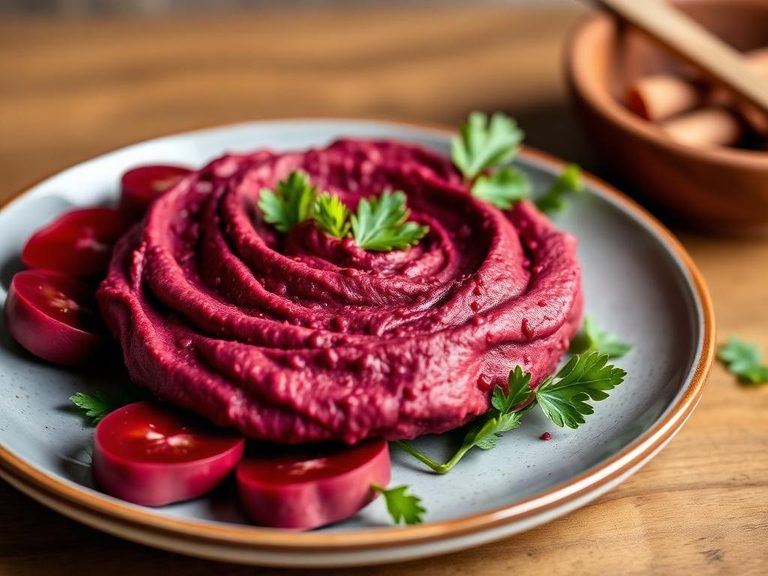
🌍 Where it's eaten
💡 Did you know?
The vibrant pigments in beets, called betalains, are so potent they were once used as a natural food dye and are being researched for use in biodegradable ink.
Full nutrition (USDA data · scales with serving)
| Water | 87.1 g |
| Energy | 44.0 kcal |
| Energy | 184 kj |
| Protein | 1.7 g |
| Total lipid (fat) | 0.18 g |
| Ash | 1.1 g |
| Carbohydrate, by difference | 10.0 g |
| Fiber, total dietary | 2.0 g |
| Total Sugars | 8.0 g |
| Calcium, Ca | 16.0 mg |
| Iron, Fe | 0.79 mg |
| Magnesium, Mg | 23.0 mg |
| Phosphorus, P | 38.0 mg |
| Potassium, K | 305 mg |
| Sodium, Na | 77.0 mg |
| Zinc, Zn | 0.35 mg |
| Copper, Cu | 0.07 mg |
| Manganese, Mn | 0.33 mg |
| Selenium, Se | 0.70 ug |
| Vitamin C, total ascorbic acid | 3.6 mg |
| Thiamin | 0.03 mg |
| Riboflavin | 0.04 mg |
| Niacin | 0.33 mg |
| Pantothenic acid | 0.14 mg |
| Vitamin B-6 | 0.07 mg |
| Folate, total | 80.0 ug |
| Folic acid | 0.00 ug |
| Folate, food | 80.0 ug |
| Folate, DFE | 80.0 ug |
| Choline, total | 6.3 mg |
| Vitamin B-12 | 0.00 ug |
| Vitamin B-12, added | 0.00 ug |
| Vitamin A, RAE | 2.0 ug |
| Retinol | 0.00 ug |
| Carotene, beta | 21.0 ug |
| Carotene, alpha | 0.00 ug |
| Cryptoxanthin, beta | 0.00 ug |
| Vitamin A, IU | 35.0 iu |
| Lycopene | 0.00 ug |
| Lutein + zeaxanthin | 0.00 ug |
| Vitamin E (alpha-tocopherol) | 0.04 mg |
| Vitamin E, added | 0.00 mg |
| Vitamin D (D2 + D3), International Units | 0.00 iu |
| Vitamin D (D2 + D3) | 0.00 ug |
| Vitamin K (phylloquinone) | 0.20 ug |
| Alcohol, ethyl | 0.00 g |
| Caffeine | 0.00 mg |
| Theobromine | 0.00 mg |
Fat & fatty acid profile (per 100g)
| Fatty acids, total saturated | 0.03 g |
| SFA 4:0 | 0.00 g |
| SFA 6:0 | 0.00 g |
| SFA 8:0 | 0.00 g |
| SFA 10:0 | 0.00 g |
| SFA 12:0 | 0.00 g |
| SFA 14:0 | 0.00 g |
| SFA 16:0 | 0.03 g |
| SFA 18:0 | 0.00 g |
| Fatty acids, total monounsaturated | 0.04 g |
| MUFA 16:1 | 0.00 g |
| MUFA 18:1 | 0.04 g |
| MUFA 20:1 | 0.00 g |
| MUFA 22:1 | 0.00 g |
| Fatty acids, total polyunsaturated | 0.06 g |
| PUFA 18:2 | 0.06 g |
| PUFA 18:3 | 0.01 g |
| PUFA 18:4 | 0.00 g |
| PUFA 20:4 | 0.00 g |
| PUFA 20:5 n-3 (EPA) | 0.00 g |
| PUFA 22:5 n-3 (DPA) | 0.00 g |
| PUFA 22:6 n-3 (DHA) | 0.00 g |
| Fatty acids, total trans | 0.00 g |
| Cholesterol | 0.00 mg |
Amino acid profile (per 100g)
| Tryptophan | 0.02 g |
| Threonine | 0.05 g |
| Isoleucine | 0.05 g |
| Leucine | 0.07 g |
| Lysine | 0.06 g |
| Methionine | 0.02 g |
| Cystine | 0.02 g |
| Phenylalanine | 0.05 g |
| Tyrosine | 0.04 g |
| Valine | 0.06 g |
| Arginine | 0.04 g |
| Histidine | 0.02 g |
| Alanine | 0.06 g |
| Aspartic acid | 0.12 g |
| Glutamic acid | 0.45 g |
| Glycine | 0.03 g |
| Proline | 0.04 g |
| Serine | 0.06 g |
FAQ
Why do my boiled beets lose color and flavor?
Boiling in a large amount of water can leach out water-soluble betalains (color) and sugars (flavor). To preserve both, boil beets whole and unpeeled in a minimal amount of water until just tender, or better yet, steam or roast them.
Are canned beets as nutritious as fresh boiled beets?
Canned beets retain most of their minerals and fiber but can be higher in sodium due to the brine. They also may have a softer texture. Rinsing them before use can reduce sodium content.
How can I reduce the 'earthy' taste of beets?
The earthy flavor comes from a compound called geosmin. Pairing beets with bright, acidic ingredients like lemon juice, vinegar, or citrus zest, or with sweet components like balsamic glaze, can effectively balance and enhance their natural sweetness.
Nutrient density (calculated · NRF9.3)
Nutrient Rich Foods index: beneficial nutrients (protein, fiber, vitamins, minerals) minus saturated fat, added sugar & sodium, per 100 kcal.
NRF9.3 index — Fulgoni, Keast & Drewnowski, 2009. Computed from USDA nutrients.
Weight-loss friendliness (composite index)
Energy density 0.44 kcal/g · 15% calories from protein · 2.0 g fiber · 8.0 g sugar per 100 g.
Composite of energy density (Rolls et al., 1999), protein & fiber satiety, minus sugar. A calculated heuristic — ranks satiety-per-calorie, not a clinical measure.
Dietary load (calculated from USDA values)
Potential renal acid load. Positive = acid-forming, negative = alkaline-forming.
Sodium-to-potassium ratio: 0.25 (lower is better — aim for ≤ 1)
Sodium:potassium per WHO potassium guidance. Computed from USDA nutrients.