

Beef, chuck, arm pot roast, separable lean only, trimmed to 0" fat, select, cooked, braised
Whole food · Beef Products

Photo: Wikipedia
This is a lean, slow-cooked cut from the beef shoulder, where the magic of braising transforms tough connective tissue into a melt-in-your-mouth, deeply savory texture. It delivers a robust, beefy flavor with a clean, tender bite and stands out nutritionally for its exceptionally high protein content and minimal fat. It is a powerhouse of essential amino acids and iron, making it a staple for high-protein diets.
Calorie split: 72% protein · 0% carbs · 28% fat
↓ Full nutrition💚 Why it's loved
People love it for its deep, savory umami flavor and the fact that it practically falls apart with a fork after a long braise. It is incredibly versatile, absorbing the flavors of whatever it is cooked with, from red wine to aromatic herbs.
⚠️ Watch-outs & how to enjoy it better
Because it is a slow-cooked meat, it can be tough if not braised properly, and it can be high in sodium depending on the recipe. To counteract this, use low-sodium broths, add plenty of vegetables to the pot, and ensure it is cooked long enough (3-4 hours) to fully tenderize the connective tissue.
Key benefits
- Extremely high in protein (33.37g per 100g) for muscle repair and satiety
- Very low in fat (5.8g per 100g) for a red meat option
- Zero carbohydrates and zero sugar, making it ideal for keto and low-carb diets
- Rich in heme iron, which is highly bioavailable for preventing anemia
- Good source of B vitamins (especially B12) and zinc for immune function
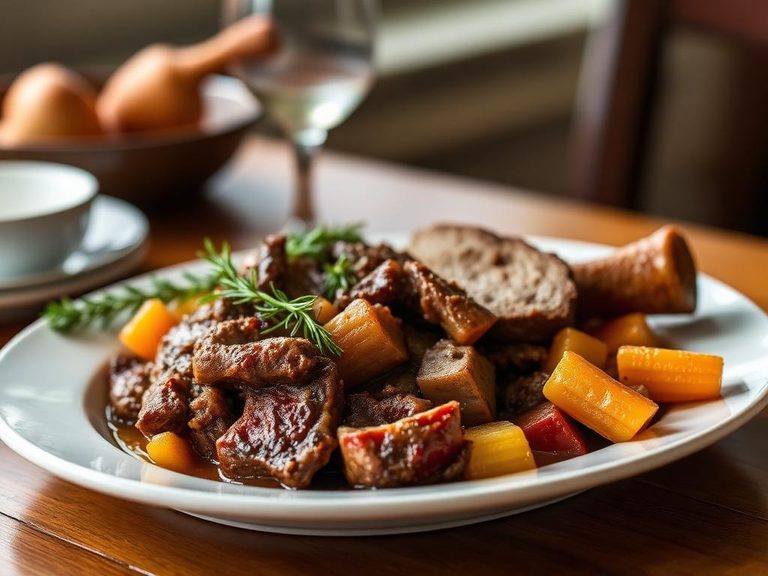
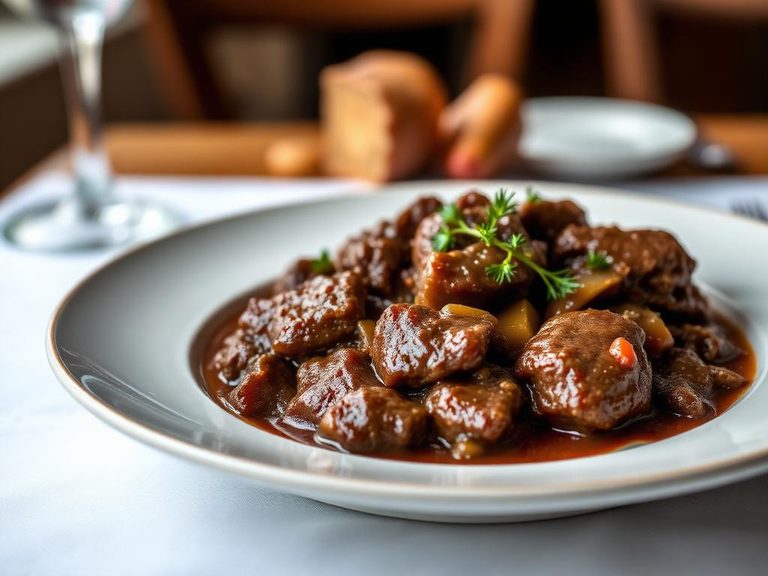
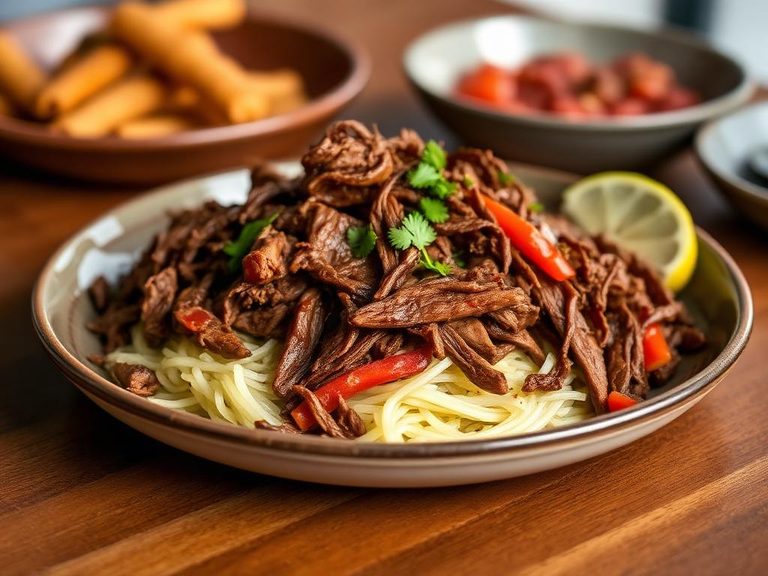
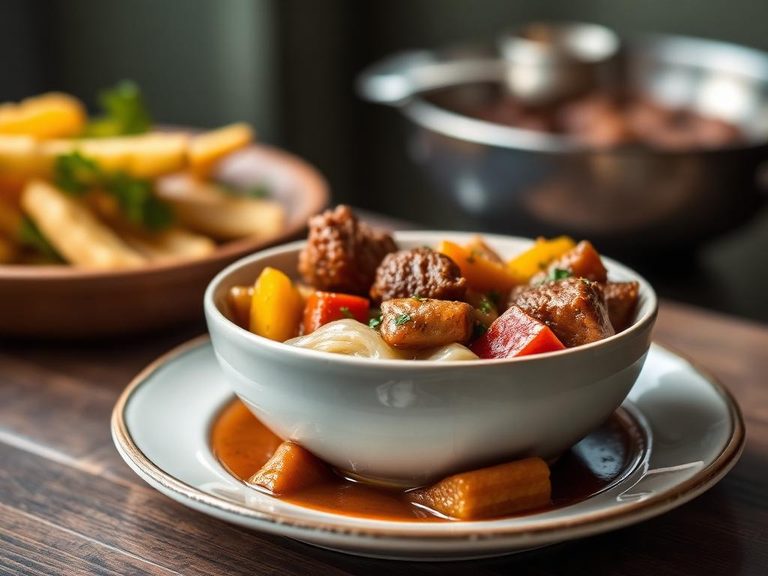
🍽️ Popular dishes
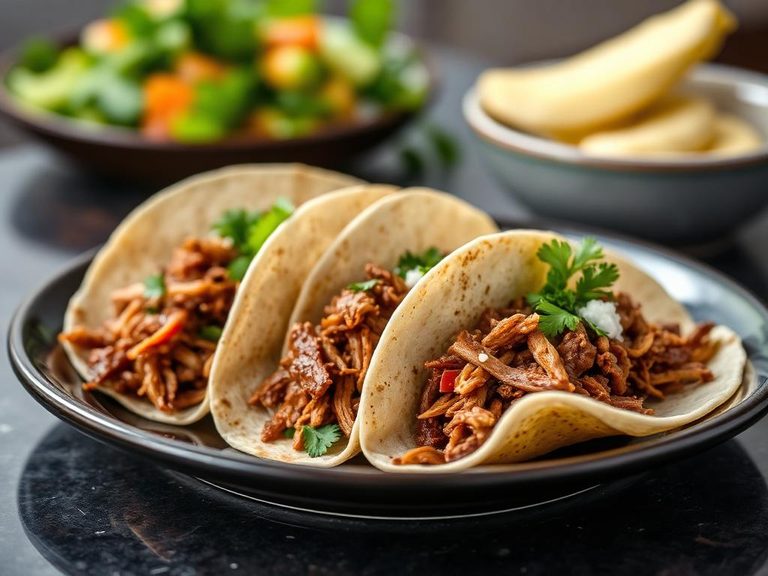
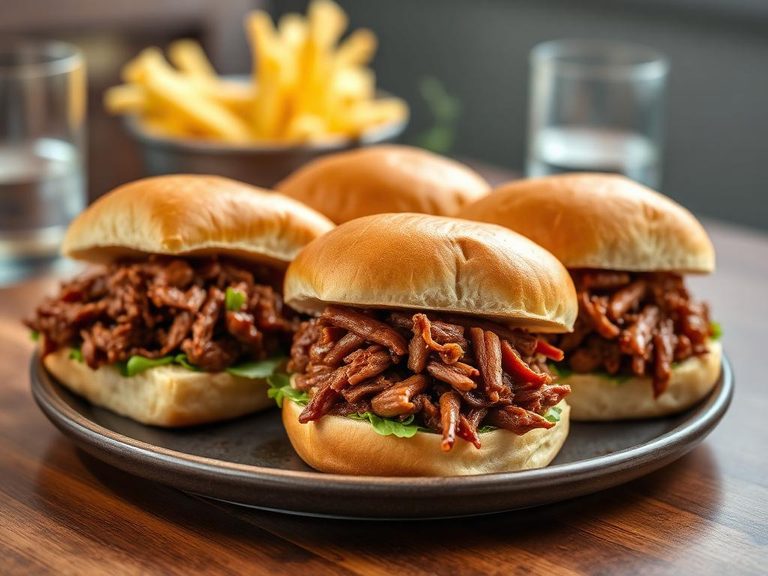
🌍 Where it's eaten
💡 Did you know?
The 'chuck' comes from the shoulder of the cow, which is one of the most exercised parts of the animal, meaning it is packed with flavor but requires slow, moist heat to break down the tough collagen into gelatin.
Full nutrition (USDA data · scales with serving)
| Water | 61.2 g |
| Energy | 195 kcal |
| Energy | 815 kj |
| Protein | 33.4 g |
| Total lipid (fat) | 5.8 g |
| Ash | 1.0 g |
| Carbohydrate, by difference | 0.00 g |
| Fiber, total dietary | 0.00 g |
| Total Sugars | 0.00 g |
| Calcium, Ca | 17.0 mg |
| Iron, Fe | 2.8 mg |
| Magnesium, Mg | 22.0 mg |
| Phosphorus, P | 207 mg |
| Potassium, K | 270 mg |
| Sodium, Na | 55.0 mg |
| Zinc, Zn | 8.1 mg |
| Copper, Cu | 0.11 mg |
| Manganese, Mn | 0.01 mg |
| Selenium, Se | 37.9 ug |
| Vitamin C, total ascorbic acid | 0.00 mg |
| Thiamin | 0.07 mg |
| Riboflavin | 0.20 mg |
| Niacin | 4.8 mg |
| Pantothenic acid | 0.66 mg |
| Vitamin B-6 | 0.31 mg |
| Folate, total | 11.0 ug |
| Folic acid | 0.00 ug |
| Folate, food | 11.0 ug |
| Folate, DFE | 11.0 ug |
| Choline, total | 127 mg |
| Betaine | 16.7 mg |
| Vitamin B-12 | 2.3 ug |
| Vitamin B-12, added | 0.00 ug |
| Vitamin A, RAE | 0.00 ug |
| Retinol | 0.00 ug |
| Carotene, beta | 0.00 ug |
| Carotene, alpha | 0.00 ug |
| Cryptoxanthin, beta | 0.00 ug |
| Vitamin A, IU | 0.00 iu |
| Lycopene | 0.00 ug |
| Lutein + zeaxanthin | 0.00 ug |
| Vitamin E (alpha-tocopherol) | 0.40 mg |
| Vitamin E, added | 0.00 mg |
| Tocopherol, beta | 0.00 mg |
| Tocopherol, gamma | 0.00 mg |
| Tocopherol, delta | 0.00 mg |
| Vitamin K (phylloquinone) | 1.4 ug |
| Alcohol, ethyl | 0.00 g |
| Caffeine | 0.00 mg |
| Theobromine | 0.00 mg |
Fat & fatty acid profile (per 100g)
| Fatty acids, total saturated | 2.2 g |
| SFA 4:0 | 0.00 g |
| SFA 6:0 | 0.00 g |
| SFA 8:0 | 0.00 g |
| SFA 10:0 | 0.00 g |
| SFA 12:0 | 0.01 g |
| SFA 14:0 | 0.16 g |
| SFA 16:0 | 1.3 g |
| SFA 18:0 | 0.73 g |
| Fatty acids, total monounsaturated | 2.5 g |
| MUFA 16:1 | 0.20 g |
| MUFA 18:1 | 2.3 g |
| MUFA 20:1 | 0.00 g |
| MUFA 22:1 | 0.00 g |
| Fatty acids, total polyunsaturated | 0.20 g |
| PUFA 18:2 | 0.17 g |
| PUFA 18:3 | 0.01 g |
| PUFA 18:4 | 0.00 g |
| PUFA 20:4 | 0.02 g |
| PUFA 20:5 n-3 (EPA) | 0.00 g |
| PUFA 22:5 n-3 (DPA) | 0.00 g |
| PUFA 22:6 n-3 (DHA) | 0.00 g |
| Cholesterol | 98.0 mg |
Amino acid profile (per 100g)
| Tryptophan | 0.22 g |
| Threonine | 1.3 g |
| Isoleucine | 1.5 g |
| Leucine | 2.7 g |
| Lysine | 2.8 g |
| Methionine | 0.87 g |
| Cystine | 0.43 g |
| Phenylalanine | 1.3 g |
| Tyrosine | 1.1 g |
| Valine | 1.7 g |
| Arginine | 2.2 g |
| Histidine | 1.1 g |
| Alanine | 2.0 g |
| Aspartic acid | 3.0 g |
| Glutamic acid | 5.0 g |
| Glycine | 2.0 g |
| Proline | 1.6 g |
| Serine | 1.3 g |
| Hydroxyproline | 0.35 g |
FAQ
How long should I braise chuck arm pot roast?
For the best results, braise it at a low temperature (around 325°F or 160°C) for 3 to 4 hours, or until it is fork-tender and easily pulls apart.
Is this cut of beef healthy?
Yes, it is a very lean and protein-dense option, providing over 33g of protein per 100g with only 5.8g of fat, making it an excellent choice for muscle maintenance and weight management.
What is the difference between chuck arm and chuck roast?
The arm pot roast is a specific part of the shoulder that is leaner and more uniform than a standard chuck roast, which may have more fat and connective tissue.
Nutrient density (calculated · NRF9.3)
Nutrient Rich Foods index: beneficial nutrients (protein, fiber, vitamins, minerals) minus saturated fat, added sugar & sodium, per 100 kcal.
NRF9.3 index — Fulgoni, Keast & Drewnowski, 2009. Computed from USDA nutrients.
Weight-loss friendliness (composite index)
Energy density 1.95 kcal/g · 68% calories from protein · 0.0 g fiber · 0.0 g sugar per 100 g.
Composite of energy density (Rolls et al., 1999), protein & fiber satiety, minus sugar. A calculated heuristic — ranks satiety-per-calorie, not a clinical measure.
Dietary load (calculated from USDA values)
Potential renal acid load. Positive = acid-forming, negative = alkaline-forming.
Sodium-to-potassium ratio: 0.20 (lower is better — aim for ≤ 1)
Sodium:potassium per WHO potassium guidance. Computed from USDA nutrients.