

Beans, snap, yellow, canned, regular pack, drained solids
Whole food · Vegetables and Vegetable Products

Photo: Wikipedia
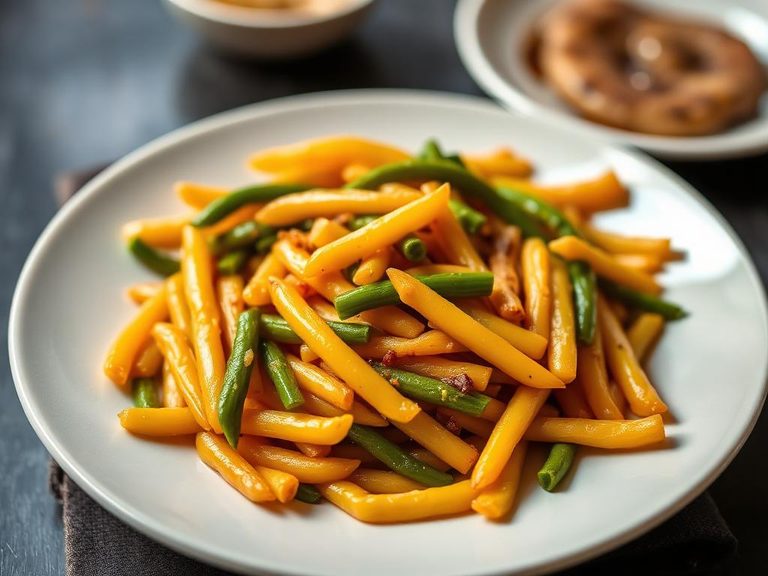
These are tender, golden-yellow snap beans, harvested at a young stage for a crisp bite and mild, slightly sweet flavor. Canned and drained, they offer a convenient, ready-to-use texture that's softer than fresh but still holds its shape in salads and casseroles. With only 20 calories per 100g, they are a light, fiber-rich addition to any meal.
Calorie split: 20% protein · 77% carbs · 4% fat
↓ Full nutrition💚 Why it's loved
People love their mild, sweet flavor and satisfying crunch, which pairs effortlessly with a wide range of seasonings and dishes. They are a nostalgic, versatile staple in everything from simple buttered sides to hearty casseroles.
⚠️ Watch-outs & how to enjoy it better
Canned varieties can be high in sodium, which may be a concern for those monitoring blood pressure. To counteract this, rinse the beans thoroughly under cold water to remove excess salt. The fiber content, while beneficial, can cause digestive discomfort for some if introduced too quickly; start with smaller portions.
Key benefits
- Low in calories and virtually fat-free
- Good source of dietary fiber for digestive health
- Provides plant-based protein
- Contains no added sugars
- Convenient and shelf-stable for quick meal prep
🍽️ Popular dishes
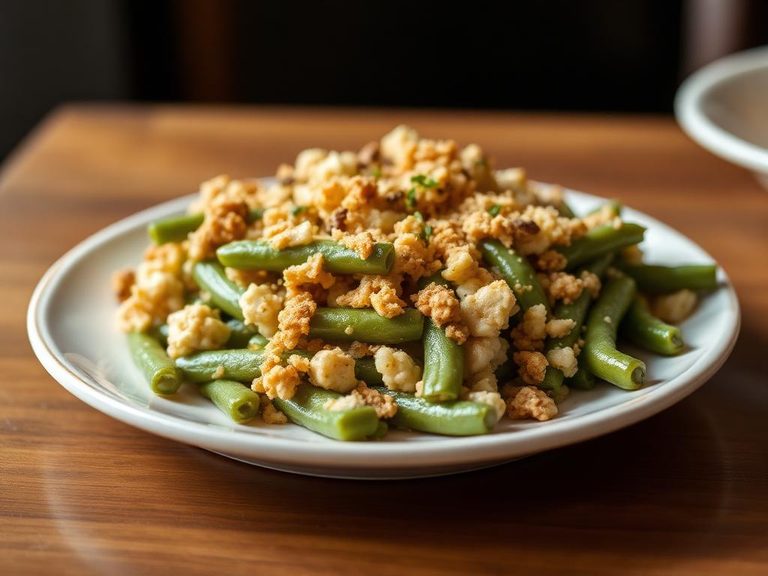
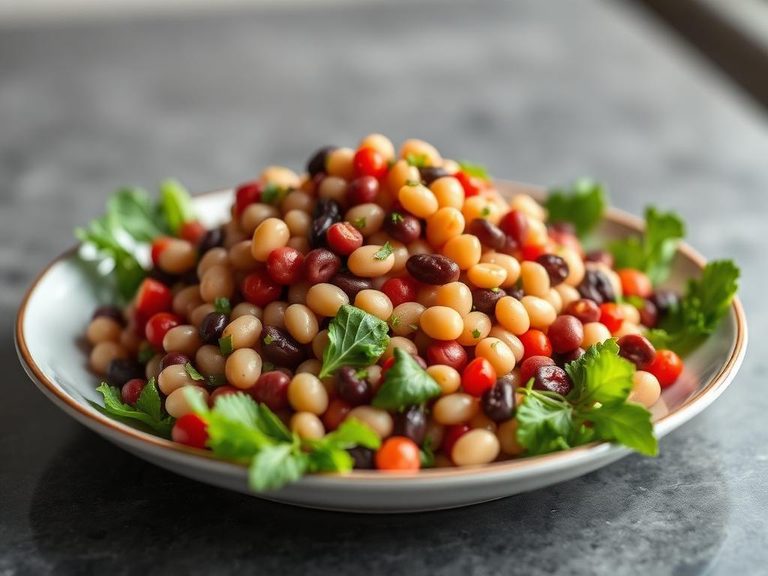
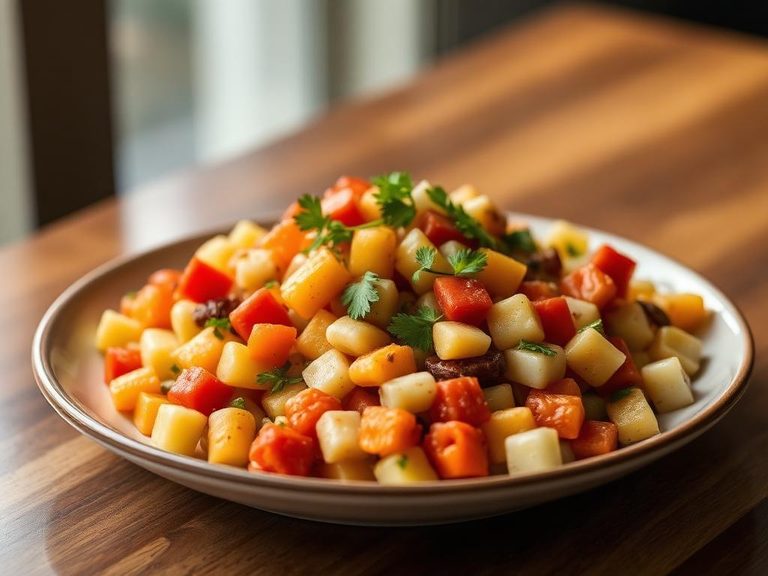
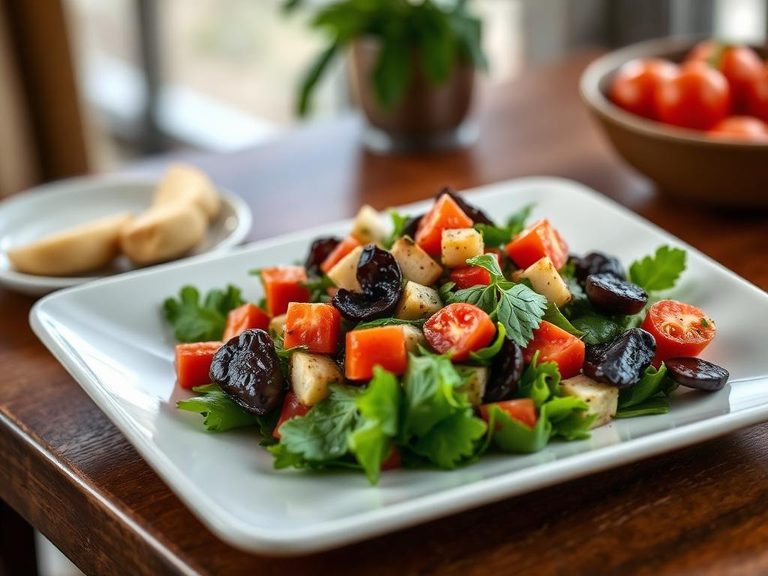
🌍 Where it's eaten
💡 Did you know?
Yellow snap beans are simply green beans that were allowed to mature slightly longer on the vine, allowing the chlorophyll to break down and reveal their natural golden-yellow pigment.
Full nutrition (USDA data · scales with serving)
| Water | 93.3 g |
| Energy | 20.0 kcal |
| Energy | 84.0 kj |
| Protein | 1.1 g |
| Total lipid (fat) | 0.10 g |
| Ash | 0.95 g |
| Carbohydrate, by difference | 4.5 g |
| Fiber, total dietary | 1.3 g |
| Total Sugars | 0.78 g |
| Calcium, Ca | 26.0 mg |
| Iron, Fe | 0.90 mg |
| Magnesium, Mg | 13.0 mg |
| Phosphorus, P | 19.0 mg |
| Potassium, K | 109 mg |
| Sodium, Na | 251 mg |
| Zinc, Zn | 0.29 mg |
| Copper, Cu | 0.04 mg |
| Manganese, Mn | 0.20 mg |
| Selenium, Se | 0.40 ug |
| Vitamin C, total ascorbic acid | 4.8 mg |
| Thiamin | 0.01 mg |
| Riboflavin | 0.06 mg |
| Niacin | 0.20 mg |
| Pantothenic acid | 0.13 mg |
| Vitamin B-6 | 0.04 mg |
| Folate, total | 32.0 ug |
| Folic acid | 0.00 ug |
| Folate, food | 32.0 ug |
| Folate, DFE | 32.0 ug |
| Choline, total | 10.5 mg |
| Betaine | 0.10 mg |
| Vitamin B-12 | 0.00 ug |
| Vitamin B-12, added | 0.00 ug |
| Vitamin A, RAE | 5.0 ug |
| Retinol | 0.00 ug |
| Carotene, beta | 63.0 ug |
| Carotene, alpha | 0.00 ug |
| Cryptoxanthin, beta | 0.00 ug |
| Vitamin A, IU | 105 iu |
| Lycopene | 0.00 ug |
| Lutein + zeaxanthin | 458 ug |
| Vitamin E (alpha-tocopherol) | 0.29 mg |
| Vitamin E, added | 0.00 mg |
| Vitamin D (D2 + D3), International Units | 0.00 iu |
| Vitamin D (D2 + D3) | 0.00 ug |
| Vitamin K (phylloquinone) | 39.3 ug |
| Alcohol, ethyl | 0.00 g |
| Caffeine | 0.00 mg |
| Theobromine | 0.00 mg |
Fat & fatty acid profile (per 100g)
| Fatty acids, total saturated | 0.02 g |
| SFA 4:0 | 0.00 g |
| SFA 6:0 | 0.00 g |
| SFA 8:0 | 0.00 g |
| SFA 10:0 | 0.00 g |
| SFA 12:0 | 0.00 g |
| SFA 14:0 | 0.00 g |
| SFA 16:0 | 0.02 g |
| SFA 18:0 | 0.00 g |
| Fatty acids, total monounsaturated | 0.00 g |
| MUFA 16:1 | 0.00 g |
| MUFA 18:1 | 0.00 g |
| MUFA 20:1 | 0.00 g |
| MUFA 22:1 | 0.00 g |
| Fatty acids, total polyunsaturated | 0.05 g |
| PUFA 18:2 | 0.02 g |
| PUFA 18:3 | 0.03 g |
| PUFA 18:4 | 0.00 g |
| PUFA 20:4 | 0.00 g |
| PUFA 20:5 n-3 (EPA) | 0.00 g |
| PUFA 22:5 n-3 (DPA) | 0.00 g |
| PUFA 22:6 n-3 (DHA) | 0.00 g |
| Fatty acids, total trans | 0.00 g |
| Cholesterol | 0.00 mg |
Amino acid profile (per 100g)
| Tryptophan | 0.01 g |
| Threonine | 0.05 g |
| Isoleucine | 0.04 g |
| Leucine | 0.07 g |
| Lysine | 0.06 g |
| Methionine | 0.01 g |
| Cystine | 0.01 g |
| Phenylalanine | 0.04 g |
| Tyrosine | 0.03 g |
| Valine | 0.06 g |
| Arginine | 0.05 g |
| Histidine | 0.02 g |
| Alanine | 0.05 g |
| Aspartic acid | 0.16 g |
| Glutamic acid | 0.12 g |
| Glycine | 0.04 g |
| Proline | 0.04 g |
| Serine | 0.06 g |
FAQ
What is the difference between yellow and green snap beans?
They are the same species. Yellow beans (wax beans) are a variety that lacks chlorophyll, giving them a golden color and a slightly milder, sweeter flavor than their green counterparts.
Should I rinse canned beans before using?
Yes, it's highly recommended. Rinsing under cold water for about 30 seconds can remove up to 40% of the added sodium and any metallic can taste.
Can I use these in place of fresh green beans?
Yes, in most cooked dishes like casseroles, stews, or stir-fries. Be aware they are already tender, so add them later in the cooking process to prevent them from becoming mushy.
Nutrient density (calculated · NRF9.3)
Nutrient Rich Foods index: beneficial nutrients (protein, fiber, vitamins, minerals) minus saturated fat, added sugar & sodium, per 100 kcal.
NRF9.3 index — Fulgoni, Keast & Drewnowski, 2009. Computed from USDA nutrients.
Weight-loss friendliness (composite index)
Energy density 0.20 kcal/g · 23% calories from protein · 1.3 g fiber · 0.8 g sugar per 100 g.
Composite of energy density (Rolls et al., 1999), protein & fiber satiety, minus sugar. A calculated heuristic — ranks satiety-per-calorie, not a clinical measure.
Dietary load (calculated from USDA values)
Potential renal acid load. Positive = acid-forming, negative = alkaline-forming.
Sodium-to-potassium ratio: 2.30 (lower is better — aim for ≤ 1)
Sodium:potassium per WHO potassium guidance. Computed from USDA nutrients.