

Alcoholic beverage, beer, light, low carb
Whole food · Beverages
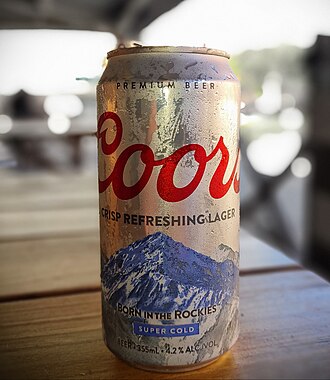
Photo: Wikipedia
A light beer brewed for a crisp, clean finish with minimal calories and carbohydrates, often featuring a pale golden color and a subtle, refreshing bitterness. It's designed for easy drinking, with a light body and a smooth, non-filling texture. Nutritionally, it stands out for its very low calorie and carb content, making it a popular choice for those monitoring intake.
Calorie split: 19% protein · 81% carbs · 0% fat
↓ Full nutrition💚 Why it's loved
People love it for its crisp, refreshing taste that pairs well with casual meals and social gatherings, offering the ritual of beer with less dietary impact. Its light flavor profile makes it a versatile and approachable choice for a wide range of palates.
⚠️ Watch-outs & how to enjoy it better
While low in carbs, it still contains alcohol, which can affect judgment and metabolism, and may not be suitable for those avoiding alcohol entirely. Some light beers can have a higher sodium content, so checking labels is advised for those on sodium-restricted diets. Tip: Pair with a protein-rich snack like nuts or cheese to promote satiety and mitigate any blood sugar response.
Key benefits
- Very low in calories (27 kcal/100g)
- Minimal carbohydrate content (0.73g/100g)
- Contains no fat or sugar
- Can be a lower-alcohol beverage choice
- Often gluten-reduced or gluten-free options available
🍽️ Popular dishes
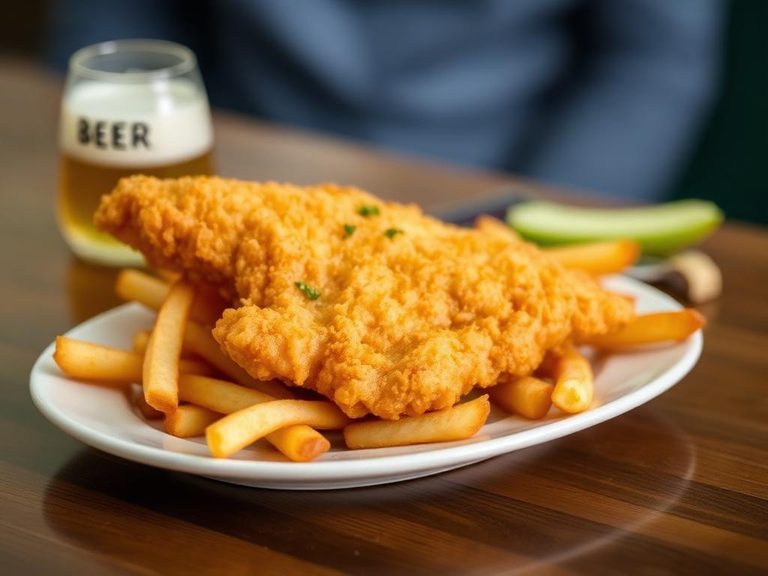
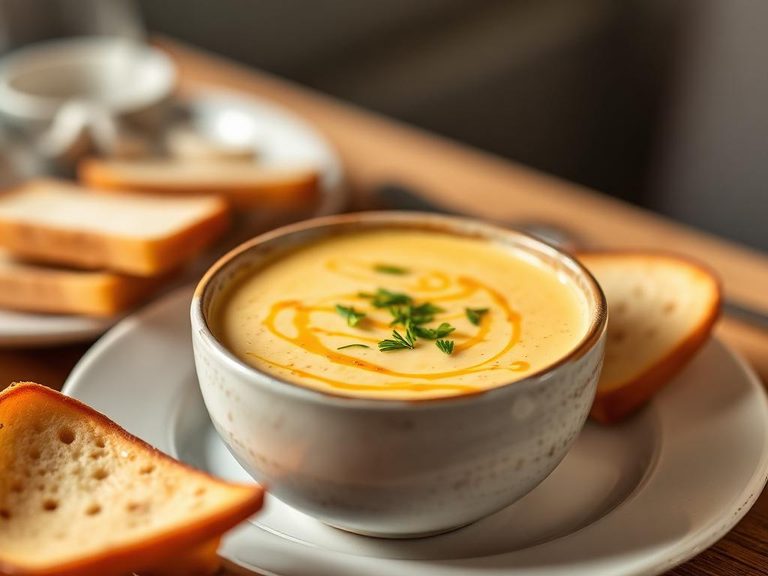
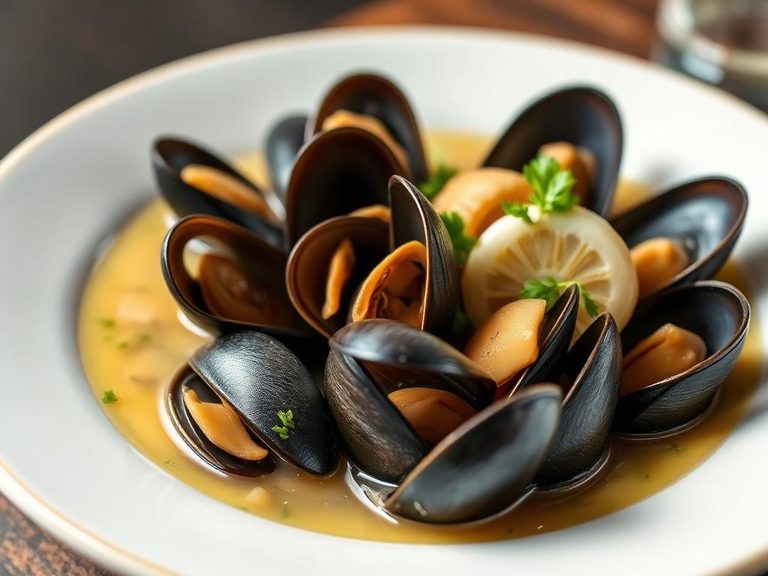
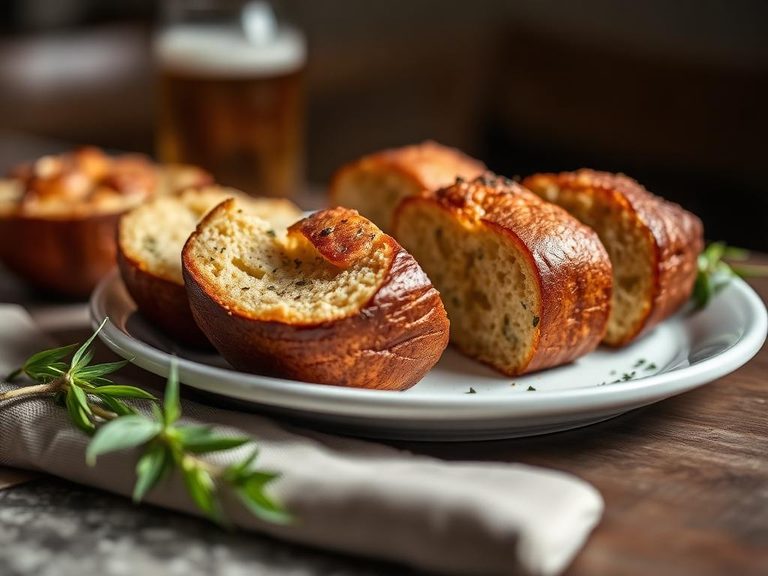

🌍 Where it's eaten
💡 Did you know?
The 'light' in light beer originally referred to the color, not the calorie count, a marketing shift that began in the 1940s.
Full nutrition (USDA data · scales with serving)
| Water | 95.4 g |
| Energy | 27.0 kcal |
| Energy | 112 kj |
| Protein | 0.17 g |
| Total lipid (fat) | 0.00 g |
| Ash | 0.06 g |
| Carbohydrate, by difference | 0.73 g |
| Fiber, total dietary | 0.00 g |
| Total Sugars | 0.00 g |
| Glucose | 0.00 g |
| Fructose | 0.00 g |
| Maltose | 0.00 g |
| Starch | 0.00 g |
| Calcium, Ca | 4.0 mg |
| Iron, Fe | 0.00 mg |
| Magnesium, Mg | 4.0 mg |
| Phosphorus, P | 8.0 mg |
| Potassium, K | 17.0 mg |
| Sodium, Na | 3.0 mg |
| Zinc, Zn | 0.01 mg |
| Copper, Cu | 0.00 mg |
| Manganese, Mn | 0.01 mg |
| Selenium, Se | 0.00 ug |
| Vitamin C, total ascorbic acid | 0.00 mg |
| Thiamin | 0.00 mg |
| Riboflavin | 0.00 mg |
| Niacin | 0.00 mg |
| Vitamin B-6 | 0.00 mg |
| Folate, total | 0.00 ug |
| Folic acid | 0.00 ug |
| Folate, food | 0.00 ug |
| Folate, DFE | 0.00 ug |
| Choline, total | 0.00 mg |
| Vitamin B-12 | 0.00 ug |
| Vitamin B-12, added | 0.00 ug |
| Vitamin A, RAE | 0.00 ug |
| Retinol | 0.00 ug |
| Carotene, beta | 0.00 ug |
| Carotene, alpha | 0.00 ug |
| Cryptoxanthin, beta | 0.00 ug |
| Vitamin A, IU | 0.00 iu |
| Lycopene | 0.00 ug |
| Lutein + zeaxanthin | 0.00 ug |
| Vitamin E (alpha-tocopherol) | 0.00 mg |
| Vitamin E, added | 0.00 mg |
| Vitamin D (D2 + D3), International Units | 0.00 iu |
| Vitamin D (D2 + D3) | 0.00 ug |
| Vitamin K (phylloquinone) | 0.00 ug |
| Alcohol, ethyl | 3.3 g |
| Caffeine | 0.00 mg |
| Theobromine | 0.00 mg |
Fat & fatty acid profile (per 100g)
| Fatty acids, total saturated | 0.00 g |
| SFA 4:0 | 0.00 g |
| SFA 6:0 | 0.00 g |
| SFA 8:0 | 0.00 g |
| SFA 10:0 | 0.00 g |
| SFA 12:0 | 0.00 g |
| SFA 14:0 | 0.00 g |
| SFA 16:0 | 0.00 g |
| SFA 18:0 | 0.00 g |
| Fatty acids, total monounsaturated | 0.00 g |
| MUFA 16:1 | 0.00 g |
| MUFA 18:1 | 0.00 g |
| MUFA 20:1 | 0.00 g |
| MUFA 22:1 | 0.00 g |
| Fatty acids, total polyunsaturated | 0.00 g |
| PUFA 18:2 | 0.00 g |
| PUFA 18:3 | 0.00 g |
| PUFA 18:4 | 0.00 g |
| PUFA 20:4 | 0.00 g |
| PUFA 20:5 n-3 (EPA) | 0.00 g |
| PUFA 22:5 n-3 (DPA) | 0.00 g |
| PUFA 22:6 n-3 (DHA) | 0.00 g |
| Fatty acids, total trans | 0.00 g |
| Cholesterol | 0.00 mg |
Amino acid profile (per 100g)
Estimated from Alcoholic beverage, distilled, vodka, 80 proof — USDA does not publish this profile for Alcoholic beverage.
| Tryptophan | 0.00 g |
| Threonine | 0.00 g |
| Isoleucine | 0.00 g |
| Leucine | 0.00 g |
| Lysine | 0.00 g |
| Methionine | 0.00 g |
| Cystine | 0.00 g |
| Phenylalanine | 0.00 g |
| Tyrosine | 0.00 g |
| Valine | 0.00 g |
| Arginine | 0.00 g |
| Histidine | 0.00 g |
| Alanine | 0.00 g |
| Aspartic acid | 0.00 g |
| Glutamic acid | 0.00 g |
| Glycine | 0.00 g |
| Proline | 0.00 g |
| Serine | 0.00 g |
FAQ
How does light beer differ from regular beer?
Light beer is typically brewed to have fewer calories and carbohydrates, often through reduced malt or the use of enzymes that break down more starches into fermentable sugars, resulting in a thinner body and lighter flavor.
Is light beer gluten-free?
Not necessarily. Most light beers are made from barley and contain gluten. However, some brands produce dedicated gluten-free light beers using sorghum, rice, or other grains. Always check the label for a certified gluten-free claim.
Does light beer have less alcohol?
Often, yes. Many light beers have a lower alcohol by volume (ABV) than standard beers, typically around 3.5% to 4.2% ABV, contributing to their lower calorie count.
Nutrient density (calculated · NRF9.3)
Nutrient Rich Foods index: beneficial nutrients (protein, fiber, vitamins, minerals) minus saturated fat, added sugar & sodium, per 100 kcal.
NRF9.3 index — Fulgoni, Keast & Drewnowski, 2009. Computed from USDA nutrients.
Weight-loss friendliness (composite index)
Energy density 0.27 kcal/g · 3% calories from protein · 0.0 g fiber · 0.0 g sugar per 100 g.
Composite of energy density (Rolls et al., 1999), protein & fiber satiety, minus sugar. A calculated heuristic — ranks satiety-per-calorie, not a clinical measure.
Dietary load (calculated from USDA values)
Potential renal acid load. Positive = acid-forming, negative = alkaline-forming.
Sodium-to-potassium ratio: 0.18 (lower is better — aim for ≤ 1)
Sodium:potassium per WHO potassium guidance. Computed from USDA nutrients.