

Cheese, mexican, queso anejo
Whole food · Dairy and Egg Products
Queso Añejo is a crumbly, aged Mexican cheese with a sharp, salty, and slightly tangy flavor, similar to a dry cotija but often more granular. Its hard texture makes it perfect for grating or crumbling over dishes, adding a concentrated burst of umami. Nutritionally, it's a powerhouse of protein and fat, providing substantial satiety with minimal carbohydrates.
Calorie split: 23% protein · 5% carbs · 72% fat
↓ Full nutrition💚 Why it's loved
People love Queso Añejo for its bold, savory punch that elevates tacos, beans, and salads without melting into a gooey mess. It's a staple in Mexican cuisine, cherished for its ability to add a salty, crumbly texture that contrasts beautifully with fresh ingredients.
⚠️ Watch-outs & how to enjoy it better
Due to its high sodium and saturated fat content, those with hypertension or heart concerns should use it sparingly. To counteract, pair it with potassium-rich foods like avocado or beans, and practice strict portion control by using it as a garnish rather than a main ingredient.
Key benefits
- Excellent source of complete protein (21.44g per 100g)
- High in calcium for bone health
- Very low in carbohydrates and sugar
- Provides fat-soluble vitamins like A and K2
- Enhances flavor in dishes, reducing need for added salt or sugar
🍽️ Popular dishes
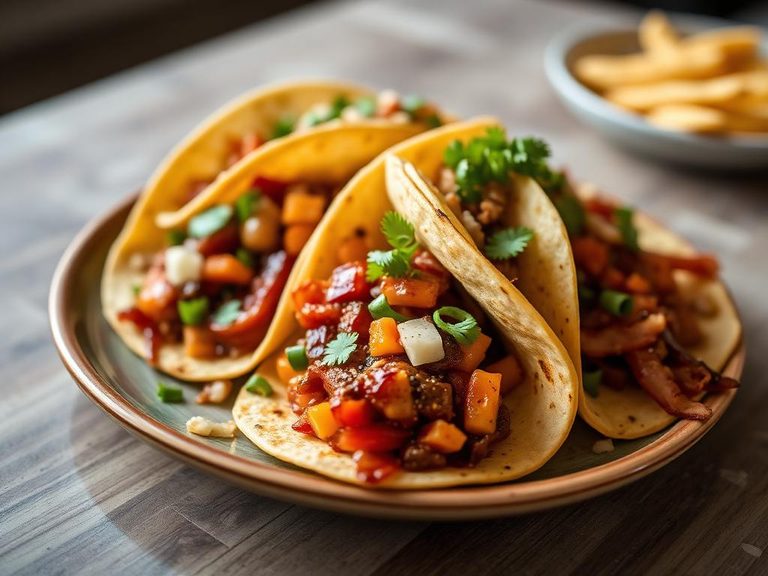
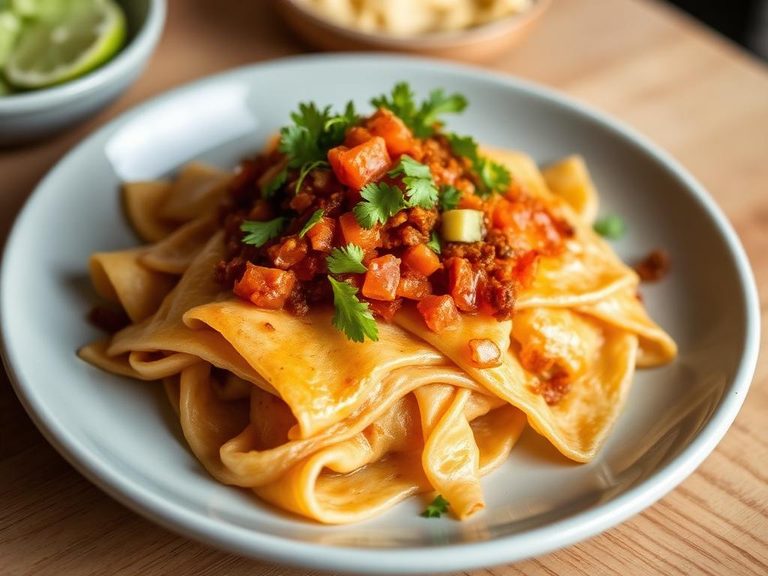
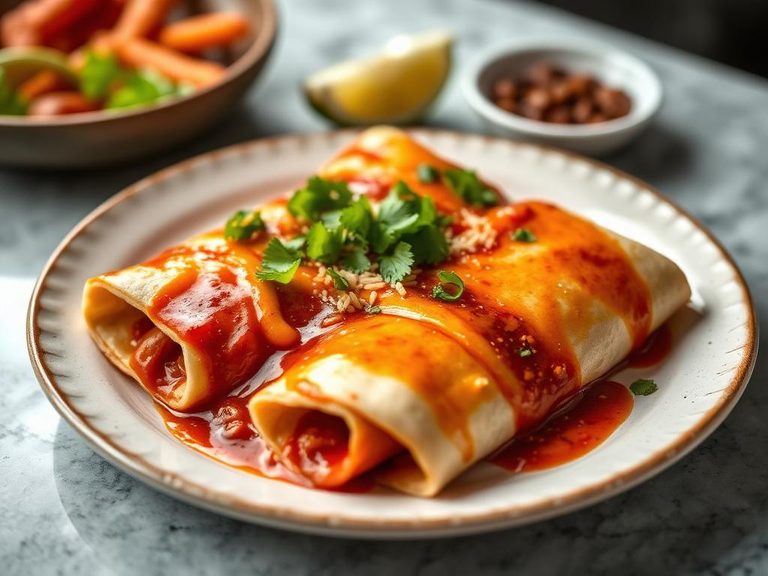
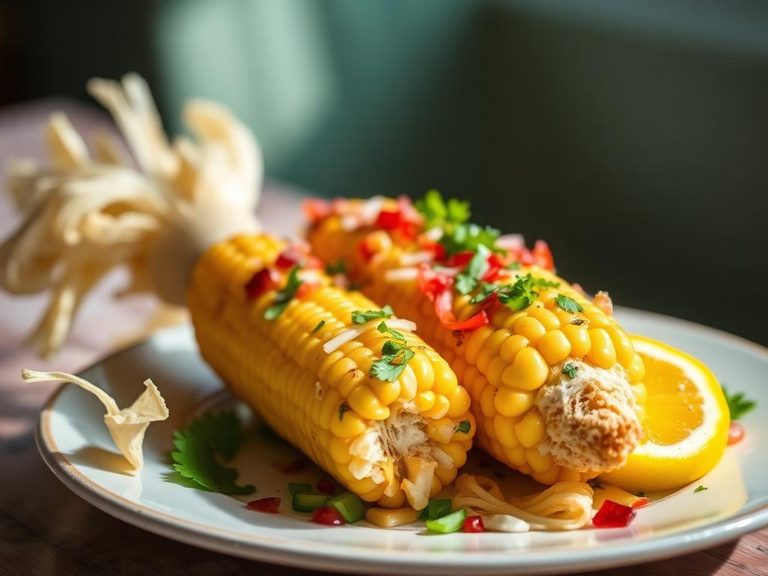
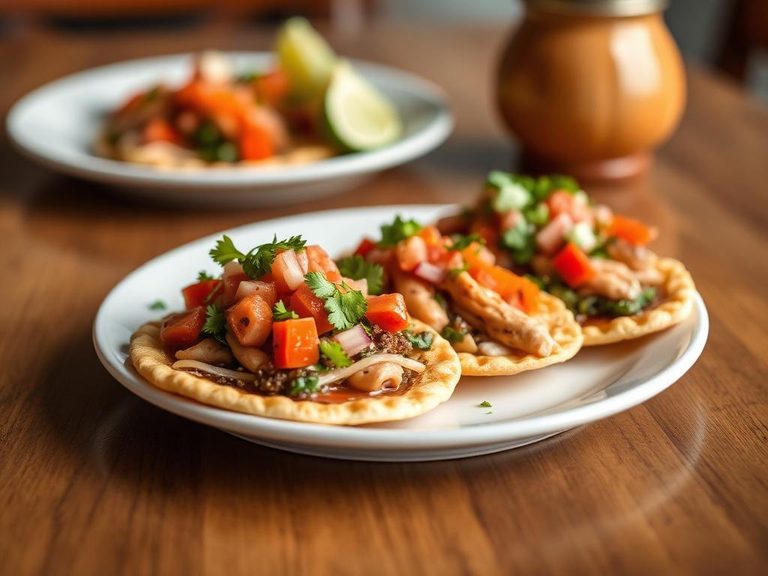

🌍 Where it's eaten
💡 Did you know?
Queso Añejo is often aged for months, which concentrates its flavors and gives it a unique, almost nutty depth that sets it apart from fresher Mexican cheeses.
Full nutrition (USDA data · scales with serving)
| Water | 38.1 g |
| Energy | 373 kcal |
| Energy | 1561 kj |
| Protein | 21.4 g |
| Total lipid (fat) | 30.0 g |
| Ash | 5.9 g |
| Carbohydrate, by difference | 4.6 g |
| Fiber, total dietary | 0.00 g |
| Total Sugars | 4.6 g |
| Calcium, Ca | 680 mg |
| Iron, Fe | 0.47 mg |
| Magnesium, Mg | 28.0 mg |
| Phosphorus, P | 444 mg |
| Potassium, K | 87.0 mg |
| Sodium, Na | 1131 mg |
| Zinc, Zn | 2.9 mg |
| Copper, Cu | 0.01 mg |
| Manganese, Mn | 0.04 mg |
| Selenium, Se | 14.5 ug |
| Vitamin C, total ascorbic acid | 0.00 mg |
| Thiamin | 0.02 mg |
| Riboflavin | 0.21 mg |
| Niacin | 0.03 mg |
| Pantothenic acid | 0.25 mg |
| Vitamin B-6 | 0.05 mg |
| Folate, total | 1.0 ug |
| Folic acid | 0.00 ug |
| Folate, food | 1.0 ug |
| Folate, DFE | 1.0 ug |
| Choline, total | 15.4 mg |
| Vitamin B-12 | 1.4 ug |
| Vitamin B-12, added | 0.00 ug |
| Vitamin A, RAE | 64.0 ug |
| Retinol | 64.0 ug |
| Carotene, beta | 4.0 ug |
| Carotene, alpha | 0.00 ug |
| Cryptoxanthin, beta | 0.00 ug |
| Vitamin A, IU | 220 iu |
| Lycopene | 0.00 ug |
| Lutein + zeaxanthin | 0.00 ug |
| Vitamin E (alpha-tocopherol) | 0.26 mg |
| Vitamin E, added | 0.00 mg |
| Vitamin D (D2 + D3), International Units | 22.0 iu |
| Vitamin D (D2 + D3) | 0.50 ug |
| Vitamin D3 (cholecalciferol) | 0.50 ug |
| Vitamin K (phylloquinone) | 2.5 ug |
| Alcohol, ethyl | 0.00 g |
| Caffeine | 0.00 mg |
| Theobromine | 0.00 mg |
Fat & fatty acid profile (per 100g)
| Fatty acids, total saturated | 19.0 g |
| SFA 4:0 | 0.91 g |
| SFA 6:0 | 0.47 g |
| SFA 8:0 | 0.26 g |
| SFA 10:0 | 0.56 g |
| SFA 12:0 | 0.51 g |
| SFA 14:0 | 3.2 g |
| SFA 16:0 | 9.3 g |
| SFA 18:0 | 3.8 g |
| Fatty acids, total monounsaturated | 8.5 g |
| MUFA 16:1 | 0.96 g |
| MUFA 18:1 | 7.6 g |
| MUFA 20:1 | 0.00 g |
| MUFA 22:1 | 0.00 g |
| Fatty acids, total polyunsaturated | 0.90 g |
| PUFA 18:2 | 0.55 g |
| PUFA 18:3 | 0.35 g |
| PUFA 18:4 | 0.00 g |
| PUFA 20:4 | 0.00 g |
| PUFA 20:5 n-3 (EPA) | 0.00 g |
| PUFA 22:5 n-3 (DPA) | 0.00 g |
| PUFA 22:6 n-3 (DHA) | 0.00 g |
| Cholesterol | 105 mg |
Amino acid profile (per 100g)
| Tryptophan | 0.21 g |
| Threonine | 0.73 g |
| Isoleucine | 1.1 g |
| Leucine | 2.0 g |
| Lysine | 1.5 g |
| Methionine | 0.54 g |
| Cystine | 0.08 g |
| Phenylalanine | 1.1 g |
| Tyrosine | 1.2 g |
| Valine | 1.3 g |
| Arginine | 0.70 g |
| Histidine | 0.68 g |
| Alanine | 0.62 g |
| Aspartic acid | 1.3 g |
| Glutamic acid | 4.8 g |
| Glycine | 0.30 g |
| Proline | 2.2 g |
| Serine | 1.2 g |
FAQ
What is the difference between Queso Añejo and Cotija?
Queso Añejo is typically aged longer, making it harder and more crumbly with a sharper flavor, while Cotija is often younger and slightly softer, though both are used similarly as toppings.
Can Queso Añejo be melted?
No, it doesn't melt well due to its low moisture content; it's best used grated or crumbled as a finishing cheese.
Is Queso Añejo suitable for a low-carb diet?
Yes, with only 4.63g of carbs per 100g, it's an excellent choice for keto or low-carb diets.
Nutrient density (calculated · NRF9.3)
Nutrient Rich Foods index: beneficial nutrients (protein, fiber, vitamins, minerals) minus saturated fat, added sugar & sodium, per 100 kcal.
NRF9.3 index — Fulgoni, Keast & Drewnowski, 2009. Computed from USDA nutrients.
Weight-loss friendliness (composite index)
Energy density 3.73 kcal/g · 23% calories from protein · 0.0 g fiber · 4.6 g sugar per 100 g.
Composite of energy density (Rolls et al., 1999), protein & fiber satiety, minus sugar. A calculated heuristic — ranks satiety-per-calorie, not a clinical measure.
Dietary load (calculated from USDA values)
Potential renal acid load. Positive = acid-forming, negative = alkaline-forming.
Sodium-to-potassium ratio: 13.00 (lower is better — aim for ≤ 1)
Sodium:potassium per WHO potassium guidance. Computed from USDA nutrients.