

Peas and carrots, frozen, cooked, boiled, drained, without salt
Whole food · Vegetables and Vegetable Products
A vibrant, sweet-and-savory duo of tender peas and soft carrots, this frozen mix is a kitchen staple for its convenience and bright, comforting flavor. Nutritionally, it's a low-calorie powerhouse, offering a good source of fiber and plant-based protein with virtually no fat. The texture is pleasantly tender-crisp, with the peas popping and the carrots yielding a gentle bite.
Calorie split: 22% protein · 71% carbs · 7% fat
↓ Full nutrition💚 Why it's loved
People love it for its effortless convenience and nostalgic, comforting flavor that pairs with almost anything. It's a versatile, colorful side that adds sweetness and texture to meals, from simple weeknight dinners to holiday feasts.
⚠️ Watch-outs & how to enjoy it better
The natural sugars in carrots and peas can cause a modest blood-sugar rise for some individuals. To counteract this, pair the mix with a source of protein (like chicken or beans) or healthy fat (like olive oil) to slow digestion. Also, opt for no-salt-added versions and season with herbs or spices instead.
Key benefits
- Excellent source of dietary fiber for digestive health.
- Provides plant-based protein for muscle maintenance.
- Low in fat and calories, supporting weight management.
- Rich in vitamins A and C from the carrots and peas.
- Convenient frozen format preserves nutrients and reduces waste.
🍽️ Popular dishes
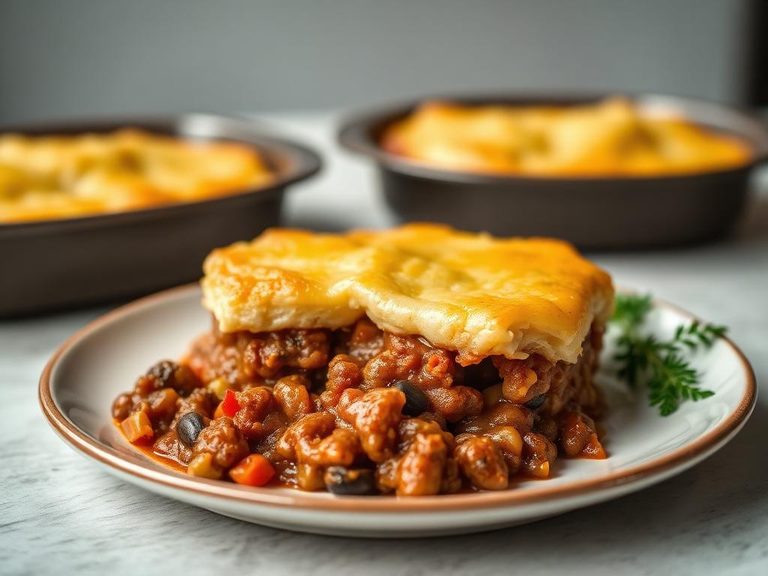

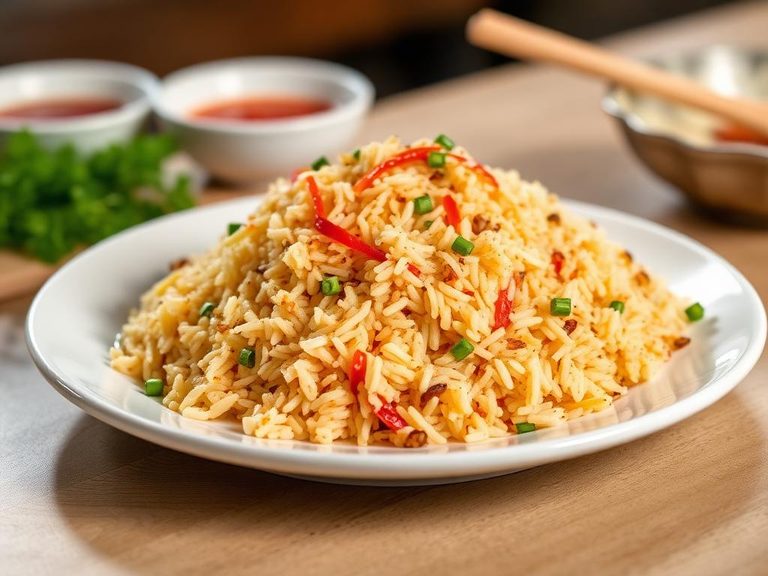

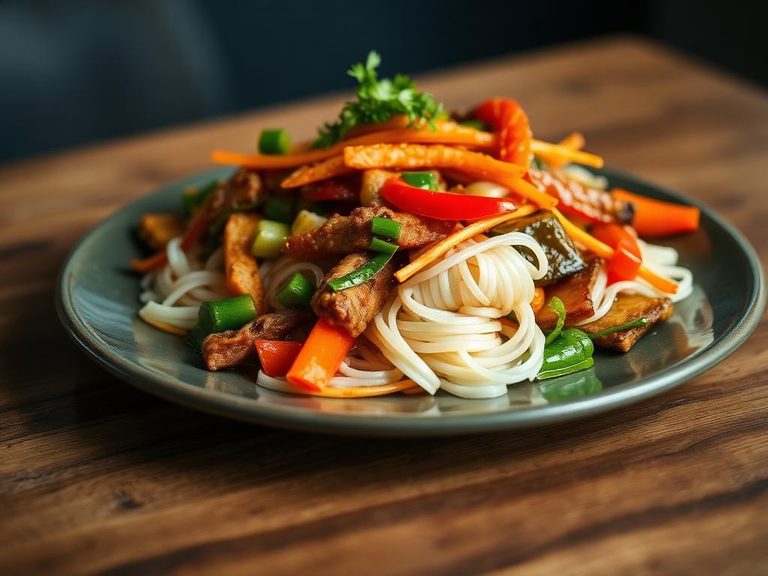
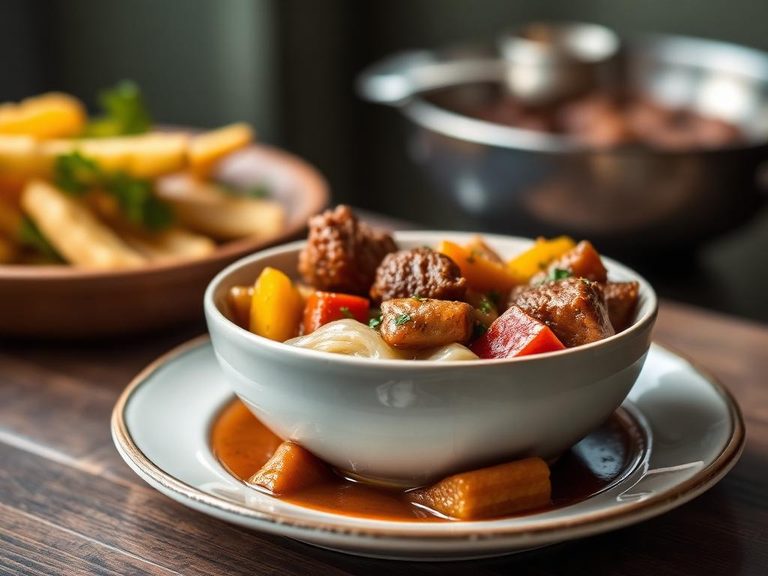
🌍 Where it's eaten
💡 Did you know?
The classic 'peas and carrots' pairing became a cultural shorthand for closeness and friendship, famously used in the movie Forrest Gump to describe the inseparable bond between Forrest and Jenny.
Full nutrition (USDA data · scales with serving)
| Water | 85.8 g |
| Energy | 48.0 kcal |
| Energy | 201 kj |
| Protein | 3.1 g |
| Total lipid (fat) | 0.42 g |
| Ash | 0.57 g |
| Carbohydrate, by difference | 10.1 g |
| Fiber, total dietary | 3.1 g |
| Total Sugars | 4.4 g |
| Calcium, Ca | 23.0 mg |
| Iron, Fe | 0.94 mg |
| Magnesium, Mg | 16.0 mg |
| Phosphorus, P | 49.0 mg |
| Potassium, K | 158 mg |
| Sodium, Na | 68.0 mg |
| Zinc, Zn | 0.45 mg |
| Copper, Cu | 0.08 mg |
| Manganese, Mn | 0.20 mg |
| Selenium, Se | 1.1 ug |
| Vitamin C, total ascorbic acid | 8.1 mg |
| Thiamin | 0.23 mg |
| Riboflavin | 0.06 mg |
| Niacin | 1.2 mg |
| Pantothenic acid | 0.16 mg |
| Vitamin B-6 | 0.09 mg |
| Folate, total | 26.0 ug |
| Folic acid | 0.00 ug |
| Folate, food | 26.0 ug |
| Folate, DFE | 26.0 ug |
| Choline, total | 18.1 mg |
| Vitamin B-12 | 0.00 ug |
| Vitamin B-12, added | 0.00 ug |
| Vitamin A, RAE | 476 ug |
| Retinol | 0.00 ug |
| Carotene, beta | 4725 ug |
| Carotene, alpha | 1868 ug |
| Cryptoxanthin, beta | 99.0 ug |
| Vitamin A, IU | 9514 iu |
| Lycopene | 0.00 ug |
| Lutein + zeaxanthin | 1538 ug |
| Vitamin E (alpha-tocopherol) | 0.52 mg |
| Vitamin E, added | 0.00 mg |
| Vitamin D (D2 + D3), International Units | 0.00 iu |
| Vitamin D (D2 + D3) | 0.00 ug |
| Vitamin K (phylloquinone) | 18.8 ug |
| Alcohol, ethyl | 0.00 g |
| Caffeine | 0.00 mg |
| Theobromine | 0.00 mg |
Fat & fatty acid profile (per 100g)
| Fatty acids, total saturated | 0.08 g |
| SFA 4:0 | 0.00 g |
| SFA 6:0 | 0.00 g |
| SFA 8:0 | 0.00 g |
| SFA 10:0 | 0.00 g |
| SFA 12:0 | 0.00 g |
| SFA 14:0 | 0.00 g |
| SFA 16:0 | 0.07 g |
| SFA 18:0 | 0.01 g |
| Fatty acids, total monounsaturated | 0.04 g |
| MUFA 16:1 | 0.00 g |
| MUFA 18:1 | 0.04 g |
| MUFA 20:1 | 0.00 g |
| MUFA 22:1 | 0.00 g |
| Fatty acids, total polyunsaturated | 0.20 g |
| PUFA 18:2 | 0.16 g |
| PUFA 18:3 | 0.04 g |
| PUFA 18:4 | 0.00 g |
| PUFA 20:4 | 0.00 g |
| PUFA 20:5 n-3 (EPA) | 0.00 g |
| PUFA 22:5 n-3 (DPA) | 0.00 g |
| PUFA 22:6 n-3 (DHA) | 0.00 g |
| Fatty acids, total trans | 0.00 g |
| Cholesterol | 0.00 mg |
Amino acid profile (per 100g)
| Tryptophan | 0.02 g |
| Threonine | 0.16 g |
| Isoleucine | 0.12 g |
| Leucine | 0.18 g |
| Lysine | 0.18 g |
| Methionine | 0.04 g |
| Cystine | 0.04 g |
| Phenylalanine | 0.11 g |
| Tyrosine | 0.07 g |
| Valine | 0.13 g |
| Arginine | 0.23 g |
| Histidine | 0.06 g |
| Alanine | 0.15 g |
| Aspartic acid | 0.29 g |
| Glutamic acid | 0.47 g |
| Glycine | 0.10 g |
| Proline | 0.10 g |
| Serine | 0.10 g |
FAQ
Are frozen peas and carrots as nutritious as fresh?
Yes, often more so. Frozen vegetables are typically blanched and frozen at peak ripeness, which locks in nutrients better than fresh produce that may have traveled long distances.
How should I cook frozen peas and carrots?
You can boil, steam, microwave, or sauté them. For best texture, avoid overcooking; heat until just tender. They can also be added directly to soups, stews, or casseroles without thawing.
Can I eat them raw?
While technically edible, frozen peas and carrots are typically blanched before freezing for safety and texture. Eating them raw may result in a less palatable, firmer texture and potential digestive discomfort.
Nutrient density (calculated · NRF9.3)
Nutrient Rich Foods index: beneficial nutrients (protein, fiber, vitamins, minerals) minus saturated fat, added sugar & sodium, per 100 kcal.
NRF9.3 index — Fulgoni, Keast & Drewnowski, 2009. Computed from USDA nutrients.
Weight-loss friendliness (composite index)
Energy density 0.48 kcal/g · 26% calories from protein · 3.1 g fiber · 4.4 g sugar per 100 g.
Composite of energy density (Rolls et al., 1999), protein & fiber satiety, minus sugar. A calculated heuristic — ranks satiety-per-calorie, not a clinical measure.
Dietary load (calculated from USDA values)
Potential renal acid load. Positive = acid-forming, negative = alkaline-forming.
Sodium-to-potassium ratio: 0.43 (lower is better — aim for ≤ 1)
Sodium:potassium per WHO potassium guidance. Computed from USDA nutrients.