

Yogurt, vanilla, low fat.
Whole food · Dairy and Egg Products
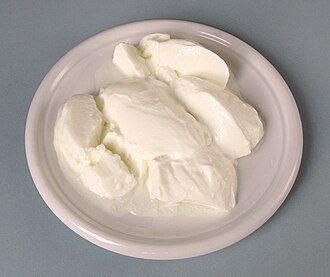
Photo: Wikipedia
A smooth, creamy dairy product with a sweet, fragrant vanilla flavor and a light, pourable texture. It's a protein-rich snack, packing nearly 5 grams of protein per 100g, with most of its calories coming from naturally occurring and added sugars.
Calorie split: 23% protein · 64% carbs · 13% fat
↓ Full nutrition💚 Why it's loved
People adore its familiar, comforting sweetness and the way it seamlessly blends into breakfasts, smoothies, or stands alone as a treat. Its cultural ubiquity makes it a go-to comfort food across many generations.
⚠️ Watch-outs & how to enjoy it better
The 13.8g of sugar per 100g can contribute to blood-sugar spikes if consumed in large quantities or without other foods. To counteract this, pair it with high-fiber foods like berries or nuts, or choose a smaller portion and enjoy it slowly.
Key benefits
- High-quality protein source for muscle maintenance.
- Contains probiotics that may support gut health.
- Often fortified with calcium and vitamin D for bone health.
- A convenient, portable, and satisfying snack.
🍽️ Popular dishes


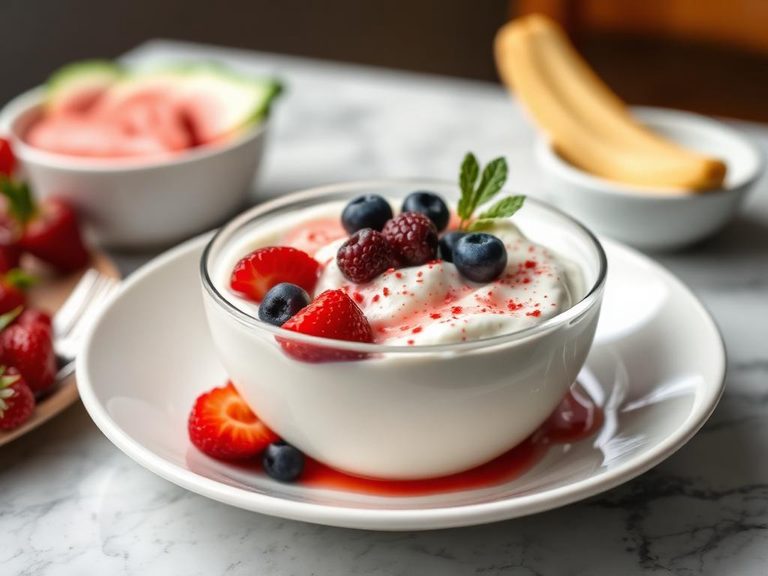

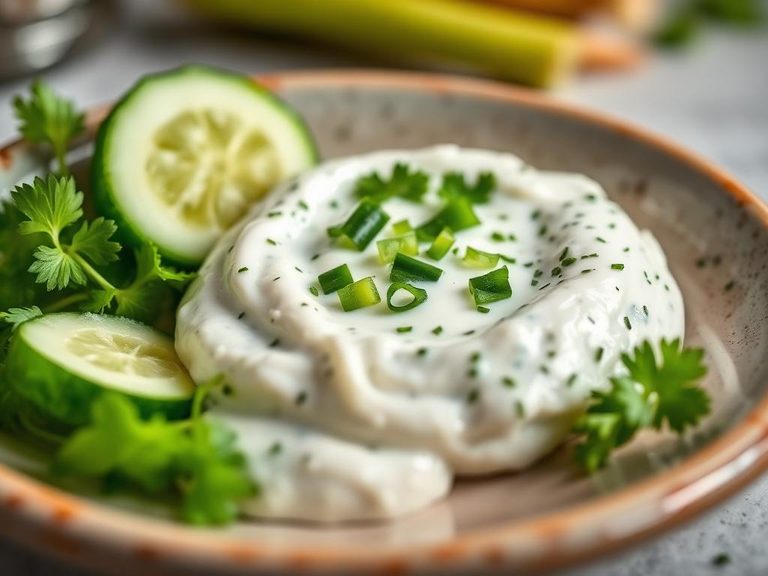
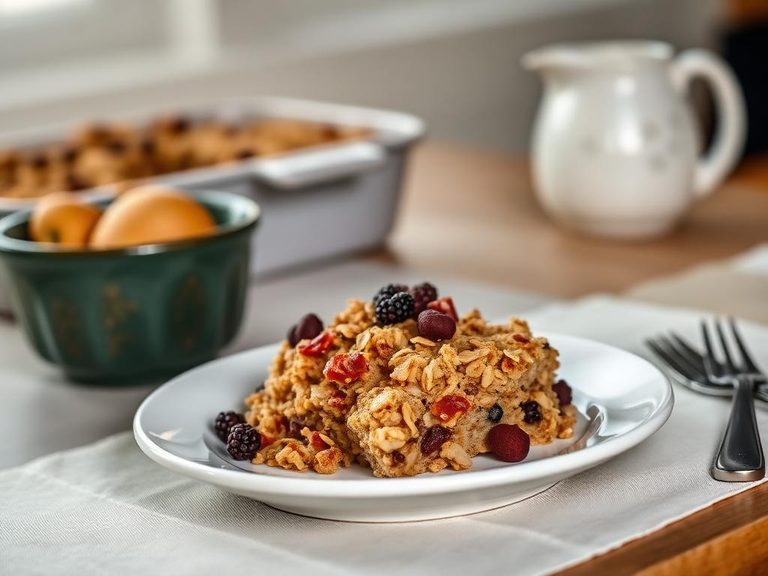
🌍 Where it's eaten
💡 Did you know?
The vanilla flavor in most commercial yogurts comes from the extract of the vanilla orchid, which is the second most expensive spice in the world after saffron.
Full nutrition (USDA data · scales with serving)
| Water | 79.0 g |
| Energy | 85.0 kcal |
| Energy | 358 kj |
| Protein | 4.9 g |
| Total lipid (fat) | 1.3 g |
| Ash | 1.0 g |
| Carbohydrate, by difference | 13.8 g |
| Fiber, total dietary | 0.00 g |
| Total Sugars | 13.8 g |
| Calcium, Ca | 171 mg |
| Iron, Fe | 0.07 mg |
| Magnesium, Mg | 16.0 mg |
| Phosphorus, P | 135 mg |
| Potassium, K | 219 mg |
| Sodium, Na | 66.0 mg |
| Zinc, Zn | 0.83 mg |
| Copper, Cu | 0.01 mg |
| Manganese, Mn | 0.00 mg |
| Selenium, Se | 4.9 ug |
| Fluoride, F | 12.0 ug |
| Vitamin C, total ascorbic acid | 0.80 mg |
| Thiamin | 0.04 mg |
| Riboflavin | 0.20 mg |
| Niacin | 0.11 mg |
| Pantothenic acid | 0.55 mg |
| Vitamin B-6 | 0.04 mg |
| Folate, total | 11.0 ug |
| Folic acid | 0.00 ug |
| Folate, food | 11.0 ug |
| Folate, DFE | 11.0 ug |
| Choline, total | 15.2 mg |
| Vitamin B-12 | 0.53 ug |
| Vitamin B-12, added | 0.00 ug |
| Vitamin A, RAE | 12.0 ug |
| Retinol | 12.0 ug |
| Carotene, beta | 2.0 ug |
| Carotene, alpha | 0.00 ug |
| Cryptoxanthin, beta | 0.00 ug |
| Vitamin A, IU | 43.0 iu |
| Lycopene | 0.00 ug |
| Lutein + zeaxanthin | 0.00 ug |
| Vitamin E (alpha-tocopherol) | 0.02 mg |
| Vitamin E, added | 0.00 mg |
| Vitamin D (D2 + D3), International Units | 1.0 iu |
| Vitamin D (D2 + D3) | 0.00 ug |
| Vitamin D3 (cholecalciferol) | 0.00 ug |
| Vitamin K (phylloquinone) | 0.10 ug |
| Alcohol, ethyl | 0.00 g |
| Caffeine | 0.00 mg |
| Theobromine | 0.00 mg |
Fat & fatty acid profile (per 100g)
| Fatty acids, total saturated | 0.81 g |
| SFA 4:0 | 0.04 g |
| SFA 6:0 | 0.03 g |
| SFA 8:0 | 0.02 g |
| SFA 10:0 | 0.04 g |
| SFA 12:0 | 0.04 g |
| SFA 14:0 | 0.13 g |
| SFA 16:0 | 0.34 g |
| SFA 18:0 | 0.12 g |
| Fatty acids, total monounsaturated | 0.34 g |
| MUFA 16:1 | 0.03 g |
| MUFA 18:1 | 0.29 g |
| MUFA 20:1 | 0.00 g |
| MUFA 22:1 | 0.00 g |
| Fatty acids, total polyunsaturated | 0.04 g |
| PUFA 18:2 | 0.03 g |
| PUFA 18:3 | 0.01 g |
| PUFA 18:4 | 0.00 g |
| PUFA 20:4 | 0.00 g |
| PUFA 20:5 n-3 (EPA) | 0.00 g |
| PUFA 22:5 n-3 (DPA) | 0.00 g |
| PUFA 22:6 n-3 (DHA) | 0.00 g |
| Cholesterol | 5.0 mg |
Amino acid profile (per 100g)
| Tryptophan | 0.03 g |
| Threonine | 0.20 g |
| Isoleucine | 0.27 g |
| Leucine | 0.50 g |
| Lysine | 0.44 g |
| Methionine | 0.14 g |
| Cystine | 0.04 g |
| Phenylalanine | 0.27 g |
| Tyrosine | 0.25 g |
| Valine | 0.41 g |
| Arginine | 0.15 g |
| Histidine | 0.12 g |
| Alanine | 0.21 g |
| Aspartic acid | 0.39 g |
| Glutamic acid | 0.96 g |
| Glycine | 0.12 g |
| Proline | 0.58 g |
| Serine | 0.30 g |
FAQ
Is low-fat vanilla yogurt healthy?
It's a good source of protein and calcium, but can be high in added sugars. Look for brands with lower sugar content and pair it with fiber and protein for a balanced snack.
Can I use it in cooking?
Yes, it's excellent as a substitute for sour cream in dips and dressings, or as a tenderizing marinade for meats. Avoid boiling it, as it may curdle.
What's the difference between yogurt and Greek yogurt?
Greek yogurt is strained to remove whey, resulting in a thicker texture, higher protein concentration, and often lower sugar content per serving compared to regular yogurt.
Nutrient density (calculated · NRF9.3)
Nutrient Rich Foods index: beneficial nutrients (protein, fiber, vitamins, minerals) minus saturated fat, added sugar & sodium, per 100 kcal.
NRF9.3 index — Fulgoni, Keast & Drewnowski, 2009. Computed from USDA nutrients.
Weight-loss friendliness (composite index)
Energy density 0.85 kcal/g · 23% calories from protein · 0.0 g fiber · 13.8 g sugar per 100 g.
Composite of energy density (Rolls et al., 1999), protein & fiber satiety, minus sugar. A calculated heuristic — ranks satiety-per-calorie, not a clinical measure.
Dietary load (calculated from USDA values)
Potential renal acid load. Positive = acid-forming, negative = alkaline-forming.
Sodium-to-potassium ratio: 0.30 (lower is better — aim for ≤ 1)
Sodium:potassium per WHO potassium guidance. Computed from USDA nutrients.