

Vegetables, mixed, frozen, cooked, boiled, drained, without salt
Whole food · Vegetables and Vegetable Products
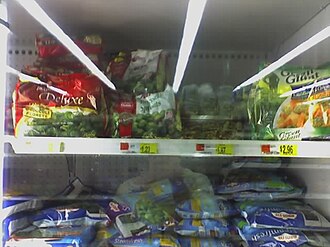
Photo: Wikipedia
A vibrant medley of carrots, peas, corn, and green beans, frozen at peak ripeness and cooked to a tender-crisp finish. These vegetables offer a mild, sweet, and earthy flavor profile with a satisfying, slightly firm texture. They are a low-calorie, high-fiber staple, providing a significant boost of vitamins and minerals with minimal fat.
Calorie split: 18% protein · 80% carbs · 2% fat
↓ Full nutrition💚 Why it's loved
People love them for their incredible convenience and consistent quality, offering a quick way to add a full serving of vegetables to any meal. Their mild, naturally sweet flavor makes them a versatile base that complements a wide range of cuisines and seasonings.
⚠️ Watch-outs & how to enjoy it better
Some find the texture can be slightly mushy if overcooked, and the flavor less vibrant than fresh, seasonal produce. For those monitoring blood sugar, the starchy components like corn and peas can cause a moderate glycemic response. To counteract this, pair them with a protein source (like chicken or beans) and a healthy fat (like olive oil or avocado) to slow digestion and stabilize blood sugar levels.
Key benefits
- Excellent source of dietary fiber for digestive health
- Rich in vitamins A and C, supporting immune function
- Low in fat and calories, aiding in weight management
- Convenient and reduces food waste with long shelf life
- Provides a mix of antioxidants from diverse vegetable types
🍽️ Popular dishes
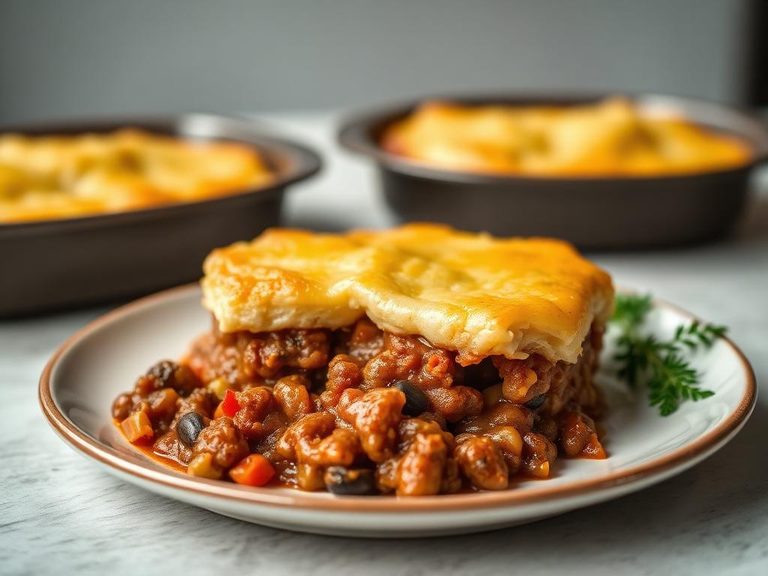
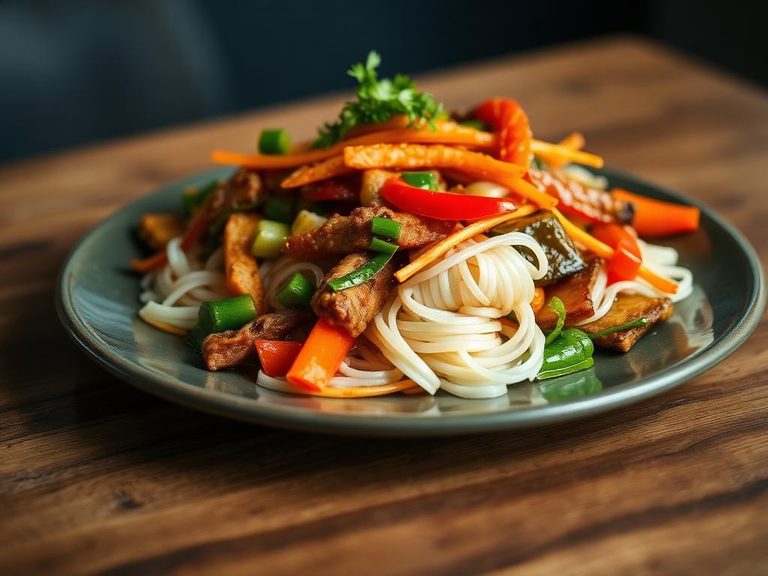

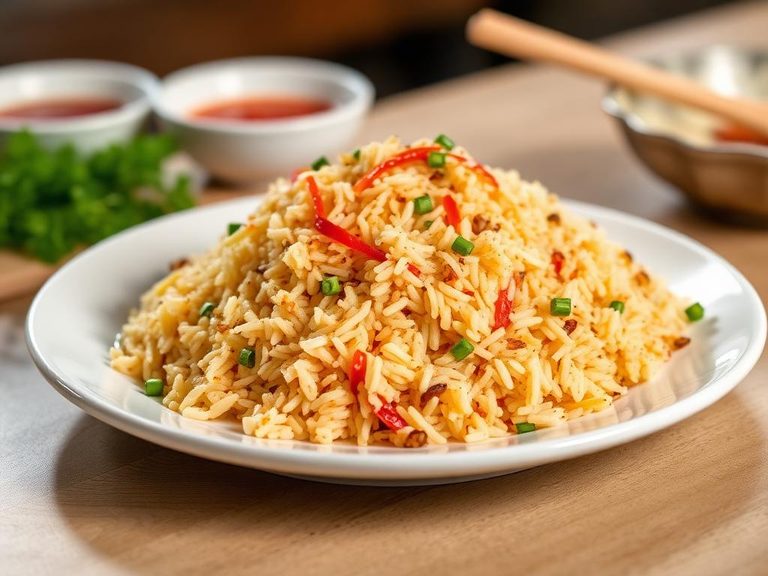
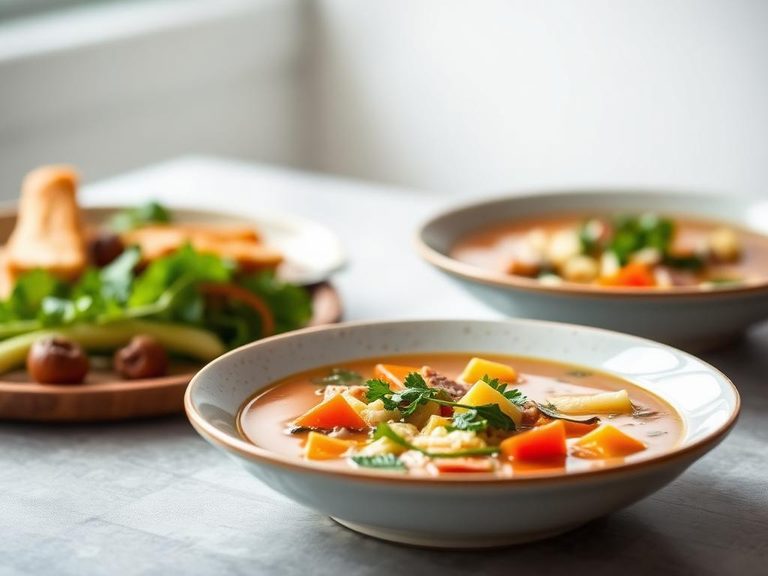
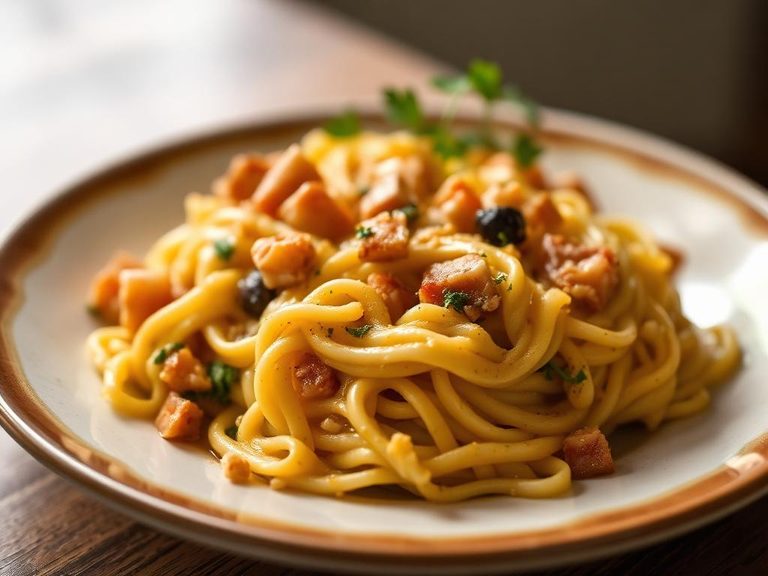
🌍 Where it's eaten
💡 Did you know?
The process of flash-freezing vegetables can actually preserve more nutrients than buying 'fresh' produce that has traveled long distances and sat on store shelves for days.
Full nutrition (USDA data · scales with serving)
| Water | 83.2 g |
| Energy | 65.0 kcal |
| Energy | 273 kj |
| Protein | 2.9 g |
| Total lipid (fat) | 0.15 g |
| Ash | 0.67 g |
| Carbohydrate, by difference | 13.1 g |
| Fiber, total dietary | 4.4 g |
| Total Sugars | 3.1 g |
| Calcium, Ca | 25.0 mg |
| Iron, Fe | 0.82 mg |
| Magnesium, Mg | 22.0 mg |
| Phosphorus, P | 51.0 mg |
| Potassium, K | 169 mg |
| Sodium, Na | 35.0 mg |
| Zinc, Zn | 0.49 mg |
| Copper, Cu | 0.08 mg |
| Manganese, Mn | 0.38 mg |
| Selenium, Se | 0.30 ug |
| Vitamin C, total ascorbic acid | 3.2 mg |
| Thiamin | 0.07 mg |
| Riboflavin | 0.12 mg |
| Niacin | 0.85 mg |
| Pantothenic acid | 0.15 mg |
| Vitamin B-6 | 0.07 mg |
| Folate, total | 19.0 ug |
| Folic acid | 0.00 ug |
| Folate, food | 19.0 ug |
| Folate, DFE | 19.0 ug |
| Choline, total | 24.1 mg |
| Vitamin B-12 | 0.00 ug |
| Vitamin B-12, added | 0.00 ug |
| Vitamin A, RAE | 214 ug |
| Retinol | 0.00 ug |
| Carotene, beta | 2082 ug |
| Carotene, alpha | 968 ug |
| Cryptoxanthin, beta | 0.00 ug |
| Vitamin A, IU | 4277 iu |
| Lycopene | 0.00 ug |
| Lutein + zeaxanthin | 637 ug |
| Vitamin E (alpha-tocopherol) | 0.38 mg |
| Vitamin E, added | 0.00 mg |
| Vitamin D (D2 + D3), International Units | 0.00 iu |
| Vitamin D (D2 + D3) | 0.00 ug |
| Vitamin K (phylloquinone) | 23.5 ug |
| Alcohol, ethyl | 0.00 g |
| Caffeine | 0.00 mg |
| Theobromine | 0.00 mg |
Fat & fatty acid profile (per 100g)
| Fatty acids, total saturated | 0.03 g |
| SFA 4:0 | 0.00 g |
| SFA 6:0 | 0.00 g |
| SFA 8:0 | 0.00 g |
| SFA 10:0 | 0.00 g |
| SFA 12:0 | 0.00 g |
| SFA 14:0 | 0.00 g |
| SFA 16:0 | 0.03 g |
| SFA 18:0 | 0.00 g |
| Fatty acids, total monounsaturated | 0.01 g |
| MUFA 16:1 | 0.00 g |
| MUFA 18:1 | 0.01 g |
| MUFA 20:1 | 0.00 g |
| MUFA 22:1 | 0.00 g |
| Fatty acids, total polyunsaturated | 0.07 g |
| PUFA 18:2 | 0.05 g |
| PUFA 18:3 | 0.02 g |
| PUFA 18:4 | 0.00 g |
| PUFA 20:4 | 0.00 g |
| PUFA 20:5 n-3 (EPA) | 0.00 g |
| PUFA 22:5 n-3 (DPA) | 0.00 g |
| PUFA 22:6 n-3 (DHA) | 0.00 g |
| Fatty acids, total trans | 0.00 g |
| Cholesterol | 0.00 mg |
Amino acid profile (per 100g)
| Tryptophan | 0.03 g |
| Threonine | 0.12 g |
| Isoleucine | 0.14 g |
| Leucine | 0.19 g |
| Lysine | 0.17 g |
| Methionine | 0.03 g |
| Cystine | 0.03 g |
| Phenylalanine | 0.12 g |
| Tyrosine | 0.07 g |
| Valine | 0.15 g |
| Arginine | 0.19 g |
| Histidine | 0.07 g |
| Alanine | 0.12 g |
| Aspartic acid | 0.30 g |
| Glutamic acid | 0.39 g |
| Glycine | 0.10 g |
| Proline | 0.07 g |
| Serine | 0.14 g |
FAQ
Are frozen mixed vegetables as nutritious as fresh?
Yes, often more so. They are typically frozen shortly after harvest, which locks in vitamins and minerals that can degrade in fresh produce during transport and storage.
How should I cook them for the best texture?
For a tender-crisp texture, steam or microwave them with a small amount of water until just heated through. Avoid boiling for long periods, which can make them mushy and leach nutrients.
Can I use them directly from frozen in recipes?
Absolutely. They are pre-cooked and ready to use. Add them directly to soups, stews, stir-fries, or casseroles without thawing to maintain their texture.
Nutrient density (calculated · NRF9.3)
Nutrient Rich Foods index: beneficial nutrients (protein, fiber, vitamins, minerals) minus saturated fat, added sugar & sodium, per 100 kcal.
NRF9.3 index — Fulgoni, Keast & Drewnowski, 2009. Computed from USDA nutrients.
Weight-loss friendliness (composite index)
Energy density 0.65 kcal/g · 18% calories from protein · 4.4 g fiber · 3.1 g sugar per 100 g.
Composite of energy density (Rolls et al., 1999), protein & fiber satiety, minus sugar. A calculated heuristic — ranks satiety-per-calorie, not a clinical measure.
Dietary load (calculated from USDA values)
Potential renal acid load. Positive = acid-forming, negative = alkaline-forming.
Sodium-to-potassium ratio: 0.21 (lower is better — aim for ≤ 1)
Sodium:potassium per WHO potassium guidance. Computed from USDA nutrients.