

Casserole
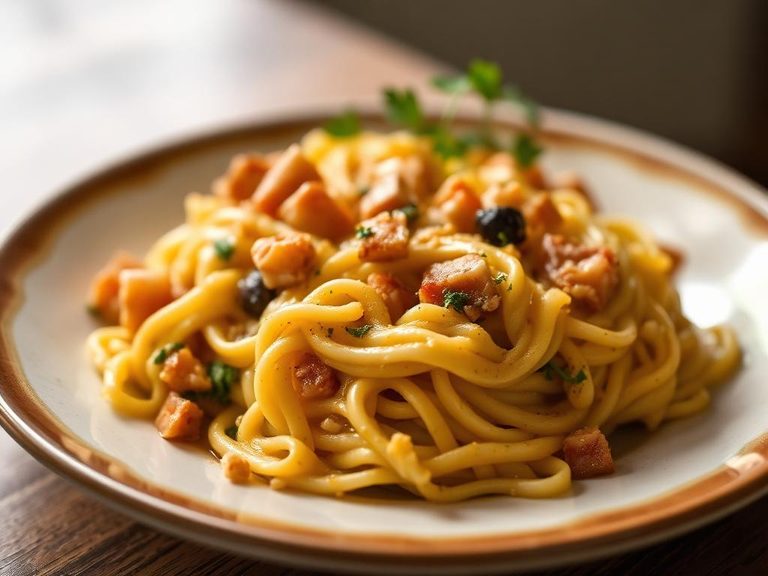
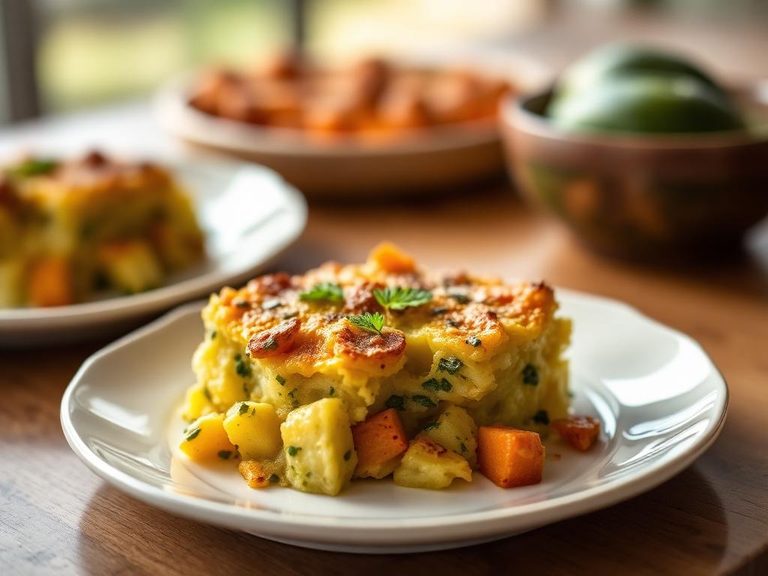
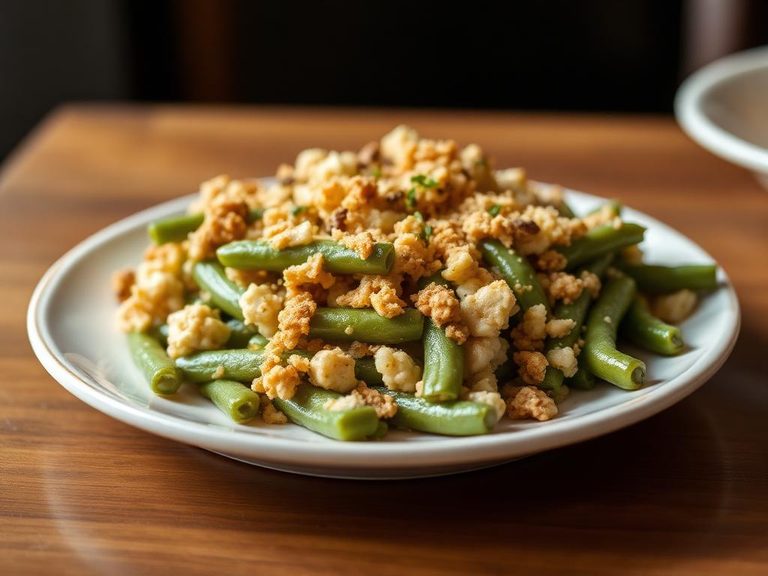
A casserole is a baked, one-dish meal that typically combines a starch (like pasta, potatoes, or rice), a protein (such as tuna, chicken, or ground beef), and vegetables, all bound together in a creamy or tomato-based sauce and often topped with cheese or breadcrumbs. The classic Tuna Noodle Casserole, a staple of American home cooking, features egg noodles, canned tuna, and peas in a creamy sauce, usually topped with crunchy fried onions or breadcrumbs. This style of dish became especially popular in the mid-20th century as a convenient, comforting, and economical family meal.
🍳 View the full Casserole recipe →
🍽️ Nutrition at a glance
Casseroles are generally high in carbohydrates from the starch base and can be high in fat, especially if they include creamy sauces, cheese, or fatty meats. They provide a balanced mix of nutrients, including protein from the main ingredient, carbohydrates for energy, and some vitamins and minerals from vegetables, with a typical serving ranging from 350 to 600 calories depending on the specific recipe and portion size.
Nutrition breakdown
| Calories | 350 kcal |
| Protein | 20 g |
| Carbs | 30 g |
| Fat | 15 g |
| Fiber | 3 g |
| Sugar | 4 g |
| Sodium | 800 mg |
| Potassium | 400 mg |
| Phosphorus | 250 mg |
| Vitamin B12 | 1.5 mcg |
| Niacin (B3) | 8 mg |
| Selenium | 40 mcg |
| Calcium | 150 mg |
| Iron | 2.5 mg |
| Vitamin A | 150 mcg RAE |
Per 1 cup (240 g) · estimated, varies by recipe
💡 What's interesting
Casseroles are culturally significant as a symbol of communal eating and resourcefulness, often served at potlucks, family gatherings, and holidays in many Western countries. Nutritionally, they are unique for their ability to incorporate a wide variety of ingredients into a single, cohesive dish, making them an efficient way to use leftovers and create a balanced meal with minimal cleanup.
🍽️ Related dishes
AI estimate may be inaccurate · Terms