

Turnips, cooked, boiled, drained, without salt
Whole food · Vegetables and Vegetable Products

Photo: Wikipedia
Boiled, drained turnips are a humble root vegetable transformed into a tender, slightly sweet, and earthy side dish. Their texture becomes pleasantly soft and creamy when cooked, offering a mild, peppery undertone that's less sharp than their raw state. Nutritionally, they are a low-calorie, high-fiber choice, providing a good source of vitamin C and potassium.
Calorie split: 12% protein · 85% carbs · 3% fat
↓ Full nutrition💚 Why it's loved
People love boiled turnips for their comforting, mild sweetness and incredible versatility—they easily absorb butter, herbs, or savory broths. In many cuisines, they are a nostalgic, warming staple, often mashed with potatoes or carrots for a classic, hearty side.
⚠️ Watch-outs & how to enjoy it better
Some find the flavor too bitter or sulfurous, a trait that can be minimized by choosing younger turnips, peeling them generously, and boiling in plenty of water. Those monitoring blood sugar should be mindful of their carbohydrate content, though the fiber helps; pairing with protein or fat (like butter or cheese) can slow absorption.
Key benefits
- Low in calories and fat, supporting weight management.
- Good source of dietary fiber, aiding digestion.
- Rich in vitamin C, an important antioxidant.
- Provides potassium, which supports heart and muscle function.
- Naturally low in sodium and cholesterol.
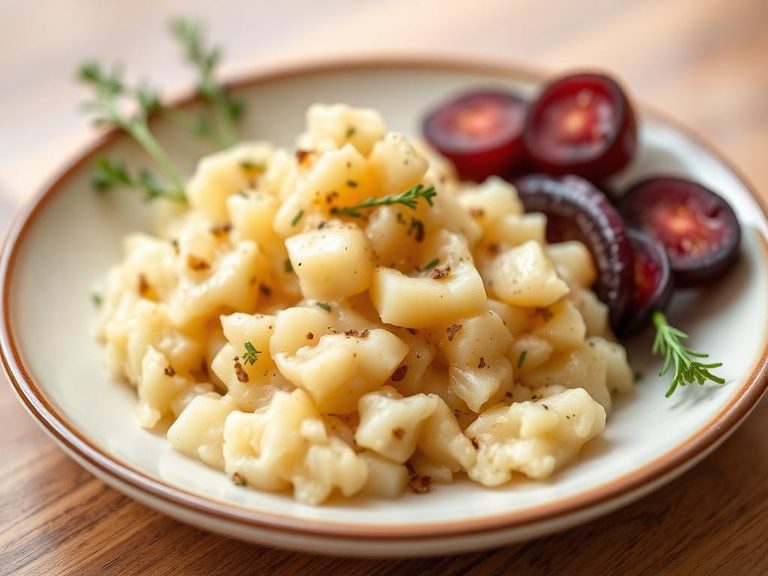
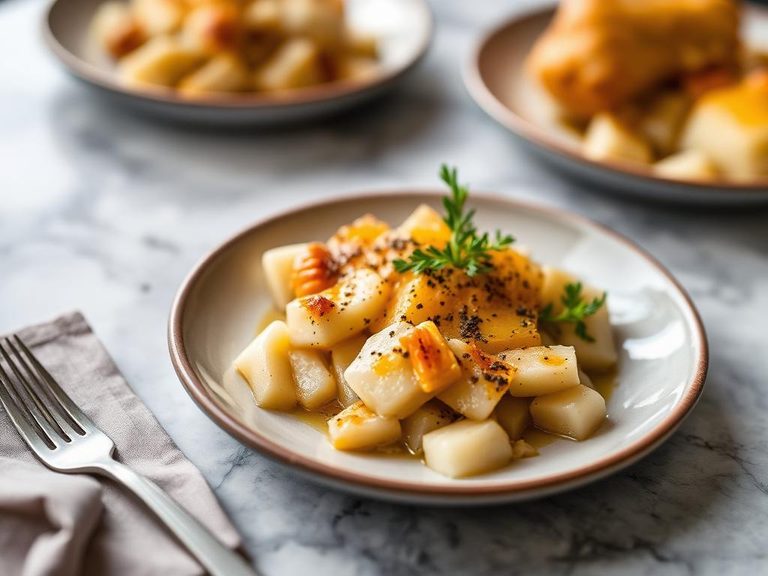
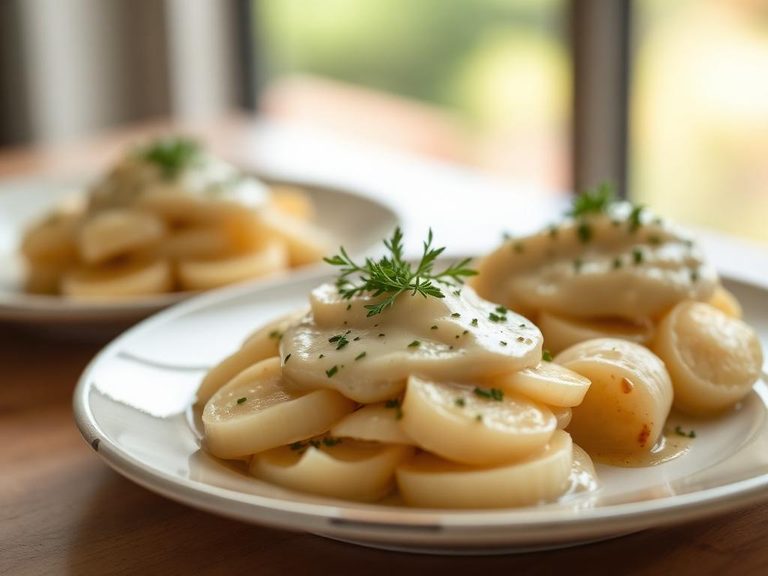
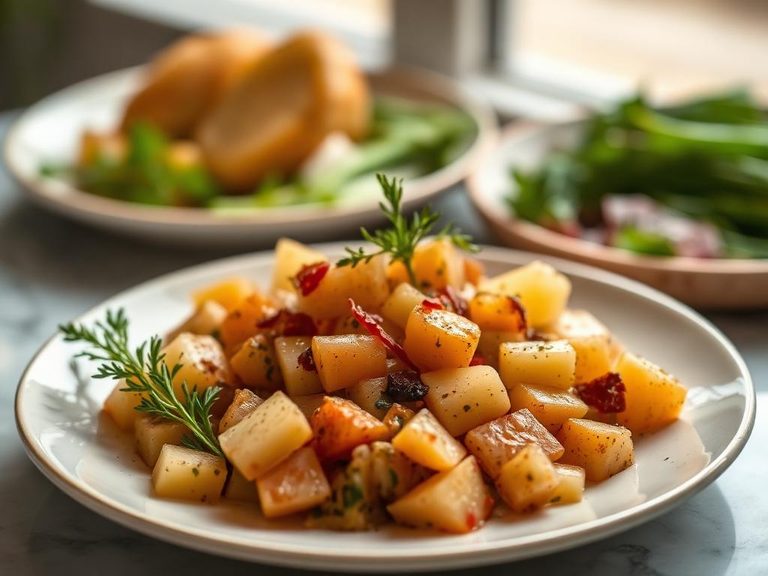
🍽️ Popular dishes
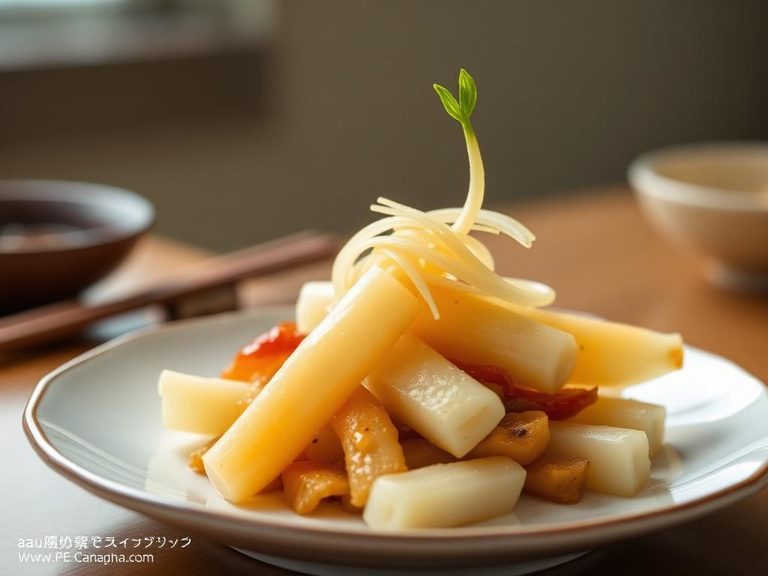
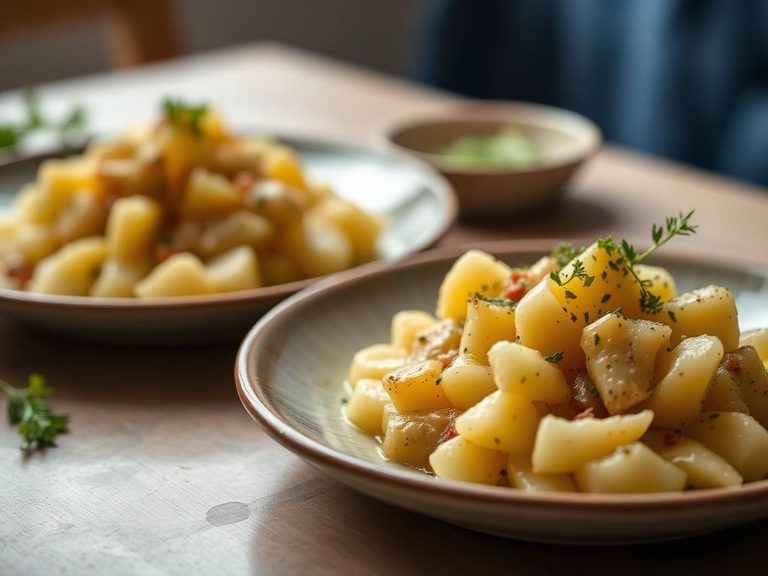
🌍 Where it's eaten
💡 Did you know?
The name 'turnip' likely comes from the Latin 'turnus' (round) and 'napus' (turnip), describing its shape, but in some regions, the green tops are more prized and eaten as a leafy vegetable than the root itself.
Full nutrition (USDA data · scales with serving)
| Water | 93.6 g |
| Energy | 22.0 kcal |
| Energy | 92.0 kj |
| Protein | 0.71 g |
| Total lipid (fat) | 0.08 g |
| Ash | 0.55 g |
| Carbohydrate, by difference | 5.1 g |
| Fiber, total dietary | 2.0 g |
| Total Sugars | 3.0 g |
| Calcium, Ca | 33.0 mg |
| Iron, Fe | 0.18 mg |
| Magnesium, Mg | 9.0 mg |
| Phosphorus, P | 26.0 mg |
| Potassium, K | 177 mg |
| Sodium, Na | 16.0 mg |
| Zinc, Zn | 0.12 mg |
| Copper, Cu | 0.00 mg |
| Manganese, Mn | 0.07 mg |
| Selenium, Se | 0.20 ug |
| Vitamin C, total ascorbic acid | 11.6 mg |
| Thiamin | 0.03 mg |
| Riboflavin | 0.02 mg |
| Niacin | 0.30 mg |
| Pantothenic acid | 0.14 mg |
| Vitamin B-6 | 0.07 mg |
| Folate, total | 9.0 ug |
| Folic acid | 0.00 ug |
| Folate, food | 9.0 ug |
| Folate, DFE | 9.0 ug |
| Choline, total | 8.7 mg |
| Vitamin B-12 | 0.00 ug |
| Vitamin B-12, added | 0.00 ug |
| Vitamin A, RAE | 0.00 ug |
| Retinol | 0.00 ug |
| Carotene, beta | 0.00 ug |
| Carotene, alpha | 0.00 ug |
| Cryptoxanthin, beta | 0.00 ug |
| Vitamin A, IU | 0.00 iu |
| Lycopene | 0.00 ug |
| Lutein + zeaxanthin | 0.00 ug |
| Vitamin E (alpha-tocopherol) | 0.02 mg |
| Vitamin E, added | 0.00 mg |
| Vitamin D (D2 + D3), International Units | 0.00 iu |
| Vitamin D (D2 + D3) | 0.00 ug |
| Vitamin K (phylloquinone) | 0.10 ug |
| Alcohol, ethyl | 0.00 g |
| Caffeine | 0.00 mg |
| Theobromine | 0.00 mg |
Fat & fatty acid profile (per 100g)
| Fatty acids, total saturated | 0.01 g |
| SFA 4:0 | 0.00 g |
| SFA 6:0 | 0.00 g |
| SFA 8:0 | 0.00 g |
| SFA 10:0 | 0.00 g |
| SFA 12:0 | 0.00 g |
| SFA 14:0 | 0.00 g |
| SFA 16:0 | 0.01 g |
| SFA 18:0 | 0.00 g |
| Fatty acids, total monounsaturated | 0.01 g |
| MUFA 16:1 | 0.00 g |
| MUFA 18:1 | 0.00 g |
| MUFA 20:1 | 0.00 g |
| MUFA 22:1 | 0.00 g |
| Fatty acids, total polyunsaturated | 0.04 g |
| PUFA 18:2 | 0.01 g |
| PUFA 18:3 | 0.03 g |
| PUFA 18:4 | 0.00 g |
| PUFA 20:4 | 0.00 g |
| PUFA 20:5 n-3 (EPA) | 0.00 g |
| PUFA 22:5 n-3 (DPA) | 0.00 g |
| PUFA 22:6 n-3 (DHA) | 0.00 g |
| Fatty acids, total trans | 0.00 g |
| Cholesterol | 0.00 mg |
Amino acid profile (per 100g)
| Tryptophan | 0.01 g |
| Threonine | 0.02 g |
| Isoleucine | 0.03 g |
| Leucine | 0.03 g |
| Lysine | 0.03 g |
| Methionine | 0.01 g |
| Cystine | 0.00 g |
| Phenylalanine | 0.01 g |
| Tyrosine | 0.01 g |
| Valine | 0.02 g |
| Arginine | 0.02 g |
| Histidine | 0.01 g |
| Alanine | 0.03 g |
| Aspartic acid | 0.05 g |
| Glutamic acid | 0.10 g |
| Glycine | 0.02 g |
| Proline | 0.02 g |
| Serine | 0.02 g |
FAQ
How do I reduce bitterness in boiled turnips?
Choose smaller, younger turnips which are naturally sweeter. Peel them well, cut into uniform pieces, and boil in a large pot of water. You can also add a pinch of sugar or a small potato to the water to help absorb bitter compounds.
Are turnip greens edible?
Yes, turnip greens are highly nutritious and edible. They can be sautéed, steamed, or added to soups and stews, offering a peppery flavor similar to mustard greens.
What's the difference between turnips and rutabagas?
Turnips are generally smaller, white and purple, with a sharper flavor. Rutabagas (swedes) are larger, yellow-fleshed, and have a sweeter, milder taste and denser texture.
Nutrient density (calculated · NRF9.3)
Nutrient Rich Foods index: beneficial nutrients (protein, fiber, vitamins, minerals) minus saturated fat, added sugar & sodium, per 100 kcal.
NRF9.3 index — Fulgoni, Keast & Drewnowski, 2009. Computed from USDA nutrients.
Weight-loss friendliness (composite index)
Energy density 0.22 kcal/g · 13% calories from protein · 2.0 g fiber · 3.0 g sugar per 100 g.
Composite of energy density (Rolls et al., 1999), protein & fiber satiety, minus sugar. A calculated heuristic — ranks satiety-per-calorie, not a clinical measure.
Dietary load (calculated from USDA values)
Potential renal acid load. Positive = acid-forming, negative = alkaline-forming.
Sodium-to-potassium ratio: 0.09 (lower is better — aim for ≤ 1)
Sodium:potassium per WHO potassium guidance. Computed from USDA nutrients.