British turnip and swede mash
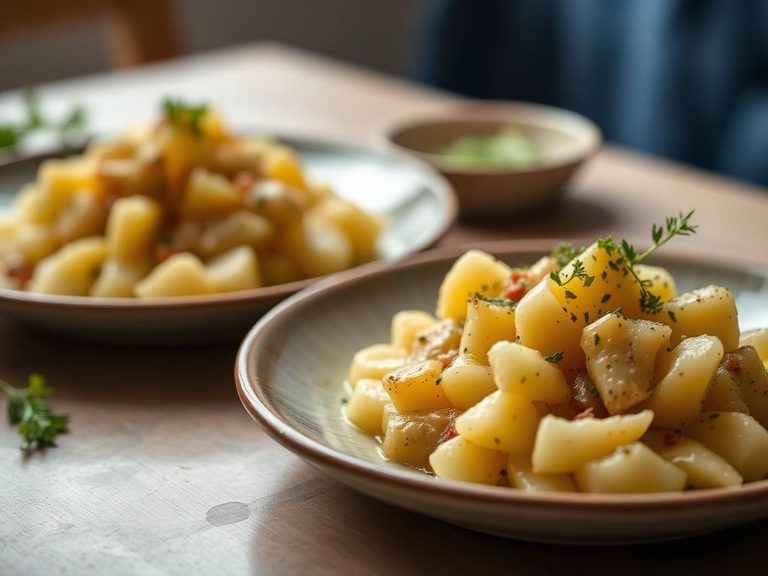
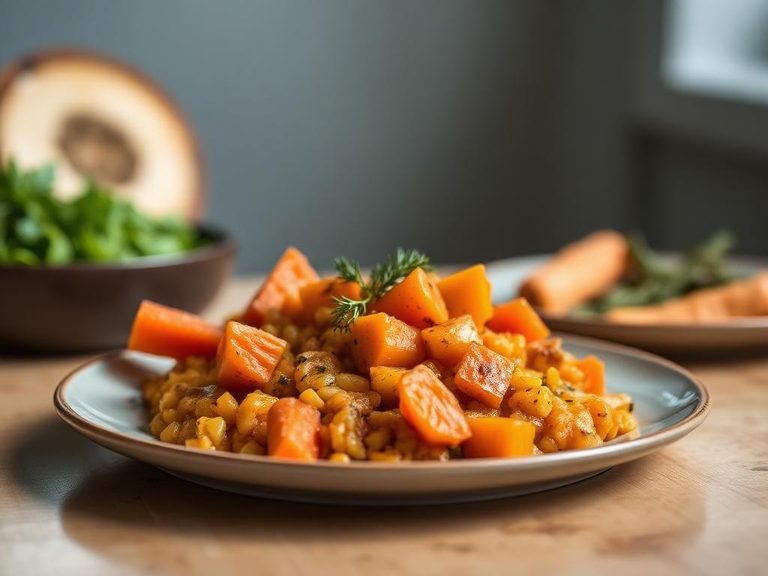
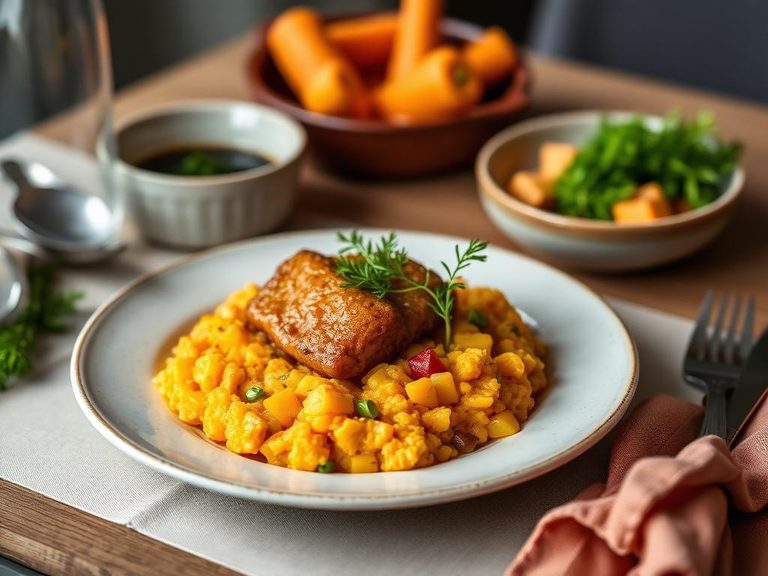
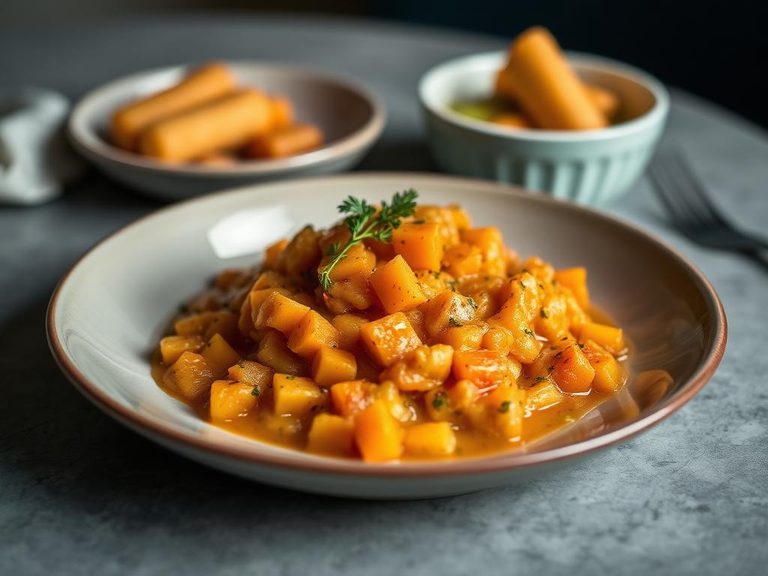
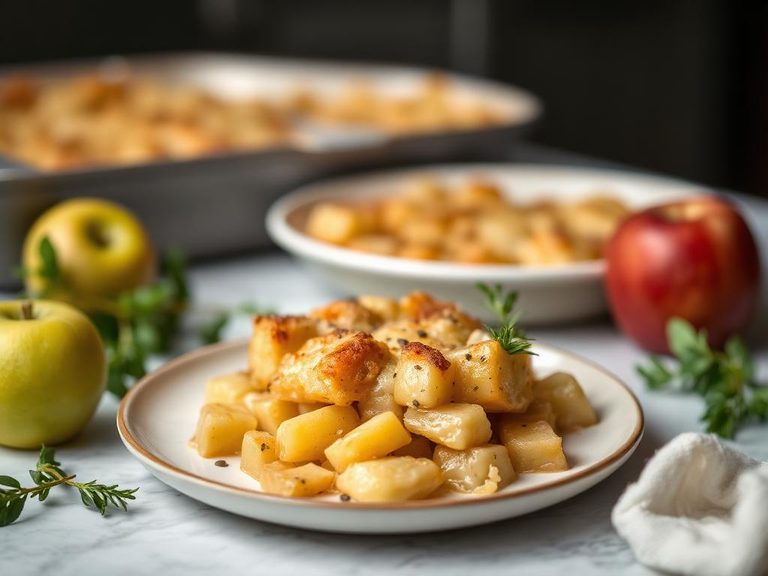
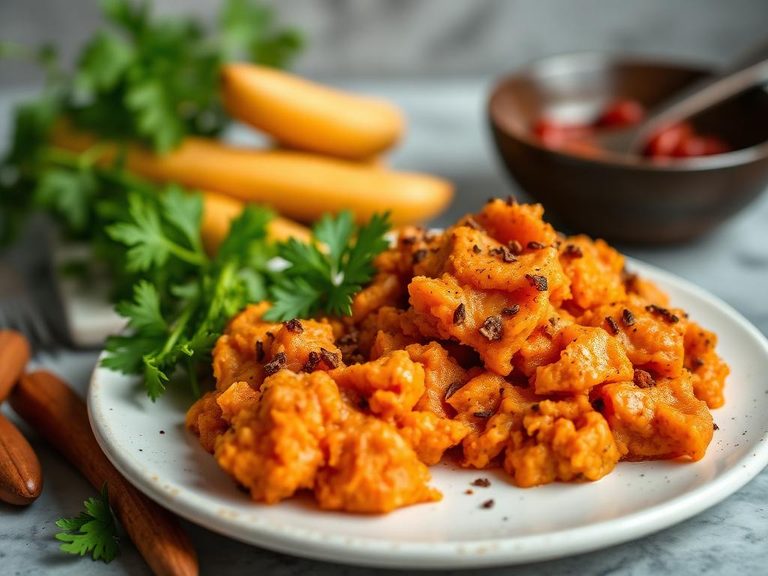
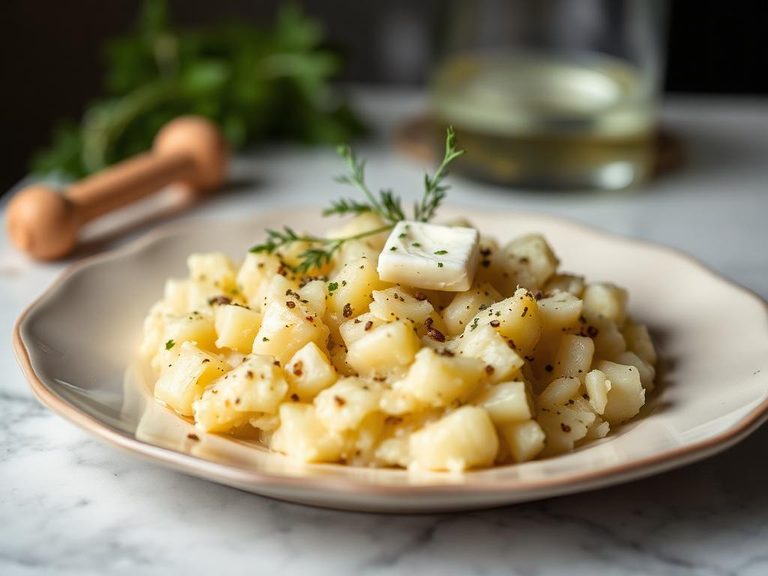
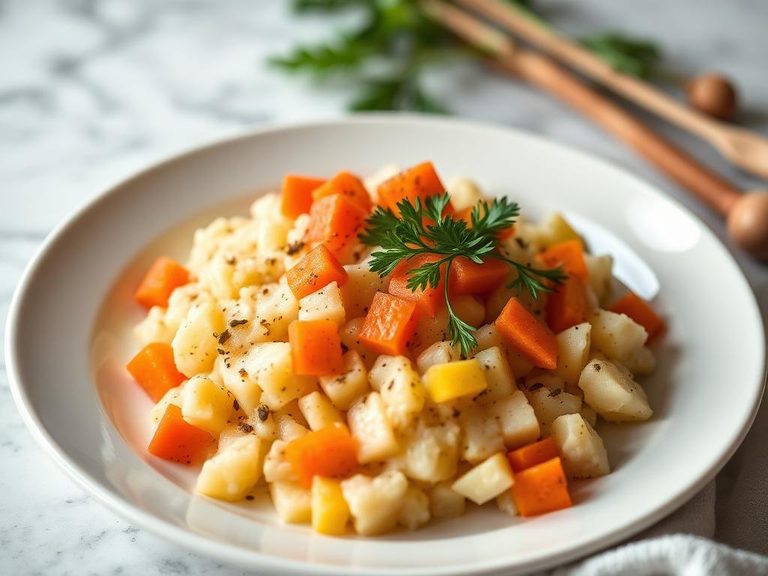
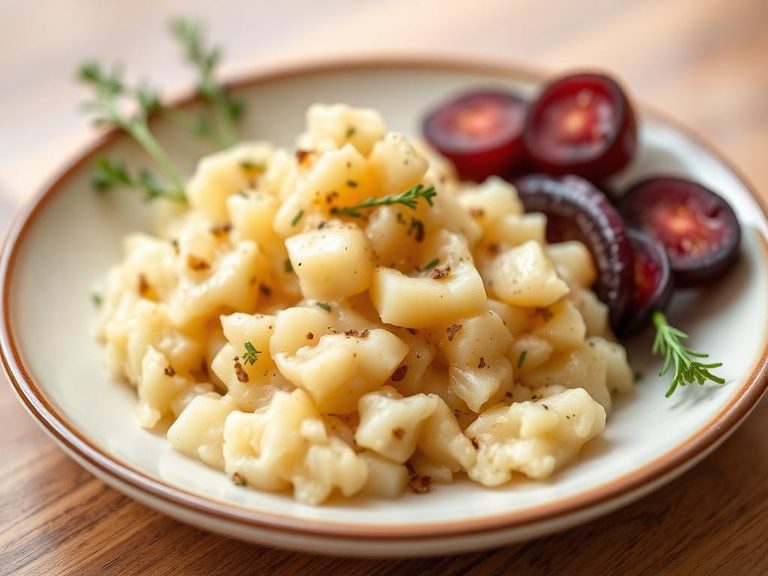
British turnip and swede mash is a comforting, traditional side dish from the United Kingdom, particularly popular in Scotland and Northern England. It's a simple, earthy puree made by boiling and mashing root vegetables—typically swede (also known as rutabaga) and white turnip—often with butter, salt, and pepper.
🍽️ Nutrition at a glance
This dish is a good source of complex carbohydrates and dietary fiber, with minimal fat unless generous amounts of butter are added. It provides key nutrients like vitamin C, potassium, and antioxidants, with a typical serving containing roughly 100-150 calories.
Nutrition breakdown
| Calories | 90 kcal |
| Protein | 2.5 g |
| Carbs | 18 g |
| Fat | 1.5 g |
| Fiber | 4 g |
| Sugar | 6 g |
| Sodium | 300 mg |
| Potassium | 350 mg |
| Vitamin C | 25 mg |
| Vitamin A | 450 IU |
| Calcium | 60 mg |
| Magnesium | 20 mg |
| Phosphorus | 55 mg |
| Folate | 30 mcg |
| Manganese | 0.3 mg |
Per 1 cup (240 g) · estimated, varies by recipe
💡 What's interesting
Culturally, it's a hearty, economical staple often associated with winter meals and Burns Night suppers, where it forms part of the traditional 'neeps and tatties' (turnips and potatoes) served with haggis. Nutritionally, the combination of swede and turnip offers a broader spectrum of vitamins and a more complex, slightly sweet-and-peppery flavor than using either vegetable alone.