Swede and carrot mash (neeps)
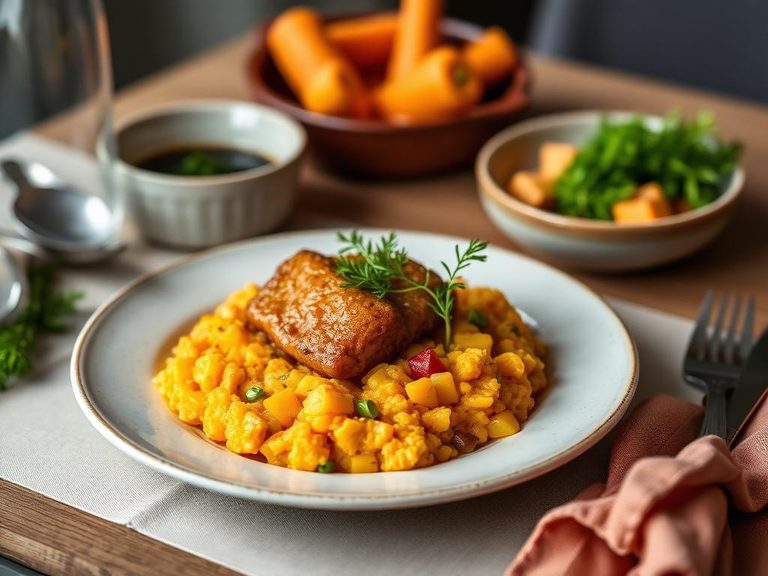
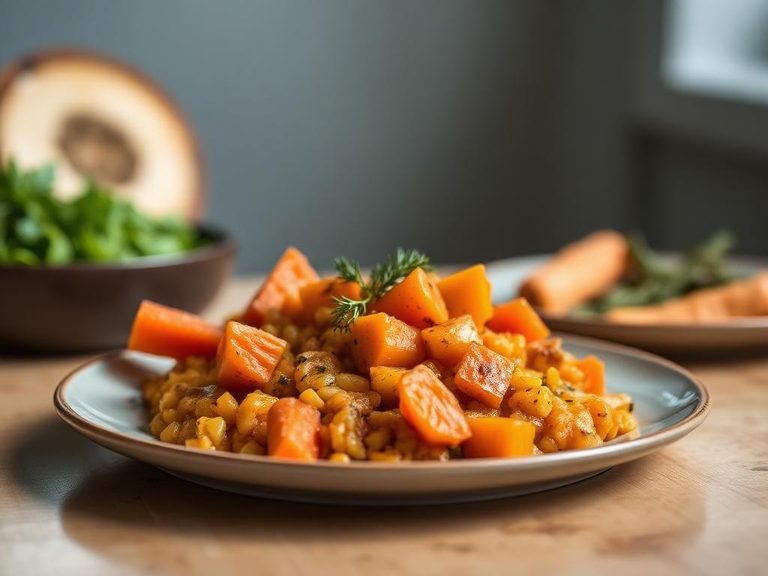
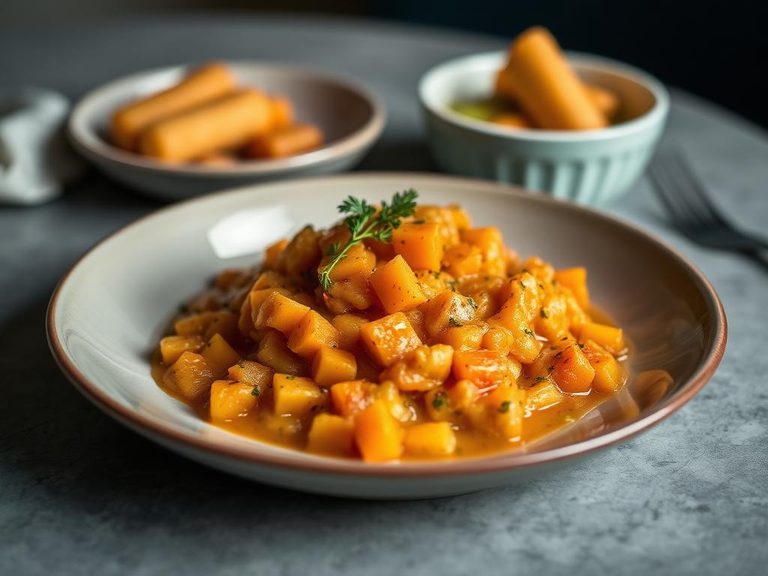
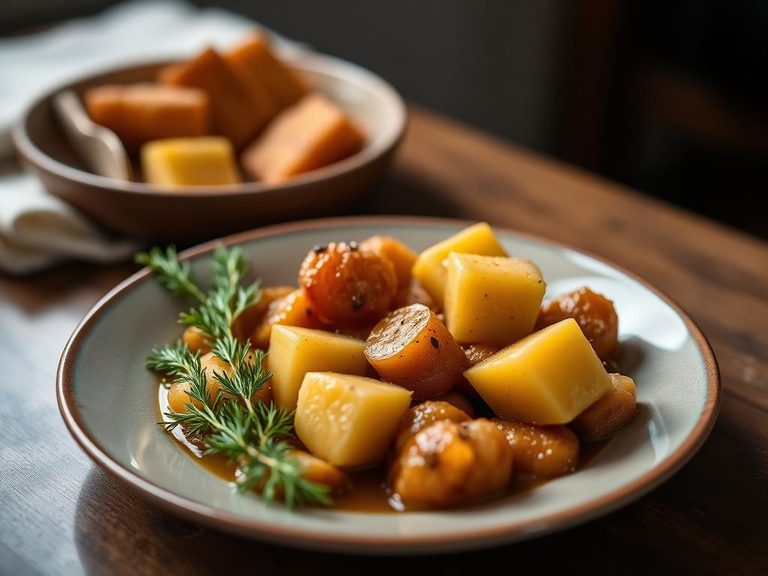
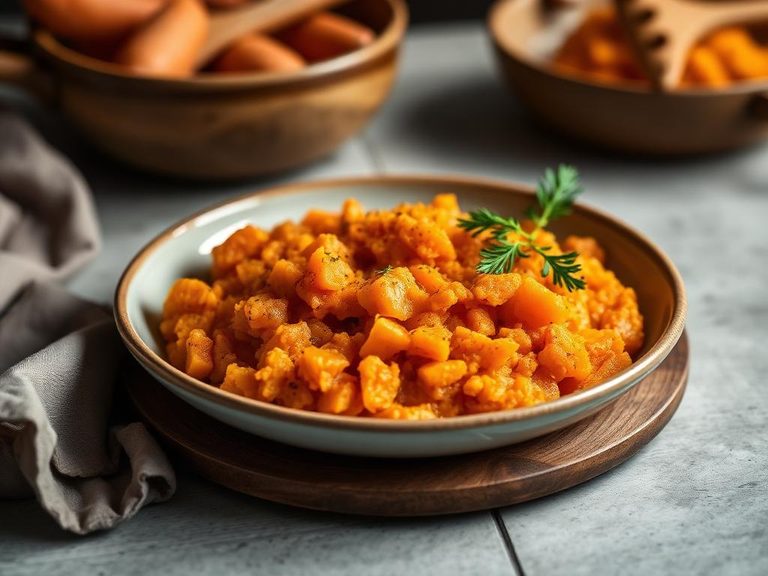
Swede and carrot mash, often called 'neeps' in Scotland, is a simple, comforting side dish made from mashed swede (rutabaga) and carrots, typically seasoned with butter, salt, and pepper. It has a naturally sweet, earthy flavour and a smooth, slightly dense texture. This humble vegetable mash is a staple in British and Irish home cooking, particularly associated with traditional meals.
🍽️ Nutrition at a glance
This dish is primarily a source of complex carbohydrates and dietary fibre, with very little fat or protein. It is rich in vitamins A and C from the carrots, and provides potassium and antioxidants, with a typical serving containing around 100-150 calories.
Nutrition breakdown
| Calories | 100 kcal |
| Protein | 2.5 g |
| Carbs | 22 g |
| Fat | 0.5 g |
| Fiber | 5 g |
| Sugar | 10 g |
| Sodium | 50 mg |
| Vitamin A | 450 µg RAE |
| Vitamin C | 30 mg |
| Potassium | 500 mg |
| Manganese | 0.5 mg |
| Folate | 40 µg |
| Vitamin B6 | 0.3 mg |
| Calcium | 60 mg |
| Magnesium | 25 mg |
Per 1 cup (240 g) · estimated, varies by recipe
💡 What's interesting
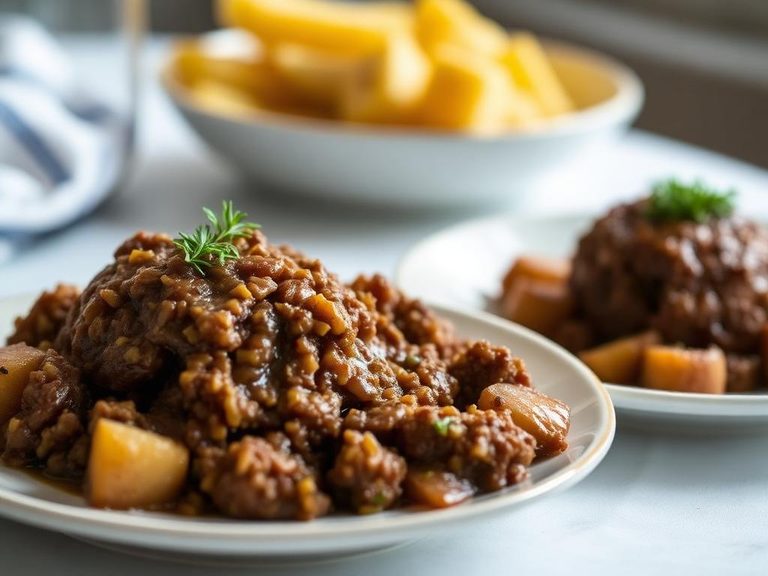
Nutritionally, it's a clever way to boost vegetable intake, combining two root vegetables for a broader nutrient profile. Culturally, 'neeps' is famously paired with haggis, tatties (potatoes), and whisky on Burns Night in Scotland, turning a simple mash into a celebratory dish.