

Squash, winter, hubbard, cooked, boiled, mashed, without salt
Whole food · Vegetables and Vegetable Products

Photo: Wikipedia
Hubbard squash, once cooked and mashed, transforms into a velvety, sweet, and deeply earthy purée with a texture reminiscent of a denser, richer sweet potato. Its vibrant orange flesh is a powerhouse of beta-carotene, offering a significant boost of vitamin A for just 30 calories per 100g. This humble winter staple delivers a comforting, subtly nutty flavor that forms the base of both savory and sweet culinary creations.
Calorie split: 17% protein · 74% carbs · 9% fat
↓ Full nutrition💚 Why it's loved
People cherish its naturally sweet, custard-like flavor and incredibly smooth texture when mashed, making it a comforting, versatile canvas for both sweet pies and savory soups. It's a nostalgic, seasonal ingredient that embodies the heart of autumn and winter cooking.
⚠️ Watch-outs & how to enjoy it better
Its high natural sugar content can cause a quicker blood sugar rise compared to non-starchy vegetables, so those monitoring glucose should pair it with protein (like nuts or beans) or healthy fats (like olive oil or butter) and watch portion sizes. Its mild flavor can become watery if overcooked; roasting before mashing concentrates its taste.
Key benefits
- Excellent source of beta-carotene (vitamin A precursor)
- Very low in calories and fat
- Good source of dietary fiber for digestive health
- Naturally sweet without added sugars
- Provides vitamin C and potassium
🍽️ Popular dishes
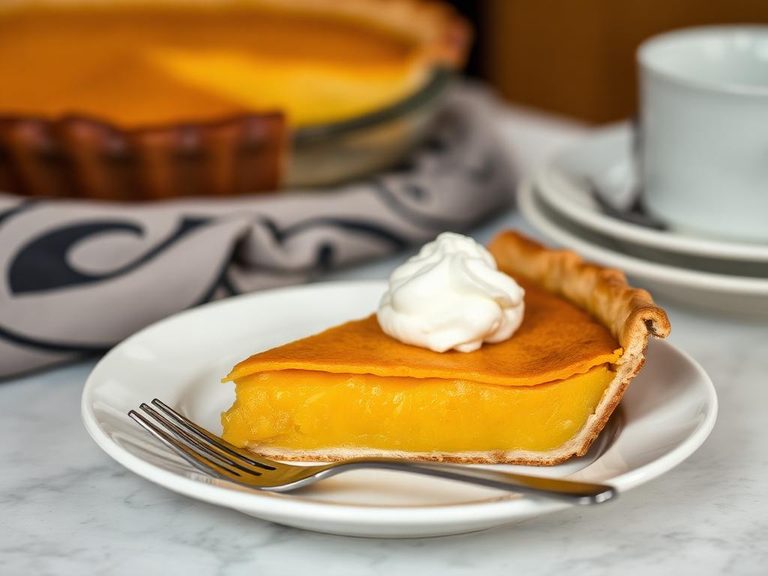
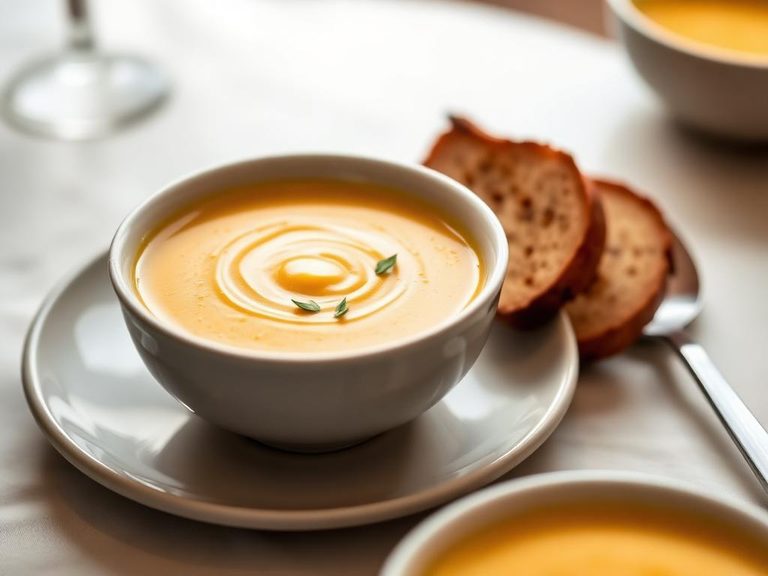
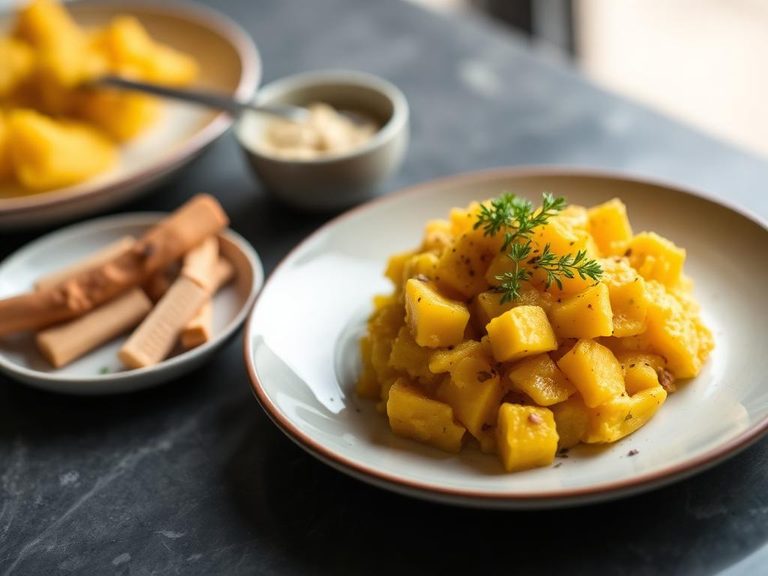
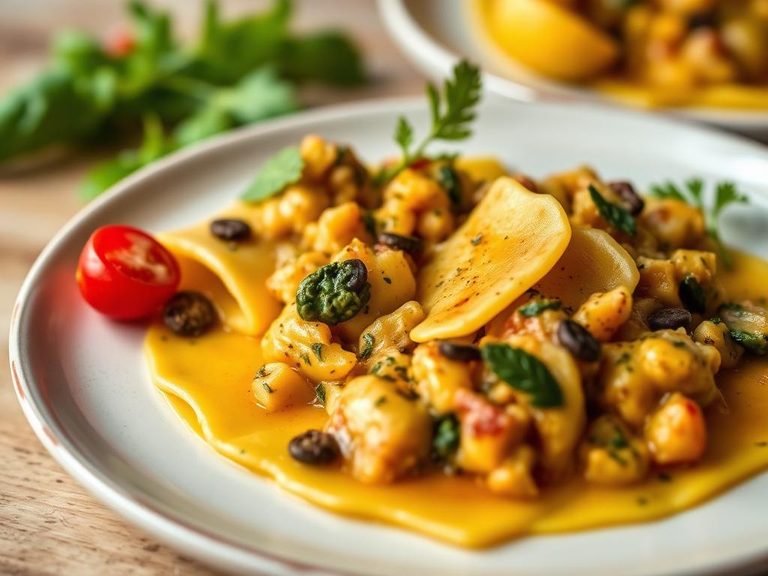
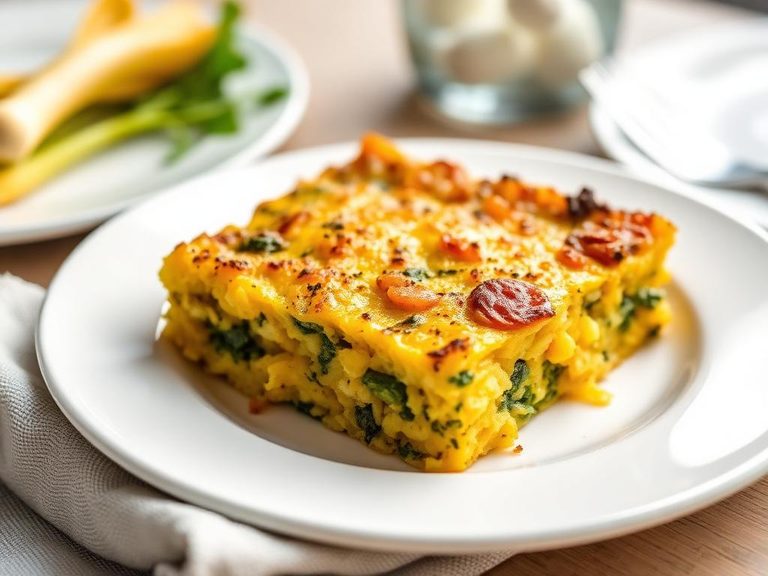
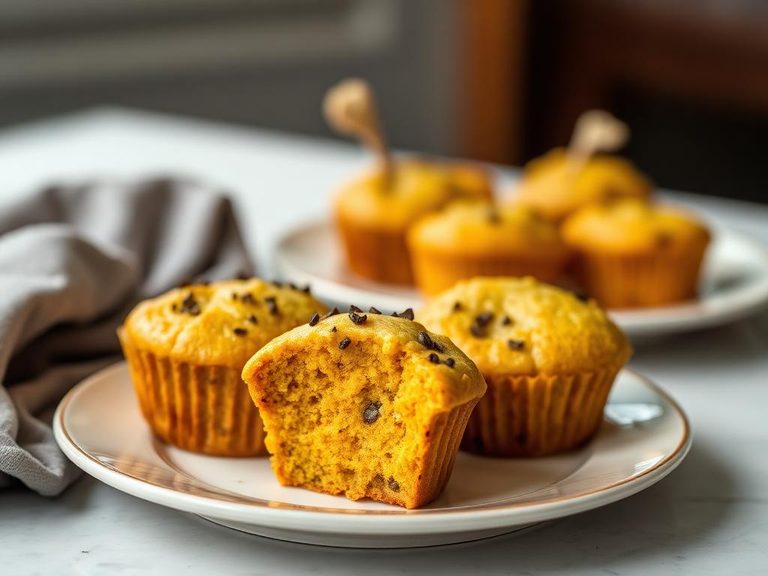
🌍 Where it's eaten
💡 Did you know?
The Hubbard squash variety is named after its popularizer, Elizabeth Hubbard, who introduced it to seed catalogs in the 1840s, and it was a favorite of the White House during the administration of President Rutherford B. Hayes.
Full nutrition (USDA data · scales with serving)
| Water | 91.1 g |
| Energy | 30.0 kcal |
| Energy | 125 kj |
| Protein | 1.5 g |
| Total lipid (fat) | 0.37 g |
| Ash | 0.59 g |
| Carbohydrate, by difference | 6.5 g |
| Fiber, total dietary | 2.9 g |
| Total Sugars | 2.9 g |
| Calcium, Ca | 10.0 mg |
| Iron, Fe | 0.28 mg |
| Magnesium, Mg | 13.0 mg |
| Phosphorus, P | 14.0 mg |
| Potassium, K | 214 mg |
| Sodium, Na | 5.0 mg |
| Zinc, Zn | 0.10 mg |
| Copper, Cu | 0.05 mg |
| Manganese, Mn | 0.13 mg |
| Selenium, Se | 0.30 ug |
| Vitamin C, total ascorbic acid | 6.5 mg |
| Thiamin | 0.04 mg |
| Riboflavin | 0.03 mg |
| Niacin | 0.33 mg |
| Pantothenic acid | 0.30 mg |
| Vitamin B-6 | 0.10 mg |
| Folate, total | 10.0 ug |
| Folic acid | 0.00 ug |
| Folate, food | 10.0 ug |
| Folate, DFE | 10.0 ug |
| Choline, total | 8.7 mg |
| Vitamin B-12 | 0.00 ug |
| Vitamin B-12, added | 0.00 ug |
| Vitamin A, RAE | 200 ug |
| Retinol | 0.00 ug |
| Carotene, beta | 1641 ug |
| Carotene, alpha | 406 ug |
| Cryptoxanthin, beta | 1119 ug |
| Vitamin A, IU | 4005 iu |
| Lycopene | 0.00 ug |
| Lutein + zeaxanthin | 0.00 ug |
| Vitamin E (alpha-tocopherol) | 0.12 mg |
| Vitamin E, added | 0.00 mg |
| Vitamin D (D2 + D3), International Units | 0.00 iu |
| Vitamin D (D2 + D3) | 0.00 ug |
| Vitamin K (phylloquinone) | 1.0 ug |
| Alcohol, ethyl | 0.00 g |
| Caffeine | 0.00 mg |
| Theobromine | 0.00 mg |
Fat & fatty acid profile (per 100g)
| Fatty acids, total saturated | 0.08 g |
| SFA 4:0 | 0.00 g |
| SFA 6:0 | 0.00 g |
| SFA 8:0 | 0.00 g |
| SFA 10:0 | 0.00 g |
| SFA 12:0 | 0.00 g |
| SFA 14:0 | 0.00 g |
| SFA 16:0 | 0.07 g |
| SFA 18:0 | 0.01 g |
| Fatty acids, total monounsaturated | 0.03 g |
| MUFA 16:1 | 0.00 g |
| MUFA 18:1 | 0.03 g |
| MUFA 20:1 | 0.00 g |
| MUFA 22:1 | 0.00 g |
| Fatty acids, total polyunsaturated | 0.16 g |
| PUFA 18:2 | 0.06 g |
| PUFA 18:3 | 0.10 g |
| PUFA 18:4 | 0.00 g |
| PUFA 20:4 | 0.00 g |
| PUFA 20:5 n-3 (EPA) | 0.00 g |
| PUFA 22:5 n-3 (DPA) | 0.00 g |
| PUFA 22:6 n-3 (DHA) | 0.00 g |
| Fatty acids, total trans | 0.00 g |
| Cholesterol | 0.00 mg |
Amino acid profile (per 100g)
| Tryptophan | 0.02 g |
| Threonine | 0.04 g |
| Isoleucine | 0.06 g |
| Leucine | 0.08 g |
| Lysine | 0.06 g |
| Methionine | 0.02 g |
| Cystine | 0.01 g |
| Phenylalanine | 0.06 g |
| Tyrosine | 0.05 g |
| Valine | 0.06 g |
| Arginine | 0.08 g |
| Histidine | 0.03 g |
| Alanine | 0.06 g |
| Aspartic acid | 0.16 g |
| Glutamic acid | 0.26 g |
| Glycine | 0.06 g |
| Proline | 0.05 g |
| Serine | 0.06 g |
FAQ
How does mashed Hubbard squash differ from butternut squash?
Hubbard squash is typically denser, sweeter, and has a more robust, earthy flavor compared to the milder, slightly nuttier butternut. Its texture when mashed is often thicker and less watery.
Can I freeze mashed Hubbard squash?
Yes, it freezes exceptionally well. Portion it into airtight containers or freezer bags, leaving some headspace, for up to 10-12 months. Thaw in the refrigerator before reheating.
Is the skin edible after cooking?
While the tough outer skin is typically removed before cooking, the thin, tender skin of a young, small Hubbard can be left on and will soften when boiled or roasted, adding extra fiber.
Nutrient density (calculated · NRF9.3)
Nutrient Rich Foods index: beneficial nutrients (protein, fiber, vitamins, minerals) minus saturated fat, added sugar & sodium, per 100 kcal.
NRF9.3 index — Fulgoni, Keast & Drewnowski, 2009. Computed from USDA nutrients.
Weight-loss friendliness (composite index)
Energy density 0.30 kcal/g · 20% calories from protein · 2.9 g fiber · 2.9 g sugar per 100 g.
Composite of energy density (Rolls et al., 1999), protein & fiber satiety, minus sugar. A calculated heuristic — ranks satiety-per-calorie, not a clinical measure.
Dietary load (calculated from USDA values)
Potential renal acid load. Positive = acid-forming, negative = alkaline-forming.
Sodium-to-potassium ratio: 0.02 (lower is better — aim for ≤ 1)
Sodium:potassium per WHO potassium guidance. Computed from USDA nutrients.