

Sorghum flour, white, pearled, unenriched, dry, raw
Whole food · Cereal Grains and Pasta
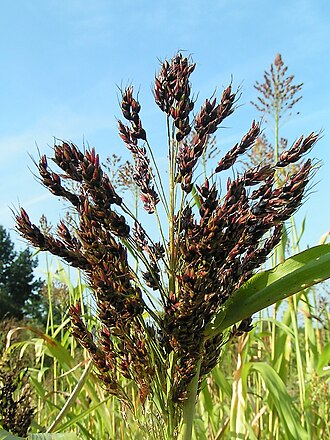
Photo: Wikipedia
Sorghum flour, specifically the white, pearled variety, is a fine, creamy powder with a mild, slightly sweet, and subtly earthy flavor reminiscent of wheat but without the gluten. Its texture is smooth and versatile, making it a staple for flatbreads and porridges across many cultures. Nutritionally, it's a powerhouse of complex carbohydrates and plant-based protein, providing sustained energy with a low glycemic index.
Calorie split: 11% protein · 81% carbs · 8% fat
↓ Full nutrition💚 Why it's loved
People love sorghum flour for its ability to create tender, non-gritty baked goods and its cultural significance in traditional cuisines, from African flatbreads to Indian porridges. Its mild, neutral taste allows it to blend seamlessly with other flours, enhancing texture without overpowering flavors.
⚠️ Watch-outs & how to enjoy it better
Sorghum flour can sometimes produce a slightly dry or crumbly texture in baked goods if not balanced with sufficient liquid or fat, and its high carbohydrate content may cause blood sugar spikes in sensitive individuals. To counteract this, pair it with protein-rich ingredients like eggs or legumes, or use it in combination with other flours to improve moisture and texture.
Key benefits
- Naturally gluten-free, making it a safe and nutritious alternative for those with celiac disease or gluten sensitivity.
- Rich in complex carbohydrates and dietary fiber, which support steady energy levels and digestive health.
- Good source of plant-based protein, containing essential amino acids like leucine and methionine.
- High in antioxidants, particularly phenolic compounds, which help combat oxidative stress in the body.
- Contains important minerals like iron, phosphorus, and magnesium, contributing to bone health and metabolic function.
🍽️ Popular dishes
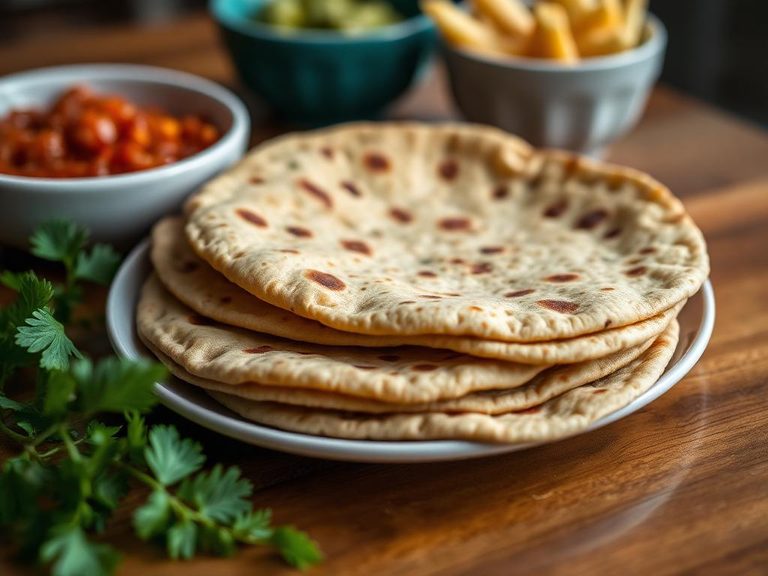
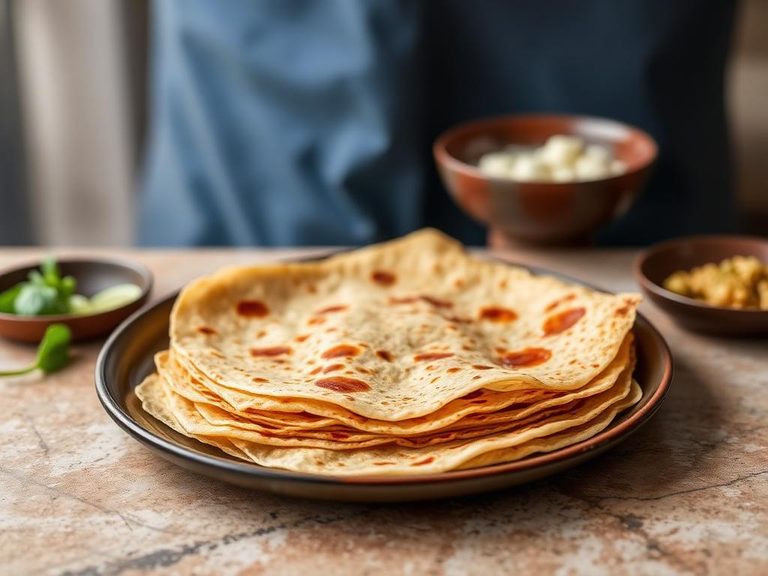
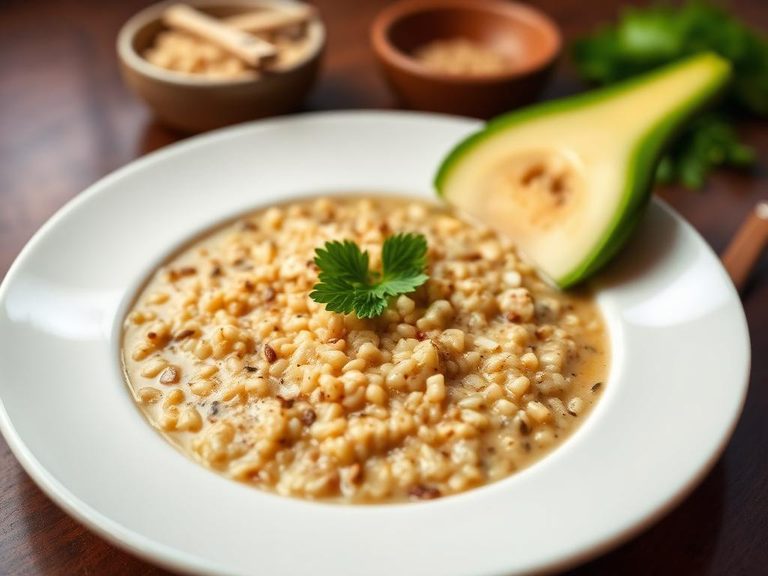
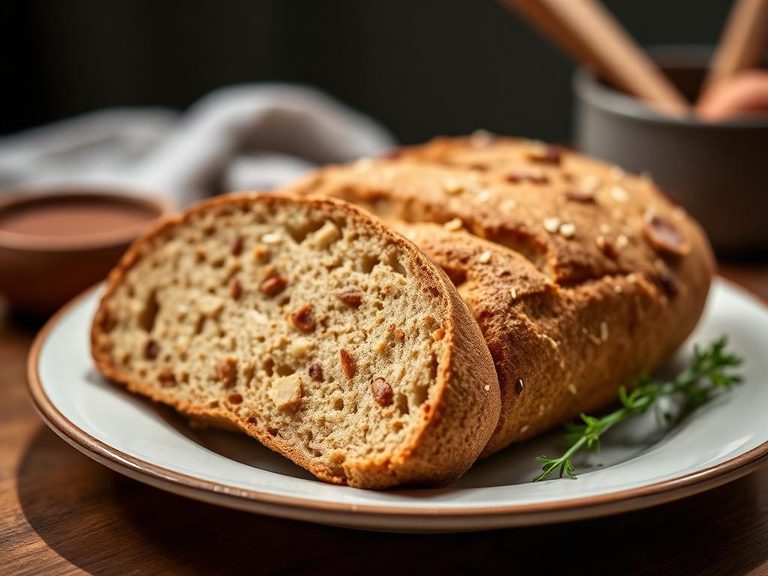
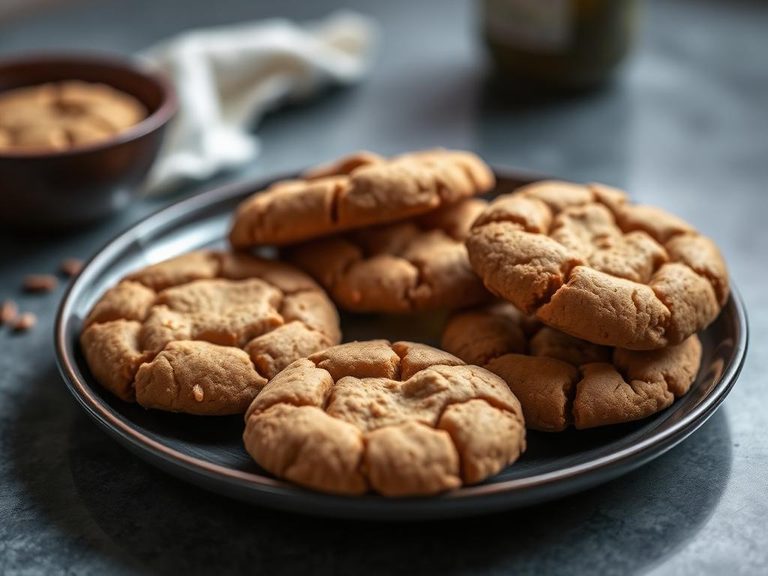
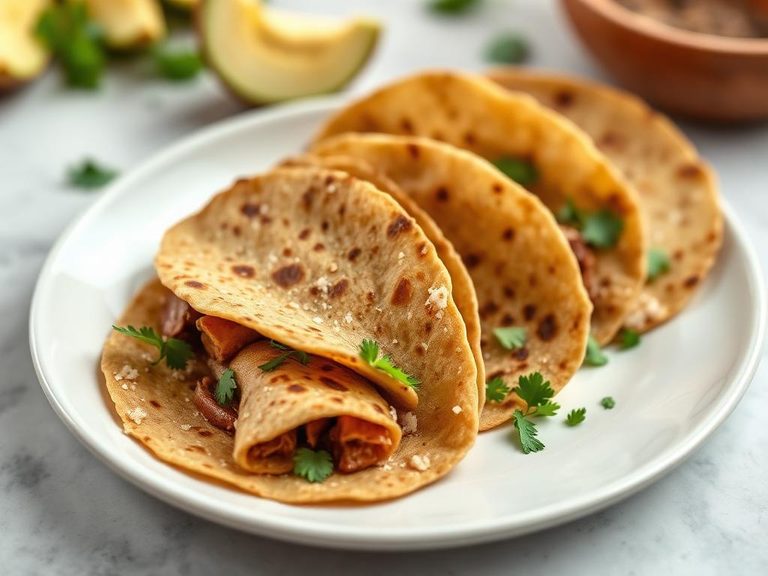
🌍 Where it's eaten
💡 Did you know?
Sorghum is one of the oldest cultivated grains in the world, with evidence of its use dating back over 5,000 years in Africa, and it is now the fifth most important cereal crop globally, often grown in arid regions where other crops struggle to survive.
Full nutrition (USDA data · scales with serving)
| Water | 11.9 g |
| Energy (Atwater General Factors) | 364 kcal |
| Energy (Atwater Specific Factors) | 350 kcal |
| Nitrogen | 1.6 g |
| Protein | 10.2 g |
| Total lipid (fat) | 3.2 g |
| Ash | 1.2 g |
| Carbohydrate, by difference | 73.5 g |
| Fiber, total dietary | 3.3 g |
| Starch | 69.7 g |
| Calcium, Ca | 7.9 mg |
| Iron, Fe | 2.2 mg |
| Magnesium, Mg | 107 mg |
| Phosphorus, P | 246 mg |
| Potassium, K | 274 mg |
| Sodium, Na | 0.00 mg |
| Zinc, Zn | 1.3 mg |
| Copper, Cu | 0.21 mg |
| Manganese, Mn | 1.2 mg |
| Thiamin | 0.39 mg |
| Niacin | 2.9 mg |
| Vitamin B-6 | 0.13 mg |
| Biotin | 9.0 ug |
Fat & fatty acid profile (per 100g)
Estimated from Sorghum flour, whole-grain — USDA does not publish this profile for Sorghum flour.
| Fatty acids, total saturated | 0.53 g |
| SFA 4:0 | 0.01 g |
| SFA 6:0 | 0.00 g |
| SFA 8:0 | 0.00 g |
| SFA 10:0 | 0.01 g |
| SFA 12:0 | 0.00 g |
| SFA 14:0 | 0.00 g |
| SFA 15:0 | 0.00 g |
| SFA 16:0 | 0.45 g |
| SFA 17:0 | 0.00 g |
| SFA 18:0 | 0.04 g |
| SFA 20:0 | 0.01 g |
| SFA 22:0 | 0.00 g |
| SFA 24:0 | 0.01 g |
| Fatty acids, total monounsaturated | 0.94 g |
| MUFA 14:1 | 0.00 g |
| MUFA 15:1 | 0.00 g |
| MUFA 16:1 | 0.01 g |
| MUFA 16:1 c | 0.01 g |
| MUFA 17:1 | 0.00 g |
| MUFA 18:1 | 0.92 g |
| MUFA 18:1 c | 0.92 g |
| MUFA 20:1 | 0.01 g |
| MUFA 22:1 | 0.00 g |
| MUFA 22:1 c | 0.00 g |
| MUFA 24:1 c | 0.00 g |
| Fatty acids, total polyunsaturated | 1.4 g |
| PUFA 18:2 | 1.3 g |
| PUFA 18:2 n-6 c,c | 1.3 g |
| PUFA 18:2 CLAs | 0.00 g |
| PUFA 18:3 | 0.06 g |
| PUFA 18:3 n-3 c,c,c (ALA) | 0.06 g |
| PUFA 18:3 n-6 c,c,c | 0.00 g |
| PUFA 18:4 | 0.00 g |
| PUFA 20:2 n-6 c,c | 0.00 g |
| PUFA 20:3 | 0.00 g |
| PUFA 20:3 n-3 | 0.00 g |
| PUFA 20:3 n-6 | 0.00 g |
| PUFA 20:4 | 0.00 g |
| PUFA 20:5 n-3 (EPA) | 0.00 g |
| PUFA 22:4 | 0.00 g |
| PUFA 22:5 n-3 (DPA) | 0.00 g |
| PUFA 22:6 n-3 (DHA) | 0.00 g |
| Fatty acids, total trans | 0.00 g |
| Fatty acids, total trans-monoenoic | 0.00 g |
| TFA 16:1 t | 0.00 g |
| TFA 18:1 t | 0.00 g |
| TFA 22:1 t | 0.00 g |
| TFA 18:2 t not further defined | 0.00 g |
| Fatty acids, total trans-polyenoic | 0.00 g |
Amino acid profile (per 100g)
Estimated from Sorghum flour, whole-grain — USDA does not publish this profile for Sorghum flour.
| Tryptophan | 0.11 g |
| Threonine | 0.31 g |
| Isoleucine | 0.31 g |
| Leucine | 1.1 g |
| Lysine | 0.17 g |
| Methionine | 0.14 g |
| Cystine | 0.17 g |
| Phenylalanine | 0.44 g |
| Tyrosine | 0.23 g |
| Valine | 0.39 g |
| Arginine | 0.33 g |
| Histidine | 0.17 g |
| Alanine | 0.76 g |
| Aspartic acid | 0.56 g |
| Glutamic acid | 1.7 g |
| Glycine | 0.31 g |
| Proline | 0.65 g |
| Serine | 0.41 g |
FAQ
Is sorghum flour gluten-free?
Yes, sorghum flour is naturally gluten-free, making it an excellent choice for individuals with celiac disease or gluten sensitivity. It can be used as a standalone flour or blended with other gluten-free flours for baking.
How does sorghum flour compare to wheat flour in terms of nutrition?
Sorghum flour is higher in protein and fiber than refined wheat flour, and it contains more antioxidants. It also has a lower glycemic index, which means it causes a slower rise in blood sugar levels compared to wheat flour.
Can sorghum flour be used in baking?
Yes, sorghum flour is widely used in baking, especially for gluten-free recipes. It works well in breads, cookies, pancakes, and flatbreads. For best results, it is often combined with other flours like tapioca or rice flour to improve texture and binding.
Nutrient density (calculated · NRF9.3)
Nutrient Rich Foods index: beneficial nutrients (protein, fiber, vitamins, minerals) minus saturated fat, added sugar & sodium, per 100 kcal.
NRF9.3 index — Fulgoni, Keast & Drewnowski, 2009. Computed from USDA nutrients.
Weight-loss friendliness (composite index)
Energy density 3.64 kcal/g · 11% calories from protein · 3.3 g fiber · 0.0 g sugar per 100 g.
Composite of energy density (Rolls et al., 1999), protein & fiber satiety, minus sugar. A calculated heuristic — ranks satiety-per-calorie, not a clinical measure.
Dietary load (calculated from USDA values)
Potential renal acid load. Positive = acid-forming, negative = alkaline-forming.
Sodium-to-potassium ratio: 0.00 (lower is better — aim for ≤ 1)
Sodium:potassium per WHO potassium guidance. Computed from USDA nutrients.